How to Avoid Smog Check in California
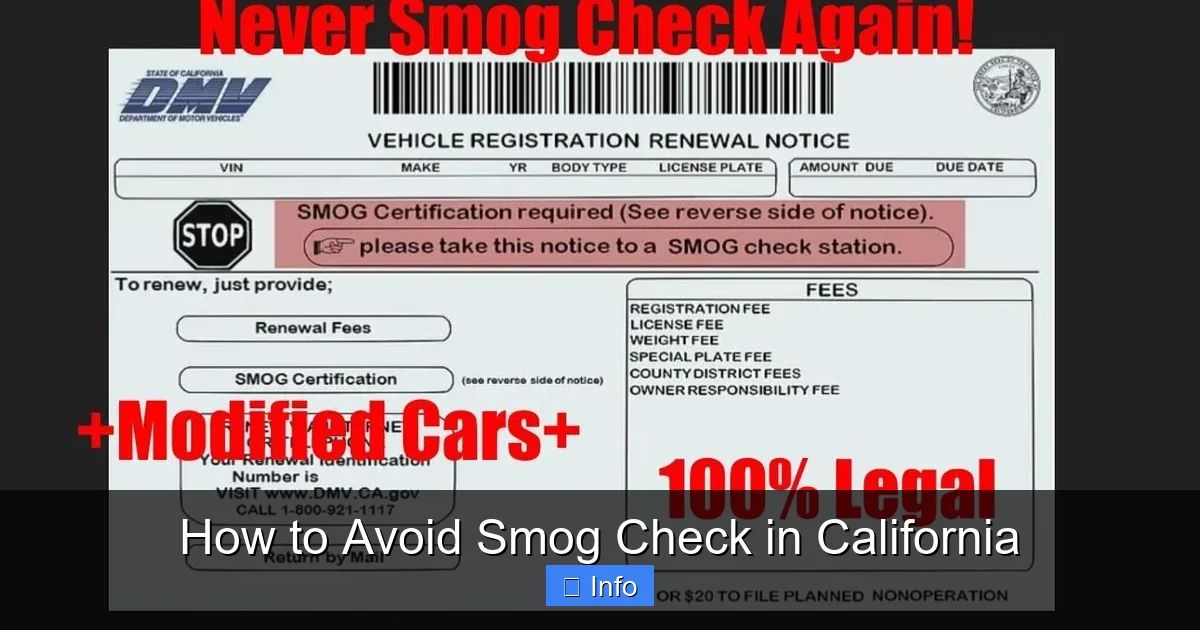
Discover easy ways to avoid smog check in California, from proper car maintenance to understanding loopholes, so you can save time and money while staying compliant. Follow these simple steps and keep your vehicle running smoothly without the hassle.
California’s smog check program can feel like a nightmare for many drivers. You spend hours in line, pay a fee, and then wonder if your car will pass. The good news? There are realistic ways to avoid smog check in California without breaking the law. This guide walks you through simple, everyday actions that keep your car healthy and often let you skip the smog inspection altogether. We’ll share tips on maintenance, exemptions, timing, and even how to use your vehicle’s natural strengths to stay ahead of the program.
Key Takeaways
- Regular Maintenance Wins: Keep oil, filters, and spark plugs fresh to pass or avoid smog checks.
- Know the Exemption Rules: Understand who is truly exempt and when you can legally skip the test.
- Use a Trusted mechanic: A certified shop can help you stay ahead of emissions issues.
- Timing is everything: Schedule services before the deadline to avoid last‑minute stress.
- Explore alternative fuels: Hybrid or electric vehicles often bypass smog requirements.
- Stay informed on law changes: California updates rules often—stay current to protect yourself.
- Save money the smart way: Avoid costly repairs by preventing emissions problems early.
📑 Table of Contents
- Why Smog Checks Matter in California
- Tip #1: Keep Your Engine in Top Shape
- Tip #2: Understand California’s Exemptions
- Tip #3: Timing Your Maintenance
- Tip #4: Use the Right Tools and Mechanics
- Tip #5: Alternative Strategies and Loopholes
- Tip #6: Stay Updated on State Laws
- Conclusion: Keep Your Car Happy and Your Wallet Full
Why Smog Checks Matter in California
The Basics of the Smog Program
California runs one of the strictest emissions programs in the nation. The goal is to reduce air pollution and protect public health. Every vehicle registered in the state must undergo a smog check every two years. The test checks tailpipe emissions, engine condition, and overall compliance with Clean Air Act standards. If your car fails, you must repair it and retest, which costs time and money.
What Counts as a Failure?
A failure can happen for many reasons. High levels of hydrocarbons, carbon monoxide, or nitrogen oxides are red flags. Faulty oxygen sensors, worn spark plugs, or a malfunctioning catalytic converter also trigger a fail. Even a simple loose gas cap can cause a rejection. Understanding these basics helps you focus on the right fixes.
Tip #1: Keep Your Engine in Top Shape
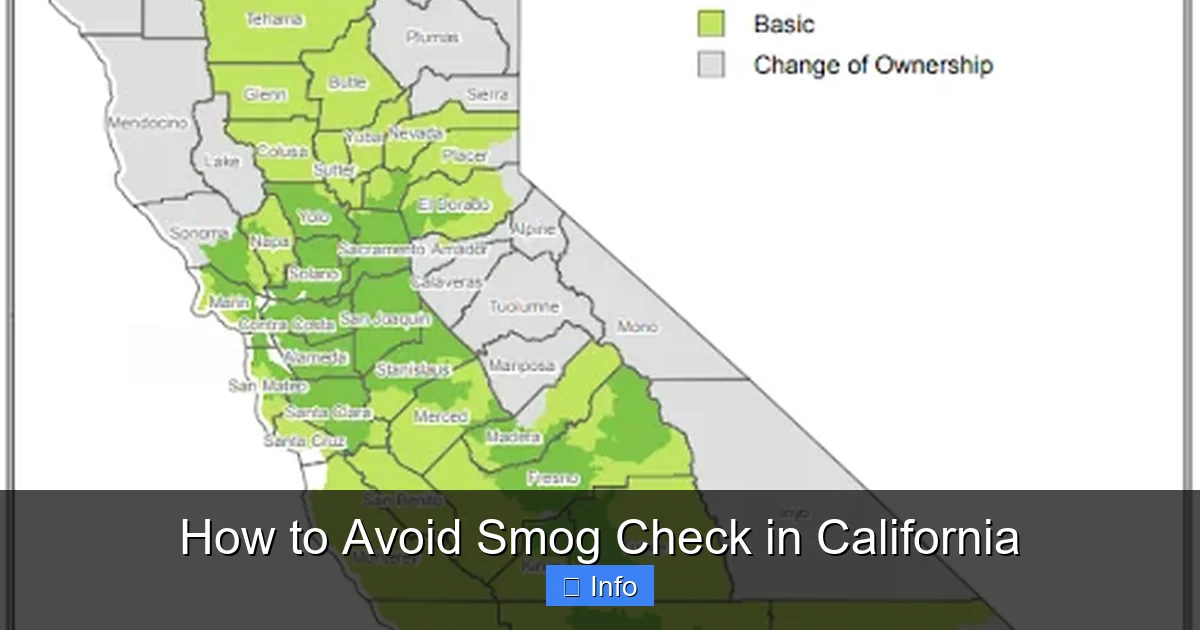
Visual guide about How to Avoid Smog Check in California
Image source: ticketsnipers.com
Oil Changes Are Your First Defense
Fresh oil reduces engine wear and helps keep emissions low. Aim for an oil change every 3,000–5,000 miles, depending on your vehicle’s make and model. Use the recommended oil viscosity and change the oil filter each time. A clean engine runs cleaner and often passes smog checks.
Replace Air and Fuel Filters Regularly
A clogged air filter forces the engine to work harder, increasing emissions. Replace the air filter every 15,000–30,000 miles. The fuel filter prevents contaminants from reaching the engine, which can cause misfires. Replace it according to your service manual. Clean filters are a cheap way to keep your car smog‑ready.
Spark Plugs Should Be Gapped Correctly
Bad spark plugs cause incomplete combustion, raising hydrocarbon output. Check your spark plugs every 30,000 miles and replace them if they show wear. Make sure the gap matches the manufacturer’s spec. This tiny part can make a big difference in smog test results.
Tip #2: Understand California’s Exemptions
Visual guide about How to Avoid Smog Check in California
Image source: matrackinc.com
Hybrid and Electric Vehicles Are Usually Exempt
If you drive a hybrid or fully electric car, you likely won’t need a smog check. These vehicles produce far fewer tailpipe emissions, so the state treats them differently. Check your registration documents or call the DMV for confirmation.
Classic Cars Have Special Rules
Vehicles older than 25 years may be exempt from smog testing in California. If your car is a classic, you’ll need to provide proper documentation. Keep the title and any restoration records handy. This exemption can save you a lot of time and money.
Low‑Mileage or Low‑Use Vehicles
If you drive less than 5,000 miles per year, you might qualify for a low‑use exemption. You’ll need to submit an application and prove your mileage. This option works well for retirees or people who mostly use public transit.
Tip #3: Timing Your Maintenance
Visual guide about How to Avoid Smog Check in California
Image source: wikihow.com
Plan Ahead of Your Smog Deadline
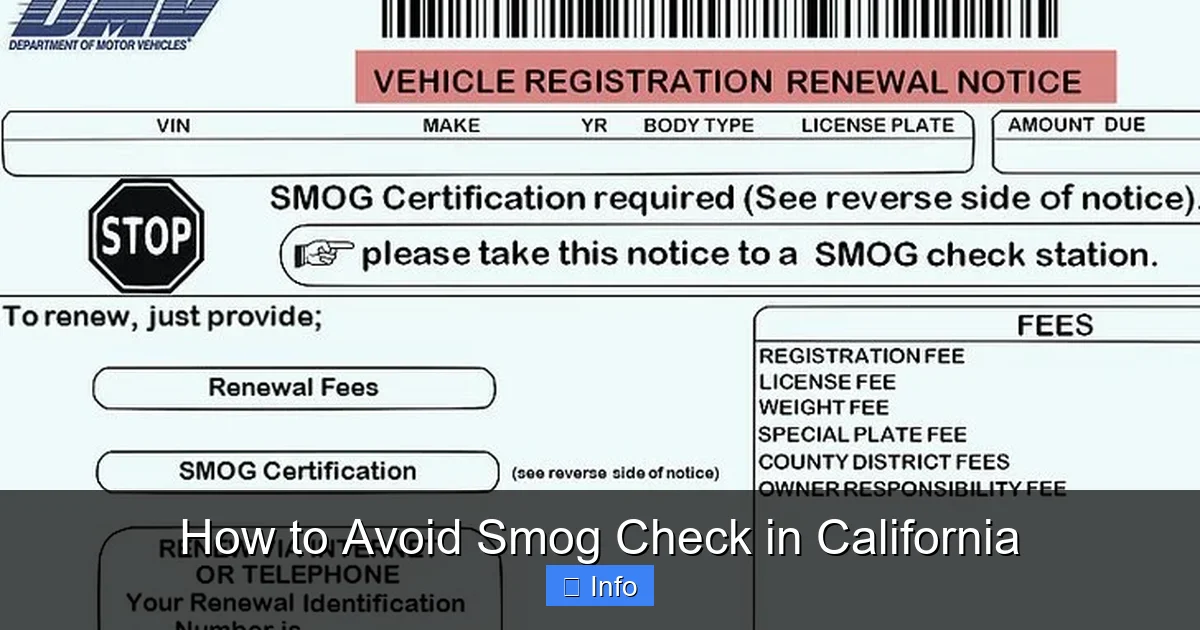
Smog checks are due based on your vehicle’s registration renewal date. If you know the deadline, schedule any needed maintenance a few weeks early. This buffer lets you fix problems without rushing to the last minute.
Use the “Pre‑Check” Service
Many repair shops offer a pre‑check that mimics the official smog test. This gives you a realistic idea of whether your car will pass. Paying for a pre‑check now can save you the cost of a full retest later.
Avoid Peak Smog Seasons When Possible
California’s smog season peaks in summer and early fall. If you can, schedule your smog test for spring or winter when pollution levels are lower. Some DMV offices also have shorter wait times during off‑peak months.
Tip #4: Use the Right Tools and Mechanics
Choose a Certified Smog Test Station
Not all stations are created equal. Look for a station that is certified by the California Air Resources Board. Certified stations follow strict procedures and are more likely to give accurate results.
Consider a “Smog‑Ready” Tune‑Up
A tune‑up that includes resetting the computer, checking the EVAP system, and cleaning the throttle body can dramatically improve emissions. Many mechanics offer a “smog‑ready” package for a reasonable price.
Link to Maintenance Guides for More Help
For deeper insight into engine care, check out How To Check Brake Pads In Your Car. Healthy brakes reduce unnecessary engine strain, which indirectly helps emissions.
Tip #5: Alternative Strategies and Loopholes
Purchase a Temporary Registration Extension
If you’re facing a tight deadline, you can sometimes get a temporary registration extension from the DMV. This gives you extra time to prepare your car for the smog test or to complete repairs.
Use a “Do‑It‑Yourself” Emission Fix Kit
There are over‑the‑counter kits that claim to clean the EVAP system and reduce emissions. While not a guarantee, many drivers have found success with these products when used correctly.
Link to Tax Information for Peace of Mind
Even if you avoid smog checks, you still need to pay California car tax. Understanding how much you’ll owe can help budgeting. See How Much Is Car Tax In California for a clear breakdown.
Tip #6: Stay Updated on State Laws
California Updates Emissions Rules Regularly
The state revises its emissions standards as technology evolves. Staying informed helps you take advantage of new exemptions or programs. Sign up for alerts from the DMV or follow reputable automotive news sources.
Join Online Communities for Real‑World Tips
Forums and social media groups often share the latest tricks for avoiding smog checks. Real owners post what works and what doesn’t. This crowd‑sourced knowledge can be invaluable.
Link to a Popular Emissions Article
If you want to compare strategies across states, check out How To Beat Maryland Emissions. Some tactics, like regular maintenance and using certified mechanics, apply everywhere.
Conclusion: Keep Your Car Happy and Your Wallet Full
Avoiding smog check in California doesn’t mean cheating the system; it means taking care of your vehicle and knowing the rules. Regular oil changes, clean filters, proper spark plugs, and understanding exemptions are the foundation. Timing your maintenance, using certified shops, and staying updated on laws keep you ahead of the game. Even if you do need a smog test, a little preparation can turn a potential failure into a smooth pass.
Remember, a well‑maintained car not only helps you avoid costly repairs but also reduces pollution. By following these tips, you’ll enjoy peace of mind, save money, and help keep California’s air cleaner. Keep your engine happy, stay informed, and you’ll find that avoiding smog checks becomes a natural part of responsible car ownership.
Frequently Asked Questions
What is the main purpose of California’s smog check program?
The program aims to reduce vehicle emissions and improve air quality across the state. By testing tailpipe emissions, the DMV ensures that registered vehicles meet Clean Air Act standards.
Can I legally skip a smog check if my car is old?
Yes, vehicles older than 25 years may be exempt from smog testing, provided you have proper documentation such as the title and any restoration records.
Are hybrid and electric cars exempt from smog checks?
Generally, hybrid and fully electric vehicles are exempt because they produce minimal tailpipe emissions. Verify your exemption with the DMV or your registration documents.
How often do I need to get a smog check in California?
Most gasoline‑powered vehicles must be tested every two years, aligning with your registration renewal date. The exact schedule depends on your vehicle’s model year and DMV records.
What are common reasons a car fails a smog test?
High levels of hydrocarbons, carbon monoxide, or nitrogen oxides often cause failures. Faulty sensors, worn spark plugs, damaged catalytic converters, or even a loose gas cap can also lead to a fail.
Do I need a certified mechanic to avoid smog checks?
While not required, a certified mechanic can help you stay ahead of emissions issues. They can perform tune‑ups, replace filters, and run pre‑checks that mimic official smog tests.