How to Adjust Kick Down Cable
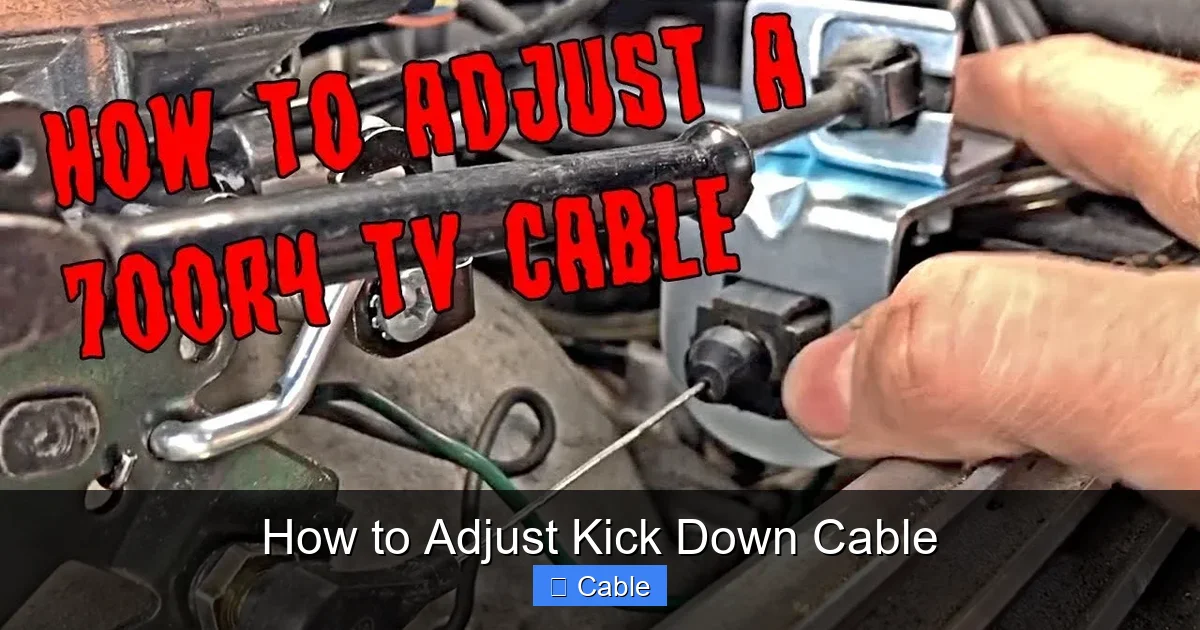
Adjusting the kick down cable is simple with the right tools and steps, ensuring smoother throttle response and preventing engine strain. Follow our easy guide to master the adjustment in minutes.
Key Takeaways
- Identify the correct cable routing before starting. Check the service manual to see where the cable runs from the throttle body to the kick down mechanism.
- Gather the proper tools to avoid damage. A small wrench, screwdriver, and pliers are usually enough.
- Adjust the cable tension incrementally, testing after each change. Small turns make a big difference.
- Verify throttle response with a test drive or OBD2 scan. Use a scanner to confirm proper idle and acceleration.
- Check for wear or fraying and replace if needed. Look for cracks, rust, or loose fittings.
- Regularly re‑check the adjustment after major repairs. Vibration can loosen the cable over time.
📑 Table of Contents
Understanding the Kick Down Cable
The kick down cable links the accelerator pedal to the throttle body. When you press the pedal hard, the cable pulls the throttle open for a quick burst of power.
What Is the Kick Down Cable?
It is a thin steel wire encased in a protective housing. The cable moves the throttle plate a little extra when you need extra speed, such as overtaking.
How It Works With Throttle
The pedal is connected to a lever that pulls the cable. As the lever moves, the cable tightens and opens the throttle slightly beyond the normal position.
Tools You’ll Need
Having the right tools makes the job smooth and safe.
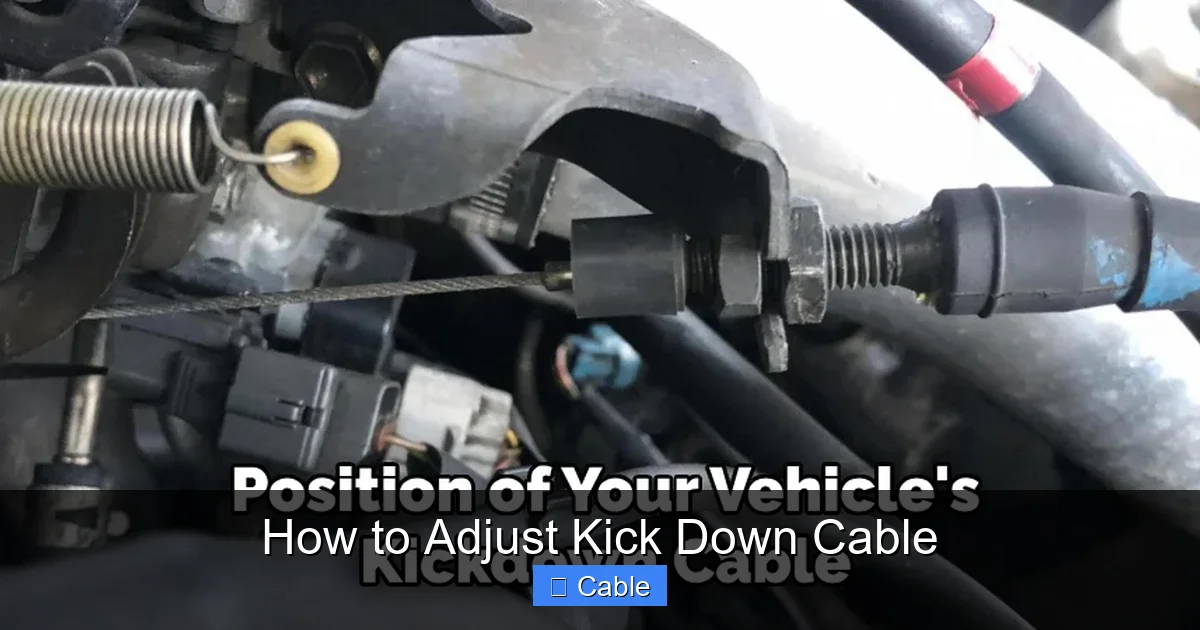
Visual guide about How to Adjust Kick Down Cable
Image source: jeepfixes.com
Basic Hand Tools
You will need a 10 mm wrench, a flat‑head screwdriver, and a pair of pliers. If you need a wiper removal tool, check our guide on How To Replace Windshield Wipers On A Car for a similar small‑tool technique.
Diagnostic Tools
A handheld OBD2 scanner helps you verify that the throttle response is correct after adjustment. Learn how to Set up an OBD2 scanner for detailed readings.
Step‑by‑Step Adjustment Guide
Prepare the Vehicle
Park the car on a level surface, turn off the engine, and let it cool. Engage the parking brake for safety.
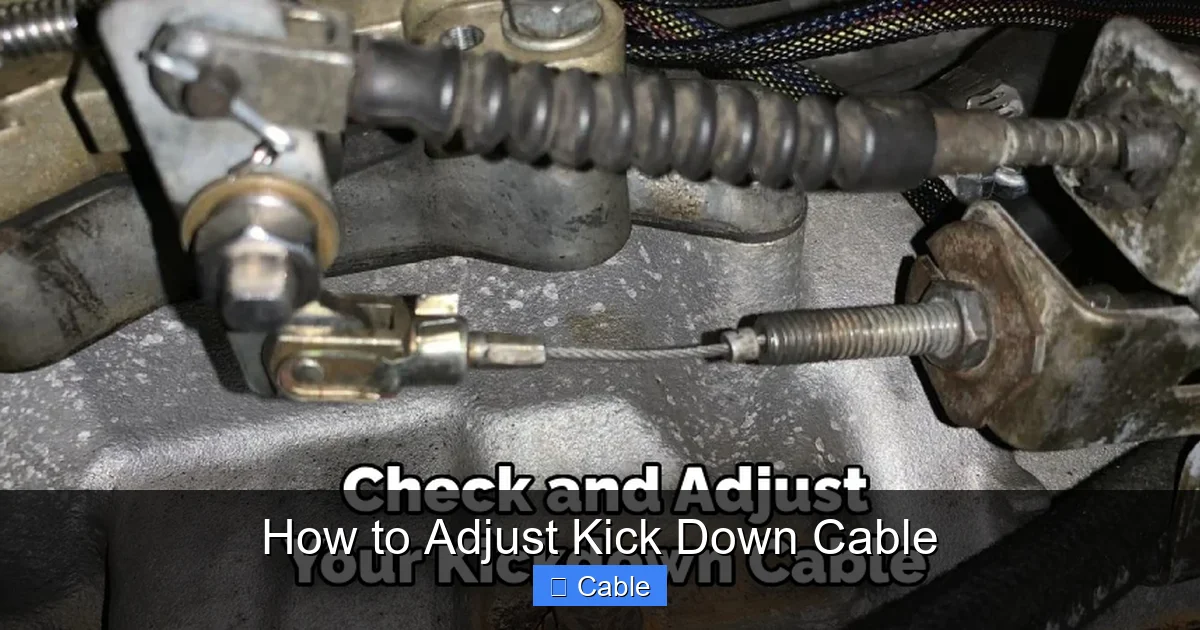
Visual guide about How to Adjust Kick Down Cable
Image source: jeepfixes.com
Locate the Kick Down Cable
Open the hood and find the cable near the throttle body. It usually runs along the intake manifold.
Loosen the Adjustment Nut
Use the 10 mm wrench to turn the adjustment nut counter‑clockwise just enough to free the cable. Do not remove the nut completely.
Adjust the Cable Length
Slide the cable housing until you feel a slight tension. Then lock the nut back in place by turning clockwise. Make small adjustments; a half‑turn can change the feel noticeably.
Test the Adjustment
Start the engine and gently press the accelerator. Listen for a smooth, immediate response. For a more precise check, connect an OBD2 scanner and watch the throttle position sensor data while you press the pedal.
Secure the Cable
Double‑check that the nut is tight and that the cable moves freely without binding. A quick visual inspection can catch any missed spots.
Common Mistakes and How to Avoid Them
Over‑Tightening the Cable
If you tighten the nut too much, the throttle may not return fully, causing high idle or stalling. Loosen slightly and re‑test.
Ignoring Wear
Frayed strands or rusted sections reduce efficiency. Inspect the cable for any damage before adjusting.
Skipping the Test Drive
Without a test, you may think the adjustment is correct when it isn’t. Always drive a short distance and feel the response.
Using Wrong Tools
Using a large wrench can strip the nut. A proper 10 mm wrench prevents damage. See our wiper replacement guide for tool‑selection tips.
When to Replace the Kick Down Cable
Signs of a Worn Cable
Look for visible cracks, rust, or a cable that feels loose even after adjustment. A sticky or jerky throttle response also signals wear.
When Replacement Is Required
If the cable shows any of the above signs, replace it rather than keep adjusting. A new cable restores proper throttle control and protects the engine.
Final Tips and Maintenance
Regular Inspection
Check the cable every 12 months or after any major engine work. A quick visual check can catch problems early.
Keep the Area Clean
Dust and grime can affect cable movement. Clean the housing with a soft cloth; for tougher grime, refer to How To Clean Leather Car Seats Properly for safe cleaning methods.
Schedule Periodic Checks
After any suspension or drivetrain service, re‑verify the kick down cable setting. Small changes in alignment can affect cable tension.
Conclusion
Adjusting the kick down cable is a straightforward maintenance task that can greatly improve your car’s performance. By following the steps above, using the right tools, and checking your work, you’ll enjoy smoother acceleration and a healthier engine. Remember to test after each adjustment and replace the cable if it shows signs of wear. With these practices, your vehicle will respond exactly when you need it to.
Frequently Asked Questions
Question?
What symptoms indicate that the kick down cable needs adjustment?
If the engine hesitates when you press the accelerator, or the throttle feels sluggish, the cable may be too loose or too tight.
Question?
Can I adjust the kick down cable myself, or do I need a professional?
Yes, the adjustment requires only basic hand tools and a few minutes. Follow the steps carefully and you’ll be fine.
Question?
How often should I check the kick down cable?
Inspect it at least once a year, or sooner if you notice any change in throttle response after repairs or heavy use.
Question?
Is it safe to use an OBD2 scanner to verify the adjustment?
Absolutely. An OBD2 scanner provides real‑time data on throttle position, helping you confirm that the cable is set correctly.
Question?
Can a damaged kick down cable affect fuel efficiency?
Yes, a cable that doesn’t open the throttle properly can cause the engine to run richer, reducing fuel efficiency.
Question?
Do I need special lubricant for the cable housing?
Usually not. If the cable feels stiff, a light spray of silicone spray can help, but avoid heavy greases that can attract dirt.