Can You Use Tire Shine on Rims
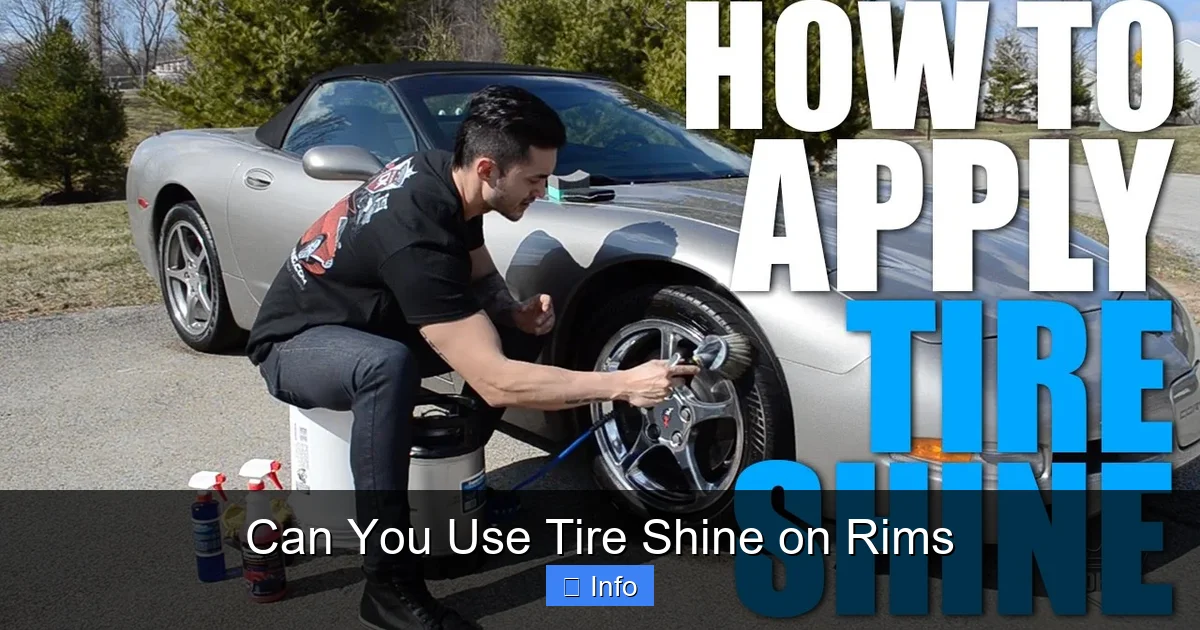
Wondering if you can use tire shine on rims? This guide explains when it’s safe, the risks involved, and the best ways to keep your wheels looking showroom‑ready without damaging paint or creating slip hazards.
Key Takeaways
- Tire shine is formulated for rubber, not metal, so use it cautiously on rims. Test on a small area first.
- Clean rims thoroughly before applying any product to ensure proper adhesion.
- Choose a non‑sling, water‑based tire shine for a cleaner finish on metal surfaces.
- Apply thin layers and avoid excess buildup that can make rims slippery.
- Consider wheel‑specific sealants or ceramic coatings for longer‑lasting shine.
- Regular maintenance, like checking tire pressure, helps preserve the finish. See our guide on how to check tire pressure on the Toyota app.
- If the tire pressure light comes on after cleaning, reset it using the steps in our Toyota Sienna tire pressure light reset guide.
Key Takeaways
- Understanding Can You Use Tire Shine On Rims: Provides essential knowledge
📑 Table of Contents
Understanding Tire Shine and Its Purpose
What Is Tire Shine?
Tire shine is a cosmetic product designed to add gloss and protect rubber tires. It typically contains polymers, oils, and sometimes solvents that give a wet‑look finish while providing a short‑term barrier against UV rays and minor abrasions.
Why Use Tire Shine on Tires?
People use tire shine to make their tires look newer, to enhance the vehicle’s overall appearance, and to add a layer of protection that can slow down drying and cracking of the rubber.
Rims vs. Tires: Different Materials and Finishes
Common Rim Materials
Rims are made from aluminum, steel, alloy, or painted finishes. Each material reacts differently to chemicals. Aluminum and painted surfaces can be sensitive to harsh solvents, while bare metal may benefit from a protective coating.
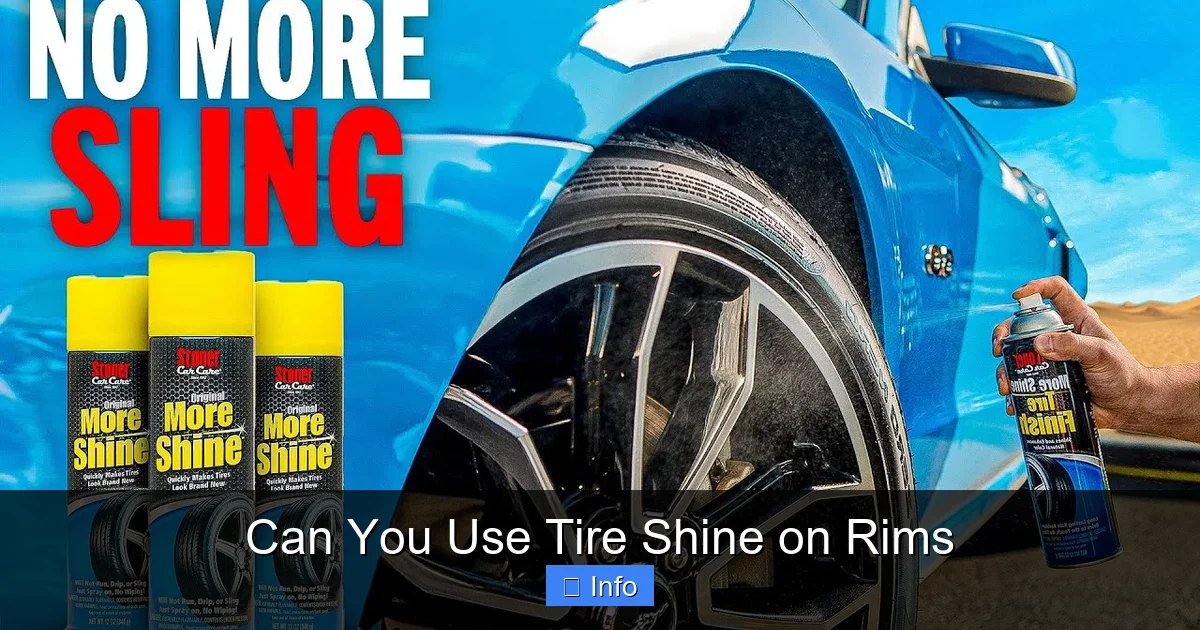
Visual guide about Can You Use Tire Shine on Rims
Image source: i.ytimg.com
How Tire Shine Interacts with Rim Surfaces
Because tire shine is formulated for the flexible rubber of tires, it may not bond well to hard, non‑porous rim surfaces. The product can sit on top of the rim, creating a thin film that might peel or attract dust, especially on polished aluminum or clear‑coated wheels.
Potential Risks of Using Tire Shine on Rims
Slippery Surfaces
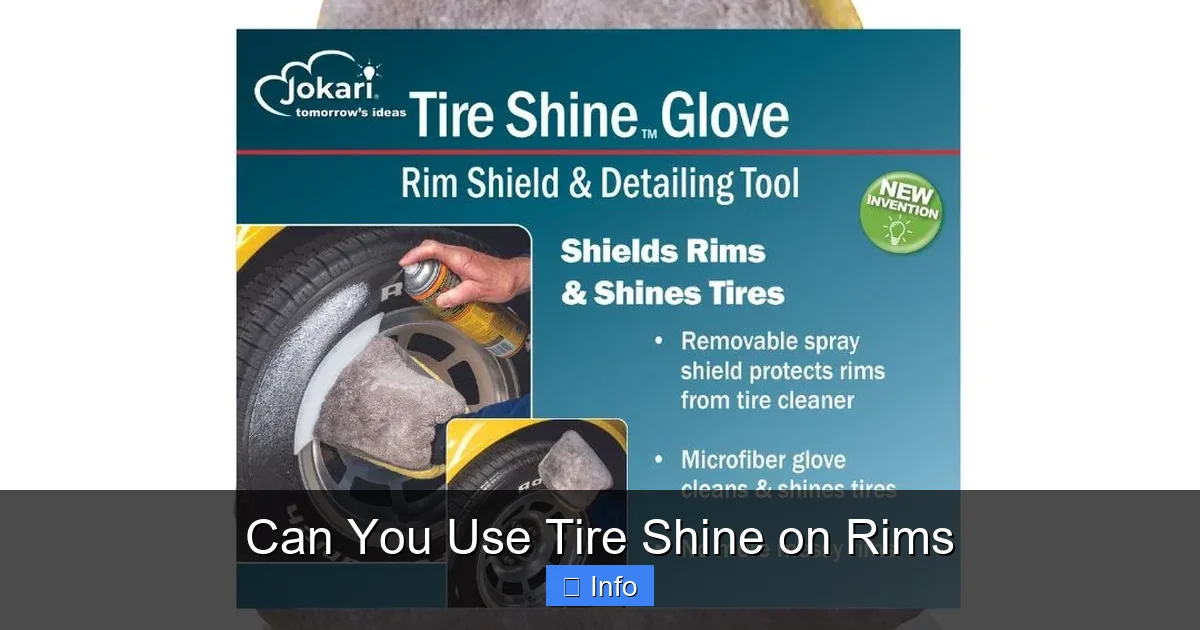
If tire shine is applied heavily on a rim, the surface can become slick, especially when wet. This poses a safety risk when you need to grip the wheel for cleaning or inspection.
Visual guide about Can You Use Tire Shine on Rims
Image source: jokari.com
Damage to Paint or Coating
Many rims have a clear coat or paint finish. The solvents in some tire shine formulas can degrade these layers over time, leading to dullness, discoloration, or even peeling.
Aesthetic Mismatch
Tire shine often leaves a glossy, “wet” look that may not match the desired matte or satin finish of certain rim designs. The result can look unbalanced or overly shiny compared to the rest of the vehicle.
Best Practices for Applying Tire Shine to Rims
Choose the Right Product
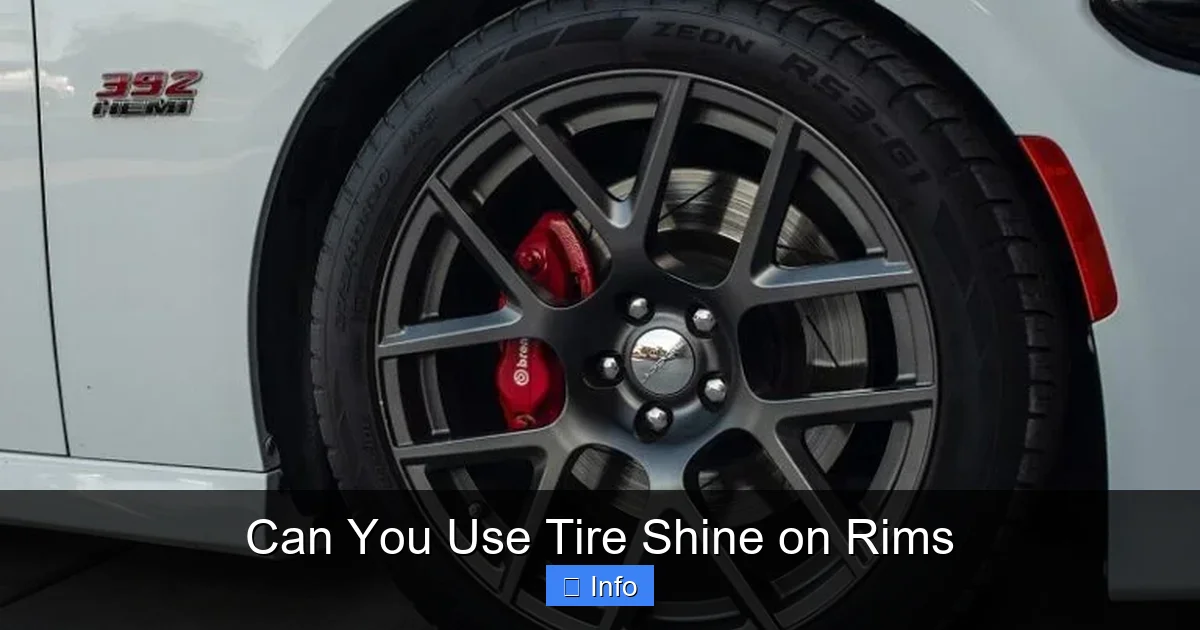
Look for a tire shine that is labeled as safe for metal or alloy wheels. Water‑based, non‑sling formulas are less likely to leave residues that attract dirt. For the best options, check out our guide on the best car tire shine products for a lasting finish.
Visual guide about Can You Use Tire Shine on Rims
Image source: thecarhow.com
Application Techniques
Use a soft microfiber applicator pad. Apply a thin, even coat, and avoid pooling. Let the product cure for the time recommended on the label—usually a few minutes—before wiping off any excess with a clean cloth.
Cleaning First
Always start with a clean rim. Remove brake dust, road grime, and old wax using a dedicated wheel cleaner. After rinsing and drying, the surface is ready for the shine, ensuring better adhesion and a more uniform look.
Alternative Products for Shiny Rims
Wheel Cleaners and Sealants
Products specifically formulated for wheels often contain polymers that bond to metal, offering durability without the slip risk of tire shine. These sealants can provide a high‑gloss finish that lasts weeks.
Ceramic Coatings for Rims
For a premium, long‑term solution, ceramic coatings create a hard, protective layer that repels water, dust, and UV damage. While the application is more involved, the result is a showroom shine that can survive months of daily driving.
Final Verdict: Can You Use Tire Shine on Rims?
In short, you can use tire shine on rims, but it’s not always the ideal choice. If you decide to proceed, follow the best‑practice steps outlined above, choose a wheel‑safe product, and test on a hidden spot first. For a more reliable and lasting finish, consider wheel‑specific sealants or ceramic coatings, which are designed to protect metal surfaces without the downsides of traditional tire shine.
After you finish cleaning and treating your wheels, it’s a good idea to check your tire pressure to ensure everything is balanced. You can learn how to check tire pressure on the Toyota app in our dedicated article, and if the tire pressure light comes on afterward, our guide on how to reset the tire pressure light on Toyota Sienna will walk you through the process.
Conclusion
Whether you’re aiming for a quick shine or a long‑term protective coating, the key is to match the product to the surface. Tire shine works wonderfully on rubber tires, but for rims, a careful approach—clean first, use a wheel‑safe formula, apply sparingly, and consider specialized wheel products—will give you the best visual result without compromising safety or durability. By following these guidelines, you’ll keep your wheels looking sharp and your vehicle performing safely on the road.
Frequently Asked Questions
What is Can You Use Tire Shine On Rims?
Can You Use Tire Shine On Rims is an important topic with many practical applications.