Can I Put 17 Rims Instead of 16
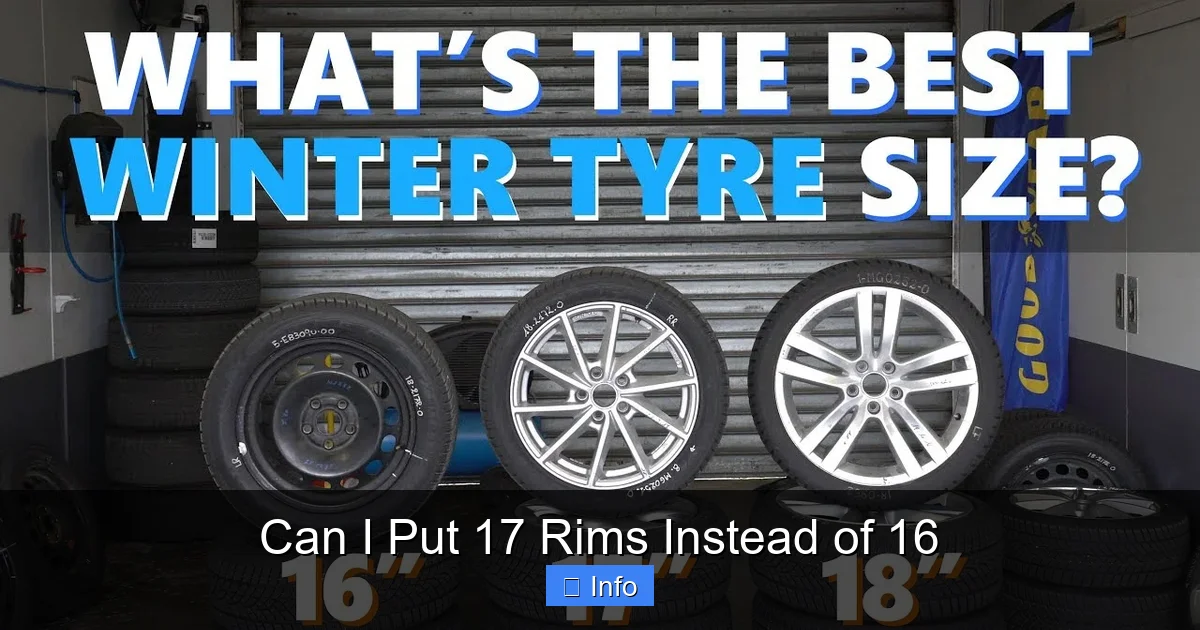
Putting 17-inch rims on a vehicle designed for 16-inch wheels is possible, but it requires careful attention to bolt pattern, offset, and tire size to ensure safety and performance. You’ll also need to verify that the new rims clear the brakes and suspension components without causing rubbing or speedometer errors.
Upgrading your vehicle’s wheels is one of the most popular ways to change its look and performance. Many car owners find themselves asking, can i put 17 rims instead of 16? The idea of stepping up an inch in rim size often appeals to those seeking a sportier stance or better handling characteristics. However, the transition isn’t as simple as just swapping wheels; several technical factors must align to keep your car safe and legal. In fact, understanding can i put 17 rims instead of 16 requirements is the first step toward a successful upgrade.
In this guide, we’ll break down everything you need to know before making the switch. From bolt patterns to tire profiles, we cover the practical details that determine whether the upgrade will fit your specific make and model. By the end, you’ll have a clear understanding of the risks, benefits, and steps to take for a successful rim upgrade. If you’ve ever wondered can i put 17 rims instead of 16 on your daily driver, this article is for you.
Let’s dive into the nitty-gritty of rim compatibility and what really matters when changing sizes.
Key Takeaways
- Fitment matters most: The bolt pattern, center bore, and offset must match your vehicle; otherwise, 17-inch rims won’t sit correctly or could damage suspension components.
- Tire size adjustment is required: Switching from 16-inch to 17-inch typically means lower-profile tires to maintain overall diameter, keeping speedometer readings and handling balanced.
- Brake clearance check: Larger rims may not clear big brake kits; measure caliper clearance before purchasing to avoid rubbing issues.
- Speedometer accuracy: Any change in overall tire diameter affects speedometer readings; choose tires that keep the total height within 3% of the original.
- Purchase quality lug nuts: longer or shorter lug nuts may be needed depending on rim thickness; using wrong ones can lead to wheel detachment.
- Consult a professional: If unsure, have a tire specialist verify fitment; a small mistake can cause uneven wear or safety hazards.
📑 Table of Contents
Understanding Rim Sizing and Compatibility
Rim size is more than just the number stamped on the metal. When people ask, can i put 17 rims instead of 16, they’re usually thinking about aesthetics, but the engineering behind the swap is where things get serious. A 16-inch wheel has a specific diameter, but pairing it with a 17-inch rim requires a lower-profile tire to keep the overall height close to the original. If you skip this step, your speedometer will read incorrectly, and your vehicle’s handling may feel different. The question can i put 17 rims instead of 16 safely depends entirely on getting the fitment right from the start.
Bolt Pattern and Center Bore
The bolt pattern is the arrangement of holes where the wheel attaches to your vehicle’s hub. Every car manufacturer uses a specific pattern, and even within the same brand, patterns can change between model years. The center bore is the hole in the middle of the rim that centers it on the hub. If the center bore is too large, you’ll need hub-centric rings to prevent vibration. Before purchasing 17-inch rims, always verify that the bolt pattern and center bore match your vehicle exactly. A mismatch means the wheel won’t sit flush, and driving with improperly seated wheels is dangerous. Those wondering can i put 17 rims instead of 16 on their particular model should start here.
Offset and Backspacing
Offset measures how far the mounting surface is from the wheel’s centerline. It determines how far the wheel sticks out or tucks in toward the suspension. Backspacing is the distance from the mounting surface to the back edge of the wheel. Incorrect offset can cause the rim to rub against the fender or suspension components, especially when turning. For a safe upgrade, you’ll want to match or closely approximate the original offset. If you’re after a more aggressive stance, you can choose a different offset, but you’ll also need to consider fender rolling or suspension modifications. Owners frequently ask can i put 17 rims instead of 16 with a different offset, and the answer requires measuring your current setup.
Tire Size Considerations
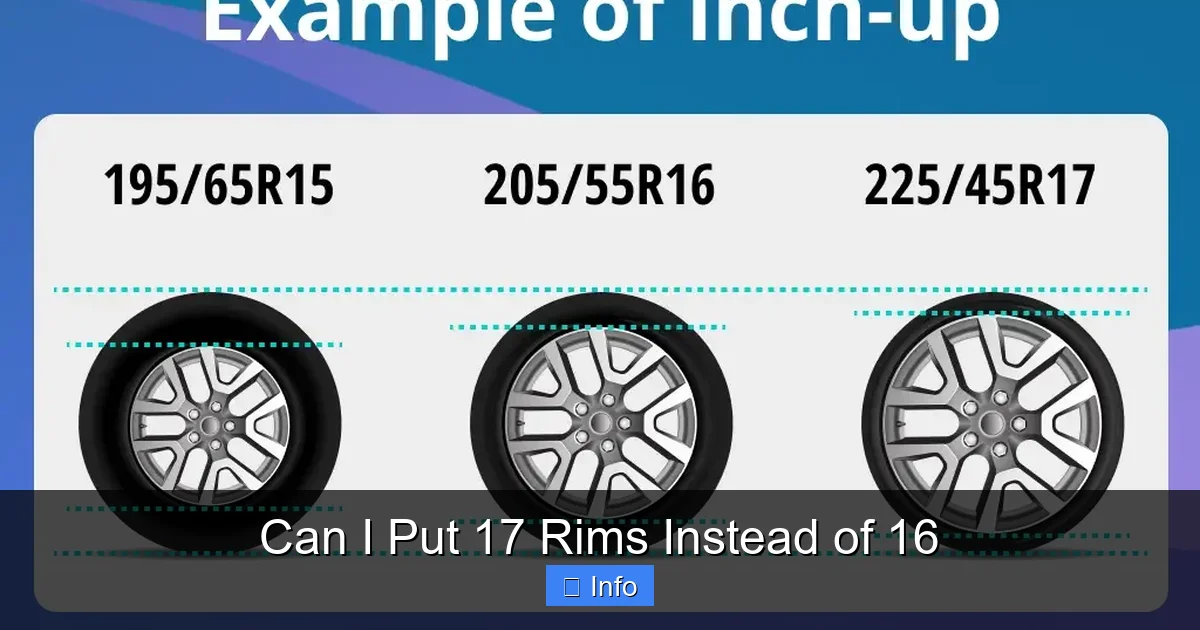
Switching from 16-inch to 17-inch rims isn’t just about the wheel; the tire must change too. The aspect ratio, or sidewall height, must decrease to maintain the overall tire diameter. This is the most critical part of the upgrade because it directly affects your speedometer, odometer, and overall driving dynamics. Many enthusiasts research can i put 17 rims instead of 16 tire size calculations before committing to a purchase.
Maintaining Overall Diameter
To keep your speedometer accurate, the total diameter of the tire and rim combination should stay within about 3% of the original size. For example, if your current setup uses 195/55R16 tires, you might step down to 205/45R17 for a 17-inch rim. The math ensures the outer diameter remains nearly identical. Many online fitment calculators can help you find the right tire size, but double-checking with a professional is always wise. If you’re calculating can i put 17 rims instead of 16 with the correct tire profile, these tools are indispensable.
Speedometer and Odometer Impact
When the overall diameter changes, your speedometer becomes less accurate. A larger overall diameter makes you travel slower than the gauge indicates, while a smaller one does the opposite. Over time, this can also affect your odometer reading, potentially causing issues with maintenance intervals or resale value. Choosing the correct tire profile minimizes this problem, but no change is perfect. If you notice significant discrepancies after the upgrade, a speedometer recalibration may be necessary. Tracking these changes helps answer the ongoing question: can i put 17 rims instead of 16 and maintain accurate readings?
Brake and Suspension Clearance
Larger rims often look more impressive, but they can interfere with your vehicle’s braking and suspension systems. It’s essential to check clearances before committing to a purchase. People often wonder can i put 17 rims instead of 16 without compromising brake safety, and the only way to know is to measure.
Visual guide about Can I Put 17 Rims Instead of 16
Image source: utires.com
Caliper Clearance
Brake calipers vary in size and position depending on the trim level and package your car came with. Some vehicles, especially those with sport or towing packages, have larger calipers that may not clear the inside of a 17-inch rim. Before buying, measure the distance between the rim’s inner spoke and the caliper. If in doubt, consult the rim manufacturer’s fitment guide or ask a tire specialist to test-fit the wheel on your vehicle. Ensuring your brakes have the right fluid is also important; you can learn more about Toyota brake fluid type to keep your stopping power reliable.
Suspension Component Interaction
The suspension struts and control arms have limited space, and a rim with excessive offset or width can cause the tire to rub against these components during compression or turning. This rubbing can lead to tire damage, altered handling, and even suspension wear. Always simulate full suspension travel when evaluating fitment, and consider upgrading suspension components if you plan to run wider rims. A common concern is can i put 17 rims instead of 16 and still have proper suspension clearance, which brings us to the next point.
Practical Tips for Installation
Once you’ve selected the right rims and tires, the installation process is where many DIYers run into trouble. Proper torque and fitment ensure longevity and safety. If you’re prepping for the job, you might want to learn how to handle the existing hardware first.
Visual guide about Can I Put 17 Rims Instead of 16
Image source: i.ytimg.com
Lug Nut Selection
Lug nuts aren’t one-size-fits-all. The length, thread pitch, and seat type (conical, ball, or flat) must match your new rims. Thicker rims often require longer lug nuts, while thinner rims need shorter ones. Using the wrong lug nuts can lead to improper clamping force, which may cause the wheel to loosen over time or, in worst cases, detach while driving. If you’re unsure about the right hardware, you might find it helpful to learn how to get lug nuts out of a socket safely before starting the job. Many ask can i put 17 rims instead of 16 and wonder about the necessary lug nut changes, which we’ll cover.
Professional Installation vs DIY
While installing rims yourself can save money, a professional tire shop has the equipment to torque lug nuts to manufacturer specifications and perform a road force balance. Incorrectly torqued lug nuts are a common cause of wheel vibration and loss. If you’re new to wheel installation, paying for a professional fitment check is a small price for peace of mind. They can also identify clearance issues that might not be obvious during a static test. Some DIYers ask can i put 17 rims instead of 16 and install them themselves, but we always recommend a professional once-over.
Cost and Value Considerations
Upgrading rims is an investment, and it’s wise to weigh the costs against the benefits before spending. Beyond the purchase price, consider long-term value and how the change affects your vehicle’s overall worth.
Budgeting for Rims and Tires
Quality 17-inch rims can range from a few hundred dollars for aftermarket steel wheels to over a thousand for forged alloy options. Tires in the correct size add another significant cost, especially if you want high-performance or all-season models with low profiles. Factor in additional expenses like new lug nuts, balancing, alignment, and potential suspension modifications. Setting a budget upfront helps you narrow down choices without compromising on safety features. If you’re weighing the expense, you might also ask can i put 17 rims instead of 16 and factor the cost into a trade-in decision.
Resale and Aesthetic Value
Many owners notice that a well-executed rim upgrade can increase a vehicle’s resale appeal, especially if the style matches current trends. However, extreme fitments that deviate too far from original specifications can actually deter some buyers. It’s important to choose a look that complements your car’s overall design rather than overpowering it. If you ever consider trading in your vehicle, checking your car’s trade-in value can help you decide whether the rim upgrade is worth the investment, as some buyers factor in aftermarket modifications. A documented history of the upgrade, including can i put 17 rims instead of 16 changes, can positively influence a buyer’s perception.
Final Checklist Before You Buy
Before you pull the trigger on a new set of 17-inch rims, run through this quick checklist to ensure compatibility and safety.
- Verify bolt pattern and center bore match your vehicle.
- Confirm offset and backspacing are within safe limits for your suspension.
- Select tires with the correct aspect ratio to maintain overall diameter.
- Check brake caliper clearance to avoid rubbing.
- Purchase the correct lug nuts for rim thickness.
- Consider professional installation and alignment.
Taking these steps before purchase saves you money, time, and potential headaches down the road. If something feels uncertain, a quick consultation with a tire expert can provide clarity and keep your vehicle performing at its best. Owners often revisit the question can i put 17 rims instead of 16 after seeing the checklist, realizing how many factors are involved.
Upgrading to 17-inch rims can transform your vehicle’s appearance and feel, but it requires careful attention to detail. From bolt patterns to tire profiles, every component plays a role in ensuring the upgrade enhances rather than hinders your driving experience. By taking the time to measure, calculate, and verify fitment, you avoid common pitfalls like speedometer errors, brake rub, and handling compromises. Remember, when in doubt, consulting a professional technician is the safest route. If you want a second opinion on fitment, you can always take your vehicle to any dealer for service to have the rims verified. With the right preparation, your new rims will not only look great but also keep your vehicle performing reliably for miles to come.
Frequently Asked Questions
Will 17-inch rims affect my speedometer?
Yes, changing rim size can impact speedometer accuracy if the overall tire diameter changes. However, by selecting the correct low-profile tire, you can maintain the original diameter and keep your speedometer reading within a few percentage points of true speed.
Do I need new tires for 17-inch rims?
Absolutely. Switching from 16-inch to 17-inch rims requires tires with a lower aspect ratio to keep the total height consistent. Using the wrong tire size will alter your vehicle’s handling, speedometer calibration, and potentially cause clearance issues.
Can I install 17-inch rims myself?
It’s possible if you have the right tools and experience, but professional installation is recommended. Proper torque specifications, balancing, and fitment checks require equipment most DIYers don’t have, and mistakes can lead to safety hazards like loose wheels or rubbing.
Will 17-inch rims rub against my suspension?
Rubbing depends on the rim’s offset and your vehicle’s suspension setup. If the offset differs significantly from the original, the tire may contact the fenders or control arms during turns or over bumps. Always verify clearance before finalizing the purchase.
Do I need spacers for 17-inch rims?
Spacers may be necessary if you want to push the rims outward for a wider stance, but they add stress to wheel bearings and lug nuts. It’s generally better to choose rims with the correct offset rather than relying on spacers for fitment.
Is it legal to have different sized rims?
Yes, as long as the rims and tires meet local regulations regarding fender clearance, speedometer accuracy, and load capacity. Many regions require that modifications not compromise vehicle safety or emissions systems.