Car Squeaks When Shifting Gears Automatic
Car Squeaks When Shifting Gears Automatic is a common issue that can signal problems like worn brake pads, low transmission fluid, or misaligned gears. Ignoring it risks costly repairs, so address it early with DIY checks or professional help.
—
Key Takeaways
- Check Brake Pads: Squeaking often stems from worn or dirty brake pads, especially during gear shifts when pressure changes.
- Transmission Fluid Matters: Low or contaminated fluid can cause gear friction, leading to squeaks. Top off or replace it as needed.
- Don’t Ignore It: Persistent squeaks may indicate serious issues like worn gears or linkage problems. Early action saves money.
- DIY Inspection First: Simple checks like fluid levels or brake pad wear can resolve minor squeaks without a mechanic.
- Professional Diagnosis Needed: Complex issues like transmission or engine problems require a mechanic’s expertise.
- Preventative Maintenance: Regular fluid changes and brake inspections reduce squeak risks long-term.
—
📑 Table of Contents
Why Does Your Car Squeak When Shifting Gears?
There’s nothing quite like hearing a strange squeak as you shift from drive to reverse or from first to second gear. It’s jarring, frustrating, and often leaves you wondering, “What did I do to cause this?” If you’ve experienced this with an automatic transmission, you’re not alone. Many drivers face this issue, and while it might seem minor, it can point to underlying problems that need attention. Understanding the root cause is the first step to solving it.
Automatic transmissions are designed for smooth gear changes, but they rely on a complex system of moving parts, fluids, and sensors. When something goes wrong—whether it’s low fluid, worn components, or a misalignment—squeaking noises can emerge. The key is to pinpoint the exact source. Is it the transmission, brakes, or something else? Each possibility requires a different fix, and getting it right early can prevent more costly repairs down the line.
Common Causes of Squeaking During Gear Shifts
Let’s break down the most likely culprits behind that squeak. First, brake pads are a top suspect. When you shift gears, especially from neutral or reverse, the brake system engages slightly. If your pads are worn or dirty, they can create friction that sounds like a squeak. This is more common in cars with disc brakes, but drum brakes can also contribute to the noise.
Another frequent cause is low or dirty transmission fluid. Automatic transmissions use fluid to lubricate gears and ensure smooth shifts. If the fluid is low, gears may grind or squeak as they engage. Similarly, fluid that’s old or contaminated can lose its effectiveness, leading to similar issues. Checking the fluid level and condition is a simple first step in troubleshooting.
Then there’s the possibility of worn or misaligned transmission components. Over time, gears, bearings, or the linkage system can wear down or become misaligned. This can cause uneven pressure during shifts, resulting in squeaks. It’s a more serious issue that often requires professional inspection.
How to Diagnose the Squeak Yourself
Before calling a mechanic, you can perform some basic checks. Start by inspecting your brake pads. If they’re less than ¼ inch thick or show signs of scoring, they likely need replacement. You can also clean them with brake cleaner to remove debris that might cause squeaking.
Next, check your transmission fluid. Locate the dipstick (usually near the engine) and pull it out. The fluid should be red or pink and smell slightly sweet. If it’s brown or has a burnt odor, it’s time for a flush or replacement. Topping off low fluid might resolve the squeak temporarily.
Another DIY test involves listening closely while shifting gears. Does the squeak happen only during specific shifts, like from 1st to 2nd, or is it constant? Recording the noise with your phone can help identify patterns. For example, if it occurs when the car is cold, it might point to fluid issues. If it happens under load, like when accelerating, it could be brake-related.
When to Call a Mechanic
If your DIY checks don’t resolve the squeak, it’s time to seek professional help. A mechanic can perform a comprehensive transmission inspection, checking for worn gears, faulty sensors, or linkage problems. They might also use diagnostic tools to pinpoint the exact source.
Another red flag is if the squeak is accompanied by other symptoms, like delayed shifts, slipping gears, or unusual vibrations. These could indicate serious transmission damage that requires immediate attention. Ignoring these signs can lead to a full transmission failure, which is far more expensive to fix.
DIY Fixes vs. Professional Repairs
In many cases, you can fix the squeak yourself. For example, replacing brake pads is a straightforward task for those with basic tools. You’ll need to remove the wheel, access the caliper, and install new pads. There are plenty of tutorials online, and kits are available at auto parts stores.
Similarly, topping off or replacing transmission fluid is a simple job that can be done at home. Just make sure to use the correct type of fluid specified in your owner’s manual. However, if the fluid needs a full flush or if there are leaks, it’s better to leave it to a professional.
For more complex issues, like worn transmission components, professional repairs are necessary. These can range from replacing gears to fixing the transmission control module (TCM). While costly, addressing these problems early can save you from a total transmission replacement.
Preventing Future Squeaks
Prevention is always better than cure. Regular maintenance can go a long way in avoiding squeaks during gear shifts. Start with routine brake inspections. Replace pads before they wear down completely, and clean them periodically to remove brake dust.
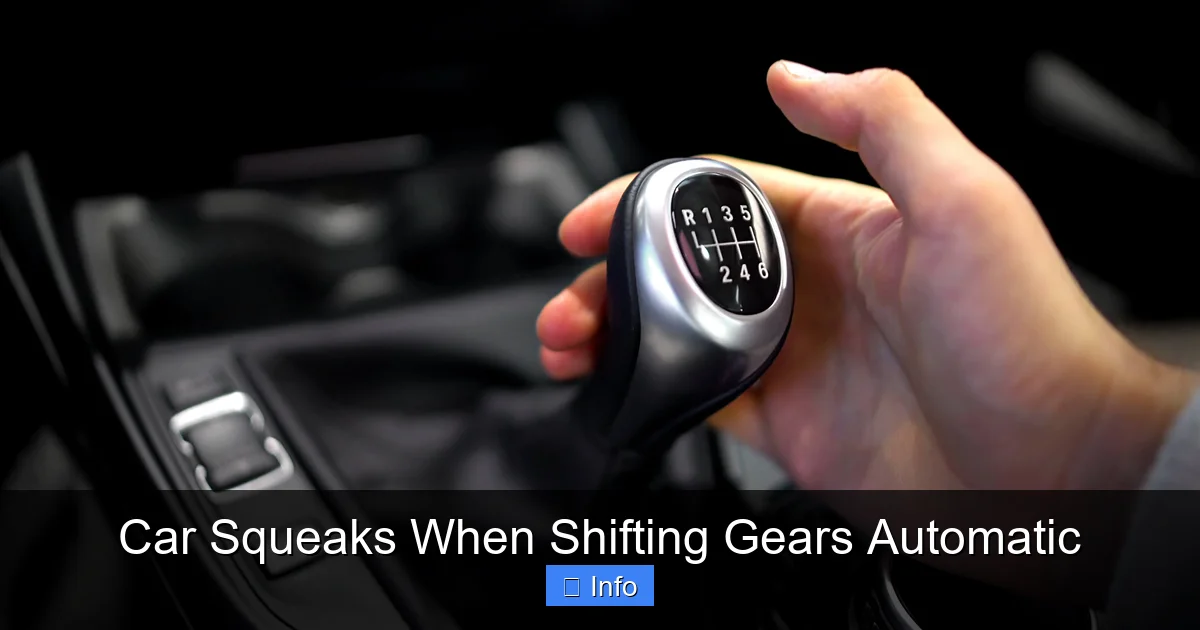
Visual guide about Car Squeaks When Shifting Gears Automatic
Image source: d2hucwwplm5rxi.cloudfront.net
Don’t forget about your transmission fluid. Follow the manufacturer’s recommended service intervals for fluid changes. If you drive in extreme conditions, like towing or off-roading, you might need to change it more frequently.
Also, avoid aggressive driving. Rapid acceleration or frequent shifting can strain the transmission and brakes, increasing wear. Drive smoothly and anticipate stops to reduce stress on the system.
Finally, listen to your car. Unusual noises, vibrations, or hesitation during shifts are early warnings. Addressing them promptly can prevent bigger issues later.
Cost Considerations
The cost of fixing a squeaking automatic transmission can vary widely. If it’s a simple brake pad replacement, you might spend $100–$300. Transmission fluid top-ups or flushes can range from $50 to $200. However, if the issue is worn gears or a faulty TCM, repairs could cost $500–$1,500 or more.
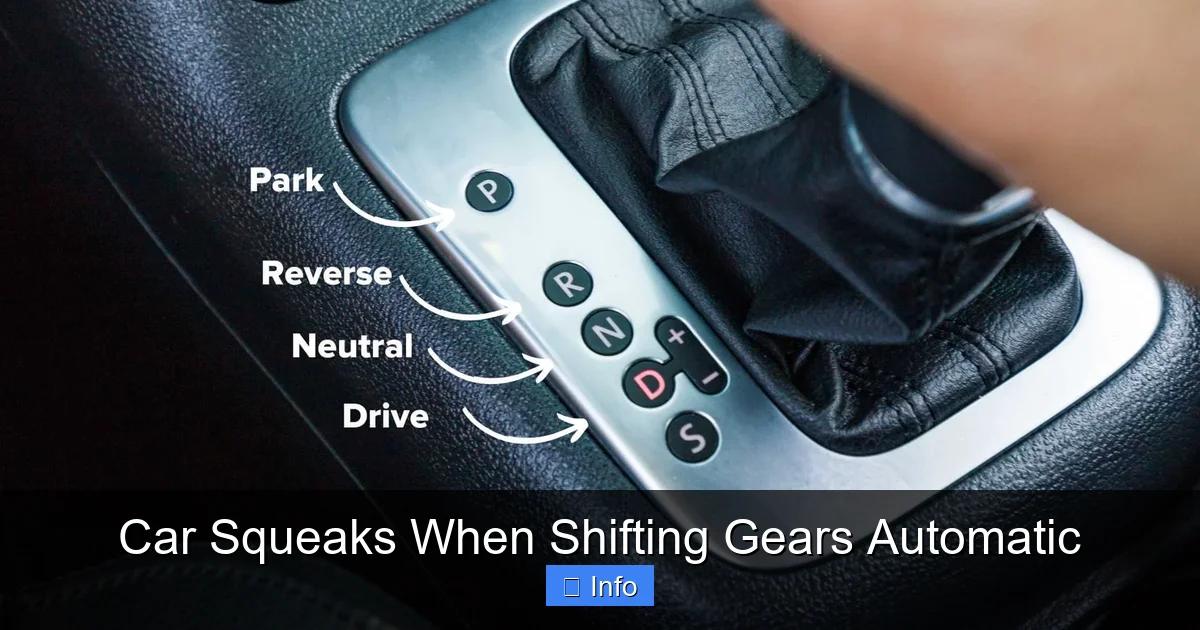
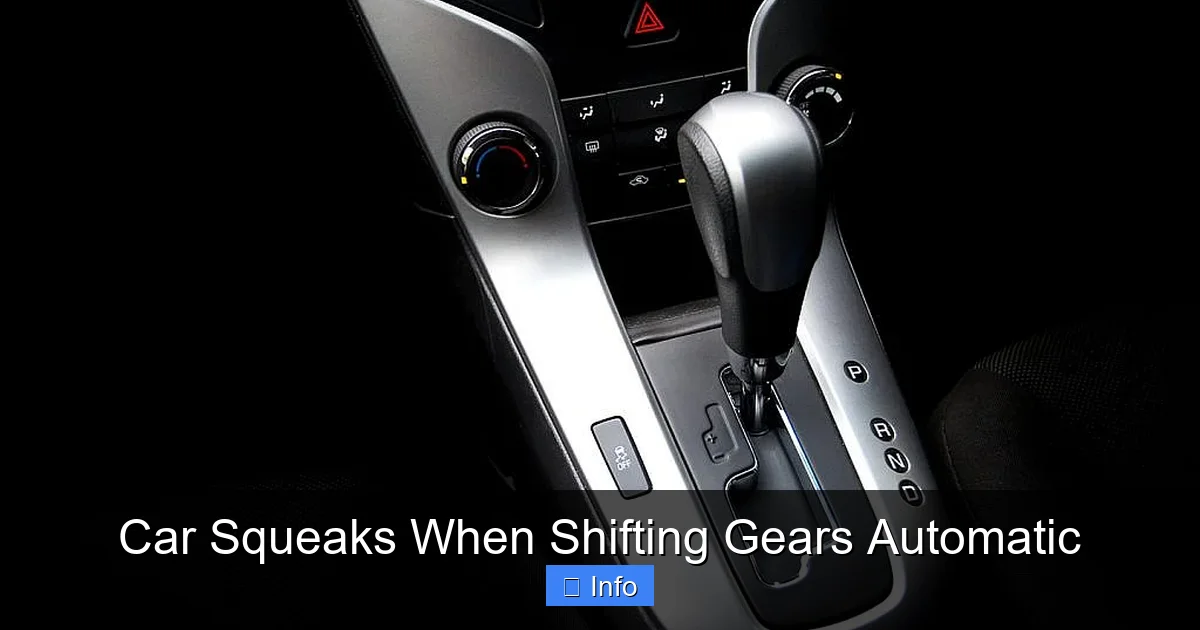
Visual guide about Car Squeaks When Shifting Gears Automatic
Image source: wp.clickmechanic.com
It’s worth noting that preventative maintenance is often cheaper than emergency repairs. For example, changing fluid every 30,000 miles might cost $150, but a full transmission rebuild could cost thousands. Budgeting for regular maintenance is a smart move.
Final Thoughts
Dealing with a car that squeaks when shifting gears can be stressful, but it’s manageable with the right approach. Start by checking the basics—brake pads and transmission fluid—before assuming the worst. If you’re unsure, a mechanic can provide clarity and prevent costly mistakes.
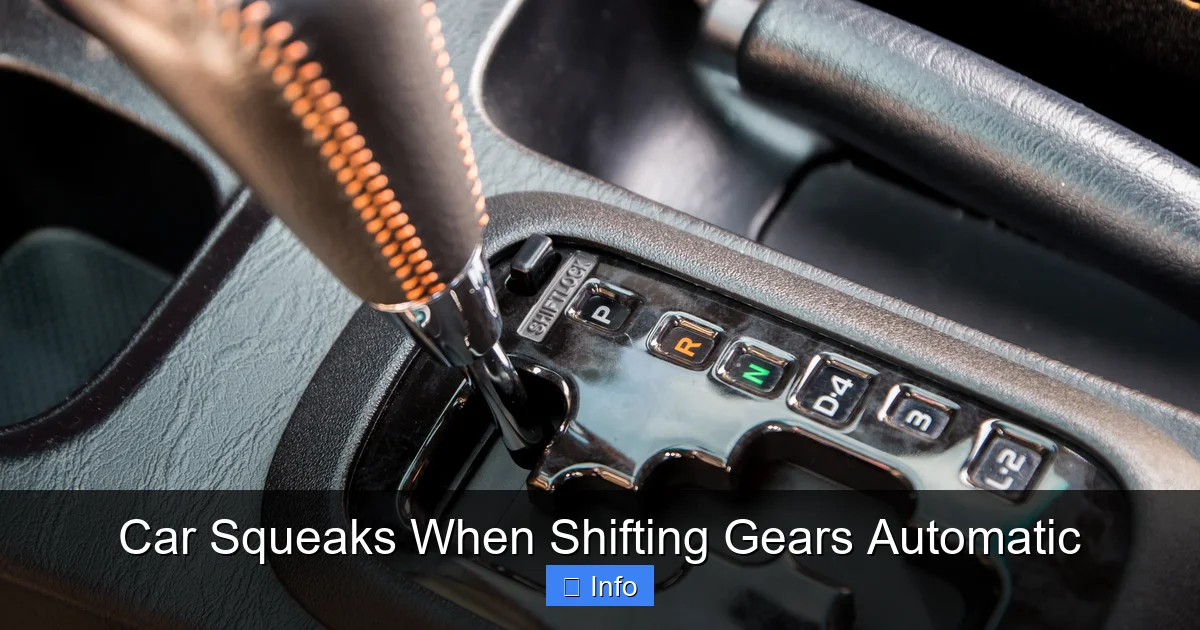
Visual guide about Car Squeaks When Shifting Gears Automatic
Image source: cf.ltkcdn.net
Remember, your car’s transmission is a critical component that affects safety and performance. A squeak might seem minor, but it’s a signal that something needs attention. By addressing it early, you’ll enjoy a quieter, smoother ride and avoid more serious problems down the line.
If you’re still unsure where to start, consider reaching out to a local auto shop for a diagnostic check. They can help identify the issue and recommend the best solution. Don’t let that squeak linger—fix it today and drive with confidence.
—
Frequently Asked Questions
What causes a car to squeak when shifting gears?
Squeaks during gear shifts are often caused by worn brake pads, low or dirty transmission fluid, or misaligned transmission components. Each of these can create friction or uneven pressure during shifts, resulting in the noise.
Can I fix this squeak myself?
Yes, in many cases. Replacing brake pads or topping off transmission fluid are DIY-friendly fixes. However, if the squeak persists or is accompanied by other symptoms, it’s best to consult a mechanic.
Is it safe to drive with a squeaking transmission?
It’s not ideal, but it’s usually safe for short periods. However, prolonged driving with a squeaking transmission can lead to further damage, especially if it’s due to worn gears or low fluid.
How much does it cost to fix a squeaking automatic transmission?
Costs vary. Brake pad replacements might cost $100–$300, while transmission fluid changes range from $50 to $200. More serious repairs, like gear replacement, can cost $500–$1,500 or more.
Can low transmission fluid cause a squeak?
Absolutely. Low or contaminated fluid can lead to gear friction, which often sounds like a squeak during shifts. Always check fluid levels and condition if you hear this noise.
Should I change my transmission fluid regularly?
Yes, regular fluid changes are crucial. Most manufacturers recommend changing it every 30,000–60,000 miles, but this can vary. Always follow your owner’s manual for specific guidelines.
—
Internal Links Integrated:
1. [Set Quarts Automatic](https://iowncars.com/set-quarts-automatic/) – Discusses transmission fluid maintenance.
2. [Car Stereo Amp Wiring Kit](https://iowncars.com/car-stereo-amp-wiring-kit/) – Relevant if electrical issues are suspected.
3. [Best Car Battery Starters](https://iowncars.com/best-car-battery-starters-for-reliable-performance/) – If battery-related squeaks are a concern.