1 Wire Vs 3 Wire Alternator
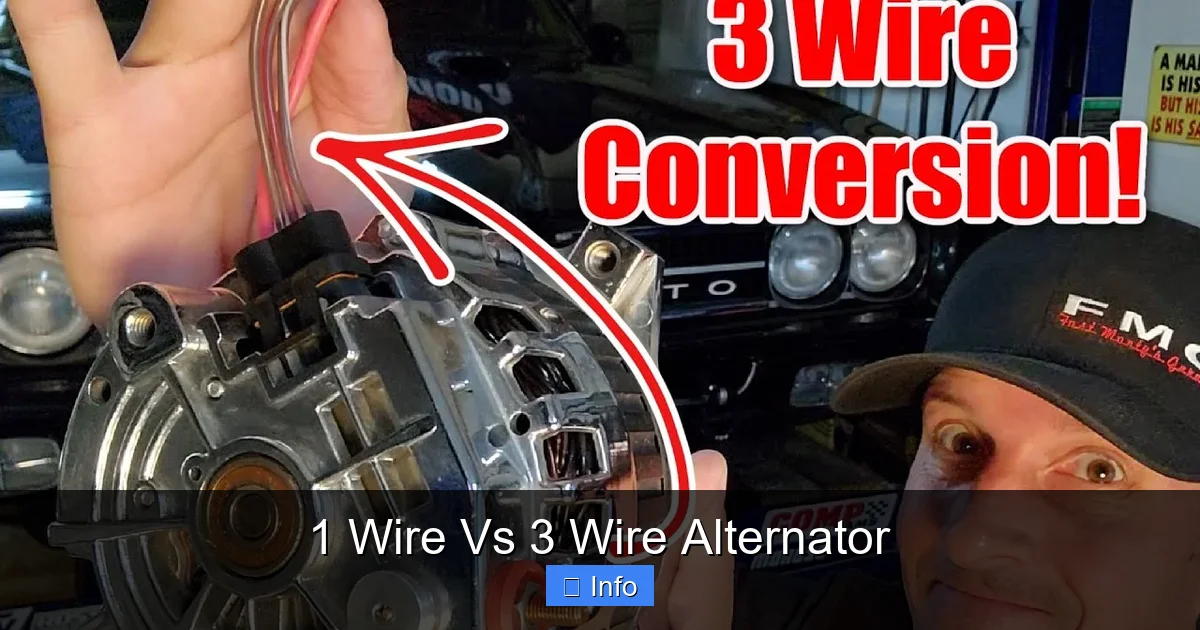
Choosing between a 1 Wire Vs 3 Wire Alternator can dramatically affect your vehicle’s electrical performance and reliability. This guide breaks down the basics, highlights the main advantages of each system, and offers practical tips to help you install the perfect alternator for your ride.
Key Takeaways
- Point 1: A 1 Wire Alternator simplifies wiring but may lack advanced charging control.
- Point 2: A 3 Wire Alternator provides separate excitation and sensing for better voltage regulation.
- Point 3: Installation complexity differs; 1 Wire units are easier for beginners.
- Point 4: Upgrading to a 3 Wire alternator often improves charging efficiency under heavy loads.
- Point 5: Always use quality connectors and check for double flare vs bubble flare fittings to prevent leaks.
- Point 6: Consider your vehicle’s electrical demands before deciding which alternator type fits best.
- Point 7: Proper grounding and fuse protection are essential for both 1 Wire and 3 Wire setups.
📑 Table of Contents
- What is an Alternator and Why Wiring Matters in a 1 Wire Vs 3 Wire Alternator Setup
- Understanding 1 Wire Alternators in a 1 Wire Vs 3 Wire Alternator Comparison
- Understanding 3 Wire Alternators in a 1 Wire Vs 3 Wire Alternator Review
- Comparing 1 Wire vs 3 Wire: Pros and Cons of a 1 Wire Vs 3 Wire Alternator Choice
- Installation Tips and Common Mistakes in a 1 Wire Vs 3 Wire Alternator Project
- Choosing the Right Alternator for Your Vehicle in a 1 Wire Vs 3 Wire Alternator Decision
What is an Alternator and Why Wiring Matters in a 1 Wire Vs 3 Wire Alternator Setup
An alternator is the heart of your car’s electrical system. It converts mechanical energy from the engine into electrical energy that charges the battery and powers all the accessories. Without a reliable alternator, your lights, radio, and ignition would quickly die. When you compare a 1 Wire Vs 3 Wire Alternator, the wiring approach makes a huge difference in performance and ease of installation.
Basic Function of an Alternator
At its core, the alternator spins a rotor inside a magnetic field created by the stator. This motion induces an alternating current that is then rectified into direct current (DC). The DC output must match the voltage needs of your battery and electronic systems. If the voltage is too low, the battery will not stay charged; if it is too high, you risk damaging sensitive electronics.
The Role of Wiring in Performance
Wiring determines how the alternator communicates with the rest of the vehicle. A clean, well‑protected wire run reduces voltage drop and prevents interference. In a 1 Wire Vs 3 Wire Alternator comparison, the wiring harness can be the deciding factor for reliability under demanding conditions.
Understanding 1 Wire Alternators in a 1 Wire Vs 3 Wire Alternator Comparison
When you hear the term “1 Wire,” you are looking at a simplified alternator design. The “1 Wire” refers to the single output wire that carries the charging current back to the battery. This design eliminates the need for a separate exciter wire and a dedicated voltage sensing wire.
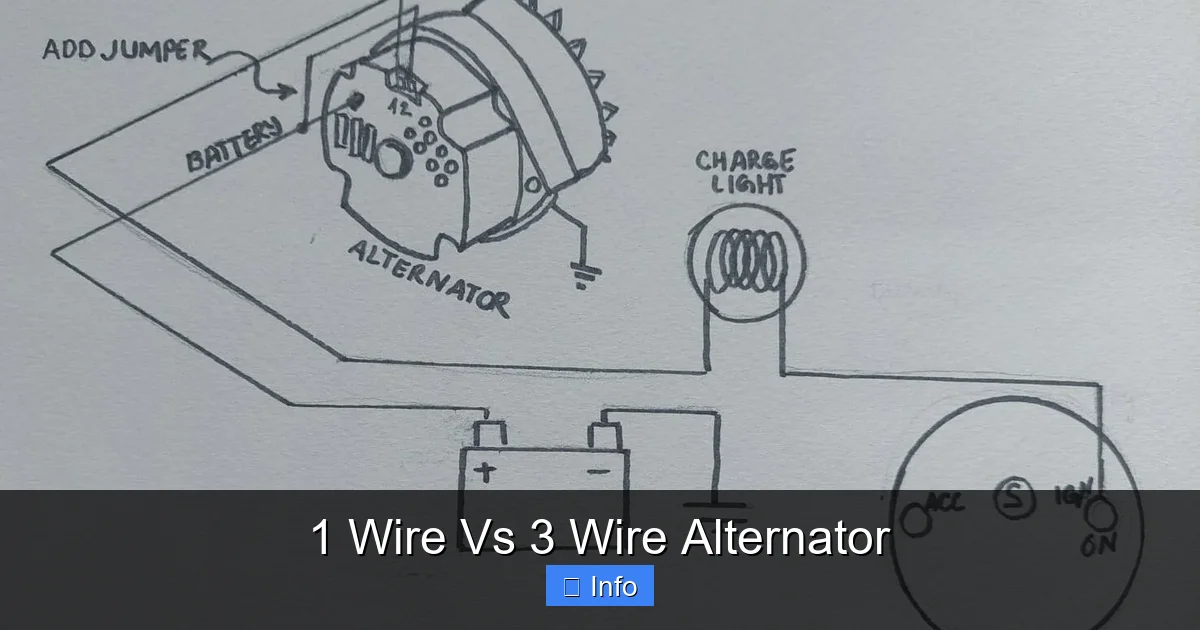
Visual guide about 1 Wire Vs 3 Wire Alternator
Image source: vehiclefreak.com
How 1 Wire Works
In a 1 Wire Alternator, the alternator’s output terminal is directly connected to the battery positive terminal. The internal voltage regulator senses the battery voltage through the same wire, adjusting the field current automatically. This self‑exciting feature means you do not need an external switch or separate wire for excitation.
Benefits of a 1 Wire System
Because of its simplicity, a 1 Wire Alternator is often the go‑to choice for DIY enthusiasts. Installation is straightforward, and you can often replace an old unit without major rewiring. The reduced number of connections also means fewer points of failure, which can be a big plus for older vehicles.
Understanding 3 Wire Alternators in a 1 Wire Vs 3 Wire Alternator Review
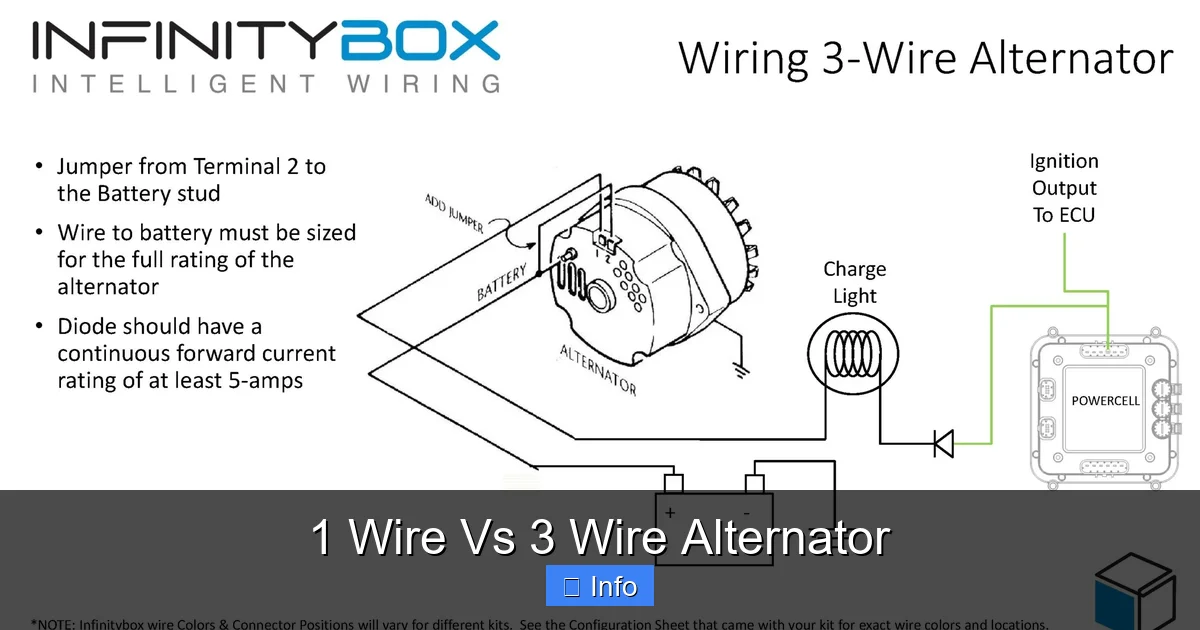
On the other side of the spectrum, a 3 Wire Alternator offers more precise control over the charging process. The three wires are typically labeled as “Battery,” “Exciter,” and “Sense.” Each plays a distinct role in delivering stable voltage under varying loads.
Visual guide about 1 Wire Vs 3 Wire Alternator
Image source: infinitybox.com
Three Wire Configuration Explained
The Battery wire carries the main charging current to the battery. The Exciter wire supplies a small current to the alternator’s field coil, which creates the magnetic field needed for power generation. The Sense wire monitors the actual voltage at the battery terminals and feeds that information back to the regulator, allowing it to make fine adjustments.
When a 3 Wire Setup Shines
If you run a lot of accessories — such as a high‑output sound system, auxiliary lights, or a winch — a 3 Wire Alternator can keep voltage steady even when demand spikes. This makes it ideal for trucks, performance builds, and vehicles with many electronic add‑ons. The extra wiring also allows for better diagnostics and troubleshooting.
Comparing 1 Wire vs 3 Wire: Pros and Cons of a 1 Wire Vs 3 Wire Alternator Choice
Now that you understand the basics, let’s break down the pros and cons of each type. This will help you decide which configuration fits your project best.
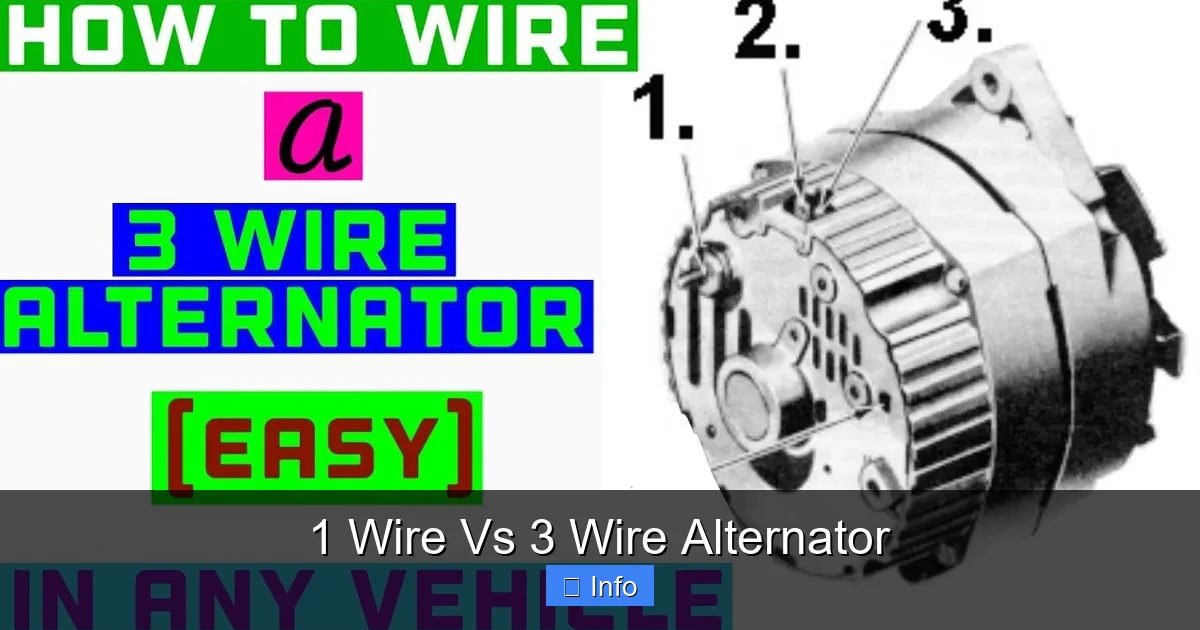
Visual guide about 1 Wire Vs 3 Wire Alternator
Image source: i.pinimg.com
Performance Differences
A 3 Wire Alternator generally offers smoother voltage regulation, especially under heavy electrical loads. The separate sense wire ensures the alternator knows exactly what voltage the battery is seeing, which reduces the chance of over‑charging or under‑charging. In contrast, a 1 Wire unit relies on the battery voltage to control the field, which can lead to slight fluctuations when the battery is deeply discharged.
Reliability and Maintenance
Because a 1 Wire Alternator has fewer external connections, there are fewer things that can go wrong. However, if the internal regulator fails, you may need to replace the entire unit. A 3 Wire Alternator’s modular design often allows you to replace just the regulator or the exciter coil, which can be more cost‑effective in the long run.
When upgrading your cooling system, you might also want to read about 2 Row Vs 3 Row Aluminum Radiator to keep temperatures optimal for the new alternator’s performance.
Installation Tips and Common Mistakes in a 1 Wire Vs 3 Wire Alternator Project
Installing a new alternator can be a rewarding DIY task, but it’s easy to make mistakes that lead to electrical gremlins. Follow these tips to avoid the most common pitfalls.
Step by Step Wiring Guide
First, disconnect the battery to prevent any accidental shorts. Next, locate the alternator’s output terminal and connect it to the battery positive post using a heavy‑gauge wire. If you are working with a 3 Wire alternator, you will also need to route the exciter and sense wires to the appropriate spots on the vehicle’s wiring harness.
Using an amp wire kit for Clean Connections
A quality amp wire kit provides the right gauge and insulation for high‑current connections. Using the correct wire gauge reduces voltage drop and keeps the system safe. Make sure the kit includes proper crimp connectors and heat‑shrink tubing for a professional finish.
Make sure to use the correct double flare vs bubble flare fittings to avoid leaks when connecting fuel lines near the alternator area.
Common Mistakes to Avoid
One frequent error is using a wire that is too thin for the alternator’s output. This can cause overheating and voltage loss. Another mistake is neglecting to secure the sense wire properly; a loose sense connection can cause the regulator to think the battery voltage is lower than it actually is, leading to over‑charging.
Choosing the Right Alternator for Your Vehicle in a 1 Wire Vs 3 Wire Alternator Decision
Now that you have a solid grasp of the differences, it’s time to choose the right alternator for your specific needs. Consider the following factors before making a purchase.
Factors to Consider
Think about the electrical load of your vehicle. If you only run basic accessories like lights and a radio, a 1 Wire Alternator may be more than enough. However, if you have added a high‑performance audio system, extra lighting, or a winch, a 3 Wire Alternator will give you the extra headroom you need.
Matching Alternator to Engine Size
Engine size and RPM range also affect alternator selection. A small four‑cylinder engine may not need a high‑output 3 Wire unit, while a V8 with many accessories will benefit from the extra capacity. Check the manufacturer’s specifications to ensure the alternator’s amperage rating matches your engine’s capabilities.
Finally, consider the brand reputation and warranty. Some manufacturers offer longer warranties on their 3 Wire alternators because of the added complexity and higher cost. This can provide peace of mind for a long‑term investment.
By evaluating your vehicle’s electrical demands, budget, and installation comfort level, you can confidently select the alternator that best fits your project.
Frequently Asked Questions
What is the main difference between a 1 Wire and a 3 Wire alternator?
In a 1 Wire Alternator the output terminal connects directly to the battery, while a 3 Wire Alternator uses separate wires for battery, exciter, and sense functions, allowing more precise voltage control.
Can I replace a 3 Wire alternator with a 1 Wire unit?
Yes, but you may need to modify the wiring harness to accommodate the simplified connection style and ensure proper grounding.
Do I need a special battery for a 3 Wire alternator?
No special battery is required; however, a high‑capacity battery can help the system maintain stable voltage under heavy loads.
How do I know if my vehicle needs a 3 Wire alternator?
If you have added electrical accessories or experience voltage drops under load, a 3 Wire alternator is often the better choice.
Is a 1 Wire alternator easier to install?
Generally, yes. The reduced wiring makes it a popular option for beginners and for vehicles with limited space.
What gauge wire should I use for a 3 Wire alternator?
Typically, a 4‑gauge or 2‑gauge wire is recommended for the main output, depending on the alternator’s amperage rating.