How Much Is Title for a Car
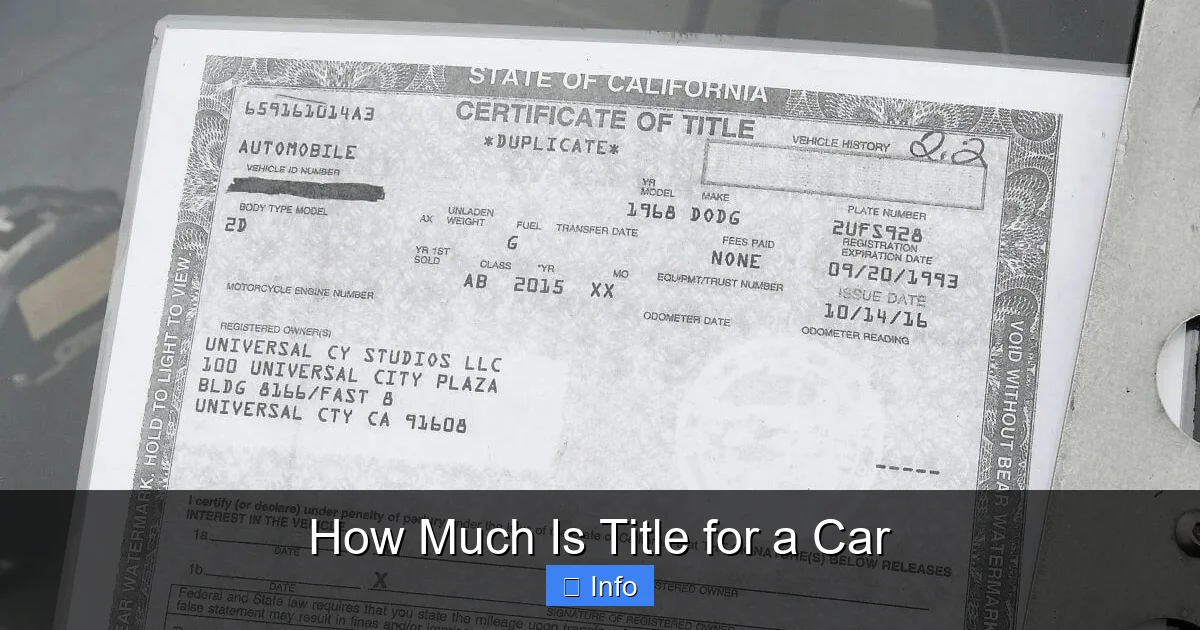
Getting a car title isn’t just a paperwork step—it can cost you money. This guide breaks down the average price, state‑by‑state variations, and smart ways to keep the expense low. Read on to know exactly how much is title for a car and what you need to do.
Key Takeaways
- Average cost: Most states charge $15‑$50 for a standard title, but fees can rise with special plates or late filings.
- State differences: Some states bundle title fees with registration; others treat them separately.
- Late fees matter: Missing the deadline can add $10‑$100 to your bill.
- Dealer vs. private: Buying from a dealer often includes the title fee in the paperwork, while private sales require you to handle it.
- Tips to save: Use online services, apply early, and check for fee waivers if you qualify for veterans or senior discounts.
- Replacement titles: Expect an extra $10‑$30 if you lose the original.
- Related costs: Remember sales tax, registration, and insurance also affect the total out‑of‑pocket amount.
📑 Table of Contents
- Introduction: Why the Title Cost Matters
- What Exactly Is a Car Title?
- Typical Title Fees Across the United States
- How to Get a Title When Buying a Car
- Factors That Influence the Final Cost
- Tips to Reduce Title Costs
- Real‑World Example: Calculating the Total Cost
- When to Expect Higher Costs
- Conclusion: Know the Cost, Save the Stress
Introduction: Why the Title Cost Matters
When you buy a car, the excitement of getting the keys can be dampened by a small but important expense: the title fee. A title is the legal document that proves you own the vehicle. Without it, you can’t register the car, sell it later, or even get insurance in some states. Knowing how much is title for a Car helps you avoid surprises at the DMV and plan your budget accurately.
Many first‑time buyers think the title fee is the same everywhere. In reality, each state sets its own price, and additional factors—like special plates, late filing, or a lost title—can change the amount you pay. This article walks you through the basics, shows you typical costs, and gives practical tips to keep the price low.
What Exactly Is a Car Title?
Legal proof of ownership
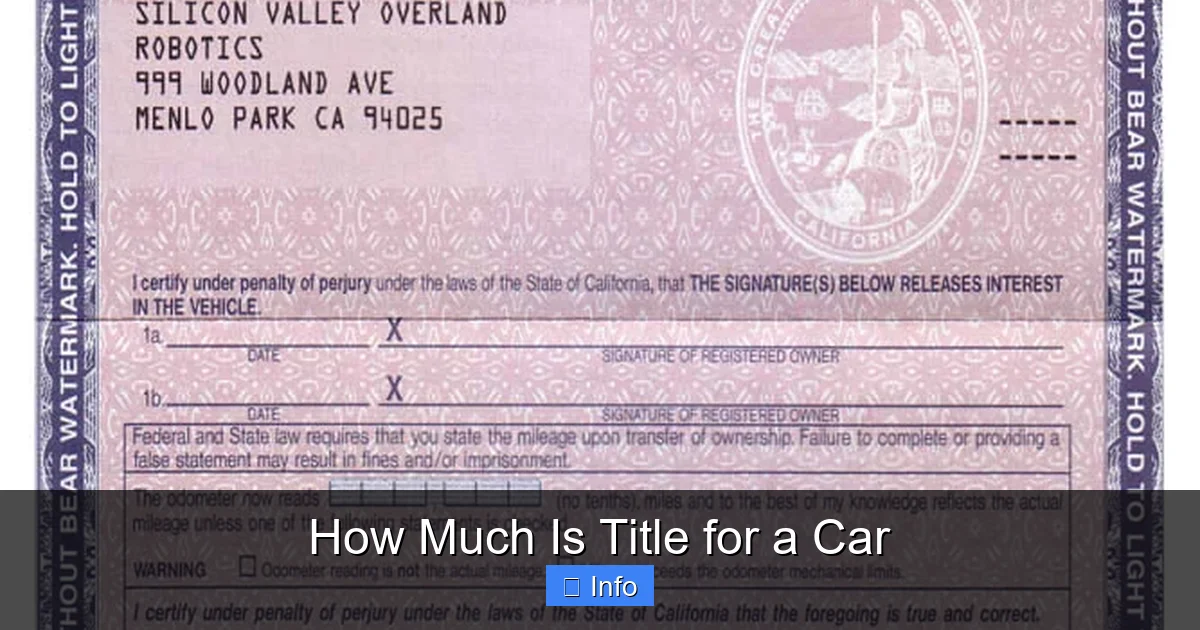
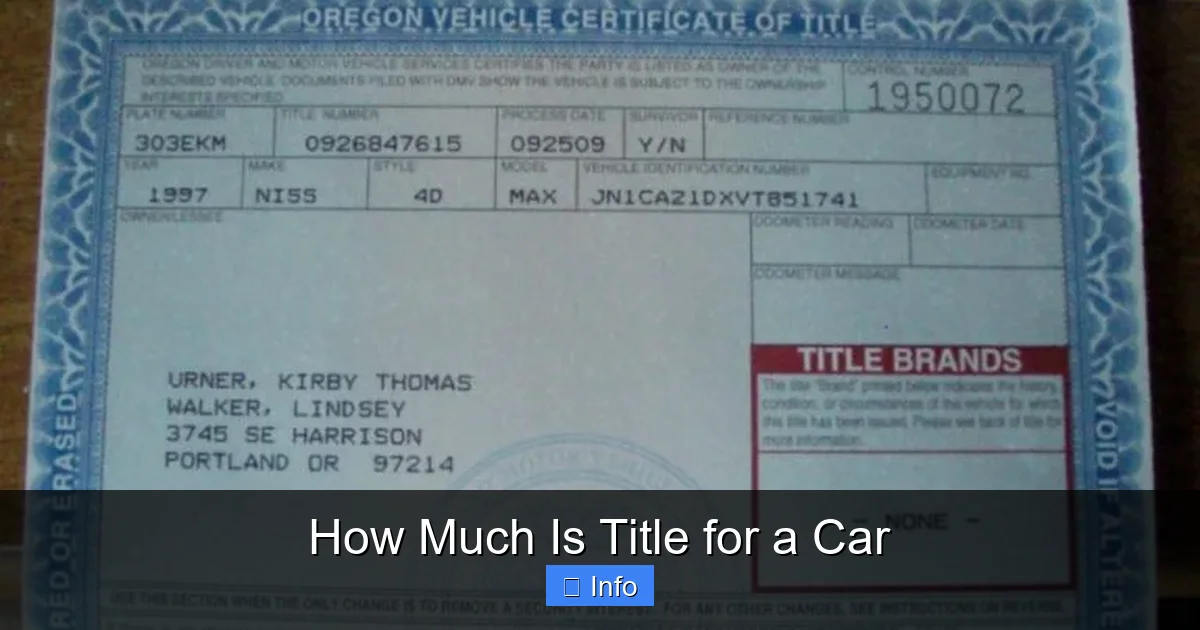
A car title is a paper (or electronic) record that links a vehicle’s VIN to its owner. It lists the make, model, year, and any liens. When you sell the car, you sign the title over to the buyer.
Visual guide about How Much Is Title for a Car
Image source: d3vl3jxeh4ou3u.cloudfront.net
Title vs. registration
Don’t confuse a title with registration. Registration lets you drive legally on public roads and usually requires a separate fee and a license plate. The title stays with you as a permanent record of ownership.
Electronic titles
Some states now use electronic titles (e‑titles). The process is faster, but you may still pay a small processing charge. The cost is usually similar to a paper title.
Typical Title Fees Across the United States
National average
Across the country, the average title fee sits between $15 and $50. This range covers most standard passenger vehicles without special requests.
Visual guide about How Much Is Title for a Car
Image source: a1rvbuyer.com
Examples of state fees
- California: $20 for a standard title, plus a $5 processing fee.
- Texas: $33 for a regular title; $28 for a duplicate.
- Florida: $77.25 for a new title, reflecting higher administrative costs.
- New York: $50 for a standard title, with an extra $10 for expedited service.
- Illinois: $150 for a standard title, one of the higher fees because it includes a state tax component.
Special circumstances that raise the price
Specialty plates (e.g., vanity or historic plates) can add $10‑$100. Late filings often incur a $10‑$100 penalty, depending on how overdue the paperwork is. If a lienholder is listed, there may be a small lien recording fee.
How to Get a Title When Buying a Car
Buying from a dealer
Dealers usually handle the title paperwork for you. They will collect the title fee and add it to the purchase price or include it in the financing contract. This is convenient but can hide the exact cost. Always ask the dealer for a breakdown.
Visual guide about How Much Is Title for a Car
Image source: vehiclefreak.com
Buying from a private seller
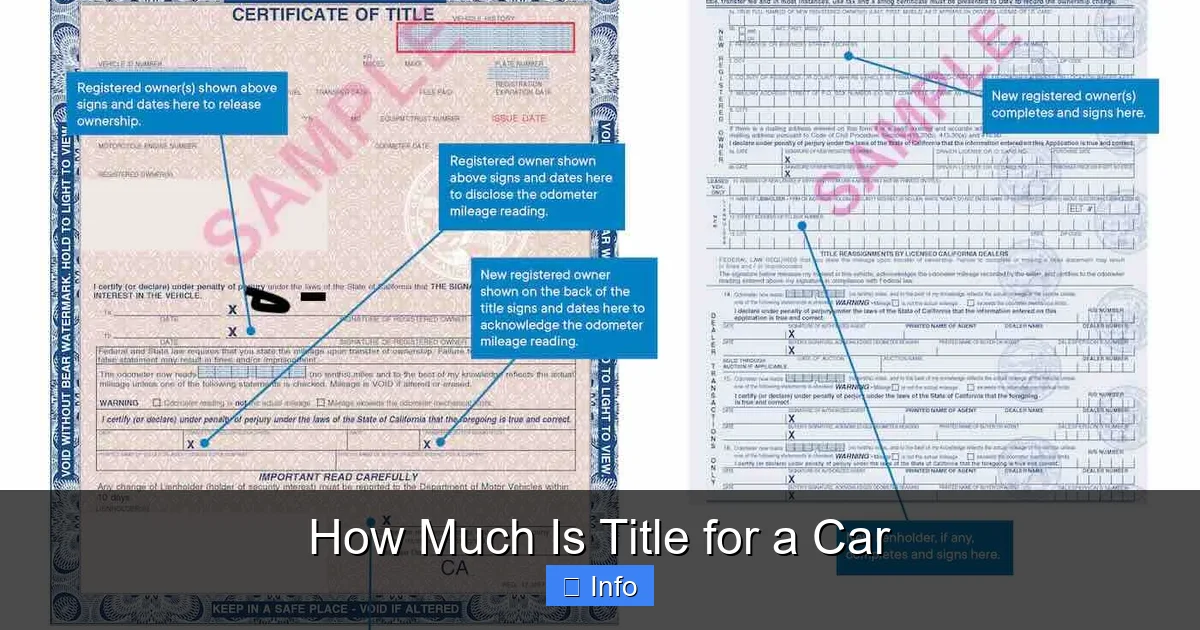
When you buy from a private party, you are responsible for transferring the title. The steps are:
- Obtain the signed title from the seller.
- Complete the bill of sale.
- Visit your local DMV (or use an online portal) to submit the transfer.
- Pay the title fee, any applicable sales tax, and registration.
Many states offer an online title transfer service that can save you time and a small processing fee.
Replacing a lost or damaged title
If you misplace the original, you’ll need to request a duplicate. Expect to pay an additional $10‑$30 plus any processing charge. Some states allow you to order the duplicate online, which speeds up the process.
Factors That Influence the Final Cost
State-specific taxes and fees
Some states bundle the title fee with sales tax or registration. For example, in California, you’ll also encounter how much is sales tax for a car in California, which can be a significant addition to the overall cost.
Vehicle type and age
Heavy trucks, motorcycles, and classic cars often have higher title fees. Older vehicles may qualify for reduced fees in certain states.
Special plates and personalized numbers
Choosing a vanity plate can add $25‑$100 to your title cost. Check your state’s DMV website for exact pricing.
Late filing penalties
If you miss the deadline for transferring the title after purchase, most DMVs charge a flat late fee plus interest on the unpaid amount. Acting quickly can avoid these extra dollars.
Tips to Reduce Title Costs
Use online services
Many states now let you complete the title transfer online. This often reduces the processing fee by $5‑$10 and eliminates the need for a DMV visit.
Apply early
Submitting the title paperwork within the first 10‑15 days after purchase typically avoids late fees. Some DMVs even offer a small discount for early filing.
Check for exemptions
Veterans, seniors, and low‑income residents may qualify for fee waivers or reductions. Call your local DMV to ask about eligibility.
Bundle services
If you need registration, plates, and title all at once, ask the DMV if they offer a bundled discount. This is more common in states with high administrative costs.
Consider dealer assistance
While dealers add the title fee to the purchase price, they often have relationships that can speed up processing. If you’re buying from a dealer, ask if the title fee is included or if there’s a separate line item.
Real‑World Example: Calculating the Total Cost
Imagine you’re buying a used 2018 Toyota Corolla for $15,000 in Texas. Here’s a quick breakdown:
- Vehicle price: $15,000
- Texas title fee (standard): $33
- Sales tax (6.25%): $937.50
- Registration fee: $150
- Late fee (if filed after 30 days): $0 (you file early)
- Total out‑of‑pocket: $15, +$33 + $937.50 + $150 = $16,120.50
This example shows that while the title fee is modest, it’s part of a larger picture. For a full cost calculator, try how much is my car worth calculator to see how title fees fit into your budget.
When to Expect Higher Costs
Luxury and exotic vehicles
High‑value cars often attract higher title fees because the state may assess a larger lien recording charge. For instance, a brand‑new Aston Martin can have title-related fees that exceed $100 when combined with other taxes. Read more about how much is a Aston Martin car for context.
Out‑of‑state purchases
If you buy a car in one state and register it in another, you’ll pay the title fee of the registration state, plus any out‑of‑state processing fees. Plan ahead to avoid double charges.
Rebuilding a salvaged title
Cars with a “salvage” or “rebuilt” title often require extra paperwork and higher fees, sometimes up to $150, because the state wants to ensure the vehicle is road‑worthy.
Conclusion: Know the Cost, Save the Stress
Understanding how much is title for a Car helps you budget accurately and avoid nasty surprises at the DMV. The average fee is modest, but state variations, special plates, and late filings can push the price higher. By using online services, filing early, and checking for exemptions, you can keep the cost low.
Remember, the title is just one piece of the puzzle. Combine it with sales tax, registration, and insurance to see the true cost of ownership. With the right knowledge, you’ll drive off the lot confident that you’ve covered every financial box.
Frequently Asked Questions
What is the average cost of a car title?
The average title fee in the United States ranges from $15 to $50 for a standard passenger vehicle, though some states may charge more.
Do dealer‑sold cars include the title fee?
Most dealers bundle the title fee into the purchase paperwork, but it’s wise to ask for a line‑item breakdown so you know exactly what you’re paying.
How much does a duplicate title cost?
Replacing a lost or damaged title typically costs $10‑$30 plus any processing fee, and many states allow you to order it online.
Can I get a title fee waiver?
Yes, some states offer fee reductions or waivers for veterans, seniors, or low‑income residents. Check with your local DMV for eligibility.
Will a late title transfer increase my cost?
Most DMVs charge a late fee ranging from $10 to $100 if you miss the filing deadline, so submit the paperwork as soon as possible.
How does a car’s value affect the title fee?
Generally, the vehicle’s value does not directly affect the title fee, but luxury or high‑value cars may incur additional lien or processing charges.