How to Use a Self Recovery Mood on Jeep
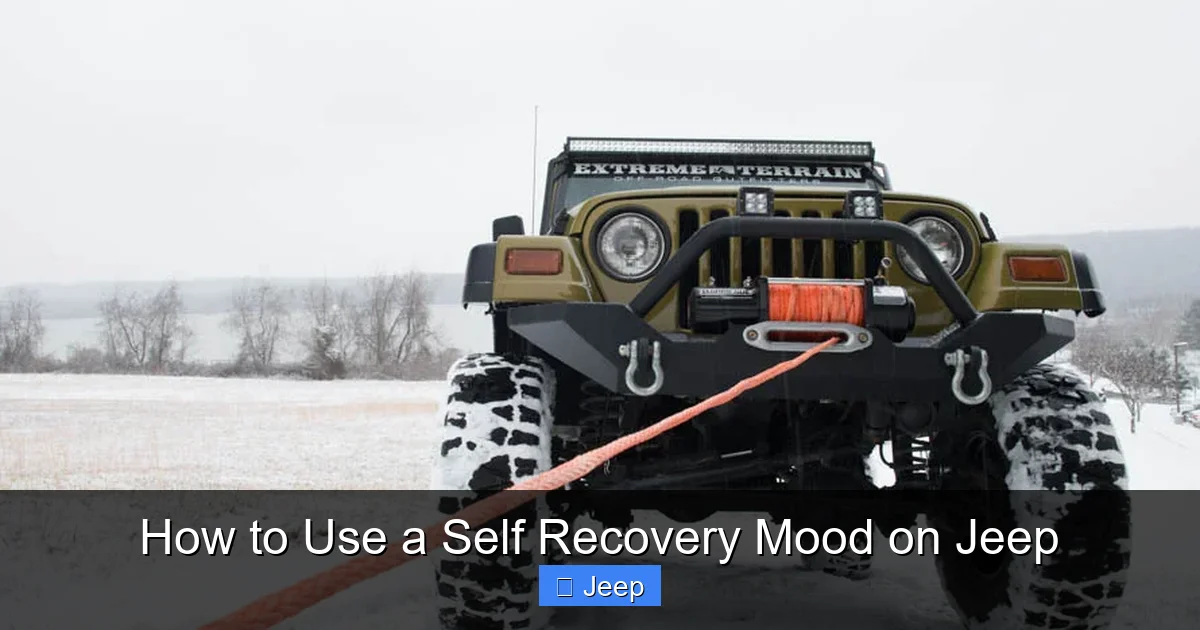
Mastering your self recovery mood on a Jeep starts with simple adjustments that transform everyday drives into positive experiences. From using the drop-down tailgate table to controlling climate settings, small features make big differences in how you feel. Follow these steps to find peace and joy on every journey.
There’s something uniquely grounding about sitting in a rugged Jeep. When you hit the open road, whether you’re cruising through mountain passes or navigating busy city streets, you want more than just performance—you want a way to reset your mind and lift your spirits. This is where the concept of a self recovery mood comes in. Think of it as giving yourself permission to pause, breathe, and feel better before you keep moving forward. For many Jeep owners, this might mean finding quiet corners, warming up with comfort, or simply having tools at their fingertips that turn a stressful drive into a calming experience. Today, we’re diving into practical ways to tap into that mood-boosting potential right from your Jeep’s cockpit.
Key Takeaways
- Point 1: The drop-down tailgate table instantly creates a cozy, private space that boosts relaxation after long drives.
- Point 2: Smart use of climate controls helps regulate your body temperature and reduces travel-related stress.
- Point 3: Passenger screen functionality lets you stay connected with loved ones without losing focus on the road.
- Point 4: Manual power window operation gives you precise control, especially during low-visibility conditions.
- Point 5: Enhanced lighting options improve safety and create a warm atmosphere inside your Jeep.
- Point 6: Understanding your vehicle’s self-recovery features empowers you to manage both mechanical and emotional well-being.
📑 Table of Contents
- The Psychology Behind Your Self Recovery Mood
- Using the Drop-Down Tailgate Table for Instant Comfort
- Climate Control as Emotional Regulation
- Leveraging Passenger Screen Functions for Connection Without Distraction
- Manual Power Window Operation for Precision
- Enhancing Lighting and Visibility for a Safer, Happier Drive
The Psychology Behind Your Self Recovery Mood
Your mental state can dramatically affect how you interact with your vehicle. When you spend hours on rough terrain or during long highway stretches, fatigue and tension build up. But your Jeep isn’t just a machine—it’s a tool for emotional regulation. Research shows that controlling environmental factors like temperature, light, and privacy can significantly reduce stress hormones. The moment you pull into a rest stop or your home garage, your brain gets signals that it’s time to relax. These small moments add up. Instead of fighting exhaustion head-on, learn to collaborate with your Jeep to restore balance. A comfortable seat adjustment, a cup of coffee in front of you, or simply closing the tailgate to block out noise—these tiny actions tell your nervous system that it’s safe to unwind. Over time, you’ll notice that driving becomes less draining and more restorative because your vehicle supports your well-being rather than demanding everything from you.
Using the Drop-Down Tailgate Table for Instant Comfort
The drop-down tailgate table on models like the Jeep Wrangler and other compact Jeeps is more than just storage—it’s a mini sanctuary. After hours of exposure to wind, dust, and cold temperatures, there’s nothing better than a place to retreat. When you lower the tailgate completely, you create an enclosed pocket of personal space that feels almost like a mobile room. Imagine arriving at a campsite after a long day of hiking; slide the tailgate down, set up your chair, and enjoy the quiet. The table provides a stable surface for books, snacks, or even a portable charger. It also adds height, making you feel more elevated and confident. Try this trick next time: whenever you finish a particularly grueling segment of a drive, simply close the tailgate and step inside. The enclosed environment will lower your cortisol levels and give your brain a signal that it’s time to recharge. Pair this with a soft drink or some music, and watch how quickly tension melts away.
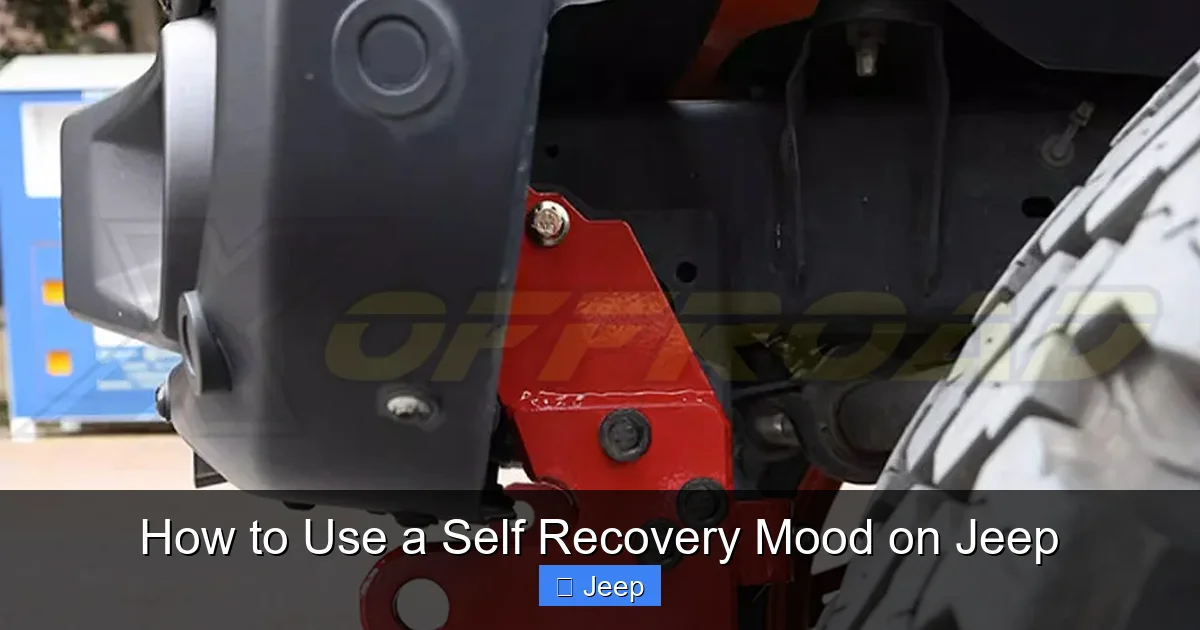
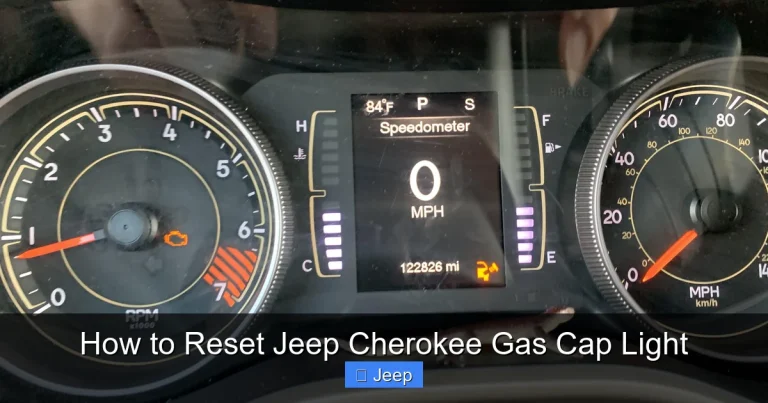
Visual guide about How to Use a Self Recovery Mood on Jeep
Image source: photos.xoffroad.world
Climate Control as Emotional Regulation
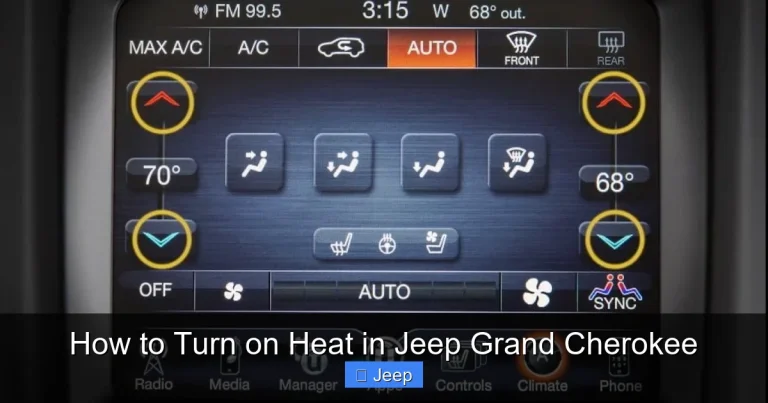
Temperature control is one of the most effective self recovery tools available. Your Jeep’s climate system isn’t just about comfort—it’s about managing your physiological state. When you’re stuck in traffic or waiting at a scenic overlook, sweating or shivering can amplify frustration. By adjusting the cabin temperature to your preference, you directly influence your mood. A comfortably warm cabin prevents that sticky heat buildup that leads to irritability. Conversely, a cool airflow keeps you alert without becoming uncomfortable. Many drivers discover they reach peak productivity and happiness when they’ve tuned their thermostat correctly. Set it once, then stick with it until the weather changes. Experiment with different fan speeds and airflow directions to find what makes you feel most at ease. Remember, the goal isn’t perfect comfort—it’s consistent, predictable warmth or cooling that eliminates surprises. This reliability is a form of emotional stability you can carry into work meetings or family conversations later in the day.
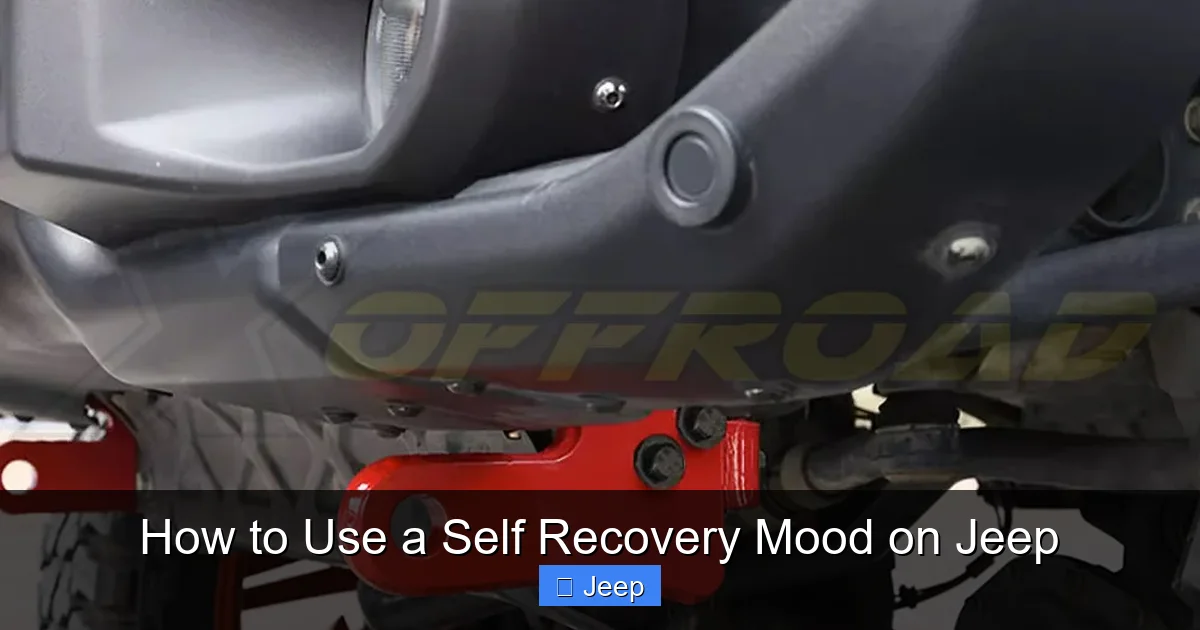
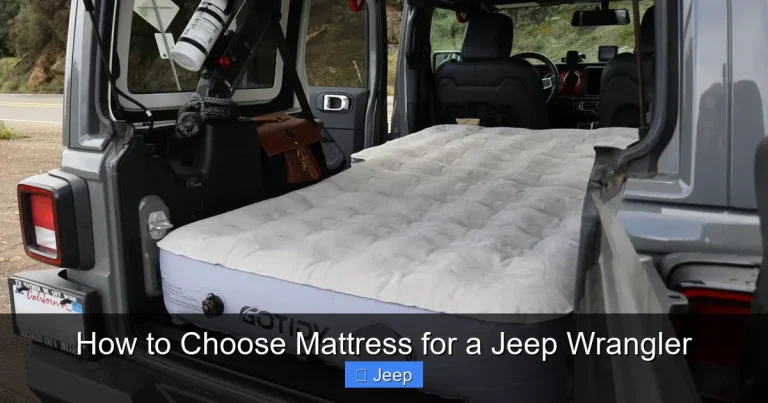
Visual guide about How to Use a Self Recovery Mood on Jeep
Image source: photos.xoffroad.world
Leveraging Passenger Screen Functions for Connection Without Distraction
Modern Jeeps come equipped with clever passenger screen systems that let you stay in touch with home, friends, or pets. Whether it’s controlling side mirrors remotely or managing rearview camera displays, these functions are designed to bring peace of mind. Place your phone or tablet on the passenger console and activate the screen features to check messages while keeping your eyes forward. This technology works wonders for reducing anxiety about leaving children or pets alone outside. With voice commands, you can say “play music” or “adjust mirror angle” without taking your hands off the wheel. The result is a calm driver who doesn’t worry about missing calls or notifications. Try setting up a favorite playlist or podcast before you leave the house so your entertainment is ready. Then, as soon as you sit back, you can focus entirely on the road ahead while still feeling connected to those people who matter most.

Visual guide about How to Use a Self Recovery Mood on Jeep
Image source: avisarecovery.com
Manual Power Window Operation for Precision
The world has moved toward self-driving assistants, but sometimes manual control wins. Regularly operating power windows by hand gives you direct feedback about each movement. There’s satisfaction in turning a knob and watching the glass glide smoothly—a tactile confirmation that everything is working correctly. This control is especially valuable in unexpected situations. If a window gets stuck due to ice or debris, manual operation provides a backup solution you can rely on. It also builds familiarity with your vehicle’s mechanisms, increasing your overall confidence behind the wheel. Practice this skill by programming your favorite window positions before you depart. When you arrive, adjust them the way you prefer instead of relying on the default auto-presets. The difference is subtle but meaningful—notice how much more relaxed you feel knowing each slider moves exactly how you want it to.
Enhancing Lighting and Visibility for a Safer, Happier Drive
Light has a powerful effect on mood. Bright, harsh lighting can feel overwhelming, while warm tones create a welcoming atmosphere. Most Jeeps offer multiple lighting settings, from bright white LEDs to soft amber tones. Adjusting these settings can shift your entire driving experience. During nighttime camping trips, switch to warmer interior lights to relax after being exposed to harsh sunlight. In cloudy morning commutes, enable the high-intensity mode to cut through gloom. Some models allow you to dim exterior lights slightly for better visibility without sacrificing brightness. A gentle glow from your dashboard or exterior strips can transform a scary dark hill into an inviting path. Invest time in cleaning your windshield wipers and checking bulb coverage regularly. Clear vision means fewer accidents and a calmer mind. When you trust your visibility, stress decreases, and self recovery happens naturally along the way.
By integrating these features into your daily routine, you’re building a toolkit that supports your mental health. Every time you adjust the tailgate, set the climate, or engage with your passenger screen, you’re making conscious choices that nurture your well-being. Your Jeep becomes more than a transportation device—it becomes a partner in your emotional resilience. So next time you get behind the wheel, take a moment to appreciate these small yet powerful capabilities. They’re waiting to help you recover, refocus, and smile again.
Frequently Asked Questions
Question?
What is the best way to create a relaxing mood in my Jeep after a long drive?
Start by lowering the drop-down tailgate table to create a private space, set the climate control to a comfortable temperature, and dim the interior lights. These simple steps will help you transition from travel mode to rest mode quickly.
Question?
Can I manually roll up the power windows in my Jeep?
Yes, most Jeep models allow you to operate power windows manually via the physical buttons on the steering column or center console. This gives you full control regardless of how advanced your autopilot settings are.
Question?
Does using the passenger screen actually help with my self recovery mood?
Absolutely. The passenger screen lets you monitor important information without looking away from the road, which reduces anxiety and keeps you present. Voice commands can further streamline this process, allowing you to stay connected while remaining focused.
Question?
Which Jeep models have the self recovery mood features mentioned?
These features—drop-down tailgate tables, passenger screens, climate controls, and manual power window operations—are found across several Jeep lineups, including Wranglers, Grand Cherokees, and Cherokee models. Always consult your owner’s manual for model-specific details.
Question?
How does climate control contribute to my emotional well-being?
Proper temperature regulation stabilizes your body’s internal state, preventing the irritability that comes from overheating or chilling. Consistent comfort reduces stress hormones, helping you approach your destination with a clearer, happier mindset.
Question?
Is manual window operation safer than automatic?
In certain situations—such as extreme weather, low visibility, or when you need precise positioning—manual operation provides greater reliability. Automatic windows can sometimes delay response or fail in adverse conditions, making hands-on control a wise choice for self recovery during challenging drives.