How to Prevent Jeep Leaf Spring Corrosion
Jeep leaf spring corrosion is a common problem that can ruin your suspension. You can stop rust by cleaning your springs regularly and applying protective coatings. Keeping your Jeep dry and well-maintained will save you money on expensive repairs.
How to Prevent Jeep Leaf Spring Corrosion
Jeep owners love hitting the trails. Off-roading is a fantastic hobby. It gets your blood pumping. It makes you feel alive. But off-roading brings dirt. It also brings mud. And it brings water. Water is the absolute enemy of metal. Jeep leaf spring corrosion is a very big problem for many drivers. It can ruin your suspension system completely. You do not want a broken suspension. A broken spring is very dangerous. It can cause a terrible accident on the road. So, you must protect your springs. This guide will show you exactly how. It is very simple to follow. You just need to do a few basic steps. Let us get started right now.
Key Takeaways
- Regular Cleaning: Wash your Jeep often to remove salt and dirt.
- Protective Coatings: Use undercoating sprays to seal out moisture.
- Rubber Care: Lubricate rubber insulators to prevent them from drying out.
- Immediate Drying: Always dry your springs after driving through water.
- Professional Help: Know when to ask a mechanic for severe rust damage.
📑 Table of Contents
Understanding Jeep Leaf Spring Corrosion
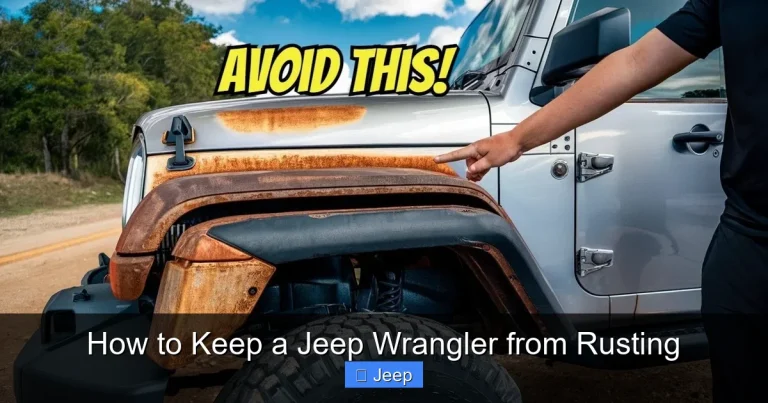
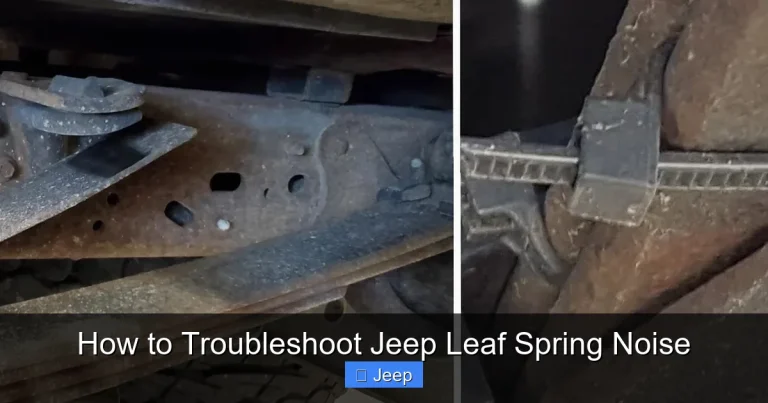
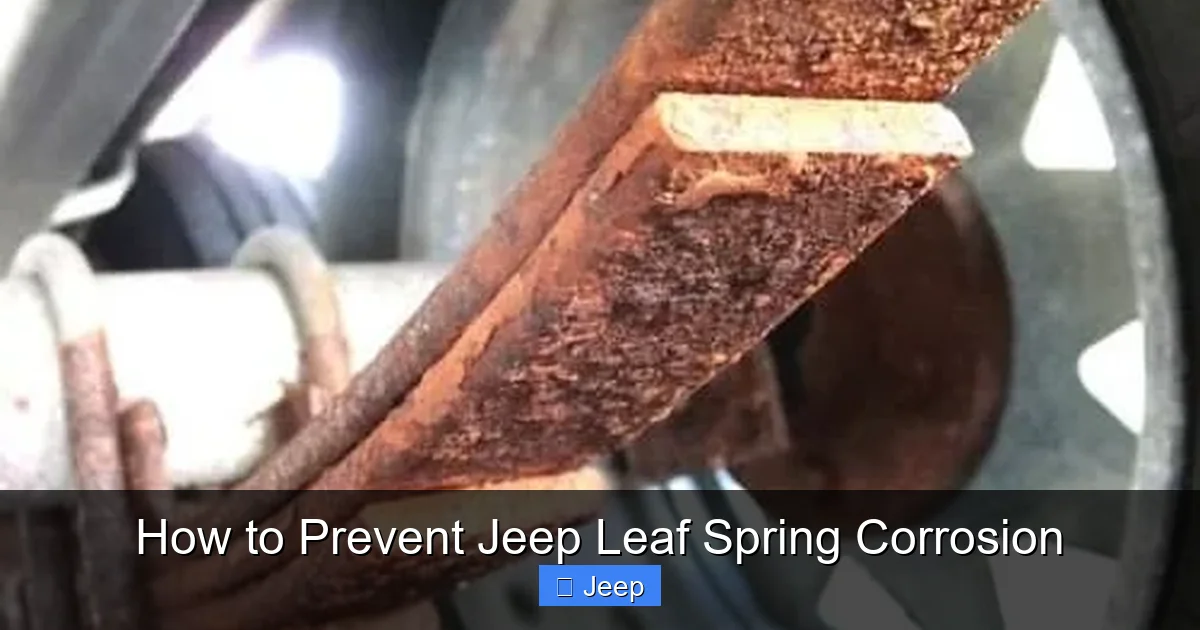
Corrosion is just a fancy word for rust. It happens when metal meets moisture. Your Jeep leaf spring corrosion starts very small. You might see a tiny orange spot on the metal. Then, the spot grows bigger. It slowly eats the metal away. Soon, the spring can snap in half. This is a very scary thing to experience. You could lose control of your Jeep. You could get hurt badly. So, you must stop the rust early. You need to know what causes it. Knowledge is your best weapon against rust. You must watch your springs all the time. Look at them whenever you can. Catching rust early is the best fix. Do not ignore the small spots.
What Causes Corrosion?
Many things cause rust on your springs. The biggest enemy is water. Water touches the metal. It starts a chemical reaction. The metal turns into iron oxide. This is rust. Salt makes this reaction happen much faster. If you drive on salted roads, your springs get hit hard. Mud is another big cause. Wet mud holds moisture right against the metal. It keeps the metal wet for a long time. Even rain can cause rust. You must think about all of these things. They all lead to Jeep leaf spring corrosion. You must protect your springs from all of it. Always keep them dry if possible. Prevention is always better than repair.
The Impact of Salt and Moisture
Salt is a rust accelerator. It lowers the freezing point of water. But it also makes rust grow very fast. If you live near the ocean, salt air is bad. The salt air coats your springs. If you drive on salted highways, the salt kicks up. It hits your undercarriage. The salt stays there. It holds moisture against the metal. This is why winter is so bad for Jeeps. The springs are constantly wet. They are constantly salty. You must wash them off. A quick rinse stops the salt. It stops the rust before it even starts. This is a very important step to take. Do not skip this step ever. Winter is the worst time for rust.
The Dangers of Driving with Corroded Springs
Driving with corroded springs is very risky. The metal gets weaker and weaker. It can snap without any warning. If a spring snaps while you are driving, you lose control. The Jeep will pull to one side. This is very scary. You could hit another car. You could hit a tree. Corroded springs also make the ride very rough. They do not absorb bumps well. Your Jeep will feel stiff. You will feel every bump. This is bad for your back. It is bad for your Jeep. Always check your springs before you drive.
Essential Protective Coatings
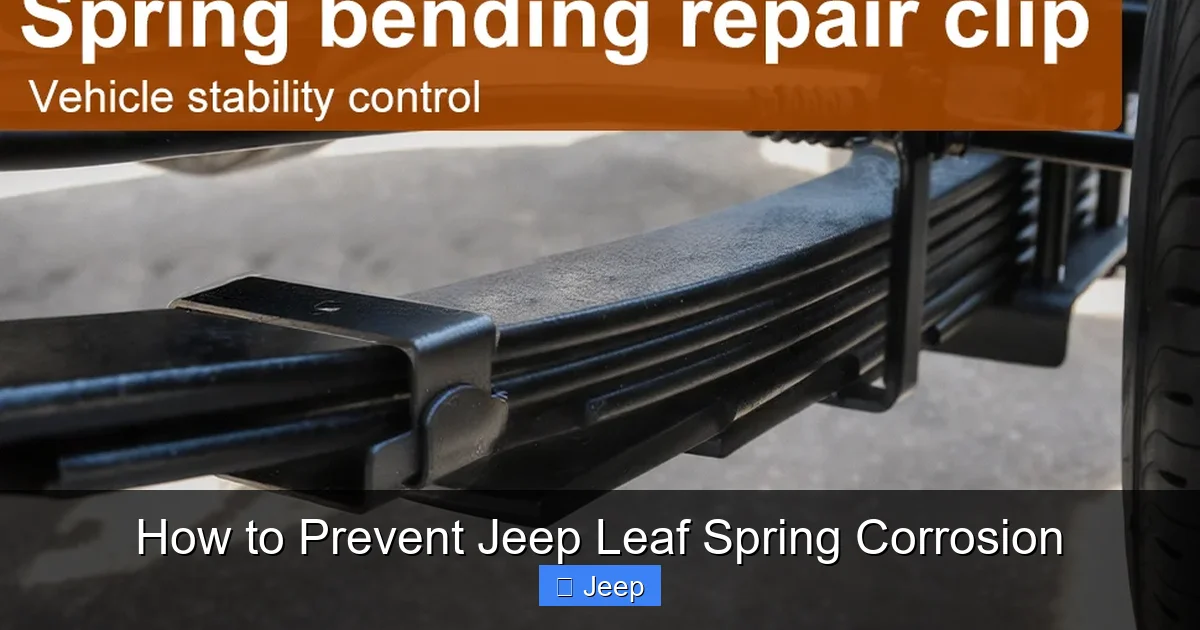
The best way to stop rust is to block the water. You do this with protective coatings. Coatings act like a shield for your metal. They keep moisture away from the springs. There are many types of coatings out there. You can choose the one you like best. Sprays are the easiest to use. They go on very fast. You can do it in your own driveway. Let us look at the best coating options for your Jeep. Protecting your Jeep is a smart choice. You must fight Jeep leaf spring corrosion every day.
Visual guide about How to Prevent Jeep Leaf Spring Corrosion
Image source: tow-max.com
Choosing the Right Undercoating
Undercoating is a thick spray paint. You put it right on the metal. It dries very hard. It makes a rubbery shell around the spring. This shell blocks water. It also blocks rocks and debris. If you hit a rock, the coating takes the hit. The metal underneath stays safe and sound. You can buy undercoating at any auto store. Look for one made for undercarriages. It must be very flexible. If it cracks, water gets in. So, always buy a flexible coat. Apply it every single year. This keeps your springs safe from Jeep leaf spring corrosion. Protecting the metal is your top priority. Do not cheap out on the coating.
Applying Rubber Insulator Lubricant
Your springs have rubber parts. These are called insulators. They keep the springs from knocking together. But rubber dries out over time. It cracks and breaks. When it cracks, water gets inside. This causes Jeep leaf spring corrosion very quickly. You must oil the rubber parts. Use a silicone lubricant spray. Spray it on the insulators. It keeps the rubber soft and supple. It stops cracks from forming. Do this every six months. It is a very simple step. It adds many years to your springs. You will save a lot of money on repairs. Protecting the rubber is just as important as protecting the metal, which is why you should check out this guide on the best tire dressings to prevent dry rot for more tips on keeping rubber parts healthy.
DIY vs Professional Coating
You can coat your springs yourself. This is called a DIY job. It saves you money. You just buy a spray can. You spray it on the springs. It is easy to do. But a professional job is better. A pro has a spray gun. It sprays a thicker coat. The coat is more even. It lasts longer. A pro also knows how to clean the metal first. They make sure the rust is gone. If you do it yourself, you might miss a spot. A missed spot means rust will come back. So, think about your skill level. If you are not sure, hire a pro.
Routine Cleaning and Maintenance
Cleaning is the easiest way to prevent rust. You just wash your Jeep regularly. But you must wash the undercarriage too. Most people only wash the paint. They forget the bottom of the Jeep. This is a very big mistake. The bottom gets all the dirt. It holds the moisture. You must spray the bottom. Use a pressure washer if you can. It blasts the dirt away. It also blasts the water away. Always dry the springs after you wash them. Make cleaning a part of your routine. Stopping Jeep leaf spring corrosion starts with basic care.
Visual guide about How to Prevent Jeep Leaf Spring Corrosion
Image source: cimg2.ibsrv.net
How to Clean Your Leaf Springs
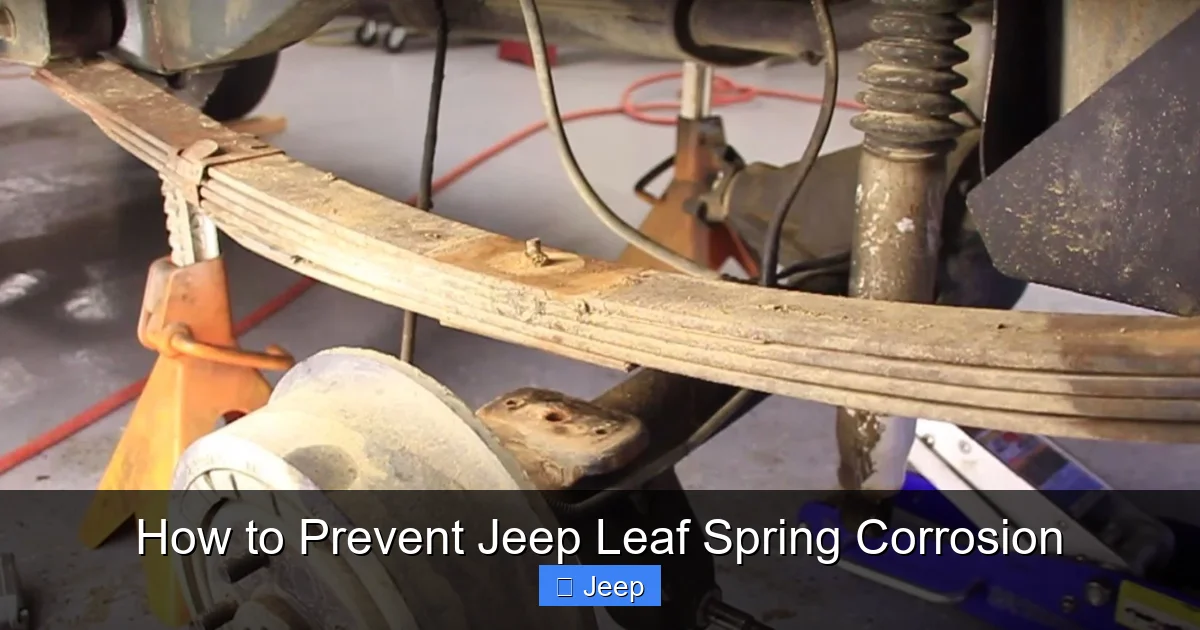
Cleaning your springs is not hard at all. First, lift your Jeep up. You need to see the bottom clearly. Use a pressure washer on the springs. Spray them from all angles. Look for mud and packed dirt. Scrub it off if you must. Use a stiff bristle brush. Once it is clean, rinse it very well. Do not leave any soap behind. Soap can hold water against the metal. Then, dry the springs completely. Use a towel or let them air dry. Make sure they are totally dry. Wet springs will rust very fast. Take your time with this process. Do a thorough job every time.
Drying and Inspection Tips
Drying is just as important as washing. If you drive through water, dry the springs right away. Use a leaf blower. It blows the water out of the tiny crevices. Look at the springs while they dry. Check for any spots of rust. Even a tiny spot needs your attention. Take a wire brush to it. Scrub the rust off completely. Then, spray the spot with touch-up paint. A little bit of paint seals the metal. This stops the rust from coming back. Always inspect your springs after a wet drive. This is the best way to fight Jeep leaf spring corrosion. Be vigilant about your maintenance. Do not skip the inspection.
Seasonal Maintenance Tips
Seasons change, and your Jeep needs different care. In the summer, wash off the mud. In the winter, wash off the salt. Spring is for inspecting. Fall is for applying coatings. You must adapt your care to the weather. Winter is the hardest time for your Jeep. The salt on the roads is brutal. You should wash your Jeep every week in winter. This keeps the salt from building up. Summer is easier. But you still get muddy. Wash it off after every trail ride. Year-round care is the best care.
How to Store Your Jeep Properly
If you do not drive your Jeep for a while, store it well. Do not just park it outside. The rain and snow will hit the springs. They will rust. Park it in a garage if you can. A garage keeps the weather off. If you do not have a garage, use a cover. A cover keeps the rain off. But it must be breathable. A non-breathable cover traps moisture. Trapped moisture causes rust. So, use a breathable cover. Or just drive the Jeep often. Driving it warms up the metal. Warm metal does not rust as fast.
Upgrading to Better Materials
If your springs are already very rusty, you might need new ones. You can buy better springs. Some materials do not rust as fast. Upgrading is a great choice for many drivers. It saves you a lot of time. You do not have to clean them as much. Let us look at the best materials for new springs. Upgrading is an investment in your Jeep. Stopping Jeep leaf spring corrosion is your ultimate goal.
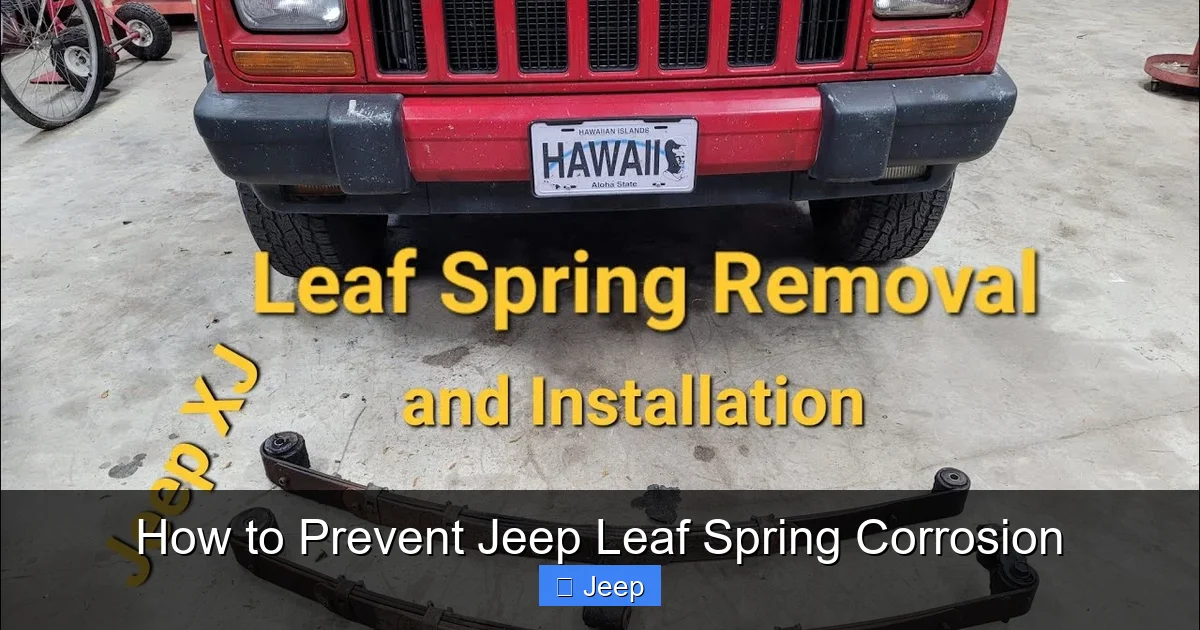
Visual guide about How to Prevent Jeep Leaf Spring Corrosion
Image source: i.ytimg.com
Silicone-Coated Springs
Silicone coating is a very popular choice. It is a special type of paint. It is made specifically for metal. It does not chip or crack. It bends with the spring when you drive. This is very important for off-roading. Regular paint cracks easily. Silicone does not. It keeps the water out. It also handles heat very well. Off-roading makes a lot of heat. Silicone handles it perfectly. You can buy silicone-coated springs at shops. They cost a bit more money. But they last much longer. They are totally worth the price. They stop Jeep leaf spring corrosion before it starts. It is a smart investment for your future.
Stainless Steel Alternatives
Stainless steel is the ultimate choice. It does not rust at all. Well, it rusts very, very slowly. It is made with chromium. Chromium makes a shield on the metal. This shield blocks water completely. Even if the shield gets scratched, it heals itself. Stainless steel springs are heavy. But they are very strong. They last forever if you take care of them. If you want the best, buy stainless steel. You will never worry about rust again. It is a great upgrade for any serious Jeep. If you apply a heavy-duty coating like Herculiner, you need to know how to safely remove it if it gets on your skin, so read this guide on how to get Herculiner off skin to stay safe during the process.
Protecting Your Jeep Year Round
You must protect your Jeep all year long. Do not just do it in the winter. Summer rain causes rust too. Summer mud causes rust too. You must be consistent. Wash your Jeep every two weeks. Apply coating once a year. Check the rubber insulators every six months. This routine will keep your springs perfect. It takes very little time. It is much easier than fixing rust. A little bit of prevention goes a long way. Your Jeep will thank you for it.
When to Seek Professional Help
Sometimes, rust is too much for you to fix. The springs might be very damaged. You might need a professional mechanic. Do not try to fix a broken spring yourself. It is very dangerous. A broken spring can hit you hard. Let the pros handle it. They know how to keep you safe. They have the right tools. Do not take risks with your safety.
Signs You Need Replacement
Look for clear signs of major damage. If the spring looks flat, it is broken. If it is hanging very low, it is broken. If you can see right through the metal, it is broken. You must replace it right away. Do not drive on a broken spring. It will ruin your tires. It will ruin your alignment. It is very unsafe to drive. Take your Jeep to a good shop. They will give you a new spring. They will also treat the rest for Jeep leaf spring corrosion.
The Cost of Ignoring Damage
Ignoring rust costs a lot of money. A small rust spot is cheap to fix. It costs only a few dollars for paint. But if you ignore it, the spring breaks. A broken spring costs hundreds of dollars to replace. Plus, you might damage other parts. The control arms can break. The tires can blow out. This is very expensive to fix. So, fix the rust early. It is much cheaper to do so. It is also much safer for you. Accidental overspray from protectant sprays can land on your driveway, and if it happens, you will want to know how to get tire shine off driveway to keep your property clean.
Conclusion
Preventing Jeep leaf spring corrosion is easy. You just need to be consistent with your work. Wash your Jeep often. Apply protective coatings every year. Check the rubber insulators. Dry your springs after wet drives. Do these simple things. Your springs will last a very long time. You will save a lot of money. You will stay safe on all the trails. Do not let rust win. Take action today. Your Jeep will thank you for it. Keep your Jeep clean and keep it safe.
Frequently Asked Questions
What causes Jeep leaf spring corrosion?
Corrosion is caused by metal reacting with moisture and oxygen. Salt, mud, and road chemicals accelerate this process. When water sits on the springs, it creates rust. This weakens the metal over time.
How often should I clean my Jeep’s leaf springs?
You should clean your leaf springs at least once a month. If you drive off-road or live near salted roads, wash them every two weeks. Regular washing prevents salt buildup and moisture damage.
Can I prevent corrosion with undercoating?
Yes, undercoating is highly effective at preventing rust. It creates a protective barrier that blocks water and debris from touching the metal. Apply a flexible undercoating once a year for the best results.
Is it safe to drive with corroded leaf springs?
No, driving with corroded springs is very dangerous. The metal becomes weak and can snap while driving. A broken spring can cause loss of control and damage other vehicle components.
What are the best materials to prevent rust?
Silicone-coated and stainless steel springs are the best options. Silicone coating bends with the spring and blocks water perfectly. Stainless steel contains chromium, which naturally resists rust and corrosion.
When should I replace my leaf springs?
You should replace your leaf springs if they are visibly flat, hanging low, or snapped. If you can see light through the metal, it is broken. Do not drive on damaged springs.