Can You Put Tire Shine on Rims
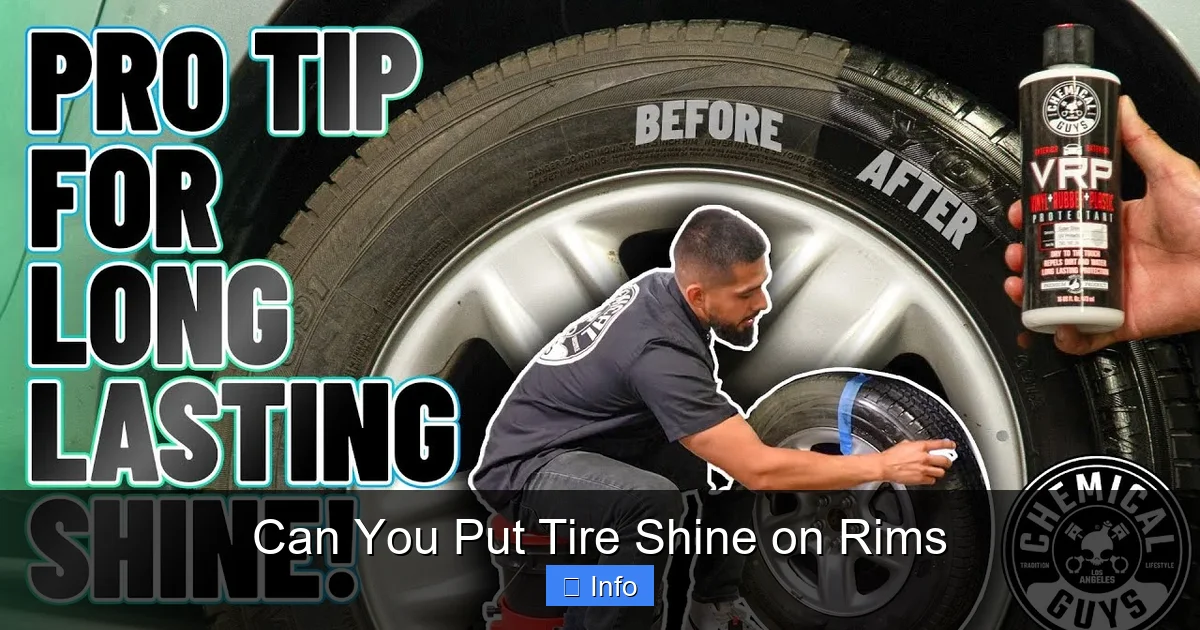
Yes, you can put tire shine on rims as long as you choose the right product and apply it correctly. Using tire shine on rims can give your wheels a glossy, showroom-worthy look while also protecting the surface from dirt and brake dust buildup. However, not all products are safe for every rim type, so knowing what to use and what to avoid is essential.
Key Takeaways
- Tire shine on rims is safe when you use products specifically designed for wheel surfaces and follow proper application steps.
- Not all tire shine products are equal. Some contain chemicals that can damage painted or polished rims, so always check the label before applying tire shine on rims.
- Preparation is key. Cleaning your rims thoroughly before applying tire shine ensures the product adheres properly and lasts longer.
- Over-application is a common mistake. Too much tire shine on rims can create a slippery surface and attract more dirt over time.
- Water-based formulas are the safest bet for most rim types, offering a natural shine without the risk of damage.
- Regular removal and reapplication of tire shine on rims keeps your wheels looking fresh and prevents buildup that could affect braking performance.
📑 Table of Contents
What Is Tire Shine and Why Do People Use It on Rims?
Tire shine is a glossy coating product that people apply to tires and wheels to give them a deep, reflective look. It comes in sprays, gels, liquids, and even aerosol cans. Most drivers use it because it makes their vehicle look instantly cleaner and more polished. When you put tire shine on rims, the wheels catch the light and look almost brand new, even if they have been on the car for years.
But the appeal goes beyond looks. Rims constantly face road grime, brake dust, salt, and UV rays. Without protection, these elements cause fading, corrosion, and long-term damage. A good tire shine product acts as a protective layer. It shields the rim surface while adding that eye-catching gloss. Many car enthusiasts consider applying tire shine on rims a basic part of their regular detailing routine.
Why Rims Deserve the Same Attention as Tires
Most people focus only on the rubber part of their tires. But rims are equally important. They are the first thing people notice when they look at your car. Dirty, dull rims can make an otherwise clean vehicle look neglected. On top of that, unprotected rims can develop rust or paint damage over time. That is exactly why using tire shine on rims makes so much sense. It is a simple step that delivers big visual and protective benefits.
Is It Safe to Put Tire Shine on Rims?
The short answer is yes, but with a few important caveats. The safety of putting tire shine on rims depends entirely on the type of rim you have and the product you choose. Not every formula works well on every surface. Using the wrong product can cause discoloration, peeling, or even structural damage to the wheel.
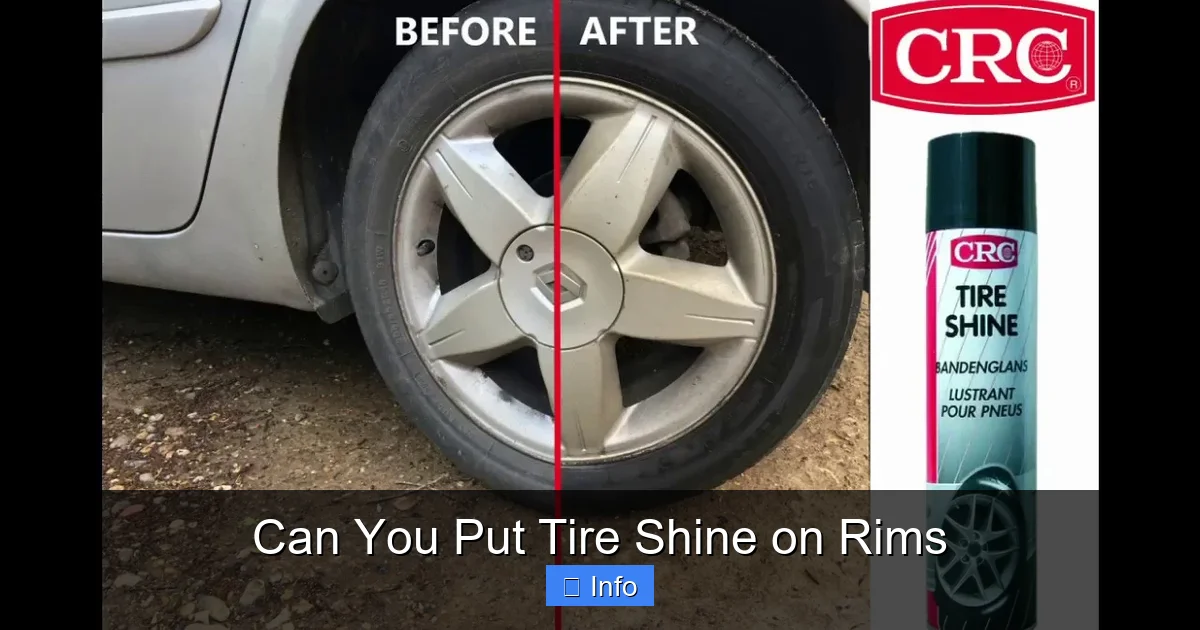
Visual guide about Can You Put Tire Shine on Rims
Image source: i.ytimg.com
Understanding Different Rim Types
Rims come in several varieties, including painted alloy, polished aluminum, chrome, and raw or unfinished metal. Each type reacts differently to tire shine products. For example, painted alloy wheels generally handle tire shine well, especially water-based formulas. Chrome rims, on the other hand, need extra care because some chemicals can strip the chrome finish over time. Polished aluminum rims can become slippery if you apply too much tire shine on rims, which can actually be a safety concern.
Before you apply any product, take a moment to identify what your rims are made of. If you are unsure, check your vehicle manual or look up the wheel specs online. This small step can save you from costly repairs down the road.
When Tire Shine Can Cause Damage
Some tire shine products contain harsh chemicals like solvents, silicones, or petroleum-based oils. These ingredients work great on rubber tires, but they can eat away at certain rim finishes. If you notice your rim paint bubbling or peeling after application, the product was likely too strong. Always look for formulas that are labeled safe for both tires and wheels. The best tire shine products for rims clearly state what surfaces they are compatible with on the packaging.
Types of Tire Shine Products for Rims
Not all tire shine products are created equal. When it comes to putting tire shine on rims, you need a formula that balances shine with safety. Here are the most common types available on the market today.
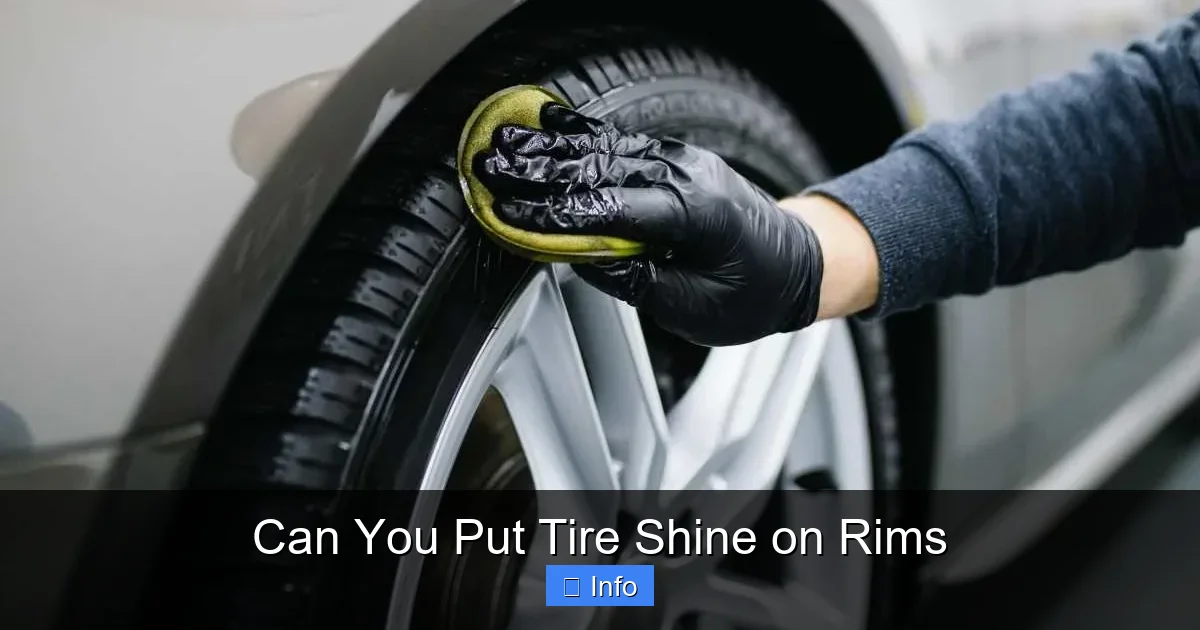
Visual guide about Can You Put Tire Shine on Rims
Image source: autotribute.com
Spray Tire Shine
Spray formulas are the most popular choice for rims. They are easy to apply, dry quickly, and offer a consistent finish. You simply spray, wipe, and buff. Many aerosol sprays give a high-gloss look that lasts for several weeks. However, some sprays contain strong chemicals, so always read the label before using spray tire shine on rims. If you want a safer option, look for water-based sprays that are free of harsh solvents.
Gel Tire Shine
Gel products are thicker and tend to last longer than sprays. They work well on rims because they cling to the surface and do not drip or sling onto the ground. Gel tire shine is a great choice if you want a more controlled application. It is especially useful for deep-dish rims where the inner barrel needs coverage too. Just be careful not to use too much, as the thick formula can leave a sticky residue if over-applied.
Liquid Tire Shine
Liquid formulas are versatile and can be used on both tires and rims. They usually come in a bottle with a built-in applicator pad. Liquid tire shine on rims gives a natural-looking gloss that is not overly shiny. This type of product is gentle enough for most rim finishes and is a favorite among detailers who prefer a more understated look.
Dressing vs. Shine: What Is the Difference?
Some people use the words tire dressing and tire shine interchangeably, but they are slightly different. A dressing typically offers more protection and a matte or satin finish, while a shine product focuses on high gloss. For rims, you can go either route depending on your preference. If you want maximum protection, consider a tire dressing that also works well as tire shine on rims. Many top-rated products now combine both benefits in one formula.
How to Apply Tire Shine on Rims the Right Way
Knowing how to apply tire shine on rims properly makes a huge difference in the final result. A sloppy application can leave streaks, spots, or uneven coverage. Follow these steps for a professional-looking finish every time.
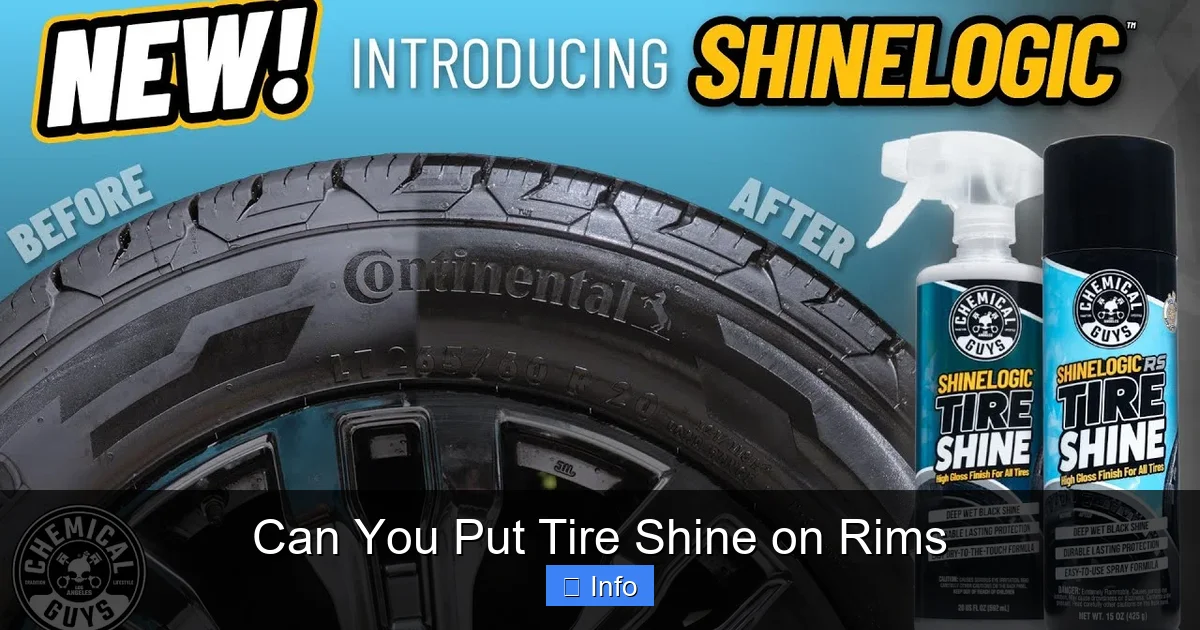
Visual guide about Can You Put Tire Shine on Rims
Image source: i.ytimg.com
Step 1: Clean the Rims Thoroughly
This is the most important step. Before you put tire shine on rims, make sure they are completely clean. Start by rinsing the wheels with water to remove loose dirt and brake dust. Then use a dedicated wheel cleaner and a soft brush to scrub every surface, including the spokes, the barrel, and the inner lip. Rinse again and dry the rims completely with a microfiber towel. Any moisture left on the surface will prevent the tire shine from adhering properly.
Step 2: Choose the Right Applicator
Most tire shine products come with their own applicator, but you can also use a soft microfiber cloth or a foam applicator pad. Avoid using rough sponges or abrasive materials, as they can scratch the rim surface. When applying tire shine on rims, work one section at a time to maintain control and avoid missing spots.
Step 3: Apply a Thin, Even Layer
Less is more when it comes to tire shine. Apply a thin, even layer across the rim surface using circular motions. Make sure you cover the spokes, the outer face, and the inner barrel if desired. Do not skip the areas near the tire bead, as these spots collect the most grime. Let the product sit for the amount of time recommended on the label. Most formulas need about two to five minutes to set before you buff them.
Step 4: Buff to a High Gloss
After the product has set, take a clean microfiber towel and buff the rims in smooth, circular strokes. This removes any excess product and brings out the full shine. If you notice streaks, simply wipe them away with a damp cloth and reapply a thinner layer. A proper buff gives your rims a mirror-like finish that turns heads on the road.
Common Mistakes to Avoid When Using Tire Shine on Rims
Even though applying tire shine on rims is straightforward, many people make mistakes that reduce the effectiveness or even damage their wheels. Here are the most common errors to watch out for.
Using the Wrong Product
This is the number one mistake. Not every tire shine product is safe for all rim types. Some formulas are designed exclusively for rubber tires and contain chemicals that can harm painted or chrome finishes. Always check the product description before buying. If you are unsure, consult the best tire shine products for a lasting finish guide to find options that are verified safe for multiple surfaces.
Applying Too Much Product
It is tempting to spray or pour a thick layer of tire shine, but this almost always leads to problems. Excess product runs into the brake rotors and calipers, which can cause squealing or reduced braking performance. It also attracts more dust and dirt, making your rims look worse within days. A light, even application always works better than a heavy coat of tire shine on rims.
Skipping the Cleaning Step
Applying tire shine on dirty rims is like painting over a dirty wall. The product will not bond properly, and you will end up with a patchy, dull finish. Always clean and dry your rims completely before application. This one habit separates a mediocre result from a stunning one.
Ignoring the Environmental Impact
Many tire shine products contain chemicals that can wash off into storm drains and harm local waterways. If you care about the environment, choose water-based or eco-friendly formulas. Several brands now offer green options that deliver excellent tire shine on rims without the harsh environmental footprint.
How to Remove Tire Shine from Rims and Keep Them Clean
Over time, tire shine on rims can build up and attract its own layer of dirt. When that happens, it is time for a removal and reapplication. Removing old tire shine is just as important as applying it fresh.
Why Regular Removal Matters
Old tire shine layers mix with road grime and brake dust to form a stubborn film. This film not only looks bad but can also trap moisture against the rim surface, leading to corrosion. Regular removal keeps your rims healthy and extends the life of both the rim finish and the tire shine product. If you have been applying tire shine on rims for months without removing the old layers, you may notice a chalky or flaky texture. That is a clear sign it is time to start fresh.
Safe Removal Methods
The safest way to remove tire shine from rims is to use a dedicated wheel cleaner or a mixture of water and mild dish soap. Spray the cleaner on the rim, let it sit for a few minutes, and then scrub gently with a soft brush. Rinse thoroughly and dry. For stubborn buildup, you can use isopropyl alcohol on a cloth, but test it on a small area first to ensure it does not damage the finish. After removal, your rims will look clean and ready for a fresh application of tire shine on rims.
Tips for Long-Lasting Results
To make your tire shine last longer between applications, try these helpful tips. First, avoid driving through deep puddles or muddy areas right after applying tire shine, as this can strip the product before it fully cures. Second, consider applying a sealant or ceramic coating on top of the tire shine for extra durability. Third, wash your rims regularly with pH-neutral cleaners to preserve the shine without degrading the product. And finally, reapply tire shine on rims every two to four weeks depending on your driving conditions and the product you use.
Taking care of your rims with tire shine is not just about appearances. It is about protecting an important part of your vehicle. With the right product, proper technique, and regular maintenance, your rims will stay glossy and protected for years to come. Whether you are a casual driver or a car enthusiast, learning how to put tire shine on rims correctly is a skill that pays off every time you hit the road.
Frequently Asked Questions
Can I use tire shine on painted rims?
Yes, but only use products labeled safe for painted surfaces. Water-based tire shine formulas are generally the safest choice for painted rims, as they do not contain harsh solvents that could damage the paint or cause discoloration over time.
Will tire shine make my rims slippery?
If you apply too much tire shine on rims, the excess product can create a slippery surface. This is especially dangerous near brake components. Always apply a thin layer and wipe off any overspray that gets near the rotors or calipers.
How long does tire shine last on rims?
Most tire shine products last between two and four weeks on rims, depending on driving conditions and weather. Rain, heavy use, and frequent washing can shorten the lifespan. Reapplying regularly keeps your rims looking consistently shiny.
Can tire shine damage my brake components?
If tire shine overspray gets on brake rotors or pads, it can cause temporary squealing or reduced braking power. This is why careful application is important. If overspray occurs, clean the brake components immediately with brake cleaner or water and a cloth.
Is water-based tire shine better for rims?
Water-based tire shine is generally safer for most rim types because it lacks the strong chemicals found in some solvent-based products. It provides a natural-looking finish and is easier to clean off. Check out the best water based tire shine reviews for a high quality finish to find top-rated options.
How often should I reapply tire shine on my rims?
Reapplication every two to four weeks is a good rule of thumb for most tire shine products. If you drive frequently in harsh conditions like rain, snow, or on salted roads, you may need to reapply more often to maintain the shine and protection.