Can You Use Clr on Glass
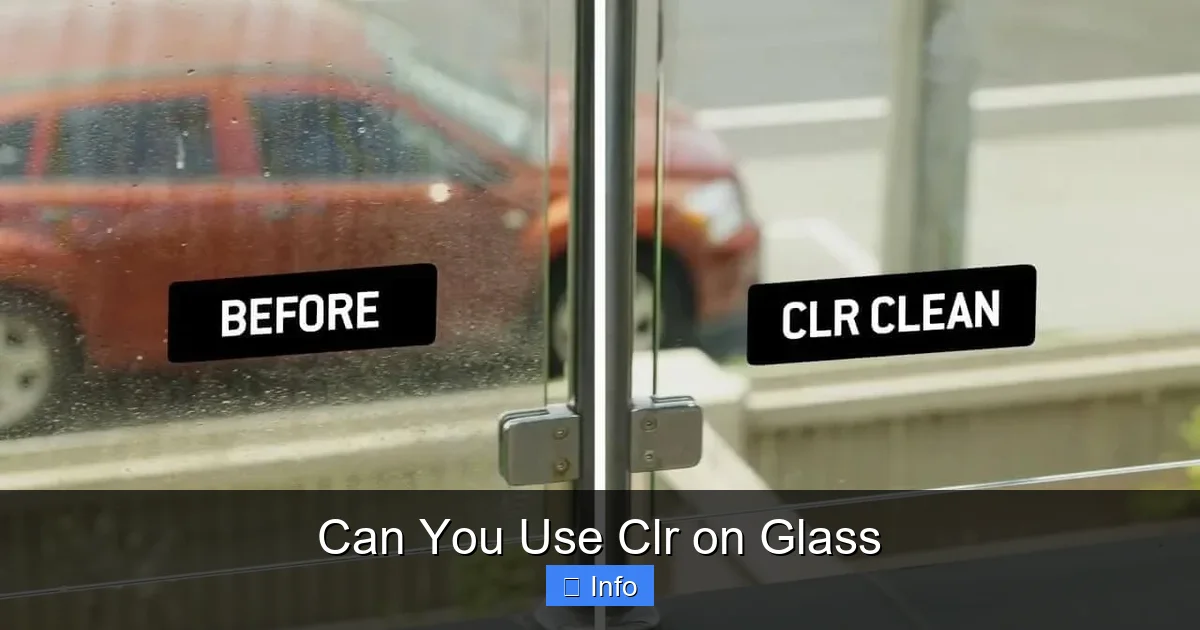
Yes, CLR can often remove hard-water spots from plain household glass, but only if the label allows it and you dilute it. Never use it on glass cooktops, tempered glass, tinted glass, mirrors with damaged backs, or coated glass.
Can You Use CLR on Glass
Hard water leaves white rings on shower doors, taps, and mirrors. The spots look dull, even after a normal wipe. You may reach for CLR because it is made to break down mineral build-up. Yet a shine can turn into a cloudy mark if the cleaner is wrong.
That raises a useful question: can you use CLR on glass? The short answer is yes for some plain household glass. It is not safe for every glass surface. The exact CLR type, label, and glass finish all matter.
CLR is an acid-based cleaner. It can dissolve calcium and lime fast. That power is useful on hard-water spots. It can also harm films, coatings, seals, ceramic cooktops, and older glass. Read the label before you start, and never guess with special glass.
Key Takeaways
- Plain glass may be safe: CLR can often remove hard-water spots from intact household glass when the current label allows it.
- Special glass needs caution: Avoid CLR on cooktops, tinted glass, coated glass, privacy glass, antique glass, and aquariums.
- Test first: Try the cleaner on a small, hidden area before treating the whole surface.
- Keep contact brief: Do not let CLR dry or soak on glass.
- Rinse well: Use plenty of cool water, then dry the area with a clean microfiber cloth.
- Never mix cleaners: Do not combine CLR with bleach, ammonia, or another product.
- Etching may be permanent: A cloudy or rough surface may need help from the maker or a glass professional.
📑 Table of Contents
Is CLR Safe on Glass?
CLR works best on inorganic deposits. Hard water leaves minerals behind as it dries. The acid reacts with those deposits and lifts them from a hard surface. This is why shower glass can look clear again after a short use.
Why Plain Glass May Be OK
Bare, clear glass is fairly resistant to mild acids. A brief contact time is often low risk. That does not mean every pane can take CLR. Many glass items have added layers that change the answer. A plain window pane is not the same as coated auto glass.
Why the Edge May Be the Weak Point
The risk is not only the pane. Acids can cloud anti-glare layers, weaken adhesive around tint, spot a mirror backing, or dull a special cooktop coating. Chrome, stone, and silicone parts near the glass can also suffer. Runoff matters, so keep the cleaner away from seams.
- Plain shower glass with intact seals: It is often suitable for a short, labeled use.
- Glass with film, tint, frosting, or coating: Skip CLR unless the maker says it is safe.
- Glass cooktops, antique glass, and aquarium glass: Do not use CLR.
- Mirrors with chips or loose backing: Keep CLR away from damaged areas.
Another factor is time. A quick wipe is not the same as letting a spot soak. Longer dwell can increase dulling, especially on coated or stressed glass. When in doubt, choose a milder cleaner.
When Can You Use CLR on Glass?
Yes, CLR can be a good choice for hard-water spots on plain, intact household glass. It is often useful on a shower door, a clear jar, or a glass shelf. Use it only for mineral stains, not grease, paint, or deep scratches.
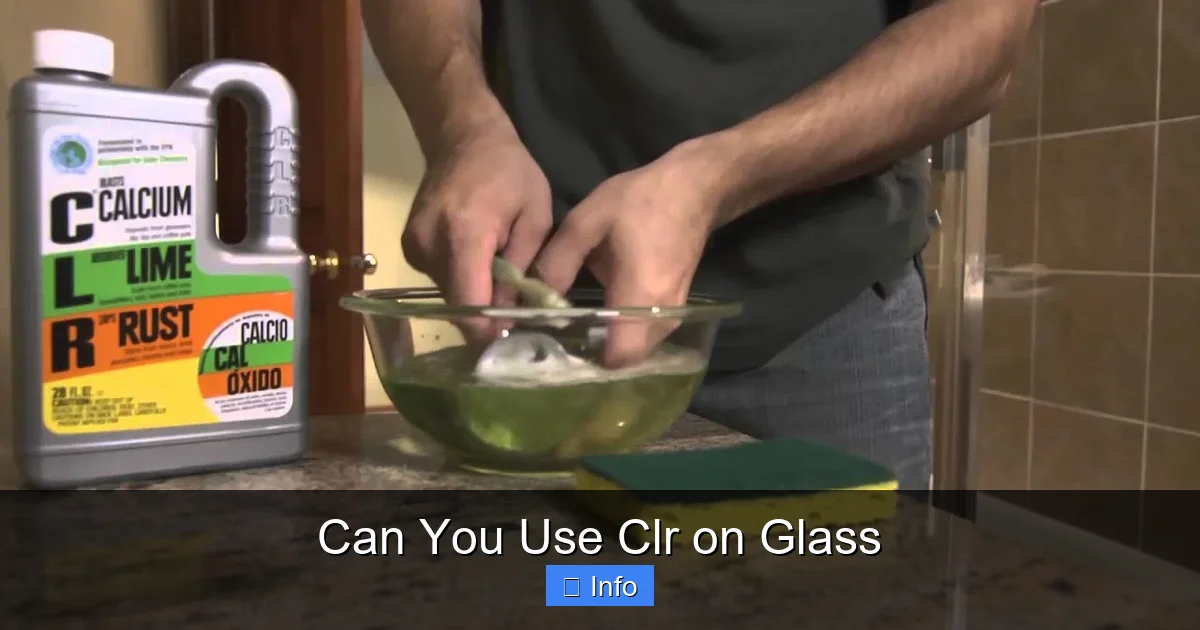
Visual guide about Can You Use Clr on Glass
Image source: i.ytimg.com
Best Practical Uses
Shower doors are the common case. A white ring left by hard water may respond well to CLR. Glass lamp shades can also improve, but only if they are plain and the label allows it. Test a hidden area first. Do not soak a thin shade or let liquid run into a frame.
For example, spray a small section of a shower door, wait only as directed, and rinse at once. If the ring fades, clean the rest in small panels. This limits runoff onto rubber gaskets and chrome. Do not test in the center of a visible panel. A corner keeps a bad reaction easy to rinse and hard to notice.
Do a Patch Test
A patch test takes ten minutes and can prevent a costly mistake. Pick an inconspicuous corner. Apply the prepared cleaner with a soft cloth. Wait a minute, then rinse and dry. Look in side light for haze, color change, or texture.
- Use cool water and a soft cloth.
- Do not use a rough sponge.
- Keep the test area flat.
- Rinse even if the result looks good.
Follow the Label, Not an Old Video
Formula names can differ. CLR Original, CLR Bath & Kitchen, and CLR PRO do not always have the same directions. Follow the current label on the bottle you own. Do not copy a recipe from a video if it conflicts with that label.
If your glass is a glass-top stove, stop and read our guide to the best cleaner for a Samsung glass top stove. These surfaces often have coatings that acid can dull. Even “glass” is not enough information here.
Glass Types You Should Not Treat with CLR
Some glass looks plain but has a hidden treatment. Others are under stress or joined to materials that acid can attack. Skip CLR on the following surfaces, even if a spot is tempting.
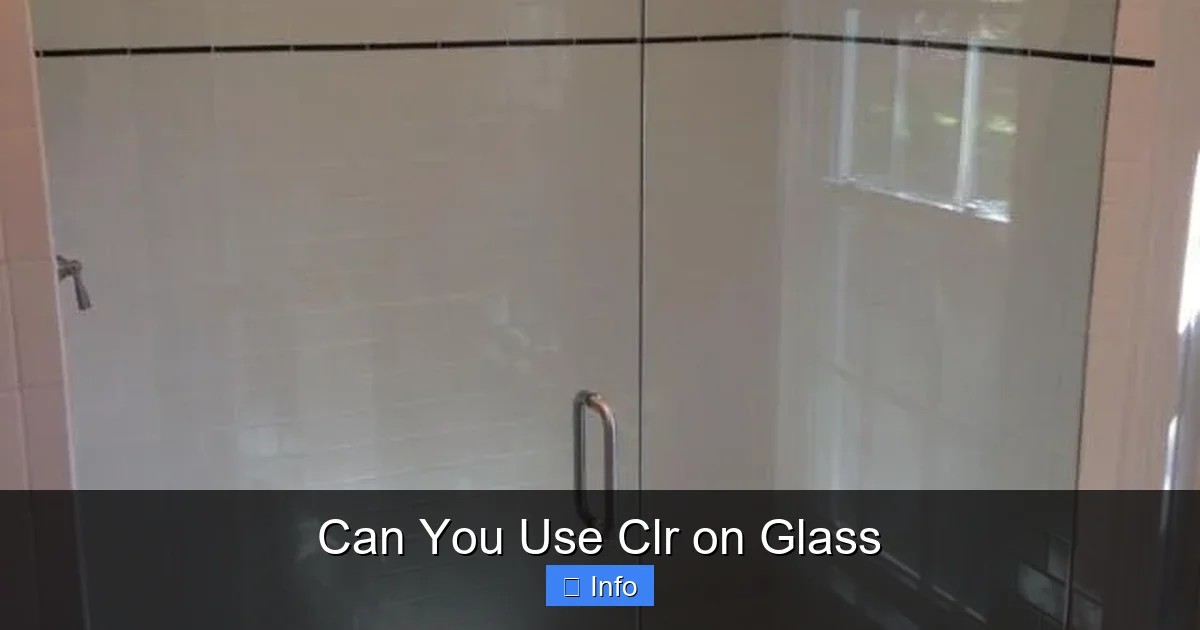
Visual guide about Can You Use Clr on Glass
Image source: i.pinimg.com
Tempered, Laminated, and Privacy Glass
Tempered glass is stronger than ordinary glass, but it is not a good target for acid cleaners. A scratch, chip, or edge defect can be a weak point. Privacy and laminated glass also contain layers or seals. CLR can reach those areas through a small gap.
If tempered glass cracks after exposure, the cause may be hard to prove. Still, there is no need to take that risk. A $5 patch test cannot undo a broken pane. Choose a safer product.
Tinted and Coated Auto Glass
Do not use CLR on windshield tint, rear-window defroster lines, or glass with an aftermarket coating. The acid may affect adhesive, film edges, or the coating. It can also run into door seals. If you have a ceramic-coated car, check pressure washing a ceramic-coated car before using any harsh cleaner on the exterior.
Also read how long before ceramic coating can get wet if the protection is new. Fresh coating needs its cure period. Rinsing is not a reason to add an acid cleaner, and a dealer or detailer can name the safe product.
Mirrors, Antique Glass, and Aquariums
Mirrors have a reflective layer on the back. CLR can seep through a chip and cause dark spots. Do not use it on stained glass, leaded glass, antique panes, or decorated glass. Acid can alter patina, paint, and solder.
- Never use CLR inside or near an aquarium.
- Do not clean fish tanks, glass lids, or aquarium seals with it.
- Keep acid cleaners away from stone, grout, and metal trim.
An aquarium is an absolute no. Chemical residue can harm fish, plants, and beneficial bacteria. Rinse any accidental spill from the outside at once, and never let it drain into the tank.
How to Use CLR on Glass Without Causing Damage
If the label allows CLR and the patch test passes, use a short, controlled process. Work slowly. The goal is to touch the spot, not flood the whole area.
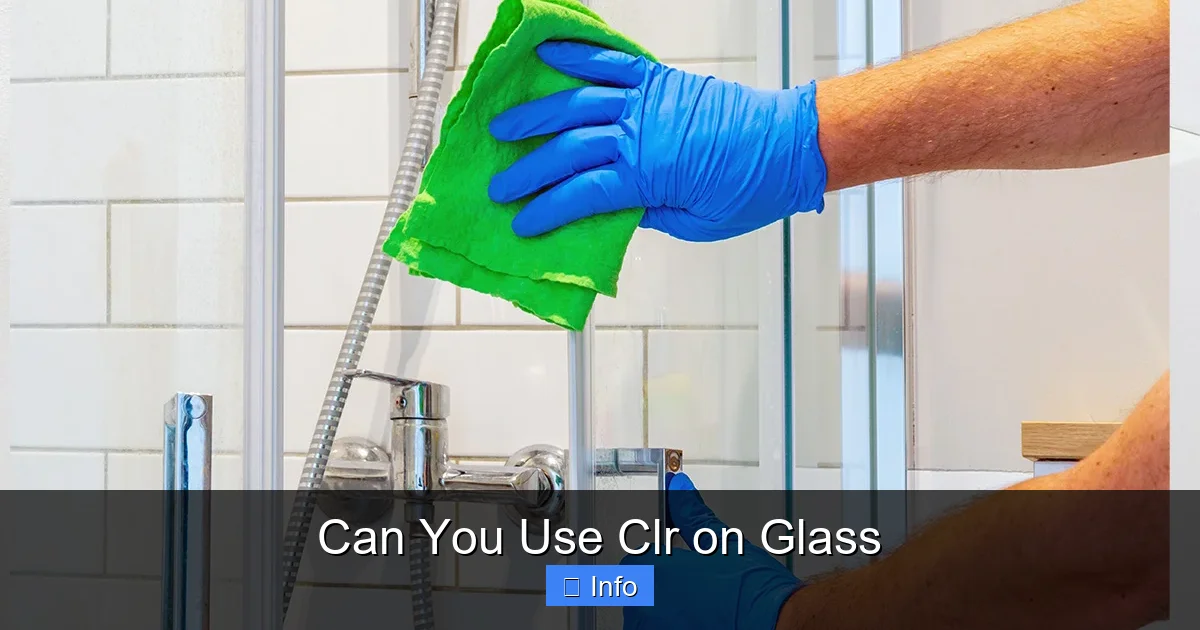
Visual guide about Can You Use Clr on Glass
Image source: glasshelper.com
Step-by-Step
Use these steps:
- Put on gloves and open a window or fan.
- Read the current label and wear eye protection.
- Wash loose dirt with water and a soft cloth.
- Mix only as directed. For a cautious first test, one part CLR to one part water is common, but do not use a stronger mix.
- Apply to a cloth, not directly into corners or seals.
- Keep it on the spot for only the labeled time. Start with about 30 seconds for a test.
- Rinse with plenty of cool water.
- Dry with a clean microfiber cloth and check in side light.
Work on one panel at a time. This keeps you from forgetting a rinse and limits liquid near hinges, seals, and frames.
Dilution and Timing
Dilution is not a promise of safety. A weaker mix may still harm a coating or film. If the label says to apply neat, do not weaken it and assume that changes the risk profile. If it gives a dilution, use that exact ratio.
Time matters more than people expect. Do not let CLR dry on glass. Do not cover it with a cloth and let it soak. Do not use it on a hot cooktop or in direct, hot sun. Short contact, then a full rinse, is the safe pattern.
What Not to Do
Never mix CLR with bleach, chlorine, ammonia, or another cleaner. The fumes can be dangerous. Never use steel wool or an abrasive pad. Scratching can make every future spot easier to see.
Also avoid pouring CLR down a drain unless the label allows it. Small rinses may be managed as directed, but larger amounts need proper disposal. Follow local rules and the product label.
What If CLR Leaves Haze, Streaks, or Etching?
Stop at the first sign of haze. Do not keep scrubbing. More pressure can turn a small problem into a wider dull patch. Act fast, then rinse the full panel, not just the spot.
Immediate Cleanup
Rinse with cool water for several minutes. Use a fresh cloth to lift any residue. Dry the area and look at it from the side. If the mark remains, repeat a gentle rinse rather than adding another chemical.
Etching Is Different from Residue
A sticky film may rinse away. Etching is a change in the surface. It may feel rough or look cloudy even after cleaning. CLR can contribute to this when it sits too long or hits a sensitive coating. A home cleaner cannot put removed surface material back.
For a costly cooktop, skylight, custom shower, or antique pane, call the maker or a glass pro. They can say if polishing is safe. Do not try a grinder, blade, or strong acid at home. That can make the damage worse.
Skin, Eyes, and Nearby Surfaces
If CLR touches skin or eyes, rinse at once and follow the label for medical help. Keep it away from stone, grout, aluminum, brass, copper, and painted trim. These materials may be damaged even when the glass survives.
Safer Choices and Final Verdict
For Routine Glass
For dust and light fingerprints, use a plain glass cleaner. For hard-water spots, try a product made for that stain first. A rubber squeegee after each shower is often the best defense. It removes water before minerals can dry.
Vinegar Is Not Risk-Free
Vinegar and citric acid can also remove mineral scale. They are not magic safe options. Use the same patch test and short-contact rules on special glass. Never use any acid cleaner on a cooktop unless its maker approves it.
The Simple Answer
So, can you use CLR on glass? Yes, for plain, intact household glass when the current label allows it. Dilute only as directed, test first, keep contact brief, and rinse well. Skip it on cooktops, coated or tinted glass, tempered or privacy glass, damaged mirrors, antique glass, and aquariums. When unsure, ask the glass maker. That small check can protect a costly surface.
CLR can bring back a bright shine. Used with care, it is a useful tool. Used on the wrong glass, it can leave a dull mark that is hard to reverse.
Frequently Asked Questions
Can you use CLR on shower glass?
Yes, CLR can often remove hard-water spots from plain, intact shower glass if the label allows it. Test first, keep contact brief, and rinse well.
Can CLR damage glass?
Yes, it can leave haze, streaks, or etching, especially on coated, tinted, tempered, or antique glass. It can also harm seals, mirrors, and nearby metal or stone.
Can I use CLR on a glass cooktop?
No. Do not use CLR on a glass or ceramic cooktop unless the appliance maker specifically says it is safe. Use a cleaner approved for that cooktop instead.
Is vinegar safer than CLR for glass?
Vinegar is milder, but it is still acid and can harm some coatings, films, and seals. Use the same patch test, keep contact short, and rinse thoroughly.
Can you use CLR on a car windshield?
Avoid CLR on auto glass, especially if it has tint, defroster lines, or a ceramic coating. Use a product approved for automotive glass instead.
How long should CLR stay on glass?
Leave it on only for the time printed on the current label. For a first test, use about 30 seconds, then rinse even if the spot has not fully cleared.