A Car Is Moving Horizontally Along a Straight Line
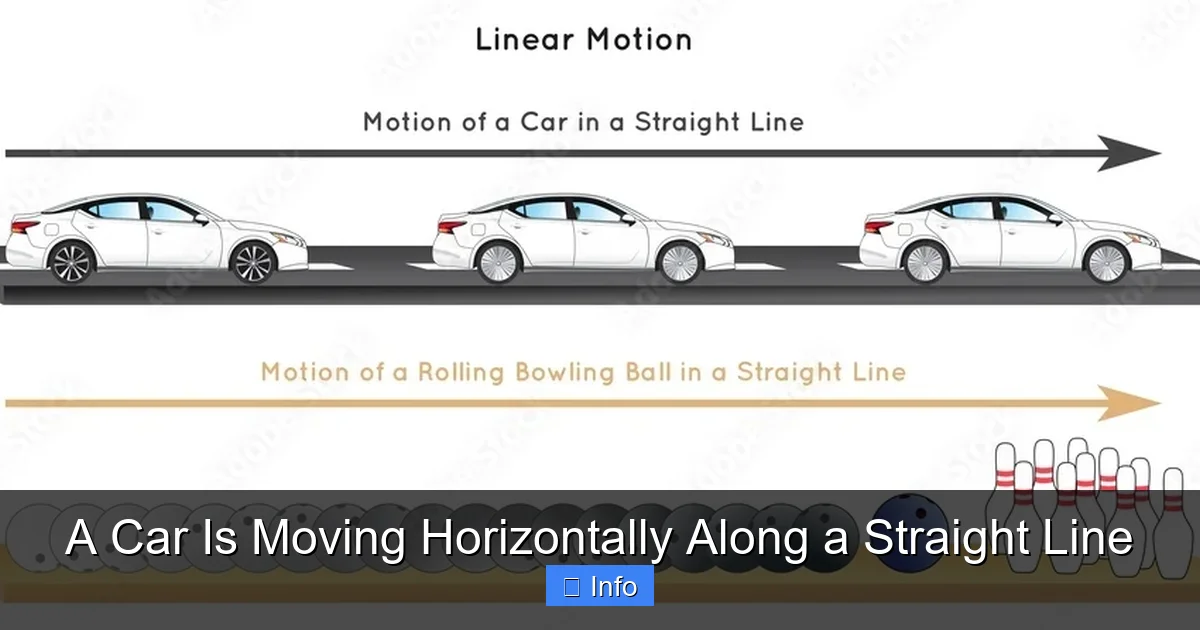
When a car is moving horizontally along a straight line, its motion can be described by basic physics principles such as constant velocity and zero net force. Understanding these concepts helps drivers anticipate vehicle behavior, improve safety, and make informed decisions about maintenance and performance. This guide breaks down the science, real‑world examples, and actionable tips in plain language.
Key Takeaways
- Constant velocity: When a car is moving horizontally along a straight line with no acceleration, the net force acting on it is zero.
- Inertia matters: The car’s mass resists changes in motion, so sudden steering or braking requires noticeable force.
- Friction and air resistance: Even at steady speed, rolling resistance and drag oppose motion, requiring the engine to supply just enough power to balance them.
- Real‑world relevance: Knowing how forces work helps you judge stopping distances, fuel efficiency, and the effects of vehicle load.
- Practical tips: Keep tires properly inflated, reduce unnecessary weight, and maintain smooth throttle inputs to optimize straight‑line travel.
- Safety connection: Recognizing that a car moving horizontally along a straight line will continue unless acted upon encourages proactive hazard scanning.
- Cost awareness: Understanding vehicle dynamics can inform decisions about purchases, such as evaluating how much is a Lucid car or how much is a Pagani car relative to performance needs.
📑 Table of Contents
Introduction
When a car is moving horizontally along a straight line, the situation might seem simple, yet it opens a window into fundamental physics that govern every drive. At first glance, a car cruising down a highway appears to glide effortlessly, but behind that smooth motion lie forces, inertia, and energy exchanges that determine fuel consumption, stopping distance, and overall comfort. This article explains those principles in everyday language, connects them to real‑world driving scenarios, and offers tips you can apply the next time you hit the road.
Understanding Straight‑Line Motion
What Constant Velocity Really Means
When a car is moving horizontally along a straight line at a steady speed, its velocity is constant. In physics, constant velocity implies that the acceleration is zero, which means the net force acting on the vehicle is also zero. The engine’s forward thrust exactly balances the opposing forces of rolling resistance and aerodynamic drag. This balance is why you can keep your foot lightly on the accelerator and still maintain speed without feeling the car speed up or slow down.
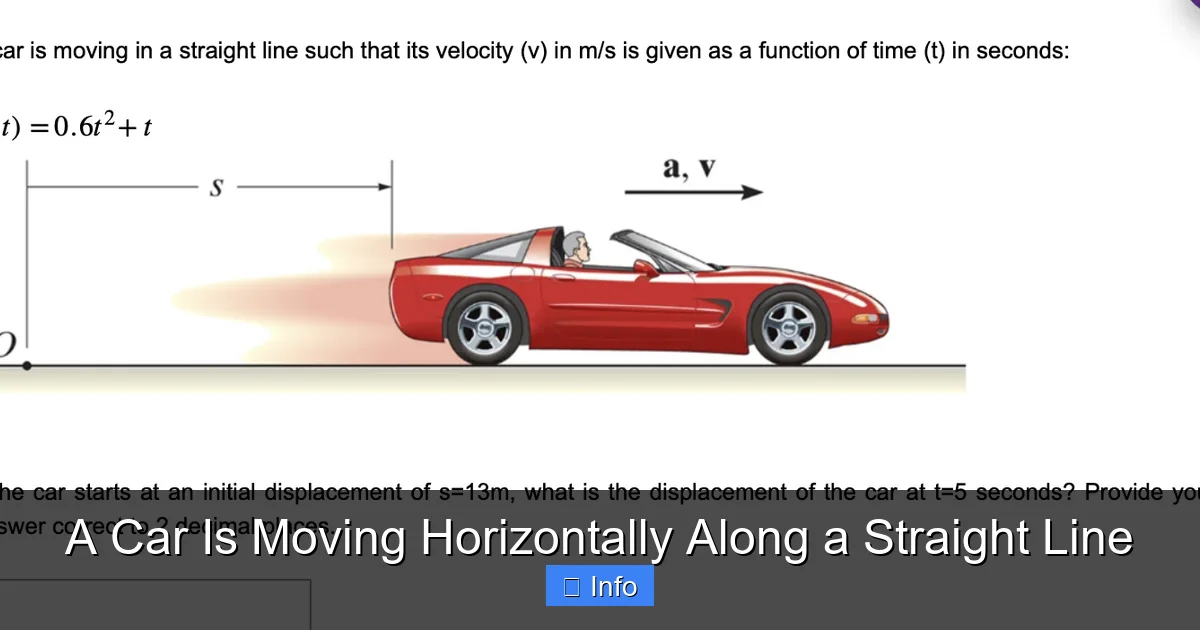
Visual guide about A Car Is Moving Horizontally Along a Straight Line
Image source: media.cheggcdn.com
Role of Inertia
Inertia is the tendency of an object to resist changes in its state of motion. When a car is moving horizontally along a straight line, its mass gives it inertia that must be overcome to change speed or direction. A heavier vehicle has more inertia, so it requires greater force to accelerate or to come to a stop. This is why a fully loaded truck feels slower to respond to pedal inputs than a lightweight sports car, even if both have similar engine power.
Forces Acting on a Straight‑Line Car
Rolling Resistance
Even when a car is moving horizontally along a straight line, the tires deform slightly as they roll, creating rolling resistance. This force depends on tire pressure, tread design, and road surface. Properly inflated tires reduce deformation, lowering rolling resistance and improving fuel efficiency. Conversely, under‑inflated tires increase the resistance, making the engine work harder to maintain the same speed.
Aerodynamic Drag
At higher speeds, air resistance becomes the dominant opposing force. The shape of the car, its frontal area, and surface smoothness all affect how much drag is generated when a car is moving horizontally along a straight line. Manufacturers invest heavily in wind‑tunnel testing to sculpt bodies that slice through air with minimal drag, which directly translates to better mileage and quieter cabins.
Engine Power and Fuel Use
To keep a car moving horizontally along a straight line at a given speed, the engine must supply just enough power to counteract rolling resistance and drag. If you press the accelerator harder, the net force becomes positive, the car accelerates, and fuel consumption rises. If you lift off the throttle, the net force turns negative, the car decelerates, and you may engage engine braking or rely on the brakes to slow down.
Real‑World Examples
Highway Cruising
Imagine a sedan traveling at 65 mph on a flat interstate. When a car is moving horizontally along a straight line under cruise control, the throttle position remains nearly constant. Sensors monitor speed and adjust fuel injection to maintain the balance between thrust and opposing forces. This scenario illustrates how modern vehicles automate the physics of straight‑line motion to enhance comfort and efficiency.
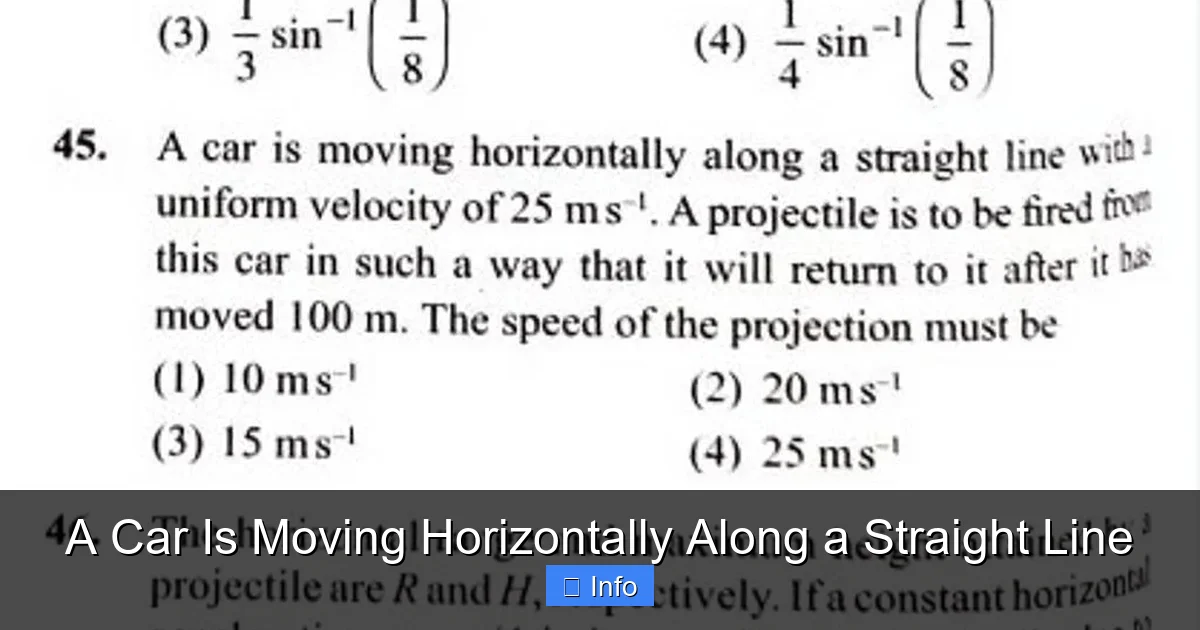
Visual guide about A Car Is Moving Horizontally Along a Straight Line
Image source: classroom-images.cdn.askfilo.com
Stopping at a Traffic Light
When a car is moving horizontally along a straight line and the driver sees a red light ahead, they begin to brake. The braking force creates a net negative acceleration, opposing the car’s inertia. The stopping distance depends on the vehicle’s mass, speed, brake condition, and road friction. Understanding that the car will continue forward unless a sufficient backward force is applied helps drivers anticipate the needed brake pressure earlier.
Carrying Extra Load
Adding roof cargo or passengers increases the car’s mass, thereby raising its inertia. When a car is moving horizontally along a straight line with extra weight, the same engine output results in slightly lower acceleration and a longer stopping distance. Drivers often notice that a fully loaded SUV feels less responsive, which is a direct manifestation of increased inertia.
Practical Tips for Drivers
Maintain Optimal Tire Pressure
Check tire pressure at least once a month and before long trips. Proper inflation minimizes rolling resistance when a car is moving horizontally along a straight line, saving fuel and reducing tire wear. Refer to the vehicle’s placard for the recommended pressure levels.
Reduce Unnecessary Weight
Remove roof racks, bike carriers, or heavy items from the trunk when they are not needed. Less mass means lower inertia, which improves acceleration and braking performance whenever a car is moving horizontally along a straight line.
Adopt Smooth Throttle Inputs
Gradual acceleration and deceleration keep the net force changes small, reducing stress on the drivetrain and improving fuel economy. When a car is moving horizontally along a straight line, smooth inputs also enhance passenger comfort by limiting jerky motions.
Use Cruise Control Wisely
On long, flat stretches, engage cruise control to maintain a steady speed. This system automatically adjusts throttle to keep the forces balanced when a car is moving horizontally along a straight line, helping you stay within speed limits and conserve fuel.
Monitor Aerodynamic Add‑Ons
Aftermarket accessories like large spoilers or roof boxes can increase drag. If you frequently drive at highway speeds, consider how such add‑ons affect the force balance when a car is moving horizontally along a straight line, and remove them when not essential.
Conclusion
When a car is moving horizontally along a straight line, the interplay of inertia, resistance, and engine power shapes every aspect of the drive. By recognizing that constant velocity results from balanced forces, you can make smarter choices about maintenance, loading, and driving habits. Whether you are cruising on the highway, approaching a stoplight, or loading up for a road trip, keeping these principles in mind leads to safer, more efficient, and more enjoyable journeys. Remember, the next time you feel the car glide effortlessly forward, it is the quiet dance of physics at work—turning a simple straight line into a fascinating lesson in motion.
Frequently Asked Questions
What does it mean when a car is moving horizontally along a straight line with constant speed?
It means the vehicle’s velocity is not changing, so acceleration is zero. The forward force from the engine exactly balances the opposing forces of rolling resistance and aerodynamic drag, resulting in a net force of zero.
How does a car’s mass affect its motion when moving horizontally along a straight line?
A greater mass increases the car’s inertia, meaning more force is required to change its speed or direction. This leads to slower acceleration and longer stopping distances when a car is moving horizontally along a straight line.
Why is tire pressure important for a car moving horizontally along a straight line?
Properly inflated tires reduce rolling resistance, which is the force that opposes motion when a car is moving horizontally along a straight line. Lower resistance improves fuel efficiency and decreases tire wear.
Can aerodynamic drag be ignored when a car is moving horizontally along a straight line at low speeds?
At low speeds, rolling resistance dominates and drag is relatively small. However, as speed increases, drag grows significantly and cannot be ignored when analyzing the forces on a car moving horizontally along a straight line.
How does extra cargo influence fuel consumption when a car is moving horizontally along a straight line?
Added weight raises inertia, so the engine must produce more thrust to maintain the same speed. This increase in required power translates to higher fuel consumption when a car is moving horizontally along a straight line.
What safety considerations arise from a car moving horizontally along a straight line?
Because the car will continue forward unless a net backward force is applied, drivers must anticipate stops and hazards early. Understanding this helps maintain safe following distances and timely braking when a car is moving horizontally along a straight line.