Can You Use Shout on Carpet
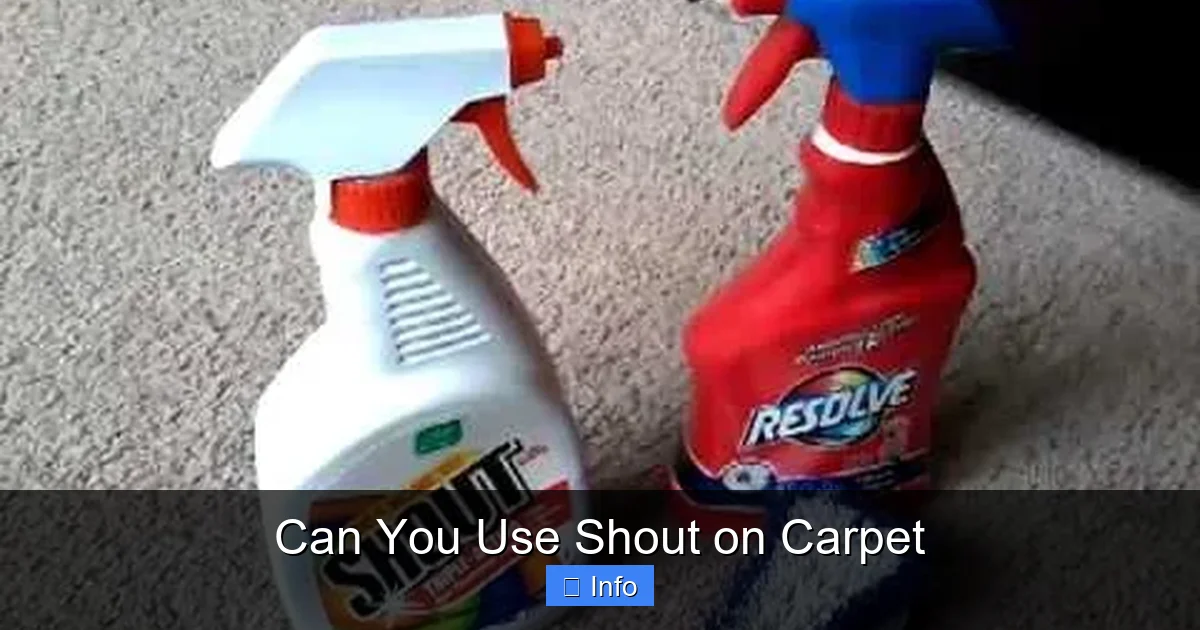
Wondering if you can use Shout on carpet? This guide explains whether the popular stain remover is safe for carpets, how to test it, the best application methods, and what alternatives exist for tough spots.
When a stubborn stain appears on your living room rug, the first instinct is often to reach for the strongest cleaner you have on hand. Shout, a well‑known laundry stain remover, promises to lift everything from grass to grease, which makes many homeowners wonder: Can You Use Shout on Carpet? The answer isn’t a simple yes or no; it depends on the carpet material, the type of stain, and how you apply the product. In this article we’ll walk you through everything you need to know to decide if Shout is right for your carpet, how to test it safely, and what steps to follow for the best results.
We’ll also cover common pitfalls, such as color fading or residue buildup, and offer alternative solutions for those times when Shout isn’t the best fit. By the end, you’ll have a clear, step‑by‑step plan that keeps your carpet looking fresh without risking damage. Let’s dive in and find out whether that trusty bottle of Shout can earn a place in your carpet‑care arsenal.
Key Takeaways
- Test First: Always apply Shout to a hidden area of the carpet to check for colorfastness before treating a visible stain.
- Dilute When Needed: For delicate fibers, dilute Shout with water (1 part cleaner to 2 parts water) to reduce the risk of bleaching or residue.
- Blot, Don’t Rub: Gently blot the treated area with a clean white cloth; rubbing can push the stain deeper and damage carpet piles.
- Rinse Thoroughly: After the stain lifts, rinse the spot with cool water and blot dry to prevent any cleaner buildup that attracts dirt.
- Consider Alternatives: For oil‑based or set‑in stains, enzymatic cleaners or a vinegar‑baking soda paste may be safer and more effective than Shout.
- Ventilate the Room: Use Shout in a well‑ventilated space and wear gloves to protect your skin from the cleaning agents.
- Check Carpet Type: Synthetic fibers like nylon or polyester tolerate Shout better than natural fibers such as wool or silk.
📑 Table of Contents
- Understanding Shout: What’s Inside the Bottle?
- Testing for Safety: The Spot Test Procedure
- How to Apply Shout on Carpet: Best Practices
- When Shout Works Best: Ideal Stain Types
- Potential Risks and How to Avoid Them
- Alternative Carpet‑Cleaning Solutions
- Real‑World Examples: Using Shout on Different Carpets
- Final Verdict: Should You Keep Shout in Your Carpet‑Care Kit?
Understanding Shout: What’s Inside the Bottle?
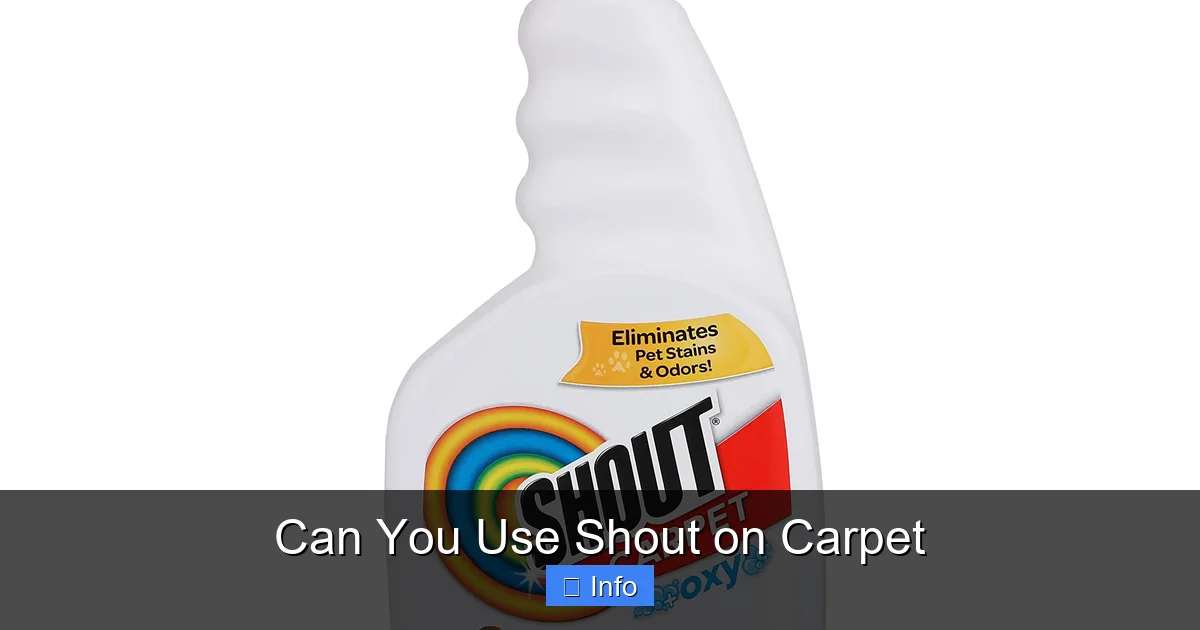
Before you decide Can You Use Shout on Carpet, it helps to know what you’re working with. Shout’s formula contains surfactants, solvents, and sometimes mild bleaching agents that break down stains at the molecular level. The active ingredients vary by product line—Shout Gel, Shout Wipe, and Shout Triple‑Acting Spray each have slightly different concentrations.
Surfactants lift dirt away from fibers, while solvents dissolve oily residues. Some versions include hydrogen peroxide or sodium percarbonate, which can act as a mild bleach. That bleaching potential is the main reason carpet owners hesitate; natural fibers like wool can react poorly, leading to yellowing or weakening of the pile.
Knowing the chemistry helps you gauge risk. Synthetic carpets (nylon, polyester, olefin) generally tolerate these chemicals better than natural ones. Still, even synthetics can suffer from discoloration if the product sits too long or is used undiluted on a light‑colored rug.
Testing for Safety: The Spot Test Procedure
The safest way to answer Can You Use Shout on Carpet for your specific rug is to perform a spot test. This simple step can save you from a costly mistake.
Visual guide about Can You Use Shout on Carpet
Image source: gosupps.com
Step‑by‑Spot Test
- Choose an inconspicuous area, such as inside a closet or behind a piece of furniture.
- Apply a small amount of Shout—no more than a pea‑sized dab—to the white cloth.
- Gently press the cloth onto the test spot for 10‑15 seconds.
- Wait 5‑10 minutes, then blot the area with a clean, damp cloth to remove any residue.
- Inspect the spot for any color change, texture alteration, or stiffness.
- If the carpet looks unchanged, you can proceed with cautious cleaning.
If you notice any fading or stiffening, stop immediately. Dilute the product further or consider an alternative cleaner. This test is especially important when you’re asking Can You Use Shout on Carpet for a rug with a patterned design or delicate fibers.
How to Apply Shout on Carpet: Best Practices
Once the spot test passes, you can move on to the actual cleaning. Proper application maximizes stain removal while minimizing risk.
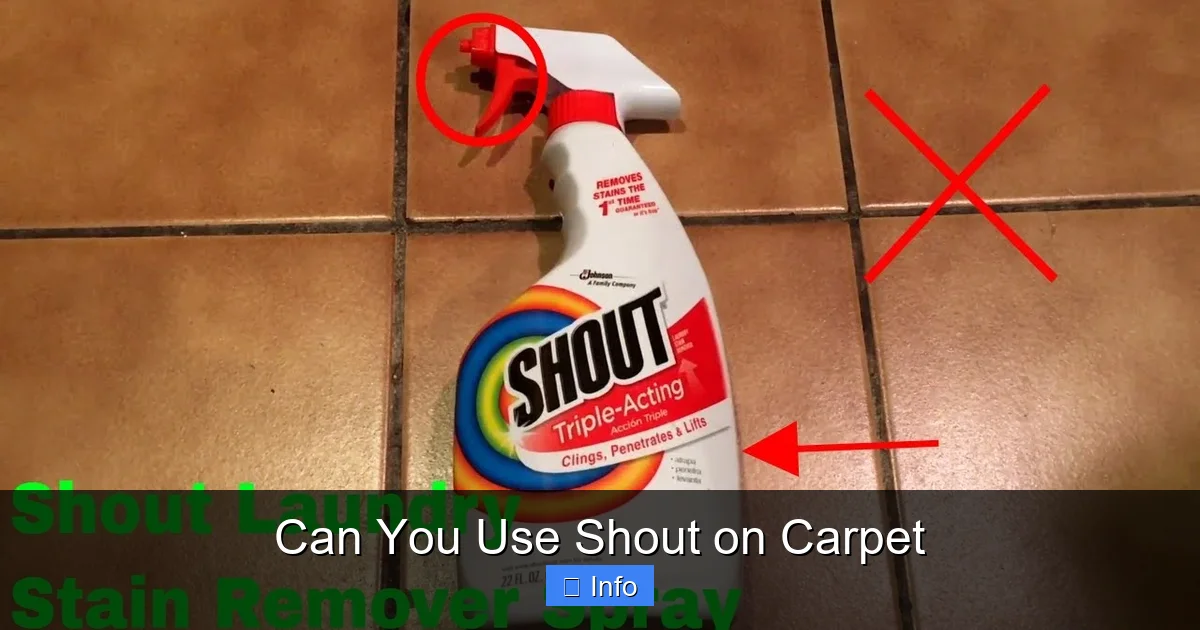
Visual guide about Can You Use Shout on Carpet
Image source: i.ytimg.com
Pre‑Treatment Preparation
Start by blotting up any excess liquid or scraping away solid debris with a dull knife. Avoid rubbing, as this can embed the stain deeper. Vacuum the area to remove loose dirt that could interfere with the cleaner.
Dilution Guidelines
For most synthetic carpets, you can use Shout straight from the bottle for tough, set‑in stains. However, if your carpet is light‑colored, made of a blend, or you’re unsure about the fiber type, dilute the product. A safe ratio is 1 part Shout to 2 parts cool water. Pour the mixture into a spray bottle for even distribution.
Application Technique
- Spray or dab the diluted Shout directly onto the stain, saturating the area without soaking the backing.
- Let it sit for 5‑10 minutes—do not exceed 15 minutes, as prolonged contact increases bleaching risk.
- Using a clean white microfiber cloth, blot the stain from the outside toward the center. Avoid scrubbing; blotting lifts the stain without damaging fibers.
- If the stain persists, repeat the process once more, then move to rinsing.
Rinsing and Drying
After the stain lifts, rinse the treated spot with cool water. You can spray water lightly and blot with a dry cloth, or use a wet‑vac extraction if you have one. Removing all cleaner residue is crucial; leftover Shout can attract dirt and cause rapid re‑soiling.
Finally, place a dry towel over the area and weigh it down with a book or similar object to absorb remaining moisture. Allow the carpet to air dry completely before walking on it.
When Shout Works Best: Ideal Stain Types
Understanding which stains respond well to Shout helps you answer Can You Use Shout on Carpet with confidence.
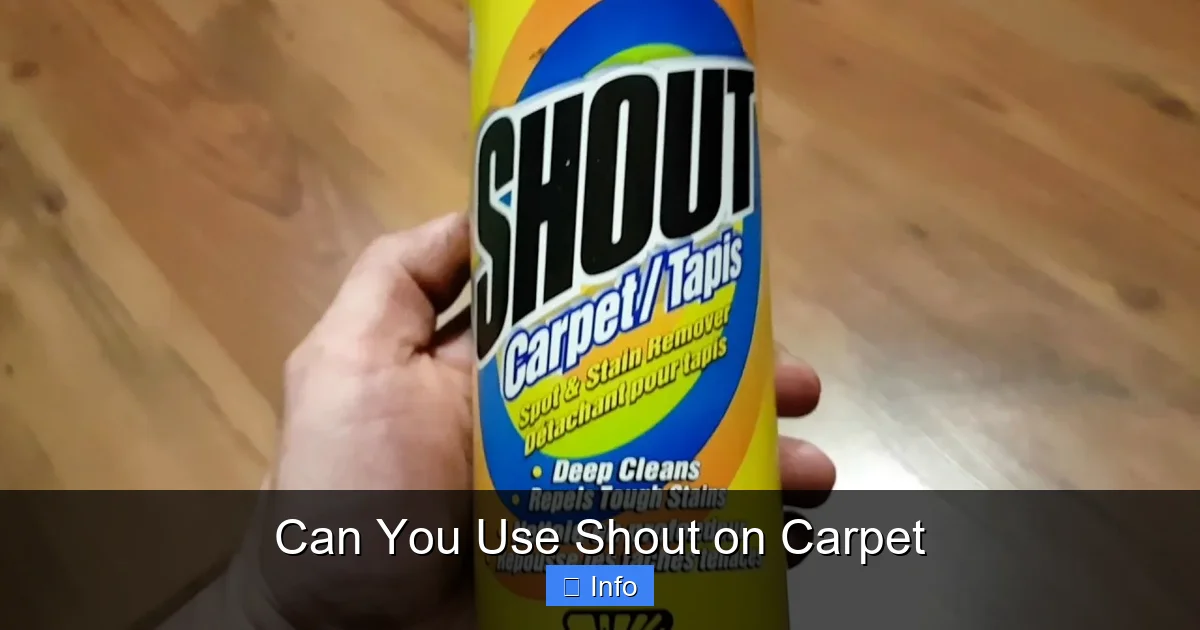
Visual guide about Can You Use Shout on Carpet
Image source: i.ytimg.com
Protein‑Based Stains
Stains from blood, vomit, urine, or dairy contain proteins that Shout’s surfactants can break down effectively. A quick spray, short dwell time, and blotting often lift these marks without harsh scrubbing.
Oil and Grease Marks
Cooking oil, butter, or motor oil respond well to the solvent components in Shout. For fresh grease spots, apply the product, let it penetrate for a few minutes, then blot. Older, set‑in grease may need a second application.
Food and Beverage Spills
Coffee, tea, juice, and wine stains often contain tannins and sugars. Shout can lift the pigment, but you may need to follow up with a mild vinegar solution to neutralize any acidity.
Limitations
Shout is less effective on ink, dye, or permanent marker stains. Those require specialized ink removers or alcohol‑based solutions. Additionally, heavy mud or clay may need pre‑soaking and agitation before Shout can work on the remaining residue.
Potential Risks and How to Avoid Them
Even with a successful spot test, there are scenarios where using Shout can lead to undesirable outcomes. Being aware of these helps you use the product safely.
Color Fading or Bleaching
The bleaching agents in some Shout formulas can cause yellowing or whitening, especially on natural fibers or dark‑colored carpets. To avoid this, always opt for the non‑bleach gel version if you’re unsure, and never leave the product on longer than recommended.
Residue Buildup
If Shout isn’t rinsed thoroughly, it can leave a sticky film that attracts dirt, making the carpet look dingy faster. After cleaning, go over the area with a water‑dampened cloth and blot dry until no slick feeling remains.
Fiber Damage
Aggressive rubbing or using undiluted Shout on delicate fibers like wool can cause the pile to break or feel brittle. Stick to blotting, dilute when needed, and limit contact time.
Ventilation and Skin Protection
Shout contains chemicals that can irritate skin and lungs. Use gloves, open windows, and consider wearing a mask if you’re sensitive to strong odors.
Alternative Carpet‑Cleaning Solutions
Sometimes the answer to Can You Use Shout on Carpet is “yes, but there’s a better option.” Here are a few alternatives that may be gentler or more effective depending on the situation.
Enzymatic Cleaners
For pet urine, vomit, or other organic stains, enzymatic cleaners break down the molecules at the source, eliminating odor as well as stain. They’re safe on most fibers and don’t pose a bleaching risk.
Vinegar and Baking Soda Paste
A mixture of white vinegar and baking soda creates a mild fizzing action that lifts stains without harsh chemicals. Apply the paste, let it dry, then vacuum away the residue.
Commercial Carpet Shampoos
Products specifically formulated for carpets often contain balanced surfactants and pH buffers that clean without risking discoloration. Look for brands labeled “wool‑safe” if you have natural‑fiber rugs.
Steam Cleaning
Hot water extraction (steam cleaning) can remove deep‑set dirt and stains without any chemicals. For tough spots, pre‑treat with a mild detergent, then run the steam cleaner over the area.
Real‑World Examples: Using Shout on Different Carpets
To illustrate how the guidelines work in practice, here are three scenarios that answer Can You Use Shout on Carpet with concrete outcomes.
Example 1: Nylon Living‑Room Rug with Coffee Spill
A dark‑nylon rug suffered a fresh coffee spill. The homeowner performed a spot test on a hidden corner—no color change after 10 minutes. They applied undiluted Shout directly to the stain, let it sit for 8 minutes, then blotted with a white cloth. The coffee lifted completely. After rinsing with cool water and blotting dry, the rug looked as good as new, with no residue or fading.
Example 2: Wool‑Blend Bedroom Rug with Pet Urine
A light‑colored wool‑blend rug had a dried pet‑urine spot. The spot test showed slight yellowing after 5 minutes with undiluted Shout, so the homeowner diluted the product 1:2 with water. They applied the diluted solution, let it sit for 6 minutes, then blotted gently. The stain faded significantly, and a follow‑up enzymatic cleaner removed any lingering odor. No damage occurred.
Example 3: Olefin Basement Carpet with Grease from a Bike Chain
An olefin basement carpet got a grease mark from a bike chain. The homeowner used Shout gel straight from the bottle, let it penetrate for 10 minutes, then blotted. The grease lifted, but a slight oily sheen remained. They repeated the process once more, then rinsed thoroughly with a wet‑vac. The carpet returned to its original appearance, confirming that Can You Use Shout on Carpet works well for synthetic fibers when used correctly.
Final Verdict: Should You Keep Shout in Your Carpet‑Care Kit?
After examining the chemistry, testing procedures, application methods, and real‑world results, we can answer the question Can You Use Shout on Carpet with a nuanced yes—provided you follow precautions. Shout excels on synthetic carpets and for fresh protein‑based, oil, or food stains when you:
- Do a spot test first.
- Dilute for light or natural fibers.
- Limit dwell time to 10‑15 minutes.
- Blot, never rub.
- Rinse thoroughly to avoid residue.
- Ventilate the area and wear gloves.
If your carpet is wool, silk, or a delicate antique rug, or if the stain is ink, dye, or permanent marker, consider alternatives like enzymatic cleaners, vinegar‑baking soda pastes, or professional steam cleaning. By matching the cleaner to the carpet type and stain nature, you’ll keep your floors looking fresh without risking damage.
In short, Shout can be a useful tool in your carpet‑cleaning arsenal—just treat it with respect, test first, and follow the steps outlined above. Your carpet will thank you with lasting freshness and vibrant color.
Frequently Asked Questions
Can I use Shout on a wool carpet?
Wool is more sensitive to the bleaching agents in some Shout formulas. Always dilute the product (1 part Shout to 2 parts water) and perform a spot test in an inconspicuous area before treating a visible stain. If any discoloration occurs, switch to a wool‑safe enzymatic cleaner instead.
How long should I leave Shout on the carpet before blotting?
For most synthetic carpets, 5 to 10 minutes is sufficient to break down the stain without risking bleaching. Never exceed 15 minutes, as prolonged contact increases the chance of fading or fiber damage, especially on light‑colored or natural‑fiber rugs.
Will Shout leave a sticky residue if I don’t rinse it?
Yes. If Shout isn’t rinsed thoroughly, the surfactants can dry into a tacky film that attracts dirt and makes the carpet look dingy faster. After the stain lifts, rinse the spot with cool water and blot dry until no slick feeling remains.
Can I use Shout on carpet stains caused by antifreeze?
If you have an antifreeze spill, you might wonder how to get antifreeze out of carpet and whether Shout can help. Shout can lift the oily component, but antifreeze also contains glycol that may need a specialized cleaner; always rinse well and consider a follow‑up with a vinegar‑water solution to neutralize any residue.
Is it safe to use Shout on carpet in a poorly ventilated room?
No. Shout contains chemicals that can irritate the eyes, skin, and respiratory system. Always open windows, use fans, or work in a well‑ventilated space, and wear gloves to protect your skin while applying the product.
What should I do if the stain doesn’t come out after using Shout?
If the stain persists after two gentle applications of diluted Shout, avoid scrubbing harder, as this can damage the fibers. Instead, try an enzymatic cleaner for organic stains, a vinegar‑baking soda paste for general spots, or consult a professional carpet‑cleaning service for tough, set‑in marks.