Commercial Car Washing Machine Price in India
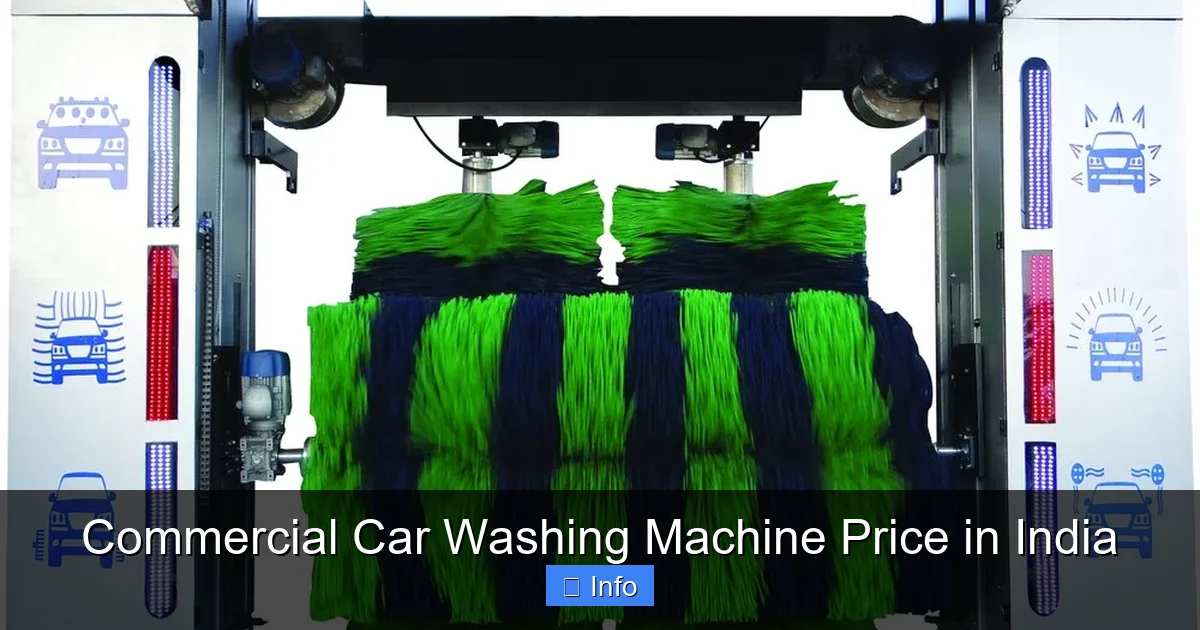
Understanding the commercial car washing machine price in India is essential for any business looking to offer professional cleaning services. This guide breaks down cost ranges, key features, and top brands so you can make an informed decision. By the end, you’ll know what to expect and how to get the best value for your investment.
Opening a car wash facility in India is an exciting venture, and one of the first decisions you will make is choosing the right equipment. The commercial car washing machine price in India can vary dramatically, so understanding what drives those costs will help you allocate your budget wisely.
In this guide, we will explore the key factors that influence pricing, compare popular brands, and share practical tips for getting the best value. Whether you are setting up a small bay or a large automated tunnel, the insights below will help you make an informed choice.
Beyond the numbers, the total cost of ownership includes water, electricity, maintenance, and potential downtime, all of which affect your profitability. By the end of this article, you will have a clear picture of what to expect when budgeting for a commercial car washing machine in India.
Key Takeaways
- Price Range: Commercial car washing machines in India typically cost between ₹30,000 and ₹1,50,000 depending on capacity and features.
- Capacity Matters: Choose a machine with a wash capacity of at least 120 cars per day for high‑volume operations.
- Power Source: Electric models are common, but ensure your facility has a stable 3‑phase supply for larger units.
- Key Features: Look for automatic soap dispensing, high‑pressure jets, and a durable stainless‑steel frame.
- Warranty & Support: Reputable brands offer 1‑year warranty and on‑site service agreements.
- Budget Tips: Compare prices from multiple suppliers, consider refurbished units, and negotiate for free installation.
📑 Table of Contents
What Drives the Commercial Car Washing Machine Price in India
Capacity and Throughput
The most significant price differentiator is the number of vehicles the machine can clean per day. A compact unit designed for 30–50 cars daily typically falls in the ₹30,000 to ₹60,000 range, while a high‑capacity tunnel system capable of handling 200+ cars can cost ₹1,20,000 or more. If you expect steady traffic, investing in a larger capacity will reduce per‑car operating costs in the long run. For example, a small neighborhood wash might start with a single‑brush bay, whereas a fleet service center could require a multi‑stage tunnel with pre‑wash, main wash, and drying zones.
When evaluating capacity, consider peak hours and average daily volume. A machine rated for 100 cars per day may seem adequate, but if you regularly serve 150 cars, you will need a higher model to avoid bottlenecks. Oversizing slightly can also future‑proof your business as demand grows.
Power and Motor Type
Electric motors are standard, but the voltage and phase requirements affect price. Single‑phase models are cheaper and easier to install, yet they may struggle under continuous load. Three‑phase systems, though more expensive, provide smoother performance and are preferred for commercial installations. Expect to pay an additional ₹10,000–₹20,000 for a three‑phase setup. In addition, variable‑frequency drives (VFDs) can improve energy efficiency, but they add to the initial cost.
It is wise to assess your existing electrical infrastructure before selecting a model. If your facility only has a single‑phase supply, you might need to upgrade your panel or install a transformer, which can add several thousand rupees to the project budget.
Build Quality and Materials
Stainless‑steel frames and corrosion‑resistant components increase durability but also raise the upfront cost. Machines with powder‑coated steel may be more affordable but could require earlier replacement. Weighing the trade‑between initial expense and longevity is crucial when evaluating the commercial car washing machine price in India. In coastal regions, salt‑air accelerates rust, making stainless steel a cost‑effective choice over a 3‑5 year horizon.
Look for IP ratings that indicate water and dust protection. A higher IP rating often correlates with better sealing and longer service life, which can offset a higher purchase price through reduced maintenance.
Warranty and Service Plans
When comparing prices, consider the warranty terms. A standard one‑year warranty covers parts and labor, but some manufacturers offer extended coverage for an additional fee. Extended warranties can be especially valuable for high‑usage environments, as they reduce unexpected repair costs. Also, inquire about service level agreements that guarantee on‑site support within a specific timeframe, which can minimize downtime.
Key Factors Influencing the Price
Design and Automation Level
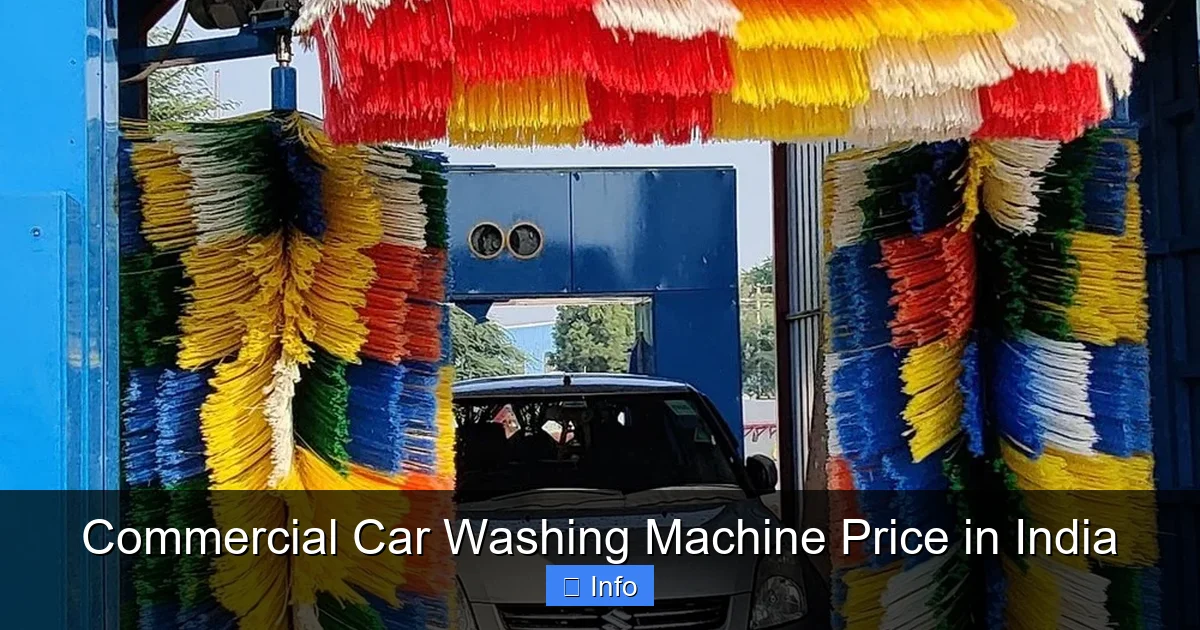
The layout of the wash bay significantly impacts cost. A self‑service station with a single brush arm and manual soap dispensing is the most economical option, often priced below ₹50,000. In contrast, a fully automated tunnel with multiple brushes, high‑pressure jets, and an integrated drying system can exceed ₹1,50,000. The more features you add, the higher the price climbs.
Visual guide about Commercial Car Washing Machine Price in India
Image source: 5.imimg.com
Consider the level of automation that matches your business model. A semi‑automatic unit that requires an operator to start the cycle may be sufficient for a small garage, while a drive‑through tunnel is ideal for high‑volume car dealerships.
Water Recovery Systems
Many modern commercial car washing machines include water recycling technology. These systems can reduce water consumption by up to 60 %, which not only lowers utility bills but also aligns with environmental regulations. However, the inclusion of a water recovery unit adds ₹15,000–₹30,000 to the price. For areas with water scarcity, this investment can be justified by long‑term savings.
Software and Control Systems
Advanced control panels with programmable wash cycles, remote monitoring, and data analytics are becoming common. These features improve efficiency and allow you to track performance metrics, but they also increase the cost. Basic models may lack these capabilities, so evaluate whether your operation needs real‑time insights.
Environmental Impact
Modern car wash systems are increasingly evaluated for their water and energy efficiency. Machines with variable‑frequency drives and water recycling not only lower operating costs but also help meet environmental standards. Choosing an eco‑friendly model may qualify you for government incentives or rebates, further improving the return on investment. Additionally, using biodegradable soaps in conjunction with a water‑saving machine can enhance your brand’s sustainability profile.
Cost of Consumables
Beyond the machine itself, ongoing expenses for soap, brushes, and water filters add up. High‑quality detergents may cost more per liter but can reduce the amount needed per wash. Similarly, replacement brushes and nozzles are available at various price points; choosing durable options can lower long‑term spending. Budget for these consumables when calculating the total cost of ownership.
Popular Brands and Their Price Ranges
Indian Manufacturers
Domestic brands such as CarWashTech and HydroClean India offer reliable equipment at competitive prices. Their entry‑level models start around ₹35,000, while premium variants with additional features can reach ₹90,000. These companies typically provide on‑site service and a one‑year warranty, making them a solid choice for local operators. Additionally, they often have a network of authorized service centers across major cities, ensuring quick support.
Visual guide about Commercial Car Washing Machine Price in India
Image source: tiimg.tistatic.com
Many Indian manufacturers also offer customization options, such as specific brush materials or special soap dispensers, allowing you to tailor the machine to your exact needs without a significant price increase.
International Brands
Global names like WashMaster and AquaPro bring advanced technology but at a higher cost. A basic WashMaster unit may cost ₹1,10,000, while a fully equipped AquaPro tunnel system can exceed ₹2,00,000. The price includes sophisticated controls, high‑efficiency motors, and often a longer warranty period, appealing to large‑scale operations. International brands may also provide training for your staff on optimal usage, which can improve efficiency.
When comparing international options, consider the availability of spare parts and service. While these brands have strong reputations, lead times for components can be longer, potentially affecting downtime.
Customer Support and Training
Robust after‑sales support is a critical differentiator. Leading brands provide comprehensive training for operators, ensuring that the machine is used efficiently and safely. Some companies also offer remote monitoring tools that alert you to potential issues before they cause downtime. When evaluating a brand, ask for a list of service centers and the average response time in your region.
Spare Parts Availability
Check whether the manufacturer maintains a local inventory of common spare parts such as pumps, belts, and control boards. Easy access to components reduces repair time and can prevent extended downtime. Some brands even offer a parts price list, allowing you to forecast maintenance costs accurately.
New vs Refurbished: Which Offers Better Value?
Advantages of New Machines
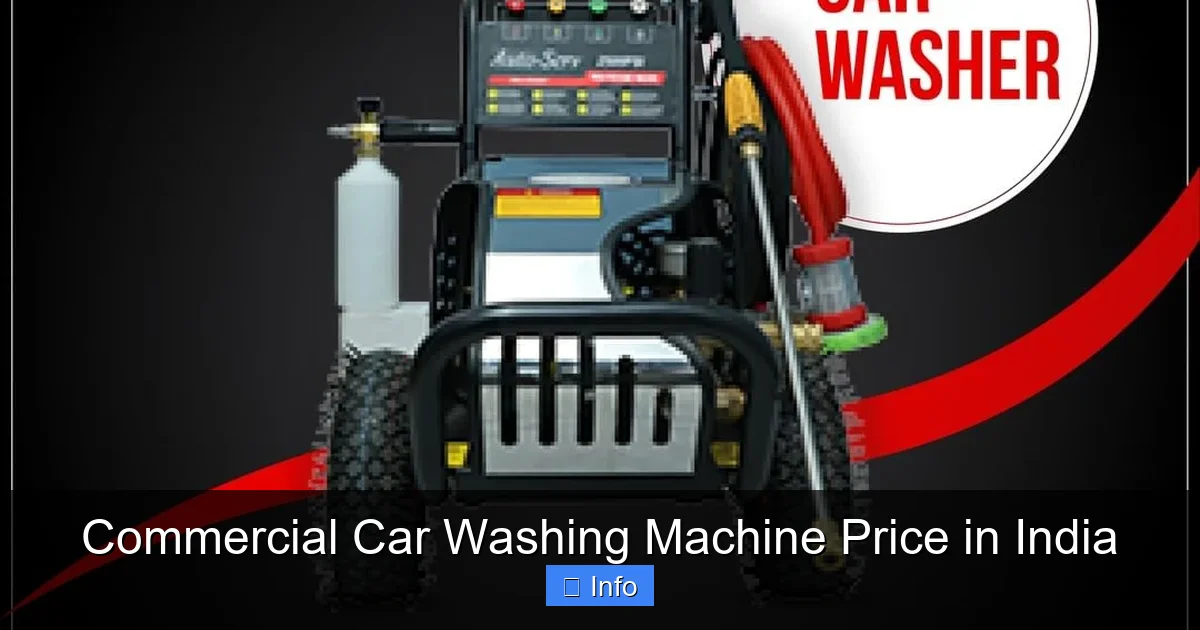
New equipment comes with the latest safety features, energy‑efficient motors, and manufacturer support. You also benefit from a full warranty, which can cover parts and labor for the first year. For a business that plans to operate for many years, the peace of mind may justify the higher initial outlay. Moreover, new models often incorporate the most recent water‑saving technologies, which can reduce operating costs over time.
Visual guide about Commercial Car Washing Machine Price in India
Image source: autoservindia.com
The latest software updates and connectivity options are typically available only on new units, allowing for better integration with your existing management systems.
Benefits of Refurbished Units
Refurbished machines can be 30–50 % cheaper than brand‑new models. Reputable refurbishers replace worn components, repaint the frame, and test the system thoroughly. If you have a limited budget, a certified refurbished unit from a trusted dealer can deliver reliable performance while preserving cash flow. Some refurbishers even offer a short‑term warranty, providing additional assurance.
When purchasing refurbished, ask for a detailed inspection report and verify that critical parts like pumps, brushes, and sensors have been replaced. This due diligence helps avoid unexpected failures after installation.
Resale Value
If you plan to upgrade in a few years, consider the resale value of the equipment. New machines typically retain a higher resale price, while refurbished units may have lower market value. However, well‑maintained refurbished equipment can still fetch a reasonable price, especially if it comes with a remaining warranty. Research the secondary market in your area to gauge demand for used car wash machinery.
Installation and Ongoing Costs
Installation Requirements
Proper installation is critical. You will need a level concrete foundation, adequate drainage, and a reliable water supply. Many suppliers include basic installation in the price, but additional charges may apply for electrical work or plumbing extensions. Always clarify what is included before signing a contract. It is also advisable to engage a licensed electrician to ensure compliance with local safety standards.
Consider the space required for the machine, including clearance for doors and maintenance access. A well‑planned layout can improve workflow and reduce the risk of accidents.
Routine Maintenance
Regular upkeep includes cleaning filters, checking hose connections, and inspecting brushes. Scheduling quarterly service can prevent unexpected breakdowns. Some operators find that a best garden hose water filter for car washing helps reduce mineral deposits, extending the life of the machine. Implementing a maintenance log can help track wear patterns and plan replacements before failures occur.
Additionally, keeping a stock of common spare parts, such as replacement nozzles and belts, can minimize downtime during peak hours.
Utility Expenses
Water and electricity consumption vary with usage. A typical commercial unit uses 150–250 liters of water per car and consumes 5–10 kWh of electricity. Installing a water‑recycling system can cut water costs by up to 40 %, improving your bottom line. Monitoring utility bills monthly can reveal inefficiencies and opportunities for further savings.
In regions with tiered water pricing, operating during off‑peak hours can also reduce expenses, especially if your machine has a large tank that can be filled when rates are lower.
Safety Features
Investing in safety features such as emergency stop buttons, leak detection sensors, and automatic shutoff valves can protect both your staff and your equipment. These features may increase the initial cost but can prevent costly accidents and insurance claims. Ensure that the machine complies with local electrical and safety regulations to avoid fines or operational shutdowns.
Training Requirements
Proper training ensures that your staff operates the machine safely and efficiently. Many suppliers provide on‑site training sessions, while others offer online tutorials. Investing in comprehensive training can reduce the risk of accidents and extend the equipment’s lifespan.
Tips to Secure the Best Deal
Negotiation Strategies
Ask for bundled pricing that includes installation, warranty extension, and spare parts. Compare quotes from at least three suppliers and highlight any discrepancies. Many vendors are willing to discount if you commit to a service agreement or purchase multiple units. You can also negotiate for free training sessions for your staff, which can improve operational efficiency.
Timing your purchase to align with supplier sales events or end‑of‑quarter targets can yield additional savings, as salespeople may have more flexibility to offer discounts.
Financing Options
Several Indian banks and equipment financiers offer loans specifically for car wash machinery. A low‑interest loan can spread the cost over 3–5 years, making a higher‑priced model affordable. Be sure to calculate the total interest expense before signing. Some lenders also provide lease‑to‑own options, which can be beneficial if you plan to upgrade the equipment later.
Explore government schemes or subsidies for water‑saving equipment, as these can further reduce the effective price of a commercial car washing machine in India.
After‑Sales Support
Choose a supplier that provides prompt technical assistance and maintains a stock of common spare parts. A service level agreement (SLA) that guarantees response within 24 hours can minimize downtime. For optimal cleaning performance, pair your machine with a high‑pressure nozzle; see the best power washer nozzle for car washing. Additionally, a durable best car wash brush with soap dispenser can enhance the wash quality while reducing manual effort.
Before finalizing, request references from existing customers and inquire about their experience with warranty claims and service responsiveness. A reliable after‑sales network is as important as the initial purchase price.
Industry Trends
The car wash industry is moving toward automation and data‑driven operations. Integrating IoT sensors that track water usage, energy consumption, and wash cycles can provide valuable insights for optimizing performance. When selecting a machine, consider whether it supports these smart features, as they can give you a competitive edge in the long term.
By carefully evaluating capacity, power requirements, brand reputation, and total cost of ownership, you can select a commercial car washing machine that fits your budget and operational goals. Remember that the lowest purchase price is not always the most economical choice when factoring in maintenance, utilities, and expected lifespan. With the right research and negotiation, you can equip your facility with a reliable system that delivers clean cars and happy customers.
Frequently Asked Questions
What is the average price of a commercial car washing machine in India?
The average price ranges from ₹30,000 for basic models to over ₹1,50,000 for high‑capacity automated systems, depending on features and capacity.
What factors most affect the price?
Key factors include wash capacity, power phase (single vs three‑phase), build materials, automation level, and included technologies like water recycling.
Is it better to buy new or refurbished?
New machines offer the latest features and full warranties, while refurbished units can be 30–50 % cheaper and still reliable if purchased from reputable refurbishers.
How much does installation cost?
Installation costs vary; basic setups may be included, but electrical upgrades, plumbing, and foundation work can add ₹10,000–₹30,000 to the total.
What are the ongoing maintenance expenses?
Regular maintenance includes filter cleaning, brush replacement, and periodic servicing, typically costing a few thousand rupees per year, plus consumables like soap and water.
Are there any government incentives for eco‑friendly models?
Yes, some states and agencies offer rebates or subsidies for water‑saving and energy‑efficient car wash equipment, so check local programs.