How Do I Reset My Blend Door Actuator
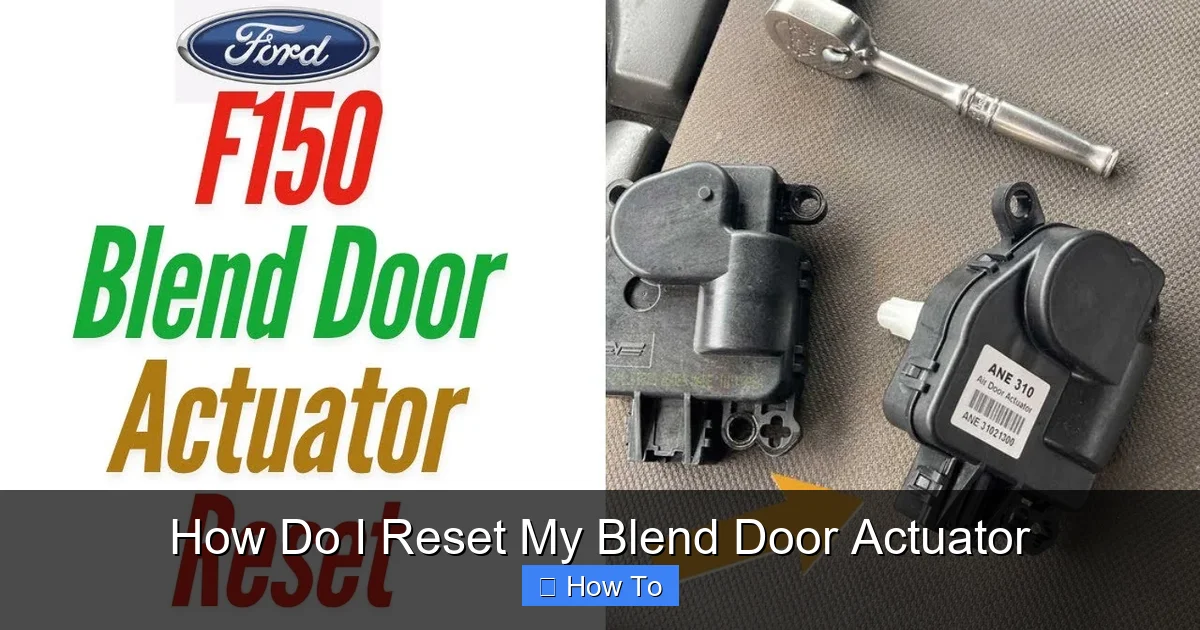
If your car’s AC is blowing hot air on one side and cold on another, or the temperature controls aren’t responding, you may need to reset the blend door actuator. This guide walks you through the signs, tools, and step-by-step process to reset it yourself, saving you a trip to the mechanic.
Hey there! If you’ve ever gotten into your car on a scorching summer day only to find that the AC is blowing nothing but heat, or maybe the passenger side feels like an icebox while the driver’s side stays warm, you’re not alone. This is one of the most common complaints drivers have, and more often than not, the culprit is a stubborn blend door actuator. But don’t panic just yet—you can actually learn how do i reset my blend door actuator right from your own garage. In this post, we’ll walk through exactly what a blend door actuator does, why it glitches, and the step-by-step methods to get it working again. Grab a coffee, roll up your sleeves, and let’s dive in!
Key Takeaways
- Point 1: Identify the symptoms of a stuck blend door actuator before attempting a reset.
- Point 2: Gather basic tools like a screwdriver and multimeter before starting the process.
- Point 3: Try the manual reset method first before investing in professional diagnostic equipment.
- Point 4: Disconnect the car battery for a few minutes to clear any electronic glitches affecting the HVAC system.
- Point 5: If the actuator motor hums but doesn’t move the door, it may be physically broken and need replacement.
- Point 6: Always test the temperature controls after resetting to confirm the issue is resolved.
- Point 7: When in doubt, consult a certified mechanic to avoid damaging your vehicle’s dashboard.
📑 Table of Contents
What Exactly Is a Blend Door Actuator?
A blend door actuator is a small electric motor tucked away behind your dashboard. Its sole job is to open and close a plastic flap—called the blend door—that directs airflow either toward the heater core or the AC evaporator. When you turn the temperature dial, this little motor rotates the door to mix hot and cold air until you reach your desired setting. The actuator receives signals from your car’s climate control head unit, processes the request, and physically moves the door to the correct position. Many modern vehicles, especially Toyotas, use digital actuators that can develop glitches over time due to software bugs or electrical resistance. Understanding how this component functions helps explain why a simple reset sometimes does the trick, and why sometimes the part itself needs replacement. The blend door is a critical part of your HVAC system because it ensures that the air coming through your vents is at the exact temperature you’ve selected. Without it, you’d have either full heat or full cool, with no middle ground. This is why when it sticks or stops responding, you notice such drastic temperature differences between the driver and passenger sides.
Think of the blend door actuator as the gatekeeper of your comfort. It doesn’t just turn the AC on or off; it precisely meters how much hot and cold air blends together. When the motor’s internal gear strip wears down or the electrical contacts corrode, the door may stop at the wrong angle, or not move at all. Some vehicles even store fault codes in the body control module when this happens, which is why a scanner can sometimes pinpoint the issue faster than a visual inspection. Knowing the anatomy of the problem sets the stage for the reset methods we’ll cover next.
Telltale Signs Your Actuator Needs a Reset
How can you tell if your blend door actuator is the bad guy? The most obvious clue is a temperature mismatch. Maybe the driver’s side is freezing while the passenger side is toasty. You might also hear a clicking or humming sound coming from behind the dash when you adjust the climate controls. In some cases, the controls become completely unresponsive, or the temperature display flashes inconsistently. Another sign is when the actuator motor runs continuously even after you’ve reached your desired temperature, indicating it’s struggling to find the right position. If any of these sound familiar, it’s time to investigate. Learning how do i reset my blend door actuator can save you hundreds in diagnostic fees, but only if the issue is actually a glitch and not a broken part. Sometimes the problem is simply a calibration drift, which a reset can fix. Other times, the motor gear is stripped, and no amount of resetting will help. Knowing the difference saves you time and money.
Sometimes the signs are subtle. You might notice that the air only changes temperature when you wiggle the dial a certain way, or that the defrost setting doesn’t seem to redirect airflow properly. These intermittent issues are often the result of the actuator’s position sensor losing its reference point. A reset can sometimes recalibrate that sensor, restoring normal operation without any parts replacement. Pay attention to when the problem started—did it happen after a battery disconnect, or did it seem to develop gradually? These clues help determine whether a reset is worth trying.
Tools You’ll Need for the Job
The good news is you don’t need a professional mechanic’s toolbox to attempt a reset. In most cases, all you need is a basic socket set, a flathead screwdriver, and maybe a pair of pliers. If you want to do a battery disconnect reset, no tools are required other than your hands. However, if you plan to use an OBD-II scanner for a forced reset, you’ll need a scanner that supports body control module functions. Having a flashlight handy is also a lifesaver, since the actuator is often tucked deep inside the dashboard. Some Toyota models have easier access than others, so consult your owner’s manual before starting. If you’re comfortable with other DIY reset tasks, you might also want to learn how to reset the oil light on your Toyota, which follows a similar process and can build your confidence for tackling electrical components.
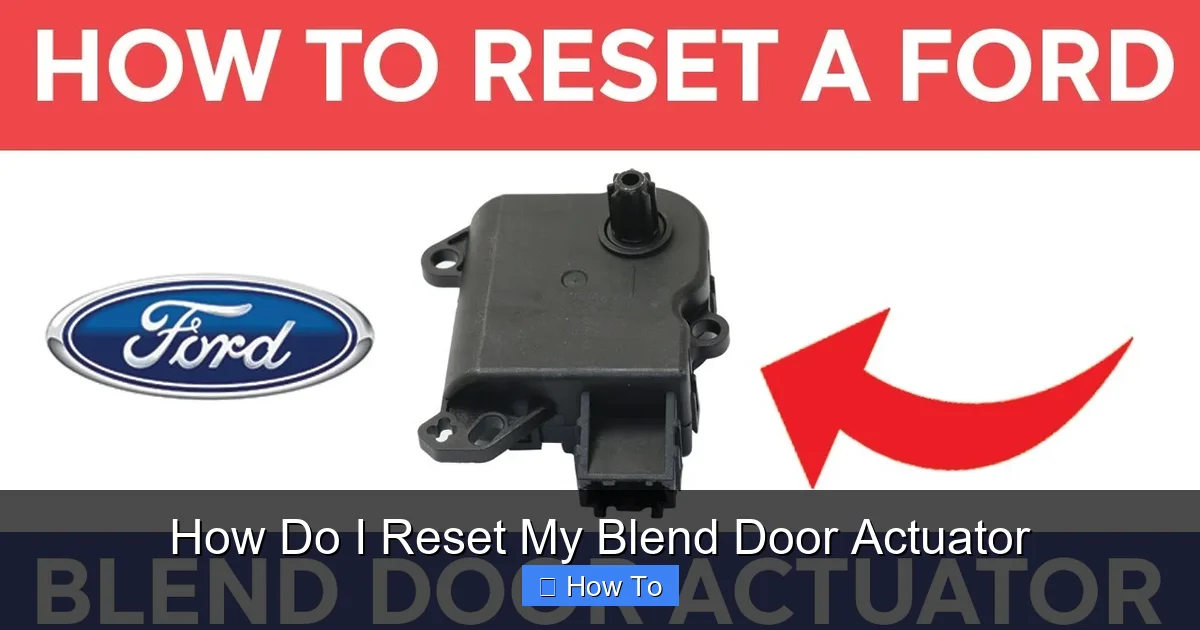
Visual guide about How Do I Reset My Blend Door Actuator
Image source: i.ytimg.com
Having the right lighting makes a huge difference. The blend door actuator is usually hidden behind the instrument panel, often on the passenger side of the center console. A magnetic flashlight or a headlamp can keep your hands free while you work. Additionally, having a trim removal tool set helps you gently pry away dashboard panels without cracking the plastic. If you’re working on an older Toyota, you might find the actuator accessible through the glove box area, which saves you from removing the entire dash. Always work on a cool engine and make sure the key is out of the ignition before starting any disassembly.
Step-by-Step: How to Reset Your Blend Door Actuator (Manual Method)
The manual reset is the most accessible method for DIYers and often does the trick when the actuator has simply lost its calibration. Start by turning your ignition key to the “On” position—just before the engine starts—without pressing the gas pedal. Then, turn the temperature dial to the full cold setting, wait a few seconds, and switch it to full hot. Repeat this process three to four times. This sequence often forces the actuator to recalibrate its range of motion. Afterward, turn the key off, open the driver’s side door, and wait about a minute before restarting the car. Test the AC to see if the temperature now shifts smoothly from cold to hot. If it does, congratulations! You’ve successfully learned how do i reset my blend door actuator without any special equipment. If the temperatures still feel off, don’t worry—there are other methods we’ll cover next.
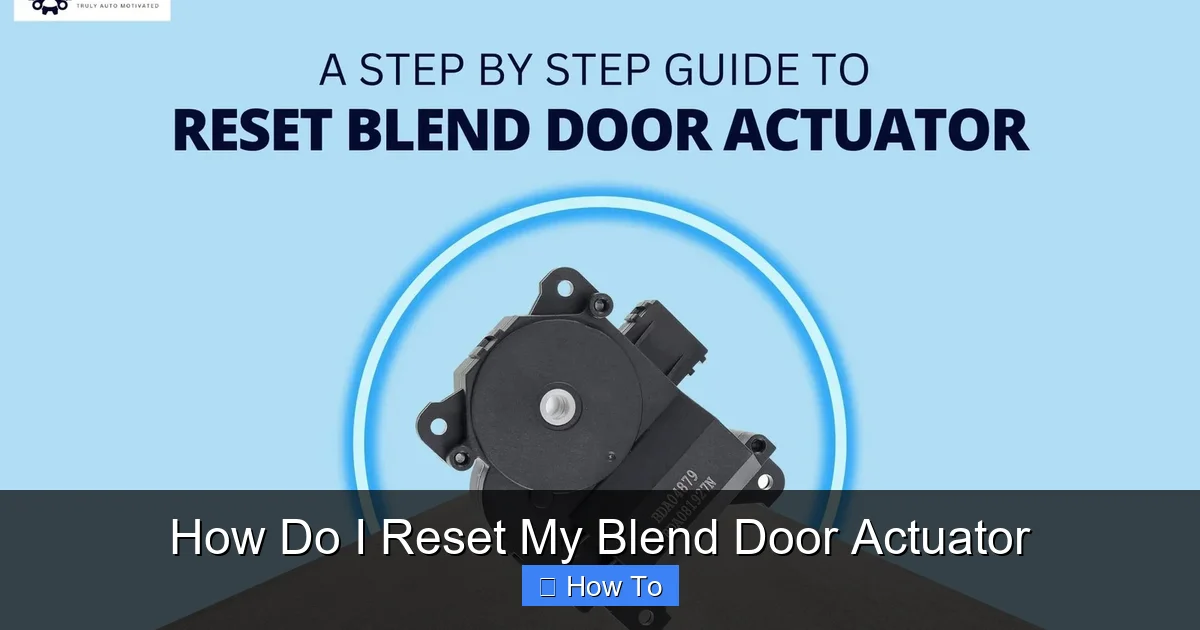
Visual guide about How Do I Reset My Blend Door Actuator
Image source: autovehicleparts.com
Repeat the cold-to-hot cycle a few times even if it seems to be working the first time. Sometimes the actuator needs multiple cycles to fully reset its internal potentiometer. If you have a multimeter, you can check the voltage at the actuator connector while cycling the dial; a healthy signal should change smoothly as you move from cold to hot. If the voltage stays flat or jumps erratically, the issue might be electrical rather than mechanical. This manual approach works on many Toyota models, including the Camry, Corolla, and RAV4, but always verify your specific model’s procedure in the service manual.
Step-by-Step: How to Reset Using a Scan Tool
If the manual method doesn’t work, a scan tool can perform a forced actuator calibration. Plug the scanner into your car’s OBD-II port, usually located under the dashboard near the steering column. Navigate to the HVAC or body control section, look for an option like “Blend Door Actuator Reset” or “Actuator Calibration,” and follow the on-screen prompts. The scanner will send a signal to the actuator to move through its full range of motion, effectively zeroing it out. This method is particularly useful for newer Toyota models with electronic climate control systems, where the computer manages the actuator’s position electronically. After the reset, clear any stored trouble codes and take the car for a test drive to verify the temperature controls are responding correctly. Some scanners even allow you to monitor the actuator’s position in real time, which can be incredibly helpful for diagnosing intermittent issues.
Not all OBD-II scanners are created equal. Basic code readers might not have the HVAC functions needed for a blend door reset. If you’re serious about DIY repairs, investing in a scanner with live data streaming, such as a Foxwell or Autel model, pays off quickly. These tools can also tell you if the actuator is receiving the correct voltage commands from the climate control module. If the scanner shows the actuator moving but the temperature isn’t changing, the problem could be a blend door itself that’s physically obstructed or a faulty temperature blend door cable in older vehicles. Always cross-reference the scanner’s readings with the symptoms you’re experiencing.
Common Mistakes and How to Avoid Them
One of the biggest mistakes DIYers make is assuming every temperature issue is the actuator. Sometimes the problem is a blown fuse, a faulty temperature sensor, or even a software glitch in the climate control module. Another common error is forcing the actuator manually without disconnecting the battery, which can strip the gear teeth inside the motor. Always disconnect the negative battery terminal for at least 10 minutes before tinkering with dashboard components. Additionally, don’t ignore other warning lights on your dashboard—they might be telling you something else is wrong. If you’re already diving into DIY resets, you might also want to learn how to reset the maintenance light on a Toyota, which shares similar troubleshooting steps. By avoiding these pitfalls, you’ll save time and keep your repair costs low.
Another mistake is replacing the actuator without confirming it’s the actual failure. Some owners spend $200+ on a new part only to find the problem persists because the real issue was a vacuum leak or a control head malfunction. Always double-check fuses related to the HVAC system—usually labeled “HVAC,” “CLIMATE,” or “BLOWER”—before spending money on parts. If you’ve replaced the actuator and the problem returns within a few weeks, re-examine the wiring harness for frays or corrosion, especially if you live in a humid or salty climate. These small details often get overlooked but are crucial for a lasting repair.
When Replacement Is the Only Option
Not every blend door issue can be solved with a reset. If you’ve tried both the manual key-turn method and the scan tool reset, and the temperature controls are still behaving erratically, the actuator motor may have internal damage. Symptoms that point to replacement include a motor that makes loud grinding noises, a door that physically won’t move even when the motor is running, or fault codes that keep returning after a reset. In these cases, the plastic gear strip inside the actuator has likely stripped, and the only fix is a new unit.
Replacing a blend door actuator is a more involved process. It often requires removing part of the dashboard, disconnecting the heater core hoses, and carefully routing the new actuator into place. The part itself typically costs between $50 and $150 depending on the Toyota model, but labor at a shop can add $200 to $500 to the bill. If you’re comfortable with intermediate automotive repairs and have a service manual for your specific year and model, doing it yourself can save a significant amount. Just be patient—rushing the installation can lead to stripped screws or misaligned doors, which bring you back to square one.
Before ordering a replacement, check online forums and Toyota-specific repair guides for any technical service bulletins (TSBs) related to blend door actuators. Manufacturers sometimes issue updates or improved part numbers that address known reliability issues. Taking a few minutes to research can save you from buying a part that doesn’t fix the root cause.
There you have it! Whether you try the key-turn trick, the battery disconnect, or invest in a scan tool, resetting your blend door actuator is a doable task for many car owners. The key is to pay attention to the symptoms, use the right method for your vehicle, and know when it’s time to seek professional help. If you’ve followed the steps and your AC still isn’t behaving, don’t sweat it—a certified mechanic can diagnose the issue in no time. And the next time someone asks you how do i reset my blend door actuator, you’ll have the answer ready. Happy driving, and may your future rides be perfectly climate-controlled!
Frequently Asked Questions
What are the most common symptoms of a failing blend door actuator?
The most common symptoms include uneven temperatures between the driver and passenger sides, a clicking or humming noise coming from the dashboard when adjusting the climate controls, and unresponsive temperature controls. In some cases, the AC may blow only hot or only cold air regardless of the setting. These signs usually point to the actuator losing its calibration or suffering internal gear failure.
Can I reset my blend door actuator without any tools?
Yes, you can. The simplest method involves turning the ignition to the “On” position and cycling the temperature dial from full cold to full hot several times. This manual reset often recalibrates the actuator without requiring any special tools. However, having a flashlight and basic hand tools can make the process easier, especially if you need to access the actuator behind the dashboard.
Will disconnecting the battery reset the blend door actuator?
Disconnecting the battery for about 10 to 15 minutes can reset the vehicle’s electronic systems, including the climate control module. This power cycle may force the blend door actuator to reset its position memory. After reconnecting the battery, start the car and cycle the temperature controls to see if the issue is resolved.
Do I need a professional scan tool to reset the blend door actuator?
Not necessarily. Many DIYers successfully use the manual key-turn method or battery disconnect technique. However, if those methods don’t work, a scan tool capable of communicating with the body control module can perform a forced actuator calibration. Basic code readers may not have this capability, so investing in a more advanced scanner can be worthwhile for frequent DIY repairs.
How long does it take to reset a blend door actuator?
The manual reset method takes only a few minutes—just a couple of cycles of the temperature dial. If you’re using a scan tool, the process might take 15 to 30 minutes, including setup and testing. If you need to replace the actuator, the job can take one to three hours depending on your vehicle model and your familiarity with dashboard disassembly.
Can a blown fuse cause blend door actuator problems?
Absolutely. A blown fuse in the HVAC or climate control circuit can prevent the actuator from receiving power, mimicking the symptoms of a failed actuator. Before investigating the actuator itself, check your vehicle’s fuse box for any blown fuses related to the climate system. Replacing a fuse is a quick, free fix that may resolve the issue entirely.