What Problems Do 2015 Toyota Rav4 Models Have?
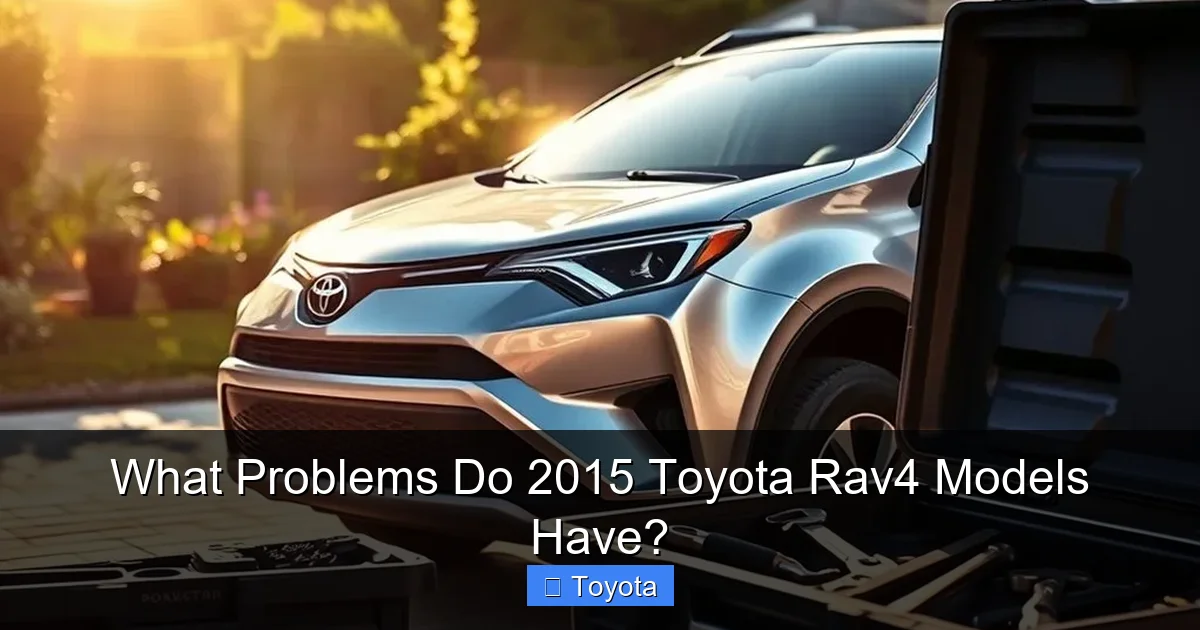
2015 Toyota RAV4 owners often face transmission, electrical, and rust issues, but regular maintenance and timely repairs can keep the SUV reliable. Learn the common problems and how to avoid costly fixes.
2015 Toyota RAV4 is a popular compact SUV that offers good fuel economy and a comfortable ride. Many owners love its reliability, but like any vehicle it can develop common problems over time. Knowing what to look for helps you keep the car running smoothly and avoid expensive repairs.
In this guide we break down the most frequent issues reported by 2015 RAV4 drivers. We explain the symptoms, why they happen, and what you can do to fix or prevent them. Whether you are a current owner or thinking about buying a used model, this information will help you make smarter choices.
Key Takeaways
- Transmission troubles: CVT slipping or harsh shifting can be fixed with fluid changes and software updates.
- Electrical glitches: Battery, alternator, and infotainment problems are common; use an OBD2 scanner for diagnosis.
- Rust concerns: Wheel wells and undercarriage are prone to rust; regular washing and rust‑inhibitor spray prevent damage.
- Suspension wear: Shocks, struts, and steering components may need replacement to restore ride comfort.
- Fuel economy dip: Misfires, fuel pump issues, and clogged filters reduce MPG; simple maintenance restores efficiency.
- Safety recalls: Airbag and brake system recalls should be checked and completed promptly for occupant protection.
- Preventive care: Routine checks, timely fluid changes, and proper driving habits extend the life of your RAV4.
📑 Table of Contents
Common Transmission Issues
The 2015 Toyota RAV4 comes with a continuously variable transmission, often called a CVT. While this type of gearbox gives smooth acceleration, it can develop problems as it ages. Typical symptoms include a noticeable slip when you accelerate, harsh or delayed shifting, and a whining noise coming from the engine bay. The check engine light may flash, and you might see a drop in fuel efficiency.
Symptoms and Signs
You may feel the engine revving higher without a speed increase. The car might jerk when you change gears, or the check engine light can flash. A burning smell from the transmission fluid is another warning sign. These signs often mean the transmission fluid is low, the clutch pack is worn, or the software needs an update.
Why It Happens
CVT units rely on a special fluid and a belt that can wear out. If the fluid is old or contaminated, the belt can slip, leading to the symptoms mentioned. In addition, software glitches can cause the transmission control module to misread speed data. Wear on the clutch pack inside the transmission can also reduce grip, especially after frequent short trips, heavy loads, or towing.
Fixes and Prevention
Start by checking the transmission fluid level and condition. Replace the fluid on schedule, usually every 60,000 miles, using the manufacturer‑approved type. A software update from the dealer can also improve shifting smoothness. If the problem persists, a rebuilt CVT or a professional diagnosis may be needed. Regular driving habits, such as avoiding rapid acceleration, help extend the life of the transmission. If you notice the transmission slipping, you might want to read our guide on how to break in a new car Toyota to improve shifting smoothness.
Electrical System Glitches
Electrical problems are another common complaint for the 2015 RAV4. Owners report battery drain, alternator failure, and occasional glitches in the infotainment system. A weak battery can cause dim headlights, a slow cranking engine, and occasional stalling. The alternator is responsible for charging the battery while the engine runs. If it stops charging, the battery will drain quickly.
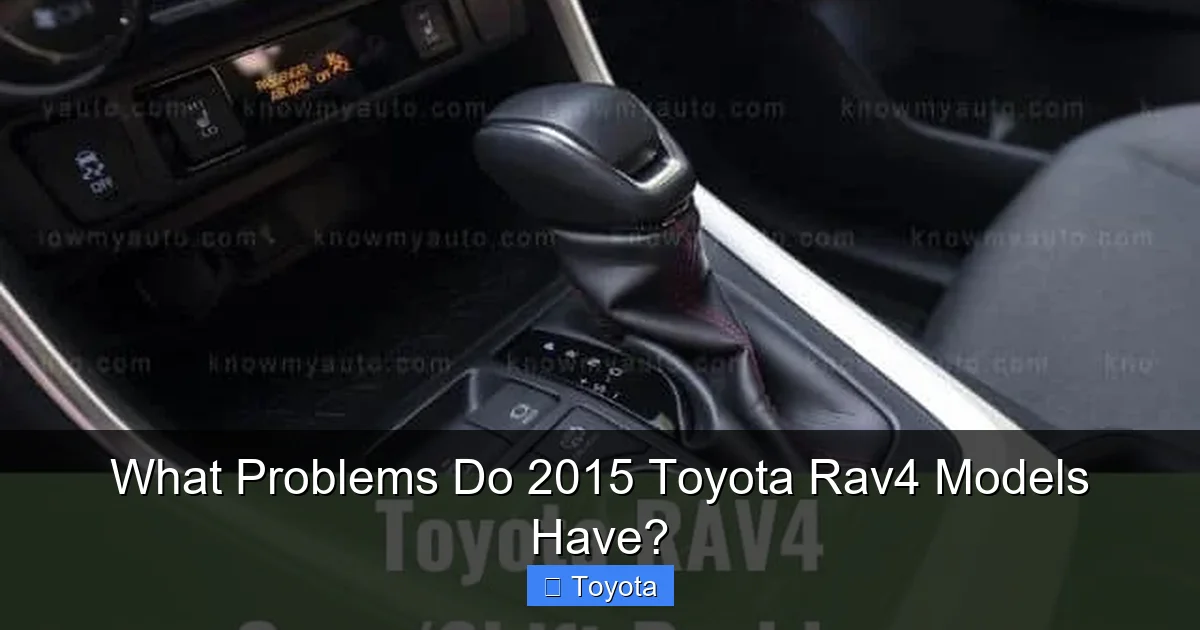
Visual guide about What Problems Do 2015 Toyota Rav4 Models Have?
Image source: knowmyauto.com
Battery and Alternator Problems
Corrosion on the battery terminals is a frequent culprit. Salt, moisture, and age can build up on the posts, reducing conductivity. Cleaning the terminals with a wire brush and applying dielectric grease can restore good contact. Test the battery voltage with a multimeter; a healthy battery should read around 12.6 volts at rest. If the voltage drops below 12.2 volts while the engine is running, the alternator may be failing.
Infotainment and Sensor Failures
The touchscreen display can freeze or go blank. Sensors such as the parking aid or lane departure indicator may give false warnings. These issues are often traced to a faulty wiring harness or a failing module. In many cases, a reset or a software update resolves the issue. Use an OBD2 scanner to read error codes; common codes include P0562 for low system voltage and P0606 for engine control module performance.
Diagnostic Tips
If you are not comfortable checking these codes, a professional mechanic can run a full electrical test. Budgeting for electrical repairs is easier when you know the average cost, see our article on how much does a Toyota cost to understand typical repair expenses.
Rust and Corrosion Concerns
Even though the 2015 RAV4 is built with steel, rust can appear in certain areas, especially in regions with road salt. Common spots include the wheel wells, the undercarriage, and around the door sills. Rust can start as small surface spots and grow into larger patches that affect the body panels.

Visual guide about What Problems Do 2015 Toyota Rav4 Models Have?
Image source: images.carexpert.com.au
Where Rust Appears
Typical rust locations are the wheel wells, the undercarriage, the area around the rear bumper, and near the front fenders. These spots collect water and debris, creating the perfect environment for corrosion. Inspect the vehicle after winter months for any orange flakes or rough patches on the metal.
Impact on Structural Integrity
If rust spreads to the frame or suspension mounting points, it can weaken the structure. This may lead to handling issues, uneven tire wear, or even a dangerous failure of critical components. Early detection is key to keeping the vehicle safe and maintaining its resale value.
Prevention Strategies
Wash the undercarriage regularly, especially after winter storms, using a pressure washer to remove salt and grime. Apply a rust‑inhibiting spray or undercoating to vulnerable areas after cleaning; products such as wax‑based rust protectants create a barrier that slows corrosion. Touch up any chips in the paint promptly, as a small scratch can let moisture reach the metal and start a rust spot. When evaluating resale value, check out our piece on how much is a Toyota Rav to understand market pricing for similar models.
Suspension and Steering Problems
The RAV4’s suspension system uses coil springs and shock absorbers that can wear out over time. Worn shocks or struts can cause a bouncy ride, reduced stability on rough roads, and uneven tire wear. You may also notice that the car feels less planted during cornering.
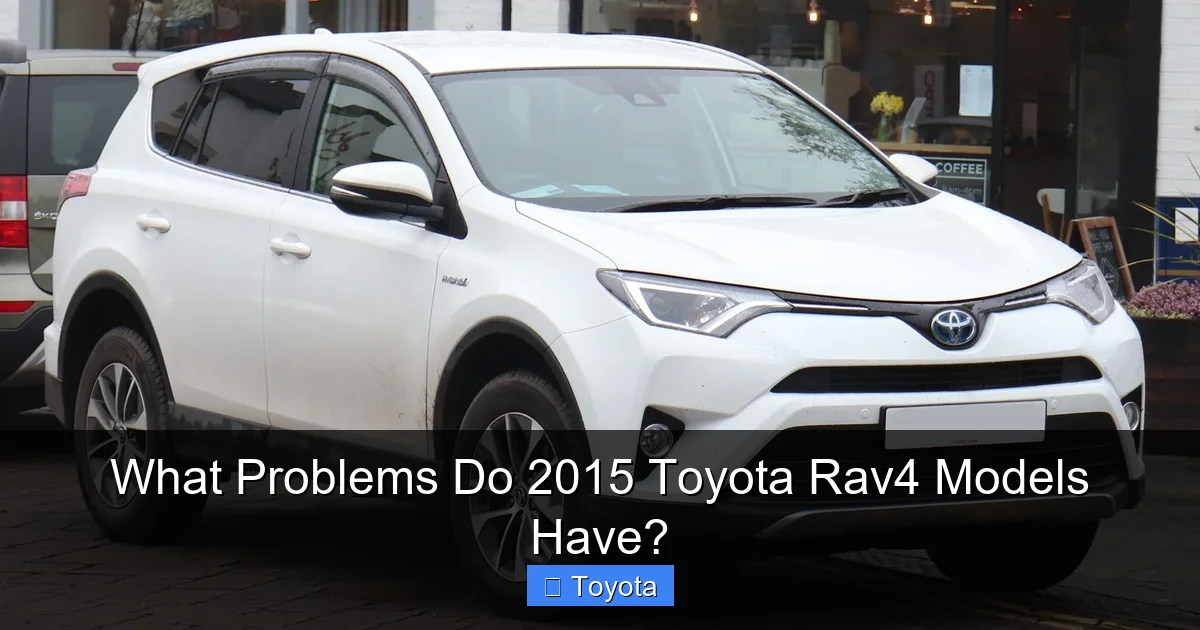
Visual guide about What Problems Do 2015 Toyota Rav4 Models Have?
Image source: copilotsearch.com
Worn Shocks and Struts
Inspect the shocks for oil leaks or loss of damping. If the ride feels too soft or the car bounces excessively after a bump, replacement is likely needed. Replacing shocks in pairs ensures balanced handling.
Power Steering Leaks
The power steering pump can develop leaks, causing the steering to feel loose or heavy. Check for fluid puddles under the front of the car and listen for a whining noise when turning the wheel. Low power steering fluid can also cause the pump to wear out faster, so keep the reservoir topped up.
Alignment Issues
Misaligned wheels cause the vehicle to pull to one side and can lead to premature tire wear. If the steering wheel is off‑center when driving straight, have the alignment checked. Also, ball joints and tie rod ends can wear out, resulting in clunking noises over bumps. Replacing these parts restores precise steering control.
Regularly inspect the suspension components for leaks, cracks, or excessive play. Keeping the suspension in good shape improves ride comfort and vehicle safety.
Fuel Economy and Engine Performance
While the 2015 RAV4 offers decent fuel economy, some owners see a drop in miles per gallon over time. Engine misfires and rough idle are common signs of worn spark plugs, dirty fuel injectors, or a failing ignition coil. The engine may shake at stoplights and the check engine light can illuminate.
Engine Misfires and Rough Idle
Check the spark plugs and replace them if they are worn or fouled. Clean the fuel injectors or have them professionally cleaned to restore proper fuel spray. A weak ignition coil can also cause misfires; test the coil output with a multimeter if you are comfortable.
Fuel Pump Failures
A weak fuel pump may not deliver enough fuel, leading to loss of power, especially when climbing hills or accelerating quickly. Listen for a humming sound from the fuel tank when the engine is running; silence may indicate a pump problem. If you suspect a fuel pump issue, have a mechanic perform a fuel pressure test.
Maintaining Optimal MPG
Keep the air filter clean, maintain proper tire pressure, and use the octane rating suggested by Toyota. These simple steps help the engine run efficiently and improve miles per gallon. Cleaning the throttle body and fuel injectors can improve combustion efficiency and restore lost mileage. If you notice a significant drop in MPG, have a mechanic run a fuel pressure test and inspect the ignition system.
Safety and Airbag Recalls
Safety features are essential, and the 2015 RAV4 has been part of several recall campaigns. Airbag deployment issues and brake system concerns are among the most important.
Airbag Deployment Issues
Some airbag modules may not deploy correctly in a collision, reducing protection for occupants. Check the Toyota recall database with your vehicle identification number to see if your RAV4 is affected. If a recall applies, have the dealer replace the airbag module as soon as possible.
Brake System Concerns
Brake fade or noisy brakes can indicate worn pads or rotors. In some cases, the anti‑lock braking system (ABS) module may need software updates. Also, brake fluid leaks can compromise stopping power, so inspect the lines and master cylinder regularly.
Checking Recall Notices
To stay safe, verify that all open recalls have been completed. You can do this online at the NHTSA website or by calling your dealer. Addressing recalls promptly keeps you and your passengers safe.
Conclusion
Overall, the 2015 Toyota RAV4 is a solid compact SUV, but it is not immune to transmission, electrical, rust, suspension, and safety issues. By staying on top of regular maintenance, using quality parts, and addressing problems early, you can keep your RAV4 reliable for many miles. Remember to check for recalls and consult trusted resources such as our guide on how to break in a new car Toyota for best driving practices. With proactive care, your RAV4 will continue to serve you well on daily commutes and weekend adventures.
Frequently Asked Questions
What are the most common transmission problems in a 2015 Toyota RAV4?
The 2015 RAV4 often experiences CVT slipping, harsh shifting, or delayed acceleration. These issues are usually caused by old transmission fluid, worn clutch packs, or software glitches.
How can I tell if my RAV4 battery is failing?
Signs of a failing battery include dim headlights, slow engine cranking, and a battery warning light on the dash. Testing the voltage with a multimeter or having it checked at a shop can confirm the condition.
Is rust a big issue for the 2015 RAV4?
Yes, rust can develop in wheel wells, undercarriage, and door sills, especially in snowy climates. Regular washing, rust‑inhibitor spray, and prompt paint touch‑ups help prevent structural damage.
What should I do if my RAV4’s check engine light comes on?
Use an OBD2 scanner to read the trouble codes, which can point to the specific problem. If you’re unsure, take the vehicle to a qualified mechanic for a full diagnostic.
How often should I change the transmission fluid in my RAV4?
Toyota recommends changing the CVT fluid every 60,000 miles. Following this schedule helps prevent slipping and prolongs transmission life.
Are there any safety recalls I need to check for my 2015 RAV4?
Yes, there have been recalls for airbag deployment and brake system components. Verify your VIN on the Toyota or NHTSA website to see if any open recalls apply to your vehicle.