Does a 2006 Toyota Tundra Have a Cabin Air Filter?
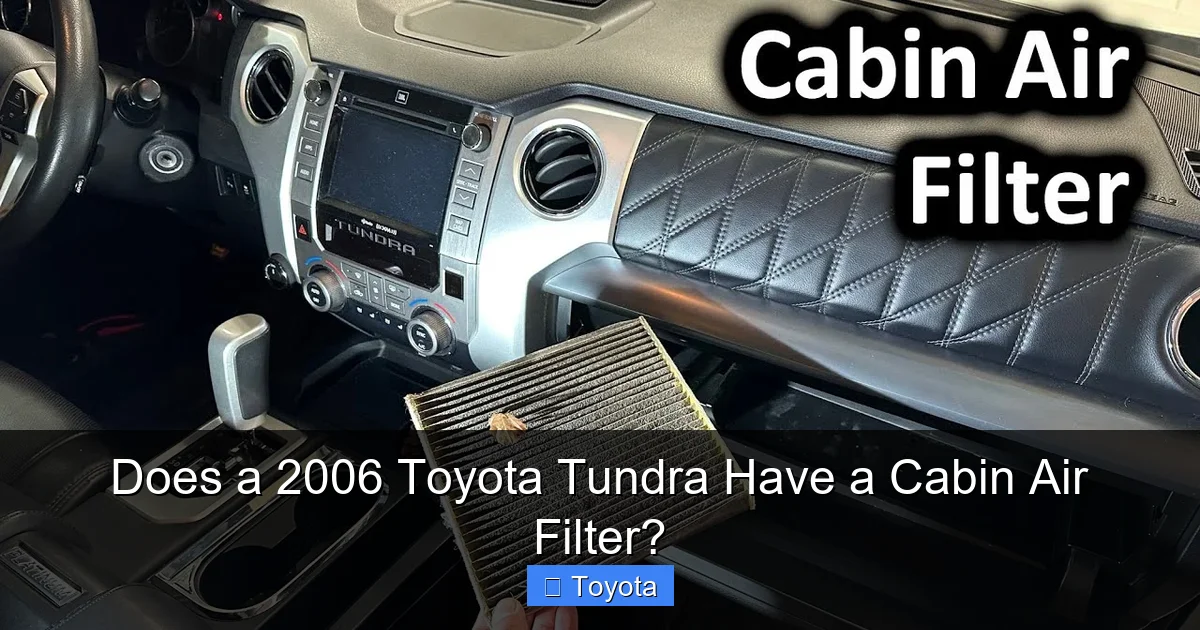
The 2006 Toyota Tundra does indeed have a cabin air filter, but it’s often overlooked by owners. This essential component helps maintain air quality inside your vehicle by filtering out dust, pollen, and other contaminants. Understanding how to locate, inspect, and replace this filter can significantly improve your driving experience and health.
Key Takeaways
- All 2006 Toyota Tundra models have cabin air filters: Both the standard and limited versions include this important air quality component.
- Filter location is behind the glove box: The cabin air filter is located in the passenger side footwell area for easy access.
- Replacement interval is typically 12,000-15,000 miles: Regular replacement ensures optimal air flow and filtration performance.
- Signs of needed replacement include reduced airflow: Weak air from vents or unusual odors indicate it’s time for a new filter.
- DIY replacement is straightforward and cost-effective: Most owners can replace the filter themselves in about 15-30 minutes.
- Quality matters for better filtration: Choosing high-quality cabin air filters improves air quality and extends replacement intervals.
- Regular maintenance prevents HVAC system damage: Ignoring the cabin air filter can lead to costly repairs of the heating and cooling system.
📑 Table of Contents
- Understanding Your 2006 Toyota Tundra’s Cabin Air Filter System
- Where to Find the Cabin Air Filter in Your 2006 Toyota Tundra
- Signs That Your Cabin Air Filter Needs Replacement
- How Often Should You Replace the Cabin Air Filter?
- Choosing the Right Replacement Filter for Your Tundra
- DIY Cabin Air Filter Replacement Process
- Benefits of Maintaining Your Cabin Air Filter
- Troubleshooting Common Cabin Air Filter Issues
- Maximizing Your Cabin Air Filter’s Lifespan
Understanding Your 2006 Toyota Tundra’s Cabin Air Filter System
Let’s start with the basics. If you’re driving a 2006 Toyota Tundra, you probably love its reliability and rugged capability. But here’s something many Tundra owners don’t realize – your truck has a cabin air filter that needs regular attention. This small but mighty component plays a big role in keeping the air inside your cabin clean and breathable.
The cabin air filter in your 2006 Tundra works like a protective barrier. It catches dust, pollen, exhaust fumes, and other airborne contaminants before they enter your vehicle’s ventilation system. Think of it as your truck’s personal air purifier. Without it, you’d be breathing in all kinds of nasty stuff every time you run your air conditioning or heater.
Many people assume that older vehicles like the 2006 Tundra might not have this feature. After all, cabin air filters weren’t standard on every vehicle back then. However, Toyota was ahead of the curve. They recognized early on that clean cabin air was important for driver comfort and health. So yes, your 2006 Tundra definitely has a cabin air filter, and knowing about it will help you take better care of your truck.
Where to Find the Cabin Air Filter in Your 2006 Toyota Tundra
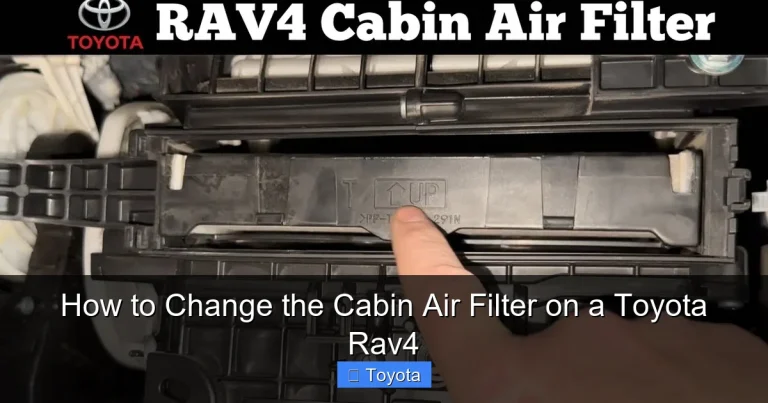
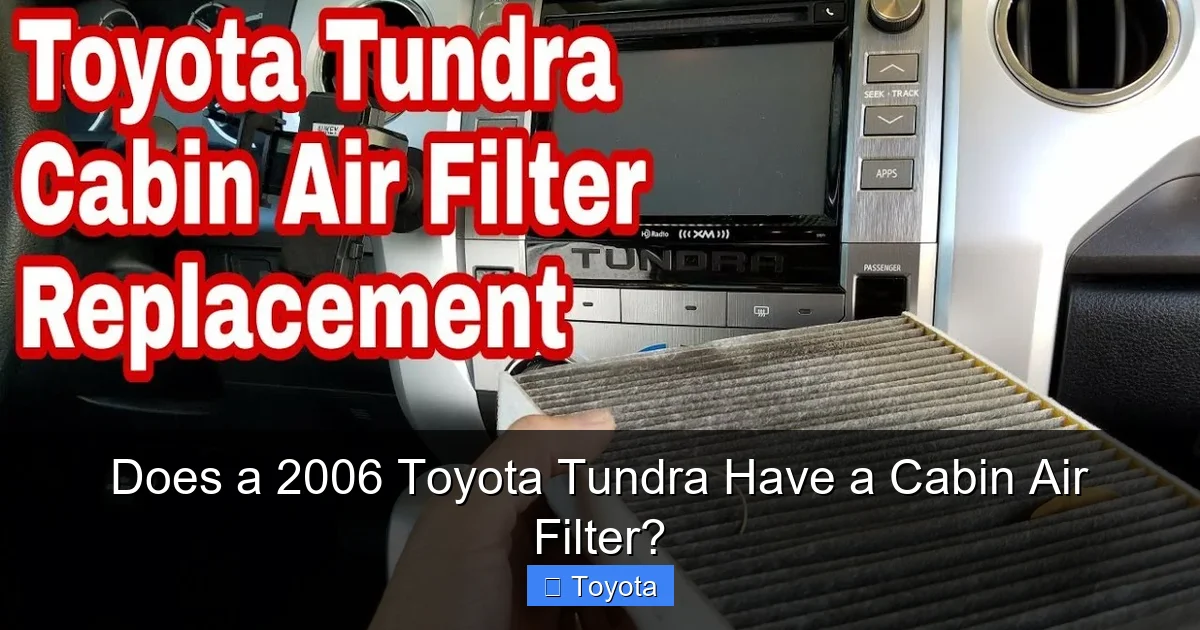
Locating the cabin air filter in your 2006 Toyota Tundra is easier than you might think. The filter housing sits behind the glove compartment on the passenger side of the vehicle. You don’t need to remove the entire glove box – just the access panel that conceals the filter compartment.
Visual guide about Does a 2006 Toyota Tundra Have a Cabin Air Filter?
Image source: i.ytimg.com
Step-by-Step Location Guide
To find your cabin air filter:
- Open the passenger side door and sit in the footwell area
- Look behind the glove box – you’ll see a rectangular plastic cover
- This cover is held in place by clips or screws depending on your trim level
- The filter itself slides out horizontally from this housing
Some Tundra owners get confused because they’re looking for a traditional round air filter like what’s under the hood. The cabin air filter is flat and rectangular, designed specifically to fit the HVAC system’s air intake pathway. Once you know where to look, finding it becomes second nature.
Signs That Your Cabin Air Filter Needs Replacement
Your 2006 Toyota Tundra will give you subtle hints when it’s time for a cabin air filter change. Learning to recognize these signs can save you from breathing poor quality air and potentially damaging your HVAC system.

Visual guide about Does a 2006 Toyota Tundra Have a Cabin Air Filter?
Image source: i.ytimg.com
Reduced Airflow from Vents
The most obvious sign is weak airflow from your dashboard vents. When the filter becomes clogged with dirt and debris, it restricts air flow. You might notice that even on the highest fan setting, the air doesn’t feel as strong as it used to. This happens because the blower motor has to work harder to push air through a dirty filter.
Musty Odors and Allergens
Unpleasant odors coming from your vents often indicate a saturated cabin air filter. Mold and bacteria can grow on trapped moisture and debris, creating that familiar “old gym sock” smell. If you or your passengers suffer from allergies, you might notice increased sneezing or congestion during drives. A clean filter helps prevent these issues.
Visible Dirt Around Vents
In severe cases, you might actually see dust or debris coming out of your vents. This means the filter has deteriorated completely and is no longer doing its job. At this point, replacement becomes urgent to protect your health and prevent damage to the blower motor.
How Often Should You Replace the Cabin Air Filter?
While some sources suggest replacing cabin air filters every 15,000 to 20,000 miles, the reality for your 2006 Toyota Tundra depends on several factors. Driving conditions play a major role in determining replacement frequency.
Visual guide about Does a 2006 Toyota Tundra Have a Cabin Air Filter?
Image source: i.ytimg.com
Driving Environment Considerations
If you frequently drive on dusty roads, construction sites, or in heavy traffic, you may need to replace the filter more often. City driving exposes your vehicle to more exhaust fumes and pollutants compared to highway driving. Similarly, living in a rural area with unpaved roads means dealing with more dirt and debris.
For most Tundra owners, replacing the cabin air filter annually or every 12,000 to 15,000 miles works well. However, if you notice the warning signs mentioned earlier, don’t wait for the recommended interval. Your nose and lungs will thank you for addressing the issue promptly.
Seasonal Factors Matter Too
Pollen seasons can be particularly challenging for your cabin air filter. Spring and summer months typically require more frequent attention if you suffer from seasonal allergies. Many experienced Tundra owners replace their filters twice yearly during peak pollen times.
Choosing the Right Replacement Filter for Your Tundra
Not all cabin air filters are created equal, especially when it comes to your 2006 Toyota Tundra. The market offers various options, each with different filtration capabilities and price points. Making the right choice ensures you get the best value and performance.
Understanding Filter Types
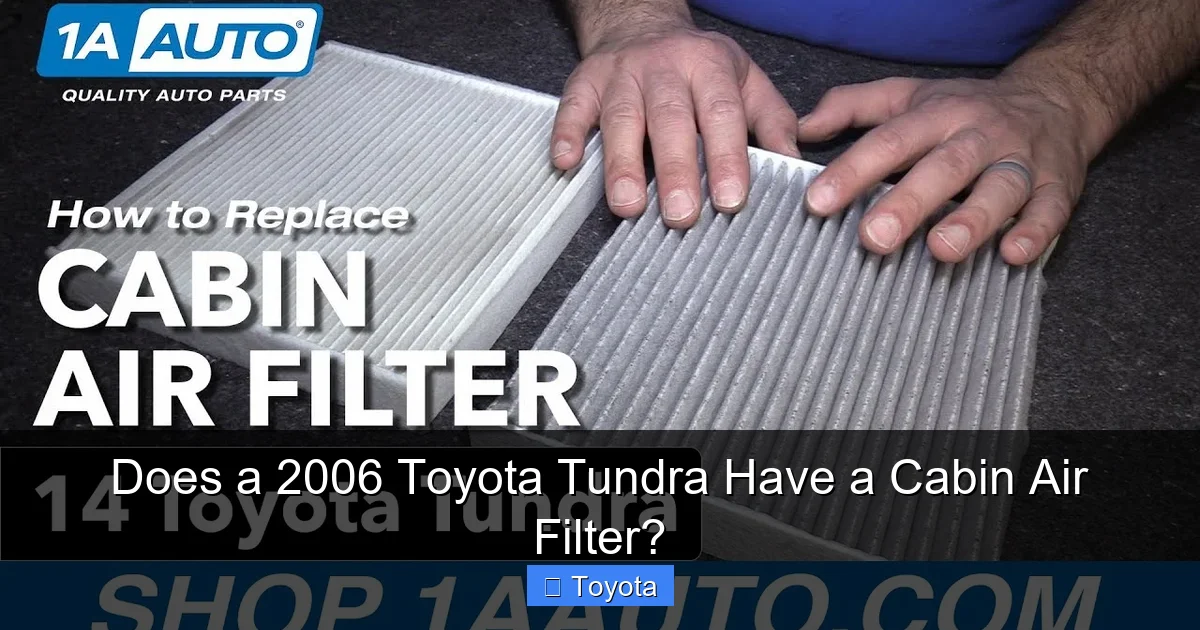
Traditional cabin air filters use basic pleated paper to trap larger particles. These work adequately for general dust and debris. However, advanced filters incorporate activated carbon layers that absorb odors and harmful gases. For Tundra owners who spend significant time in traffic or enjoy outdoor adventures, carbon-enhanced filters make a noticeable difference.
Some premium filters combine multiple technologies – particulate filtration plus chemical treatment for odor control. While these cost more upfront, they often last longer and provide superior air quality. Consider your specific needs when choosing between basic and premium options.
Popular Brands for Toyota Vehicles
Several reputable brands manufacture cabin air filters compatible with your 2006 Tundra. When shopping for replacements, look for filters specifically designed for Toyota trucks. These typically offer better fitment and more appropriate filtration ratings for your vehicle’s HVAC system.
DIY Cabin Air Filter Replacement Process
Replacing the cabin air filter in your 2006 Toyota Tundra is a manageable DIY project. With basic tools and patience, most owners can complete this task in 15-30 minutes. Doing it yourself saves money and gives you confidence in your vehicle’s maintenance.
Tools and Preparation
You’ll need just a few simple items:
- Flathead screwdriver (for releasing glove box tabs)
- New cabin air filter compatible with 2006 Tundra
- Clean cloth for wiping away debris
- Flashlight for better visibility
Before starting, make sure your truck is parked on level ground with the engine off. It’s also wise to do this replacement outdoors or in a well-ventilated area, since you’ll likely stir up some accumulated dust.
Installation Steps
The process involves these key steps:
- Open the glove box and remove any items stored inside
- Release the glove box retaining tabs using your screwdriver
- Carefully lower the glove box to access the filter housing
- Remove the old filter by sliding it out horizontally
- Inspect the housing for debris and clean if necessary
- Insert the new filter with the correct orientation
- Reinstall the glove box and test your HVAC system
Pay attention to the filter’s airflow direction arrow. Installing it backwards reduces effectiveness and can cause problems. Most filters have an arrow indicating which way air should flow through the element.
Professional vs. DIY Replacement
While DIY replacement saves money, some Tundra owners prefer professional service. Dealerships and quick-lube shops can handle this task while performing other maintenance. The cost typically ranges from $30-70 for parts and labor, which isn’t unreasonable for those uncomfortable with DIY projects.
However, learning to do this yourself builds mechanical confidence and saves money over time. Once you’ve replaced your cabin air filter once, future replacements become quick and routine. Consider trying the DIY approach for your first replacement.
Benefits of Maintaining Your Cabin Air Filter
Regular cabin air filter maintenance provides benefits that extend beyond simple air quality. Your 2006 Toyota Tundra’s HVAC system operates more efficiently with a clean filter, and you’ll notice immediate improvements in comfort and performance.
Improved HVAC Performance
A clean cabin air filter allows your HVAC system to operate at peak efficiency. The blower motor doesn’t have to work as hard, which reduces strain on electrical components. This means your air conditioning blows colder and your heater warms more effectively. Over time, this efficiency translates to slightly better fuel economy too.
Health Benefits for Drivers and Passengers
Clean cabin air makes a real difference for people with respiratory sensitivities. Reduced exposure to pollen, dust, and exhaust particles means fewer allergy symptoms and less irritation. Long road trips become more comfortable when you’re not constantly battling stuffy noses or itchy eyes.
Protection Against Expensive Repairs
Neglecting your cabin air filter can lead to costly HVAC system repairs. When filters become severely clogged, they restrict airflow enough to cause ice buildup in air conditioning systems. The added strain on blower motors can shorten their lifespan. Spending $20-40 on periodic filter replacements protects against hundreds of dollars in potential repair bills.
Troubleshooting Common Cabin Air Filter Issues
Even with regular maintenance, you might encounter some challenges with your 2006 Tundra’s cabin air filter system. Understanding common issues helps you address problems quickly and effectively.
Filter Housing Difficulties
Some Tundra owners struggle with stubborn filter housings. The plastic components can become brittle over time, especially in hot climates. If clips break during removal, replacement housings are available from Toyota dealers or auto parts stores. Having a little extra patience prevents damage to surrounding components.
Incorrect Filter Sizing
Ordering the wrong size filter creates obvious problems. Always verify your Tundra’s specifications before purchasing replacements. Cross-referencing your VIN with filter compatibility charts eliminates guesswork. When in doubt, take your old filter to the parts store for comparison.
Persistent Odors After Replacement
If you still notice odors after installing a new filter, the problem might be elsewhere in the HVAC system. Mold can grow on evaporator cores or in ductwork. In these cases, professional cleaning might be necessary. However, most odor issues resolve with fresh filter installation and proper maintenance.
Maximizing Your Cabin Air Filter’s Lifespan
Your replacement habits and driving patterns influence how long each cabin air filter lasts in your 2006 Tundra. Adopting smart practices extends filter life and improves overall air quality.
Parking Strategies
Where you park affects filter contamination rates. Avoid areas with heavy tree coverage during spring and summer months. Parking garages and covered areas reduce exposure to direct pollen and falling debris. These simple changes can extend your filter’s effective life by months.
Ventilation Settings Optimization
Your HVAC usage patterns matter too. Recirculation mode puts less strain on cabin air filters since it reuses already-filtered air. Using this setting during heavy traffic or dusty conditions protects your filter investment. Fresh air mode works best during highway driving when outside air quality is generally better.
Frequently Asked Questions
Does every 2006 Toyota Tundra model have a cabin air filter?
Yes, all 2006 Toyota Tundra models including the base SR5, Double Cab, and Limited versions come equipped with cabin air filters. Toyota made this feature standard across the entire model lineup that year.
How much does it cost to replace a 2006 Toyota Tundra cabin air filter?
The cost typically ranges from $15-40 for the filter itself if you do it yourself. Professional installation adds $20-50 for labor, bringing total costs to $35-90 depending on your location and service provider.
Can I clean a 2006 Toyota Tundra cabin air filter instead of replacing it?
While some filters are technically reusable, cleaning rarely restores full effectiveness. Most automotive experts recommend replacement rather than cleaning, especially for the 2006 Tundra’s original equipment filters.
What happens if I never replace my cabin air filter?
Failing to replace a clogged cabin air filter leads to reduced HVAC performance, unpleasant odors, and potential damage to blower motors. You’ll also breathe poorer quality air, which can aggravate allergies and respiratory conditions.
Where can I buy replacement cabin air filters for my 2006 Tundra?
Replacement filters are available at Toyota dealerships, auto parts stores, and online retailers. Ensure you select filters specifically rated for 2006 Toyota Tundra applications for proper fit and performance.
How do I know if my cabin air filter is installed correctly?
Check that the airflow direction arrow points toward the HVAC system. The filter should slide fully into the housing without gaps. If airflow seems restricted after installation, the filter might be backwards or improperly seated.