Can a Car Be Towed with Parking Brake On
Leaving the parking brake on during towing can cause serious damage to your vehicle. Discover the correct methods, potential consequences, and expert advice to protect your car and ensure safe towing practices.
Key Takeaways
- Towing with parking brake engaged risks damage: The parking brake can overheat, damage tires, and strain the transmission.
- Proper release is critical: Always disengage the parking brake before towing to prevent mechanical failures.
- Risks vary by vehicle type: Manual and automatic transmissions handle towing differently when the parking brake is on.
- Emergency towing requires caution: If the parking brake is stuck, professional help is recommended to avoid further damage.
- Regular brake maintenance matters: Keeping brake components in good condition reduces the risk of towing-related issues.
- Check your owner’s manual: Some vehicles have specific towing guidelines regarding the parking brake.
- Prevention is key: Always verify the parking brake is off before towing to protect your investment.
📑 Table of Contents
- Understanding the Parking Brake
- Can a Car Be Towed with Parking Brake On?
- Risks and Consequences of Towing with Parking Brake On
- When Is It Necessary to Tow with Parking Brake On?
- How to Safely Release the Parking Brake During Towing
- What to Do If You Accidentally Leave the Parking Brake On
- Conclusion
Understanding the Parking Brake
The parking brake, also known as the emergency brake, is a crucial safety feature in every vehicle. Unlike the primary braking system, it operates independently to keep your car stationary when parked. Most drivers use it to secure their vehicle on inclines or when the main brakes fail. However, what happens if you accidentally leave it on while towing? Let’s explore the mechanics and risks involved.
What Does the Parking Brake Do?
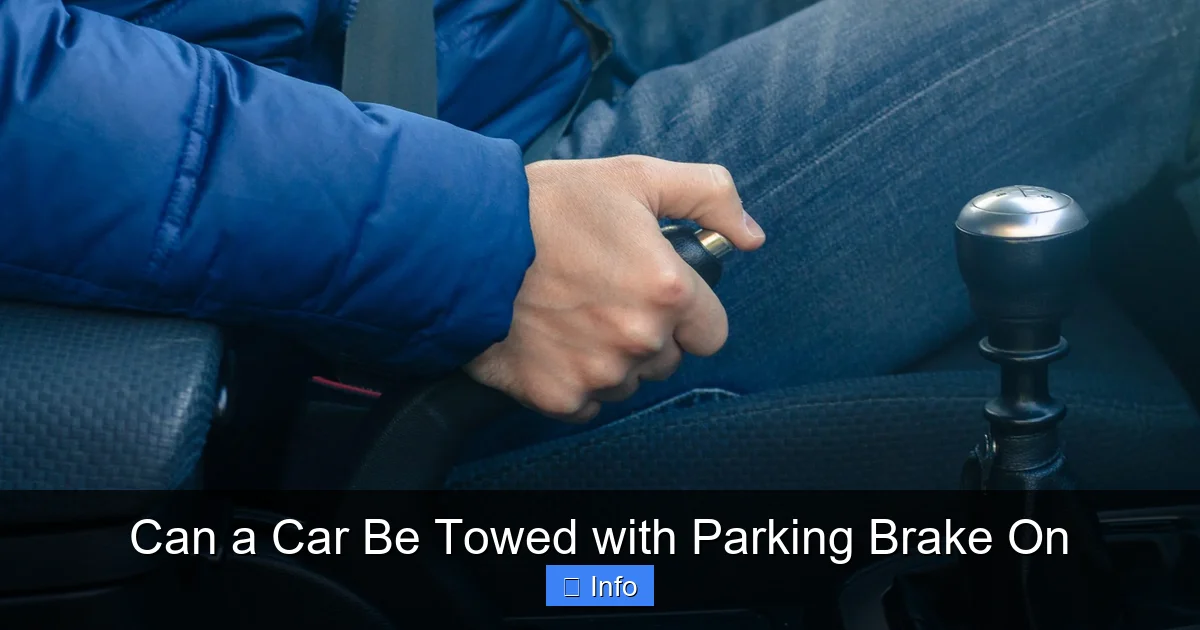
The parking brake works by mechanically locking the rear wheels. This prevents the car from rolling when parked, especially on hills. In manual transmissions, it’s essential for preventing unintended movement. In automatic transmissions, it serves as a backup safety measure. When engaged, the brake pads clamp down on the rotors, creating friction that stops wheel rotation. If this system remains active during towing, the wheels can’t spin freely, leading to potential damage.
Can a Car Be Towed with Parking Brake On?
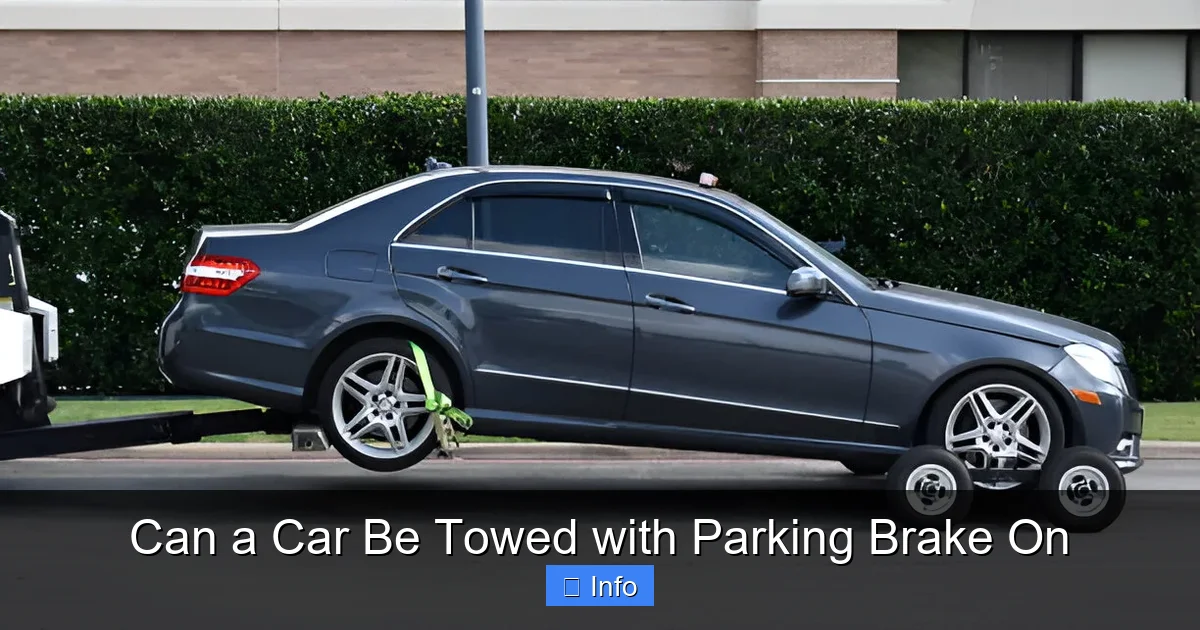
The short answer is no—towing a car with the parking brake on is strongly discouraged. While it’s technically possible, doing so can cause severe damage to the braking system, tires, and drivetrain. Let’s break down why this is a problem and when exceptions might apply.
Visual guide about Can a Car Be Towed with Parking Brake On
Image source: quality1sttowing.com
Mechanical Strain on Components
When the parking brake is engaged, the rear wheels are locked. Towing forces these wheels to spin against the brake pads, generating excessive heat. This heat can warp brake rotors, damage brake lines, and cause premature wear on tires. Additionally, the strain on the transmission can lead to costly repairs or replacements. For example, towing a car with an automatic transmission and the parking brake on may cause internal components to overheat or fail.
Risks and Consequences of Towing with Parking Brake On
Ignoring the parking brake during towing can lead to both immediate and long-term issues. Here’s what you need to know to avoid turning a simple tow into a major repair job.
Visual guide about Can a Car Be Towed with Parking Brake On
Image source: performanceautospecialists.com
Damage to Braking Systems
Overheating is a primary concern. The friction from locked wheels can cause brake fluid to boil, reducing braking efficiency. Warped rotors may lead to vibrations or uneven braking. In extreme cases, brake components can seize or crack. Regular brake maintenance, such as checking brake pads, can help mitigate these risks. For more on brake care, see our guide on how to check brake pads in your car.
Tire and Drivetrain Issues
Tires can suffer from uneven wear or blowouts if forced to rotate against the parking brake. The drivetrain, including axles and differential gears, may also experience undue stress. In rear-wheel-drive vehicles, this strain can damage the differential fluid, leading to costly repairs. Always ensure the parking brake is off before towing to protect these critical components.
When Is It Necessary to Tow with Parking Brake On?
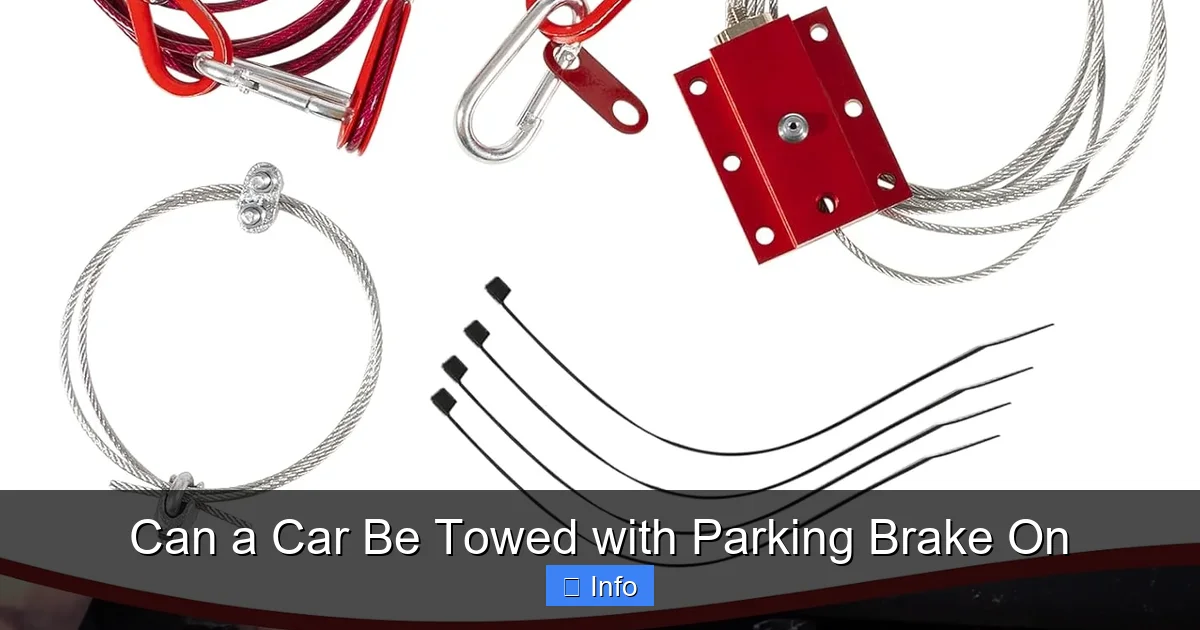
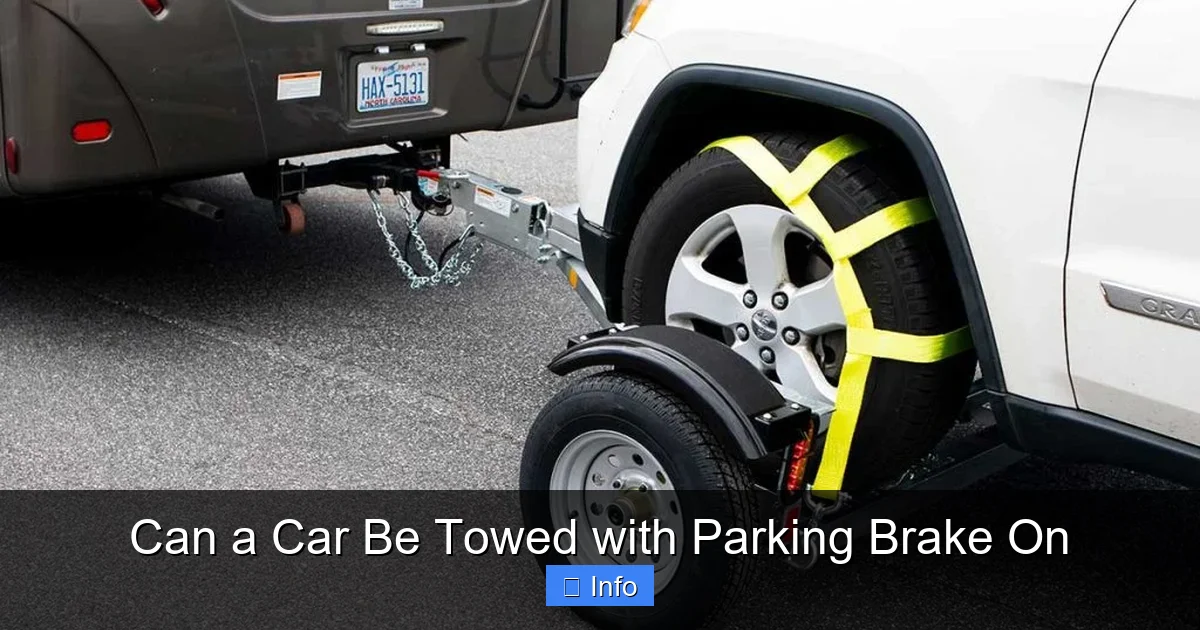
There are rare scenarios where leaving the parking brake on might be unavoidable, such as during emergency towing when the brake is stuck. However, these situations require professional intervention. Attempting to tow a stuck parking brake yourself can worsen the problem and endanger others on the road.
Visual guide about Can a Car Be Towed with Parking Brake On
Image source: cartowdolly.com
Emergency Situations
If the parking brake is frozen or jammed, forcing the vehicle to move can damage the brake mechanism further. In such cases, it’s best to contact a towing service equipped to handle locked brakes. They may use specialized tools or techniques to safely free the brake without causing additional harm.
How to Safely Release the Parking Brake During Towing
If you realize the parking brake is on after starting to tow, stop immediately. Follow these steps to minimize damage and ensure safety.
Steps to Take
- Stop towing and engage the parking brake on the towing vehicle.
- Turn off the engine and wait for the brakes to cool down.
- Attempt to release the parking brake manually. If it’s stuck, do not force it.
- Contact a professional towing service or mechanic for assistance.
Never attempt to override a stuck parking brake with brute force. This can lead to injury or irreversible damage to your vehicle.
What to Do If You Accidentally Leave the Parking Brake On
Accidents happen, but knowing how to respond can save your car and wallet. Here’s what to do if you realize the parking brake was left on during towing.
Immediate Actions
Stop towing right away and assess the situation. Check for signs of overheating, such as smoke or a burning smell. If the vehicle is safe to move, gently try to release the parking brake. If it won’t budge, call for help. Continuing to tow with the brake on will only worsen the damage, potentially leading to expensive repairs or even accidents.
Conclusion
Towing a car with the parking brake on is a recipe for disaster. From damaged brakes to ruined tires, the risks far outweigh any perceived convenience. Always double-check that the parking brake is disengaged before towing. If you’re unsure about your vehicle’s towing capabilities, consult your owner’s manual or a professional. For more on vehicle maintenance, explore our guide on calculating wear and tear on a car.
Frequently Asked Questions
Is it safe to tow a car with the parking brake on?
No, towing with the parking brake on is unsafe and can cause significant damage to your vehicle’s braking system, tires, and drivetrain. Always release the parking brake before towing.
What happens if you tow with the parking brake engaged?
Forcing the wheels to spin against the parking brake generates excessive heat, leading to warped rotors, damaged brake lines, and potential tire blowouts. The transmission may also suffer from overheating or failure.
Can you tow a car with a stuck parking brake?
If the parking brake is stuck, do not attempt to tow the vehicle yourself. Contact a professional towing service to safely resolve the issue without causing further damage.
How do I know if the parking brake is on?
Most vehicles have a dashboard indicator light that illuminates when the parking brake is engaged. You can also physically check the brake lever or pedal to ensure it’s fully released.
What are the signs of towing damage from a parking brake?
Look for symptoms like a burning smell, smoke from the wheels, or difficulty moving the vehicle. If you notice these signs, stop immediately and have your car inspected by a mechanic.
Do all vehicles handle towing the same way?
No, manual and automatic transmissions react differently to towing with the parking brake on. Automatic vehicles are more susceptible to transmission damage, while manual transmissions may experience clutch wear. Always check your owner’s manual for specific guidelines.