Car Makes Whistle Noise When Accelerating
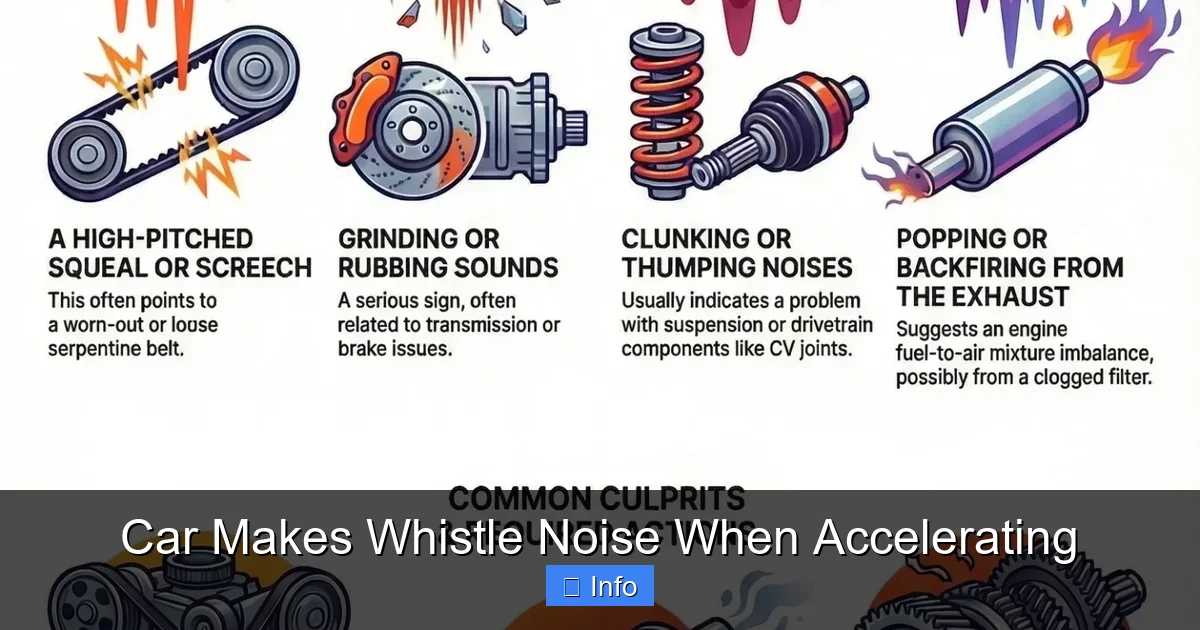
A whistle noise when accelerating can stem from various issues like vacuum leaks, exhaust problems, or turbocharger malfunctions. Identifying the source early prevents costly repairs. This guide breaks down the causes, diagnostic steps, and fixes to help you resolve the problem quickly.
Key Takeaways
- Common Causes: Whistle noises during acceleration often point to vacuum leaks, exhaust system damage, or turbocharger issues.
- Diagnosis Tips: Listen for hissing sounds, check for visible damage, and perform a smoke test to locate leaks.
- Intake System Problems: Loose air filters or throttle body issues can create whistling sounds under load.
- Exhaust System Damage: Cracked manifolds or damaged mufflers may produce high-pitched noises when accelerating.
- Turbocharger Concerns: Worn turbo components or boost leaks can cause a distinct whistle in turbocharged engines.
- Belt and Pulley Issues: Worn serpentine belts or misaligned pulleys may generate whistling from engine compartment friction.
- Professional Help: If DIY fixes fail, consult a mechanic to avoid worsening the problem or risking safety.
📑 Table of Contents
- Introduction
- Understanding the Whistle Noise
- Vacuum Leaks: A Silent Culprit
- Exhaust System Issues: More Than Just Noise
- Turbocharger Troubles: The Boost Leak Mystery
- Intake System Problems: Air Flow Disruptions
- Belt and Pulley Problems: Friction-Based Whistles
- When to Seek Professional Help
- Conclusion
Introduction
You’re driving down the highway, pressing the gas pedal, and suddenly—whistle!—a sharp, high-pitched noise fills the cabin. Your heart skips a beat. Is it something serious? A minor quirk? The truth is, a car making a whistle noise when accelerating is more common than you think. While it might seem alarming, the cause isn’t always a major repair. Sometimes, it’s as simple as a loose hose or a worn belt. However, ignoring it could lead to bigger problems. Let’s dive into what’s causing that whistle and how to fix it before it turns into a headache.
Whether you’re a seasoned car owner or a newbie, understanding the root of this noise can save time, money, and stress. From vacuum leaks to turbocharger hiccups, we’ll explore the most likely culprits and give you practical steps to diagnose and resolve the issue. Ready to silence that whistle? Let’s get started.
Understanding the Whistle Noise
When your car makes a whistle noise during acceleration, it’s usually related to airflow or pressure changes. The engine’s intake and exhaust systems are prime suspects. Turbocharged engines add another layer of complexity, with boost pressure leaks being a frequent offender. The key is to identify when the noise occurs and under what conditions. Does it happen only when accelerating? At specific speeds? Or is it constant?
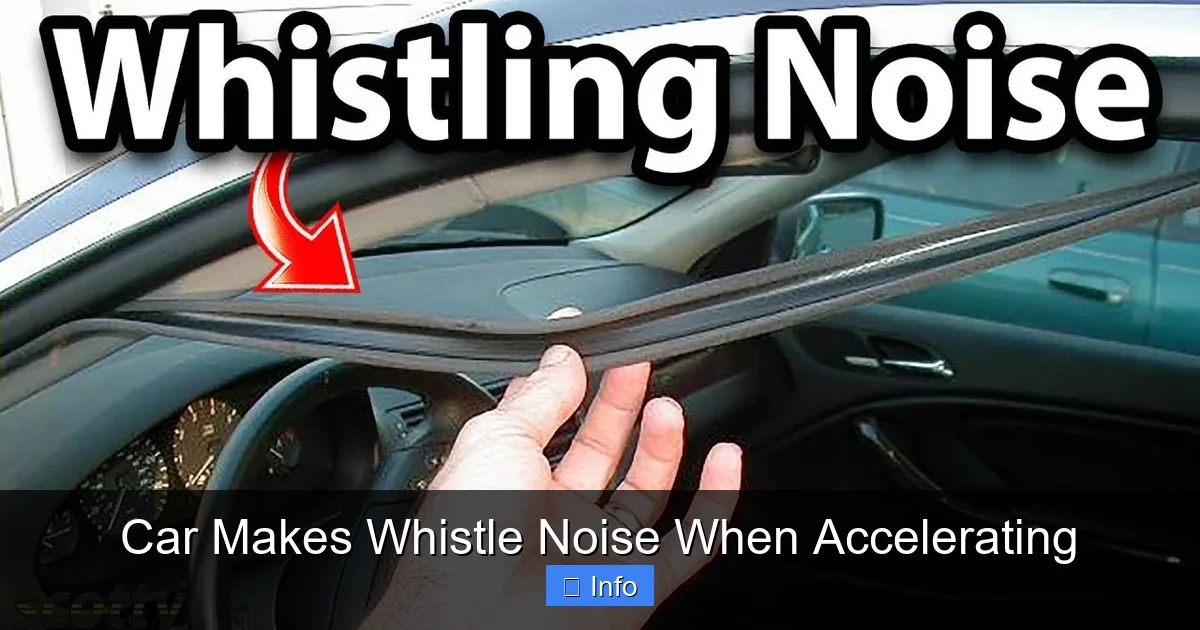
Visual guide about Car Makes Whistle Noise When Accelerating
Image source: i.ytimg.com
Pay attention to accompanying symptoms. Do you notice a loss of power, unusual vibrations, or a check engine light? These clues narrow down the possibilities. For example, a hissing sound might indicate a vacuum leak, while a metallic whistle could point to exhaust issues. Let’s break down the most common causes.
Vacuum Leaks: A Silent Culprit
What Are Vacuum Leaks?
Vacuum leaks occur when air enters the engine’s intake system through unintended paths. This disrupts the air-fuel ratio, causing the engine to work harder. The result? A whistle noise, especially under acceleration. Common sources include cracked hoses, loose intake manifold bolts, or deteriorated gaskets.
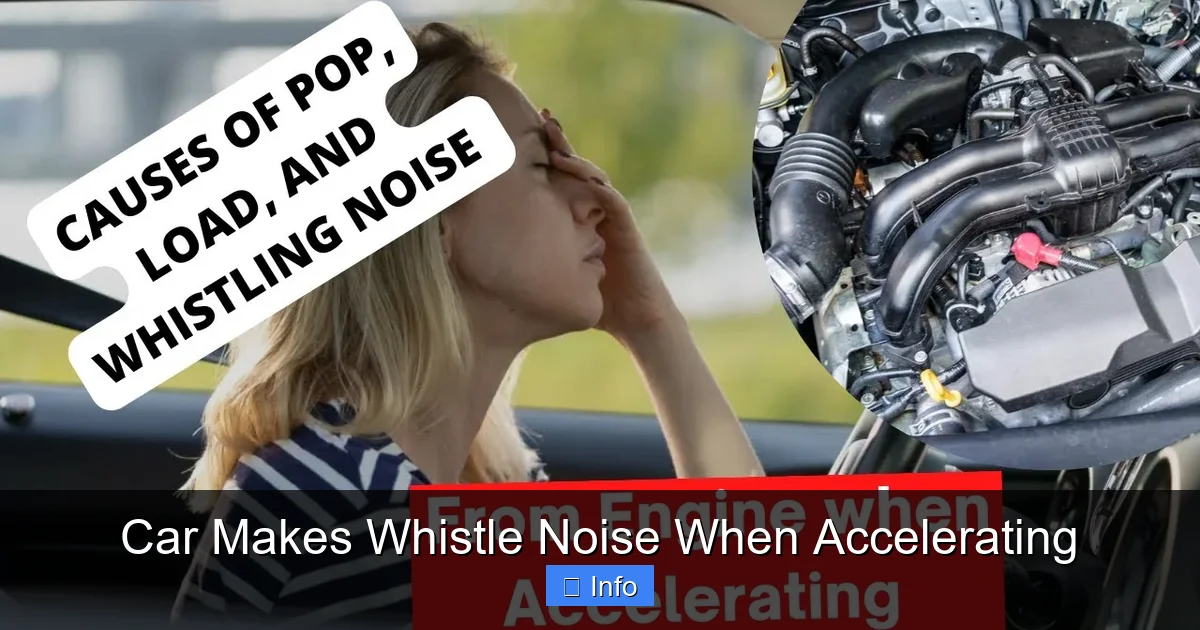
Visual guide about Car Makes Whistle Noise When Accelerating
Image source: i.ytimg.com
How to Diagnose Vacuum Leaks
Start by inspecting the engine bay. Look for hoses with visible cracks or disconnections. Listen for hissing sounds near the intake manifold or throttle body. A smoke test is a reliable method: introduce smoke into the intake system and watch for where it escapes. If you’re not comfortable with this, a mechanic can perform the test for you. Check the car cleaning tools to ensure your engine bay is free of debris that could hide leaks.
Solutions for Vacuum Leaks
Replace damaged hoses or tighten loose connections. For gasket issues, consider replacing the intake manifold gasket. If the leak is in a hard-to-reach area, professional help is advisable. Addressing vacuum leaks promptly improves engine efficiency and reduces noise.
Exhaust System Issues: More Than Just Noise
Cracked Manifolds and Mufflers
The exhaust system channels harmful gases away from the engine. Over time, heat and road debris can crack manifolds or damage mufflers. These cracks allow exhaust gases to escape, creating a whistle noise under acceleration. Turbocharged engines are particularly vulnerable, as their exhaust systems handle higher pressures.

Visual guide about Car Makes Whistle Noise When Accelerating
Image source: vehiclefreak.com
How to Spot Exhaust Problems
Inspect the exhaust system for visible damage. Look for rust, dents, or holes. A sulfur smell or excessive noise during acceleration might indicate a cracked manifold. For a thorough check, lift the car safely and examine the entire system. If you’re unsure, a mechanic can use a stethoscope to pinpoint the noise source.
Fixing Exhaust Issues
Minor cracks can be patched with exhaust sealants, but severe damage requires part replacement. A damaged muffler might need welding or full replacement. Always use quality parts to ensure durability. Remember, a healthy exhaust system is crucial for both performance and safety.
Turbocharger Troubles: The Boost Leak Mystery
What Causes Turbo Whistle?
Turbocharged engines compress air to boost power. If the turbocharger has a leak or worn components, it can produce a distinct whistle. Common issues include cracked intercooler pipes, loose clamps, or failing bearings. Boost leaks are especially noticeable during acceleration, as the turbo spins faster.
Diagnosing Turbo Problems
Check for oil leaks around the turbocharger. Listen for a high-pitched whistle under boost. A boost gauge can help monitor pressure levels—any drop might signal a leak. Inspect intercooler pipes for cracks or loose connections. If you’re not familiar with turbo systems, seek professional assistance to avoid further damage.
Solutions and Prevention
Replace damaged intercooler pipes or tighten clamps. For bearing issues, rebuild or replace the turbocharger. Regular maintenance, like oil changes, helps prolong turbo life. If your car’s battery is weak, it might affect the turbo’s electric components, so consider checking your car battery starters for reliability.
Intake System Problems: Air Flow Disruptions
Air Filter and Throttle Body Issues
The intake system ensures the engine gets clean air. A loose air filter or dirty throttle body can disrupt airflow, causing whistling. The throttle body regulates air intake, and if it’s stuck or malfunctioning, it may create pressure imbalances. Similarly, a clogged air filter restricts airflow, forcing the engine to compensate.
How to Check Intake Components
Inspect the air filter housing for loose clamps or damaged seals. Clean the throttle body with a suitable cleaner if it’s dirty. For stubborn dirt, consider using car seat cleaner tools to maintain engine cleanliness. Replace the air filter if it’s old or clogged. Test drive after adjustments to see if the noise subsides.
Fixing Intake Issues
Secure or replace the air filter housing. Clean or replace the throttle body if necessary. For persistent problems, a mechanic can recalibrate the throttle position sensor. Keeping the intake system in top shape enhances engine performance and reduces unwanted noises.
Belt and Pulley Problems: Friction-Based Whistles
Worn Belts and Misaligned Pulleys
The serpentine belt drives multiple engine components. If it’s worn, cracked, or misaligned, it can create a whistle noise. Pulleys that are loose or damaged also contribute to friction-based sounds. These issues often worsen over time, leading to more noticeable noise during acceleration.
Diagnosing Belt Issues
Visually inspect the serpentine belt for cracks or fraying. Check pulley alignment and tension. A squealing noise combined with whistling might indicate a slipping belt. Use a flashlight to examine the belt’s path around pulleys. If you’re unsure, a mechanic can measure belt tension and alignment.
Solutions for Belt and Pulley Fixes
Replace the serpentine belt if it’s damaged. Adjust or replace misaligned pulleys. Regular maintenance, like checking belt tension, prevents premature wear. For added protection, consider upgrading to high-quality belts available in auto parts stores.
When to Seek Professional Help
While some fixes are DIY-friendly, others require expertise. If the noise persists after basic checks, or if you notice power loss, overheating, or unusual vibrations, it’s time to consult a mechanic. They can use advanced diagnostic tools to pinpoint the issue. Don’t ignore symptoms—addressing problems early saves money and ensures safety.
Additionally, if you’re uncomfortable working under the hood, professional help is the way to go. Safety first! A mechanic’s experience can quickly resolve issues that might take hours to diagnose on your own.
Conclusion
A whistle noise when accelerating doesn’t have to be a mystery. By understanding common causes like vacuum leaks, exhaust issues, and turbocharger problems, you can take proactive steps to resolve the issue. Regular maintenance and prompt attention to symptoms keep your car running smoothly. Whether it’s a simple hose replacement or a more complex turbo fix, staying informed empowers you to make smart decisions. If in doubt, trust a professional to keep your car in top condition.
Frequently Asked Questions
Why does my car whistle when accelerating?
The whistle usually stems from airflow disruptions, such as vacuum leaks, exhaust cracks, or turbocharger issues. Identifying the exact cause requires listening to the noise and checking related components.
Can a vacuum leak cause a whistle noise?
Yes, vacuum leaks allow unmetered air into the engine, creating pressure imbalances that result in a whistle, especially under acceleration. Inspect hoses and gaskets for damage.
How do I know if my exhaust is causing the noise?
Look for visible damage like rust or holes. A sulfur smell or excessive noise during acceleration might indicate a cracked manifold or damaged muffler.
What should I do if the whistle is from the turbocharger?
Check for oil leaks and boost pressure drops. Replace damaged intercooler pipes or clamps. For complex issues, consult a mechanic to avoid further damage.
Is it safe to drive with a whistling noise?
It depends on the cause. Minor issues like a loose air filter are safe temporarily. However, exhaust or turbo problems can worsen and affect performance, so address them promptly.
How often should I check my car’s intake system?
During regular maintenance, such as oil changes. Clean or replace the air filter every 12,000 to 15,000 miles, and inspect the throttle body for dirt buildup.