How to Bulletproof a 67 Powerstroke
Bulletproofing a 6.7L Power Stroke diesel engine involves upgrading key components like the EGR system, head studs, gaskets, coolant, and fuel system to prevent common failures and extend engine life. By following a proven build plan, you can achieve greater durability, improved towing capacity, and peace of mind on the road.
Key Takeaways
- Identify weak points: The 6.7L Power Stroke is prone to EGR cooler failure, head gasket leaks, and turbocharger wear.
- Upgrade the EGR system: Installing a high‑quality EGR delete kit eliminates a major source of coolant contamination.
- Strengthen the rotating assembly: Upgraded head studs, main bolts, and gaskets prevent cylinder‑head lift under high boost.
- Improve cooling and lubrication: A larger coolant pump, upgraded oil cooler, and high‑flow radiator keep temperatures stable.
- Maintain after the build: Regular fluid changes, filter checks, and monitoring of EGTs ensure long‑term reliability.
📑 Table of Contents
- Introduction: Why Bulletproof a 6.7L Power Stroke?
- Understanding the 6.7L Power Stroke Engine
- Common Weak Points and Failure Modes
- Essential Bulletproof Upgrades
- Step‑by‑Step Installation Overview
- Maintenance Tips After Bulletproofing
- Cost Considerations and Return on Investment
- Conclusion: Is Bulletproofing a 67 Powerstroke Right for You?
Introduction: Why Bulletproof a 6.7L Power Stroke?
The 6.7L Power Stroke diesel, found in Ford Super Duty trucks from 2011 onward, is known for its strong torque and towing capability. However, like any modern diesel, it has a few design weaknesses that can lead to costly repairs if left unaddressed. Bulletproofing the engine means reinforcing those weak points with aftermarket upgrades so the truck can handle higher loads, more aggressive tuning, and years of hard work without surprise breakdowns.
When you bulletproof a 67 Powerstroke, you are not just adding parts for the sake of it; you are addressing known failure modes such as EGR cooler cracks, head gasket fatigue, and turbocharger oil‑coking. The result is an engine that runs cooler, maintains proper compression, and delivers consistent power whether you are hauling a trailer, climbing a mountain pass, or simply commuting.
In this guide we will walk through the essential upgrades, explain why each one matters, and give you a step‑by‑step overview of the installation process. We will also cover post‑build maintenance tips and cost considerations so you can decide if a bulletproof build fits your goals and budget.
Understanding the 6.7L Power Stroke Engine
Before diving into upgrades, it helps to know what makes the 6.7L Power Stroke tick. This engine uses a compacted graphite iron block, four‑valve per cylinder heads, and a high‑pressure common‑rail fuel system. The turbocharger is a variable‑geometry unit that provides quick spool and strong low‑end torque.
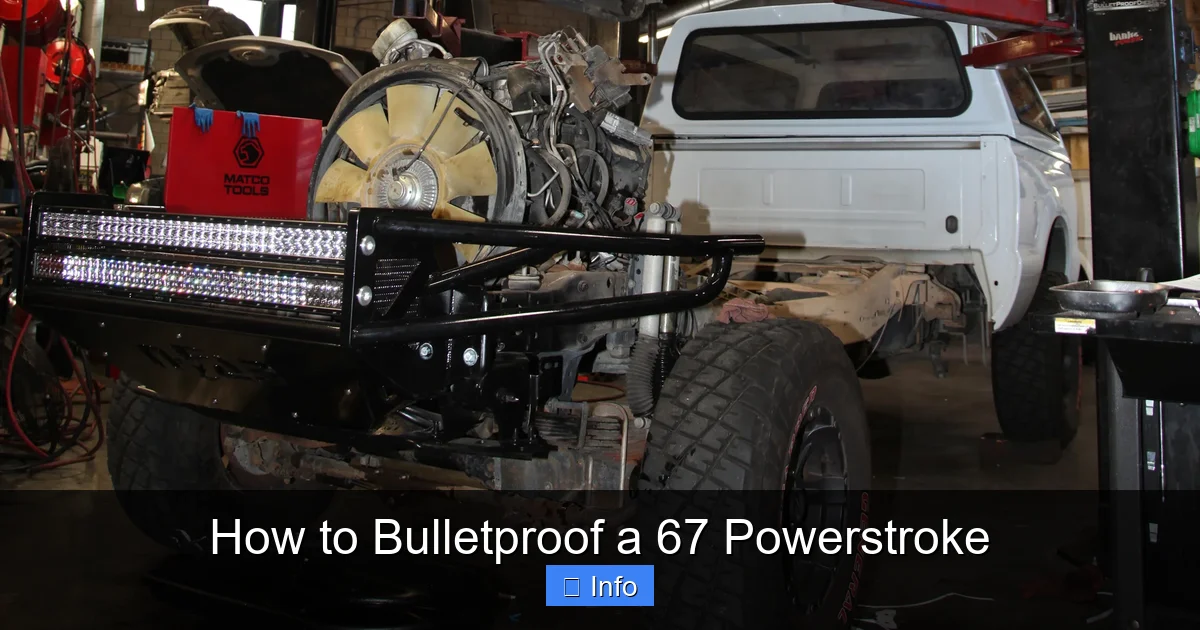
Visual guide about How to Bulletproof a 67 Powerstroke
Image source: motortrend.com
Key Design Features
- Compacted Graphite Iron (CGI) block: Stronger than traditional cast iron, but still susceptible to cracking under extreme thermal cycling.
- Four‑valve heads: Improve airflow but create a larger sealing surface that can leak if head bolts stretch.
- High‑pressure fuel system (up to 29,000 psi): Delivers precise injection but places extra stress on injectors and fuel rails.
- EGR system: Routes exhaust gases back into the intake to reduce NOx, but the cooler is a common failure point.
Understanding these fundamentals helps you see why certain upgrades are necessary when you set out to bulletproof a 67 Powerstroke.
Common Weak Points and Failure Modes
Even a well‑maintained 6.7L Power Stroke can develop issues after 100,000 miles, especially if the truck is used for heavy towing or performance tuning. Below are the most frequent problems owners encounter.
EGR Cooler and Valve Issues
The EGR cooler is prone to internal corrosion and cracking, which can leak coolant into the exhaust side or allow exhaust gases into the coolant system. When this happens, you may see white smoke, overheating, or a milky appearance in the oil. A failed EGR valve can also cause rough idle and loss of power.
Head Gasket and Stud Fatigue
The factory head bolts are torque‑to‑yield and can stretch under high cylinder pressure, especially when the engine is tuned for more boost. Stretched bolts lead to head gasket failure, coolant loss, and potential combustion‑gas leaks into the cooling system.
Turbocharger Oil Coking
The variable‑geometry turbo relies on clean oil for proper actuator movement. Infrequent oil changes or low‑quality oil can cause carbon deposits (coking) inside the turbo housing, resulting in sluggish spool, over‑boost, or turbo failure.
Fuel System Contamination
Water or debris in the fuel can damage the high‑pressure pump and injectors. While the factory fuel filter is adequate for normal use, extreme conditions or biodiesel blends can overwhelm it.
Recognizing these issues is the first step toward deciding which upgrades to apply when you bulletproof a 67 Powerstroke.
Essential Bulletproof Upgrades
Now that we know the weak spots, let’s look at the parts and modifications that address each one. A typical bulletproof build includes the following categories.
EGR Delete Kit
Removing the EGR system eliminates the cooler that so often fails and stops exhaust gases from entering the intake. A quality delete kit also removes the EGR valve and associated plumbing, reducing potential leak points. When selecting a kit, look for one that includes a block‑off plate, new gaskets, and necessary hardware. For a reliable option, you can check out this best EGR delete kit for 67 Powerstroke performance guide.
Note: Deleting the EGR may affect emissions compliance in some regions, so verify local laws before proceeding.
Upgraded Head Studs and Gaskets
Factory head bolts are torque‑to‑yield and not reusable. Replacing them with studs made from stronger alloys (such as ARP 2000 or similar) allows you to achieve a more consistent clamping force. Pair the studs with multi‑layer steel (MLS) head gaskets that can handle higher combustion pressures and temperature swings.
Stronger Main Bolts and Bedplate
The main bearing caps also see high loads. Upgraded main bolts (again, ARP or similar) help maintain bearing crush and prevent cap walk. Some builders also install a bedplate gasket or reinforce the block with a billet main cap for extreme applications.
Improved Cooling System
A larger capacity water pump, high‑flow radiator, and upgraded oil cooler work together to keep engine temperatures stable under load. Consider adding a coolant filter to catch debris that could clog the EGR cooler passages (if you retain a partial EGR) or the oil cooler.
Turbocharger Enhancements
While the stock turbo is stout, upgrading to a larger compressor wheel or a billet turbine wheel can improve flow and reduce exhaust back‑pressure. Many builders also install a upgraded actuator or a wastegate controller to better manage boost levels.
Fuel System Protection
Adding a secondary fuel water separator and a high‑flow fuel filter can catch contaminants before they reach the high‑pressure pump. Some owners also upgrade the fuel lift pump to ensure consistent fuel delivery under high demand.
Monitoring and Tuning
After installing hardware, a custom tune is essential to take full advantage of the upgrades while keeping exhaust gas temperatures (EGTs) within safe limits. A quality tuner will adjust fueling, timing, and boost targets to match the new airflow capabilities.
Step‑by‑Step Installation Overview
Below is a high‑level walkthrough of how to bulletproof a 67 Powerstroke. Always consult the specific instructions that come with each part and follow proper safety procedures.
1. Preparation and Disassembly
Start by draining the coolant and engine oil. Remove the intake manifold, turbocharger, and exhaust components to gain access to the cylinder head and EGR system. Label all hoses and electrical connectors to simplify re‑assembly.
2. EGR System Removal
Unbolt the EGR valve and cooler. Install the block‑off plates from your delete kit, using the supplied gaskets. Torque the bolts to the manufacturer’s specification (usually around 22 ft‑lb). Double‑check that no coolant passages remain open to the intake.
3. Head Stud Installation
Remove the factory head bolts. Clean the bolt holes and threads thoroughly. Insert the new head studs, applying a light coat of assembly lube. Place the MLS head gasket, then lower the head onto the studs. Install the nuts and tighten them in the prescribed sequence and torque steps (often a three‑stage process: 30 ft‑lb, 60 ft‑lb, then final angle).
4. Main Bolt Upgrade
If you are upgrading main bolts, remove the oil pan and bearing caps. Replace the factory bolts with the upgraded studs, torque them to spec, and reinstall the pan with a new gasket.
5. Cooling and Oil System Upgrades
Swap the water pump for the high‑flow unit, install the larger radiator, and add the upgraded oil cooler. Re‑fill the system with the recommended coolant mixture (usually a 50/50 ethylene glycol‑water blend) and bleed any air pockets.
6. Turbocharger and Fuel System
Install the upgraded turbo components according to the kit directions. Reconnect the oil feed and drain lines, ensuring they are free of kinks. Install the secondary fuel water separator and high‑flow filter, then prime the fuel system.
7. Re‑assembly and Initial Checks
Re‑install the intake manifold, exhaust, and all ancillary components. Refill the engine with fresh oil (use the viscosity recommended for your climate). Before starting, crank the engine with the fuel shut off to build oil pressure, then start and let it idle while checking for leaks, abnormal noises, and proper coolant temperature.
8. Break‑In and Tuning
Follow the manufacturer’s break‑in procedure for the new head studs and gaskets (often varying load and RPM for the first 500 miles). After break‑in, have a professional dyno tune performed to optimize fueling, timing, and boost while monitoring EGTs.
Maintenance Tips After Bulletproofing
Even a bulletproof engine needs regular care to stay healthy. Here are some practical tips to keep your 6.7L Power Stroke running strong.
Regular Fluid Changes
Change the engine oil every 5,000 to 7,500 miles using a high‑quality diesel‑specific oil. Replace the oil filter at each interval. Flush and refill the coolant according to the manufacturer’s schedule (typically every 30,000 miles) and inspect the coolant for contamination.
Filter Maintenance
Check the primary and secondary fuel filters every 10,000 miles. Replace them if you notice any drop in fuel pressure or if the truck is run on biodiesel blends. Inspect the air filter regularly, especially in dusty environments.
Monitoring EGTs and Boost
Install an exhaust gas temperature gauge and a boost gauge if you do not already have them. Keep EGTs below 1,250 °F under sustained load to protect the turbo and pistons. If you see consistently high EGTs, revisit your tune or check for exhaust restrictions.
Visual Inspections
Every few months, look for signs of coolant leaks around the head gasket, oil seepage from the pan, and turbo oil lines. Check the condition of the EGR block‑off plates (if you kept any) and ensure all clamps and hoses are secure.
Driving Habits
Avoid prolonged idling at high load, and allow the engine to warm up before demanding full power. When towing, use the appropriate gear to keep RPMs in the efficient range and reduce thermal stress.
Cost Considerations and Return on Investment
Bulletproofing a 6.7L Power Stroke is an investment, but the payoff can be significant in terms of reliability and resale value.
Typical Parts Cost
- EGR delete kit: $300‑$500
- Head stud kit (ARP 2000): $400‑$600
- MLS head gasket set: $150‑$250
- Main bolt upgrade: $200‑$300
- High‑flow water pump: $120‑$180
- Upgraded radiator: $250‑$400
- Oil cooler upgrade: $150‑$220
- Turbo upgrades (optional): $600‑$1,200
- Fuel system upgrades: $100‑$250
- Tuning (dyno): $400‑$800
A full build can range from $2,500 to $4,500 depending on the depth of upgrades and labor costs if you hire a shop.
Long‑Term Savings
By preventing common failures such as blown head gaskets or EGR cooler leaks, you avoid repair bills that can easily exceed $2,000‑$3,000 each. A bulletproof engine also holds its value better on the used market, especially for buyers looking for a reliable work truck.
DIY vs. Professional Install
If you have experience with diesel engines, many of these upgrades can be done in a home garage with basic tools and a torque wrench. However, critical steps like head stud torque and timing adjustments benefit from professional oversight. Weigh your skill level against the potential cost of a mistake.
Conclusion: Is Bulletproofing a 67 Powerstroke Right for You?
Bulletproofing a 6.7L Power Stroke is more than a bolt‑on party; it’s a systematic approach to strengthening the engine’s known weak points. By installing an EGR delete kit, upgrading head studs and gaskets, improving cooling and fuel systems, and tuning for the new airflow, you create a powerplant that can handle heavy towing, performance tuning, and years of hard work with far fewer surprises.
If you plan to keep your Super Duty for the long haul, frequently pull heavy loads, or simply want peace of mind knowing the engine is built to last, the investment in a bulletproof build pays off in reliability, reduced downtime, and better resale value. Take the time to research each component, follow proper installation procedures, and maintain the engine diligently, and your 67 Powerstroke will stay strong mile after mile.
Frequently Asked Questions
What does it mean to bulletproof a 67 Powerstroke?
Bulletproofing a 67 Powerstroke refers to upgrading key engine components—such as the EGR system, head studs, gaskets, cooling system, and fuel system—to prevent common failure points and increase overall durability.
Is removing the EGR system legal on a 6.7L Power Stroke?
Deleting the EGR can improve reliability but may violate emissions regulations in certain states or countries. Always check local laws before installing an EGR delete kit, as some areas require the EGR to remain intact for street‑legal use.
How much horsepower can I expect after bulletproofing a 67 Powerstroke?
The horsepower gain depends on the supporting modifications and tune. A basic bulletproof build with an EGR delete, head studs, and a mild tune can add 30‑50 hp, while larger turbo upgrades and aggressive tuning can push gains beyond 100 hp over stock.
Do I need to upgrade the turbo when I bulletproof my 67 Powerstroke?
Upgrading the turbo is optional but recommended if you plan to run higher boost levels or significant tuning. The stock turbo is stout, but a larger compressor wheel or billet turbine can improve airflow and reduce exhaust‑gas temperatures.
How often should I change the oil in a bulletproof 67 Powerstroke?
Even with upgraded components, follow the manufacturer’s oil change interval or change every 5,000‑7,500 miles using a high‑quality diesel‑specific oil. Regular oil changes protect the upgraded bearings, turbo, and fuel system.
Can I bulletproof a 67 Powerstroke myself, or should I hire a shop?
Many of the bolt‑on parts (EGR delete kit, head studs, cooling upgrades) can be installed by a knowledgeable DIYer with basic tools and a torque wrench. However, critical steps like head stud torque, timing setup, and dyno tuning are best handled by a professional to ensure reliability and safety.