How to Remove Paint from Plastic Car Trim
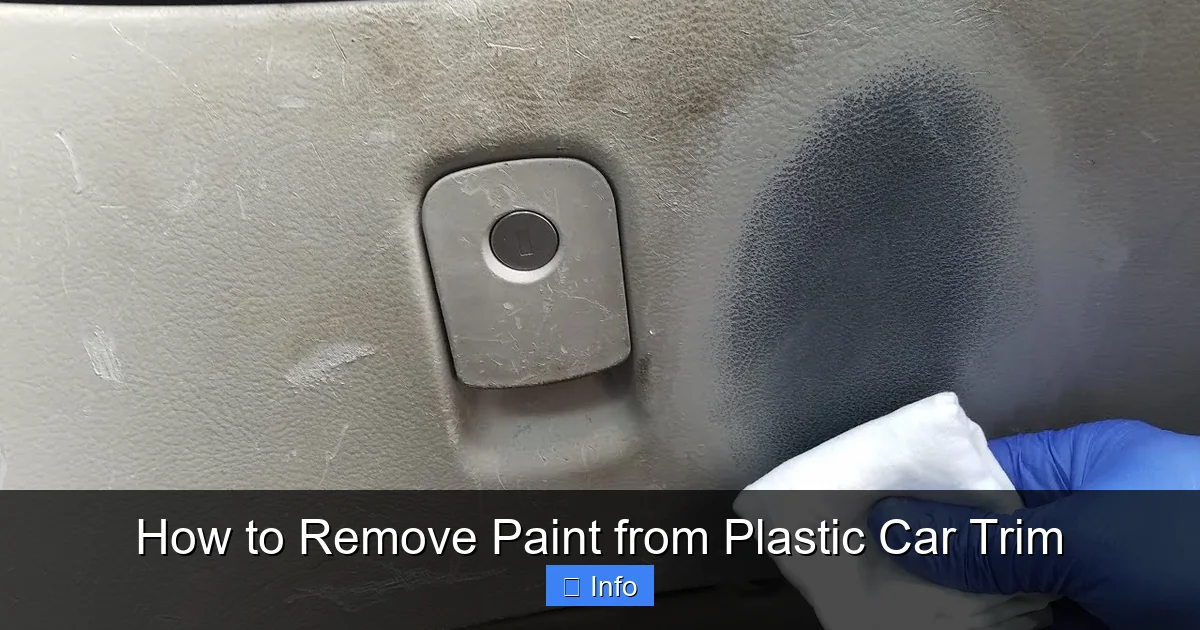
Removing paint from plastic car trim doesn’t have to be difficult or expensive. With the right techniques and materials, you can restore your vehicle’s appearance without damaging the delicate plastic surfaces. This guide covers everything from gentle household solutions to professional-grade methods, ensuring you achieve clean, paint-free trim that looks like new.
Key Takeaways
- Test First: Always test any removal method on a small, hidden area before treating visible trim pieces to prevent damage.
- Work Gently: Plastic car trim scratches easily, so use light pressure and soft materials whenever possible during the removal process.
- Choose Right Solvents: Acetone, rubbing alcohol, and commercial plastic-safe removers work best without harming most automotive plastics.
- Protect Surroundings: Cover nearby paint and surfaces with tape and protective materials to avoid accidental damage during removal.
- Clean Thoroughly: After paint removal, wash the area with mild soap and water to remove residue and prepare trim for conditioning.
- Condition Plastic: Apply plastic protectant after cleaning to restore shine and prevent future fading or cracking of the trim.
📑 Table of Contents
Understanding Your Plastic Car Trim
Before diving into paint removal techniques, it helps to understand what you’re working with. Most plastic car trim pieces are made from materials like polypropylene, TPO (thermoplastic olefin), or ABS plastic. These materials are durable but can scratch, fade, or become brittle if treated roughly.
When paint gets on your plastic trim, it might be overspray from a touch-up job, accidental splatter, or transfer from another surface. The good news is that paint doesn’t bond permanently to most automotive plastics, making removal possible without professional help.
Think of it like removing nail polish from artificial nails – it requires some effort but won’t damage the underlying material if done correctly. The key is matching your technique to the type of paint and the plastic surface you’re treating.
Safety First: Preparing Your Workspace
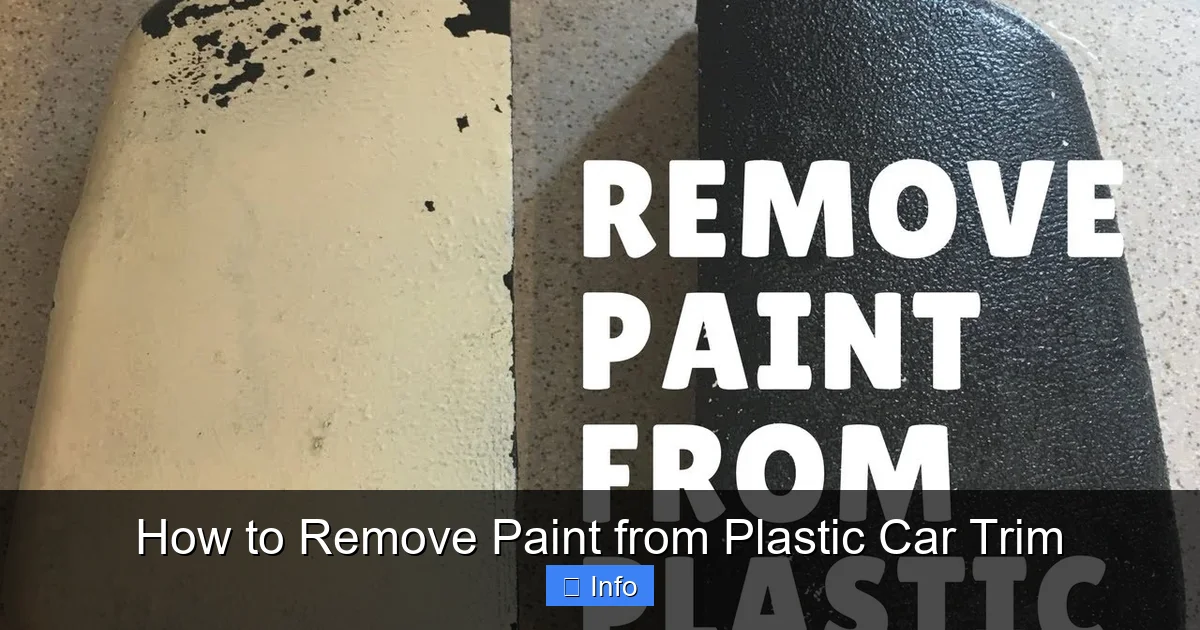
Visual guide about How to Remove Paint from Plastic Car Trim
Image source: i.ytimg.com
Gather Essential Supplies
Start by collecting everything you’ll need. You don’t want to make trips back and forth while working. Here’s what to have on hand:
- Protective gloves to keep chemicals off your skin
- Safety glasses to shield your eyes from splatter
- Microfiber cloths for gentle scrubbing
- Plastic scrapers or old credit cards
- Masking tape and paper to protect surrounding areas
- Your chosen paint removal solution
Create a Safe Working Environment
Park your car in a shaded area away from direct sunlight. Heat makes plastic more susceptible to damage and causes some chemicals to evaporate too quickly. If you’ve been working on other car maintenance projects, you know how important proper lighting is for detail work.
Cover the area around your trim with plastic sheeting or old towels. This prevents drips from damaging your car’s paint job or driveway. Remember, protecting your investment matters whether you’re removing paint or cleaning cloudy headlights.
Method 1: Gentle Household Solutions
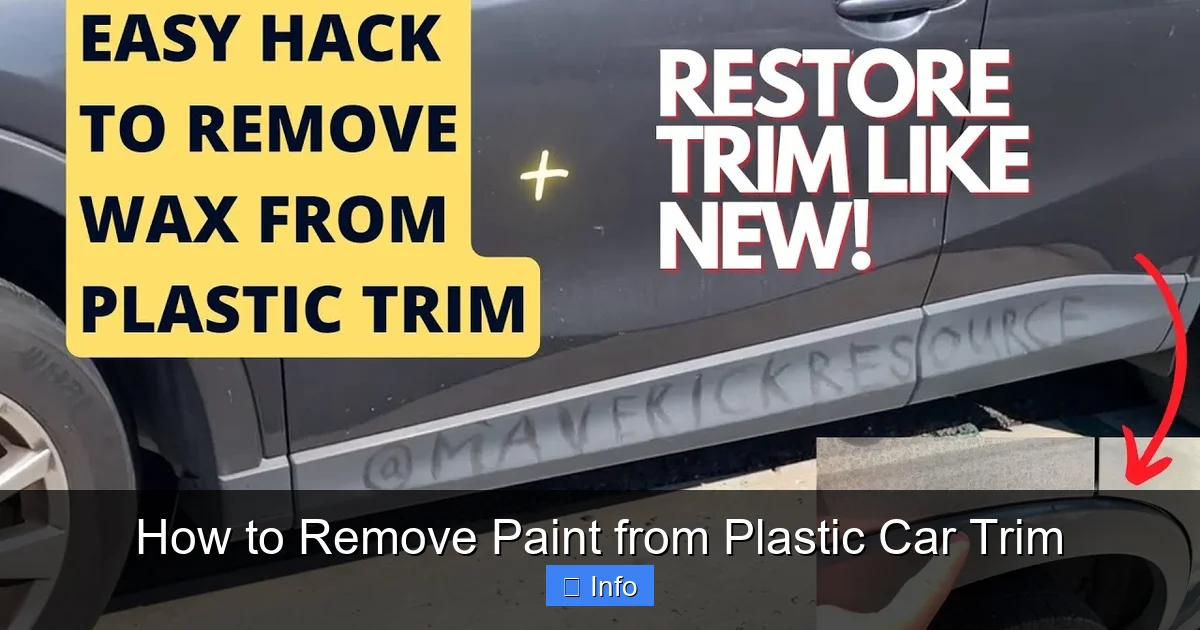
Visual guide about How to Remove Paint from Plastic Car Trim
Image source: i.ytimg.com
Starting with Rubbing Alcohol
Rubbing alcohol (isopropyl alcohol) works wonders for fresh paint splatters. Dip a corner of a microfiber cloth into alcohol and gently rub the painted area in circular motions. The paint should start breaking down immediately.
This method works best on water-based paints and fresh overspray. For older paint that’s had time to cure, you may need to let the alcohol sit for a minute before scrubbing.
Acetone Approach for Stubborn Paint
For tougher paint jobs, acetone provides stronger cleaning power. However, use it sparingly and quickly – acetone can dull some plastics if left too long.
Apply a small amount to a cloth (never directly to the trim) and work in short bursts. Wipe away immediately with a clean, damp cloth. Follow up with a plastic conditioner to restore any lost oils.
Toothpaste Trick for Light Residue
Non-gel toothpaste acts as a mild abrasive that won’t harm most plastics. This works well for small specks or dried paint that’s already partially removed. Apply with a soft brush, work gently, and rinse thoroughly.
Method 2: Commercial Plastic-Safe Removers
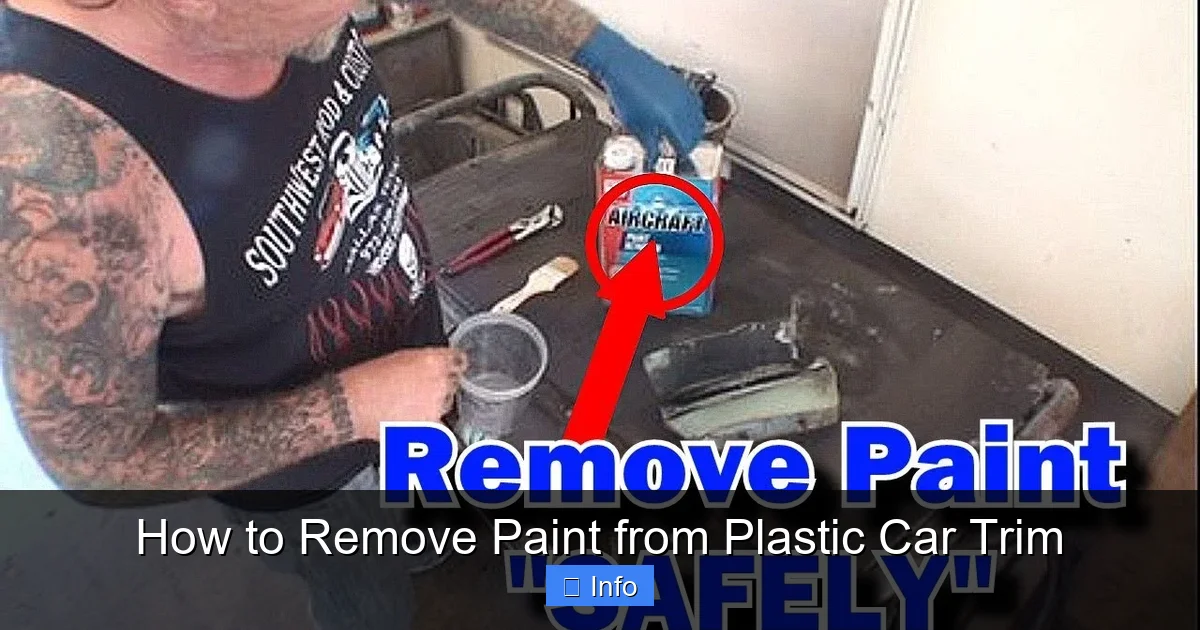
Visual guide about How to Remove Paint from Plastic Car Trim
Image source: i.ytimg.com
Automotive Trim Cleaners
Several products specifically designed for automotive plastics can dissolve paint without damage. Look for cleaners labeled safe for TPO, PP, or ABS plastics. These often contain stronger solvents than household items but are formulated to be plastic-friendly.
Apply according to package directions, usually with a cloth or brush. These products typically work faster than household alternatives, which saves time and reduces the chance of over-scrubbing.
Citrus-Based Solutions
Environmentally-friendly citrus cleaners offer another option. They’re less harsh than acetone but still effective on many paint types. These work by breaking down paint binders rather than dissolving them completely.
Let the citrus solution sit for 5-10 minutes before gentle scrubbing. The natural degreasing properties help lift paint away from plastic surfaces.
Method 3: Mechanical Removal Techniques
Using Plastic Scrapers
Sometimes physical removal works better than chemical treatment. Use plastic scrapers or even old credit cards to gently chip away at thick paint deposits. Work at shallow angles to avoid gouging the plastic.
This technique works best after softening paint with a solvent. The combination approach prevents excessive force that could damage your trim.
Fine Sanding for Smooth Results
Very fine sandpaper (1500-2000 grit) can remove stubborn paint while smoothing the plastic surface. Wet-sand to prevent heat buildup and dust. Keep the area wet and work in small circles.
This method requires extra care – sand too aggressively and you’ll create permanent scratches. Stop frequently to check progress and feel for texture changes.
Final Steps and Protection
Cleaning Residue Thoroughly
After removing paint, clean the entire area with mild soap and water. Any remaining solvent or loosened paint needs complete removal to prevent staining or damage.
Use a soft brush to get into textured areas where paint might hide. Rinse with clean water and dry completely before moving to the next step.
Restoring Plastic Condition
Clean plastic trim often looks dull after paint removal. Apply a quality plastic conditioner or trim restorer to bring back the original appearance. These products contain UV protectants that prevent future fading.
Work the conditioner in with a clean cloth, let it sit according to directions, then buff off excess. This final step makes your trim look professionally treated.
Regular Maintenance Tips
To prevent future paint transfer issues, keep your trim clean and conditioned. Regular washing removes contaminants that can hold paint overspray. If you enjoy DIY projects, consider checking out proper spray painting techniques to minimize overspray in future projects.
Maintaining your car’s appearance takes ongoing effort, much like learning how to adjust coilovers for optimal performance – small regular actions prevent bigger problems later.
Troubleshooting Common Challenges
When Paint Won’t Come Off
Some paint types resist standard removal methods. In these cases, try a different solvent or combine chemical and mechanical approaches. Let chemicals work longer, but never let them dry on the plastic.
If you’re still struggling, the paint might be under a clear coat or have been baked on. These situations may require professional help or more aggressive techniques.
Dealing with Trim Damage
If you notice scratching or discoloration during removal, stop immediately. Switch to gentler methods or consult a professional. It’s better to leave some paint than permanently damage your trim.
Plastic trim replacement costs far more than professional paint removal services in most cases.
Prevention Strategies for Future Projects
The best way to handle paint on trim is to prevent it entirely. When working on paintless dent repair or touch-up work, always mask off plastic pieces completely.
Use multiple layers of tape and plastic sheeting for maximum protection. Better yet, remove trim pieces when possible for cleaner, safer work.
Regular trim maintenance also helps. Conditioned plastic holds less overspray and cleans up easier when accidents happen. Think of it like maintaining your car’s battery in cold weather – preventive care pays dividends when problems arise.
Whether you’re tackling simple trim cleanup or complex automotive repairs, having the right knowledge makes all the difference. Taking time to do the job properly saves money and frustration down the road.
Frequently Asked Questions
What’s the easiest way to remove fresh paint overspray from plastic trim?
Rubbing alcohol works best for fresh overspray. Apply with a microfiber cloth and gently rub in circular motions. The alcohol breaks down fresh paint quickly without harming most automotive plastics.
Can acetone damage my car’s plastic trim?
Yes, acetone can damage some plastics if left too long or used excessively. Always apply to a cloth first, not directly to trim, and wipe away immediately. Test on hidden areas first to check compatibility.
How long should I let paint remover sit on plastic trim?
Most commercial removers work in 2-5 minutes. Let them dwell without drying. For stubborn paint, you can reapply fresh remover rather than letting old product dry on the surface.
Is there a difference between removing latex and oil-based paint from trim?
Yes, latex paint responds well to water and mild soap, while oil-based paint requires stronger solvents like acetone or commercial removers. Identify your paint type for best results.
What’s the safest mechanical method for stubborn paint?
Use plastic scrapers or old credit cards at shallow angles. Combine with chemical softeners for best results. Never use metal tools which can permanently scratch plastic surfaces.
How do I restore shine after removing paint from trim?
Apply quality plastic conditioner or trim restorer after cleaning. These products restore oils and add UV protection. Buff with clean cloth for professional-looking results.