How to Start Car After Replacing Fuel Pump
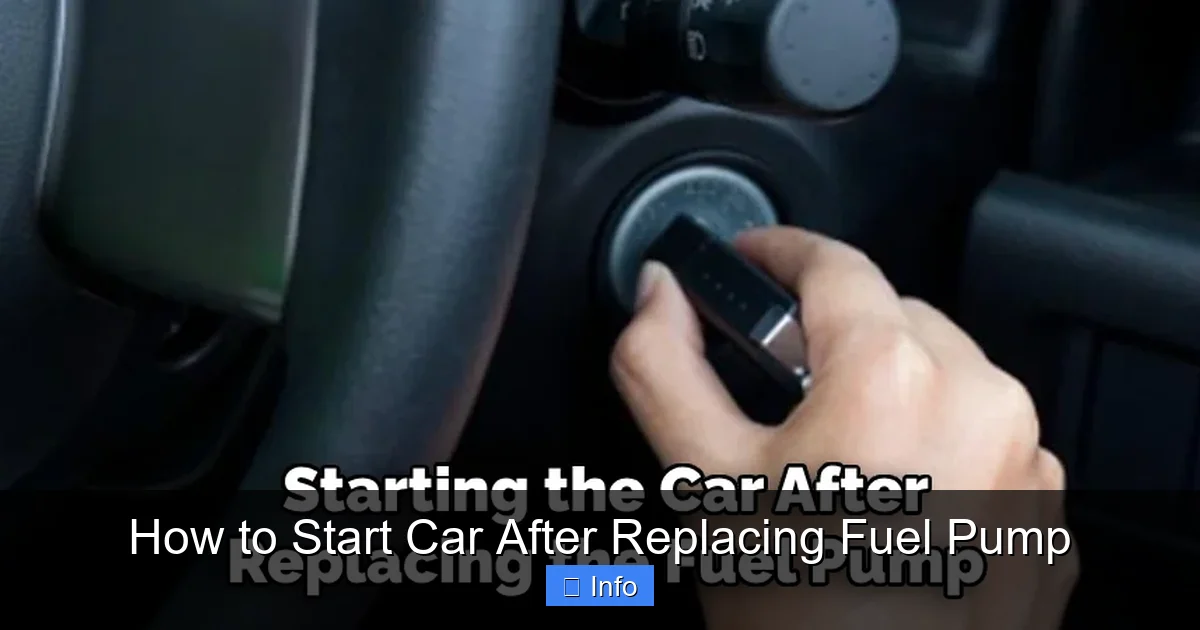
After replacing the fuel pump, prime the fuel lines, verify connections, and crank the engine briefly before starting. These quick checks ensure a smooth start and prevent common issues.
Starting a car after you’ve just installed a new fuel pump can feel a little nerve‑wracking. You want to be sure everything is sealed, pressurized, and ready to fire up without any surprises. In this guide we’ll walk you through each step of **how to start car after replacing fuel pump** in a clear, friendly way. Think of it as a quick chat with a mechanic friend who’s got your back.
Key Takeaways
- Check for leaks: Inspect all fuel lines and connections for drips before cranking the engine.
- Prime the system: Turn the ignition on for a few seconds to build pressure before starting.
- Listen for the pump: You should hear a brief whirring sound indicating the pump is working.
- Use the right fuel: Ensure you’re using the correct octane and that the tank is not empty.
- Watch the gauges: Verify that the fuel gauge rises and the engine runs steady.
- Consult a guide: For cost details, see our article on how much to replace a fuel pump.
📑 Table of Contents
1. Prepare the Vehicle Before the First Turn
Before you even think about turning the key, make sure the car is in a safe spot. Park on level ground, engage the parking brake, and turn off all accessories like the radio or lights. This reduces extra load on the battery and gives you a clean environment to work in.
Inspect the Fuel Lines
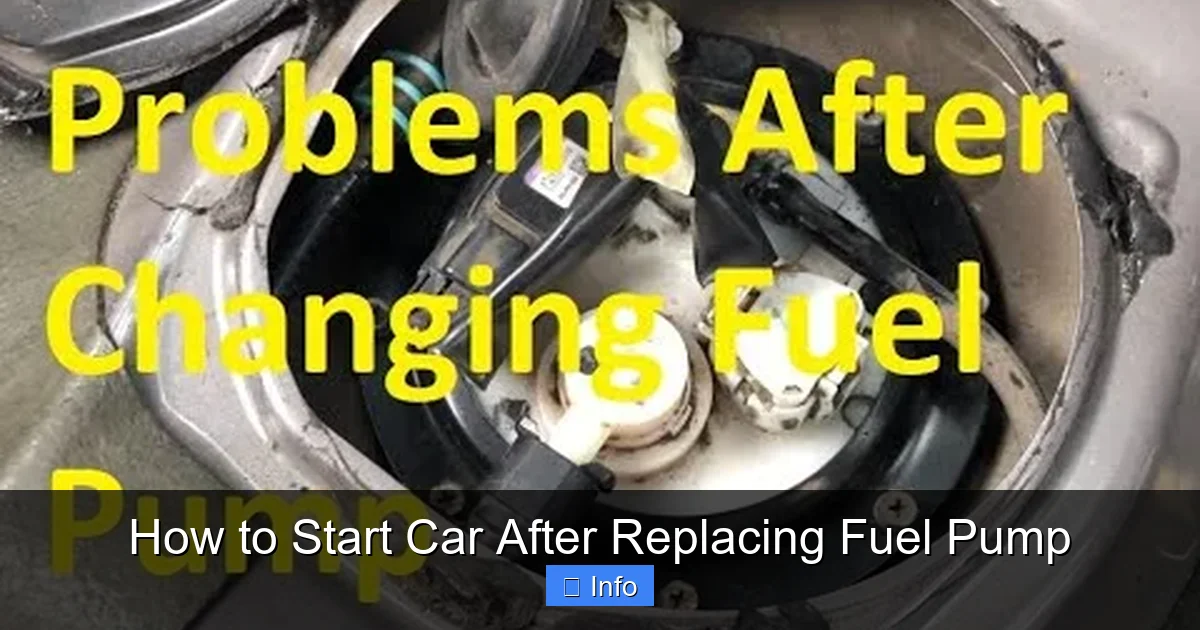
Look at every hose and connector you touched during the pump swap. Are there any cracks, loose clamps, or signs of fuel seeping out? A quick visual check can save you from a nasty spill later. If you spot anything odd, tighten the fitting or replace the hose before moving on.
Verify Electrical Connections
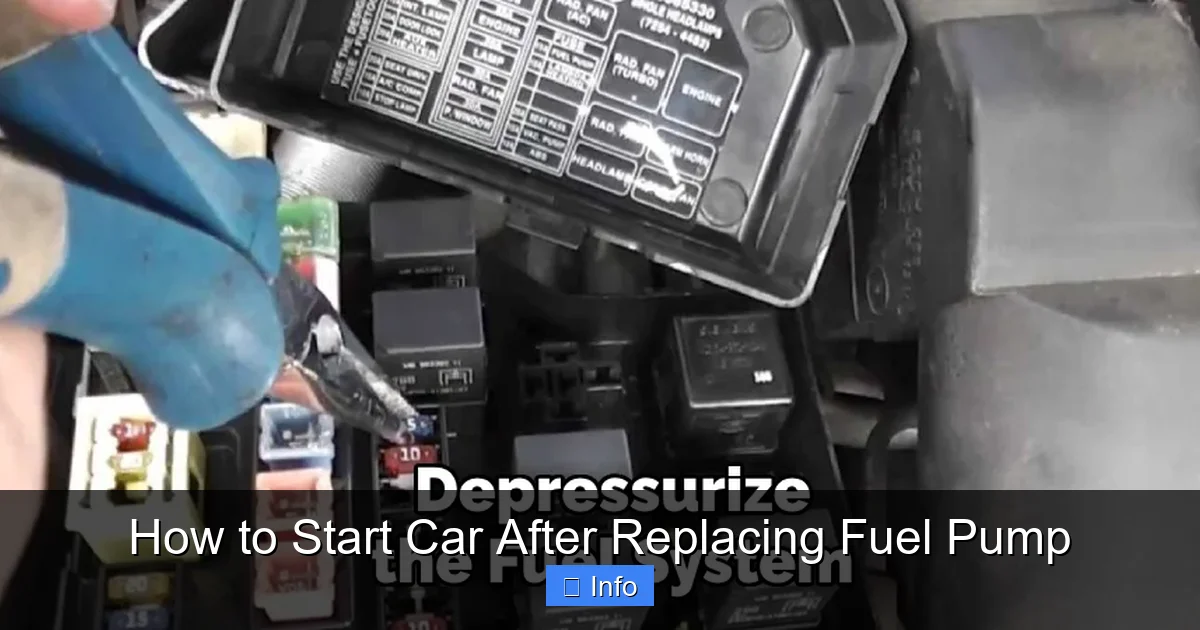
The fuel pump often relies on an electrical relay or fuse. Make sure the connector is snug and that the fuse is the correct rating. A loose wire can cause the pump to stay silent, which will make the start attempt fail.
2. Double‑Check the Installation
Visual guide about How to Start Car After Replacing Fuel Pump
Image source: i.ytimg.com
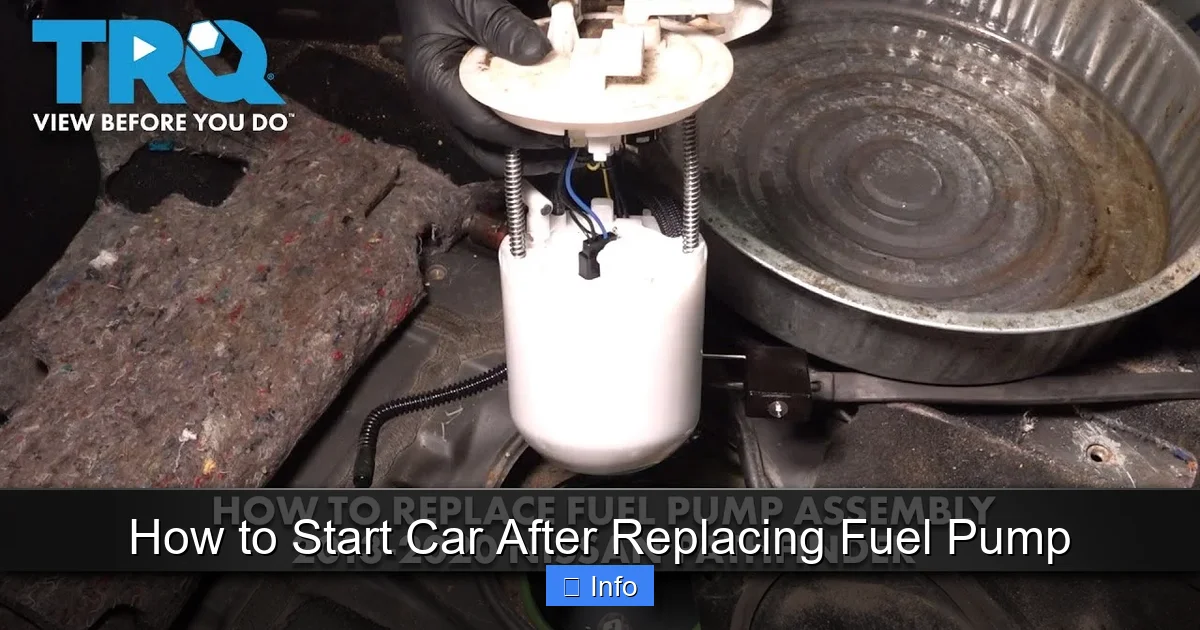
If you’re wondering whether the pump was installed correctly, you’re not alone. Many DIYers double‑check this step, and it’s a smart habit. For a deeper dive into typical costs and parts, check out our guide on how much to replace a fuel pump. Knowing the typical price helps you spot a shoddy job.
Confirm Pump Orientation
Some pumps have a specific direction for fuel flow. Make sure the arrow on the pump aligns with the flow direction in the fuel line. Installing it backward can prevent the engine from getting fuel at all.
Secure the Pump Mounting
A loose pump can vibrate loose over time, leading to leaks. Tighten all mounting bolts to the manufacturer’s torque specs if you have a torque wrench. If not, a firm hand‑tighten is usually sufficient.
3. Prime the Fuel System
Visual guide about How to Start Car After Replacing Fuel Pump
Image source: i.ytimg.com
One of the most overlooked parts of **how to start car after replacing fuel pump** is priming the system. When the pump is new, the fuel lines are empty. You need to fill them before the engine can fire.
Turn the Ignition On
Insert the key and turn the ignition to the “ON” position without cranking the engine. You should hear a faint whirring as the pump builds pressure. Hold it for about 5–10 seconds, then turn the key off. Repeat this cycle two or three times. This action pushes fuel through the lines and eliminates air bubbles.
Watch the Fuel Gauge
If your car has a fuel gauge, you may see it move slightly as pressure builds. This is a good sign that fuel is reaching the tank. If the gauge stays flat, double‑check the pump’s electrical supply.
4. Start the Engine Safely
Visual guide about How to Start Car After Replacing Fuel Pump
Image source: jeepfixes.com
Now you’re ready to crank the engine. Turn the key to “START” and let the engine turn over. It should fire up within a few seconds. If it doesn’t, give it another short prime cycle and try again.
Listen for Smooth Operation
A healthy start will sound steady, with no sputtering or coughing. If the engine hesitates, let it idle for a minute and watch the tachometer. A steady idle indicates the pump is delivering fuel correctly.
Avoid Repeated Cranking
If the engine doesn’t start after a couple of attempts, stop cranking. Continuing to crank can drain the battery and potentially damage the starter motor. Instead, repeat the priming steps and try again.
5. Troubleshoot Common Issues
Even after following all the steps, sometimes things don’t go as planned. Here are a few typical hiccups and how to fix them.
Engine Cranks but Won’t Fire
Check for error codes using an OBD2 scanner. A quick diagnostic can point to a sensor or timing issue. For more on using scanners, see our article on how to set up an OBD2 scanner for your car.
Fuel Smell Inside the Cabin
A strong fuel odor may mean a leak. Shut the engine off immediately, inspect the lines, and tighten any loose connections. If the smell persists, it’s best to have a professional look at it.
Check the Battery Health
Sometimes a weak battery can mimic a fuel‑pump problem. If the engine struggles to turn over, test the battery with a multimeter or have it checked at a shop. Learn more about diagnosing battery issues in our guide on how to diagnose a car battery problem.
6. Final Checks and Ongoing Maintenance
After you’ve successfully started the car, there are a few last things to do to keep everything running smoothly.
Monitor Fuel Pressure
If your vehicle has a fuel pressure gauge, verify that it reads within the manufacturer’s spec. Normal pressure means the pump is doing its job.
Inspect for Leaks Again
After a short drive, park the car and look underneath for any fresh fuel spots. A quick visual check can catch a slow leak before it becomes a bigger problem.
Schedule Regular Fuel System Care
Periodically cleaning the fuel filter and keeping the fuel tank clean can extend the life of your new pump. Our article on how to clean a car engine bay offers tips on keeping the surrounding area free of debris that could affect the pump.
Conclusion
Getting your car back on the road after a fuel pump swap doesn’t have to be stressful. By following these systematic steps—checking for leaks, priming the system, and listening for that tell‑tale pump whirr—you’ll master **how to start car after replacing fuel pump** with confidence. Remember, a little patience and a few safety checks go a long way. If you ever feel unsure, refer back to trusted resources or consult a professional mechanic. Happy driving!
Frequently Asked Questions
What should I do if I smell fuel after starting the car?
Turn the engine off immediately and inspect the fuel lines for leaks. Tighten any loose connections and re‑check for drips before attempting to start again.
How long should I prime the fuel pump?
Turn the ignition on for 5–10 seconds, then off, and repeat 2–3 times. This builds pressure and clears air from the lines.
Can a weak battery prevent the car from starting after a pump replacement?
Yes. A low‑charge battery may not provide enough power for the pump to prime, causing the engine to crank slowly or not at all.
Do I need to replace the fuel filter when I replace the pump?
It’s a good idea. A clogged filter can restrict flow and cause the new pump to work harder, potentially shortening its lifespan.
How can I tell if the fuel pump is working before I start the engine?
Listen for a brief whirring sound when you turn the ignition to the “ON” position. You can also watch the fuel gauge rise slightly.
Is it safe to drive with a check‑engine light on after a pump swap?
If the light is on, retrieve the error code with an OBD2 scanner. Some codes may be unrelated to the pump, but it’s best to address any warning promptly.