How to Start a Touchless Car Wash Business
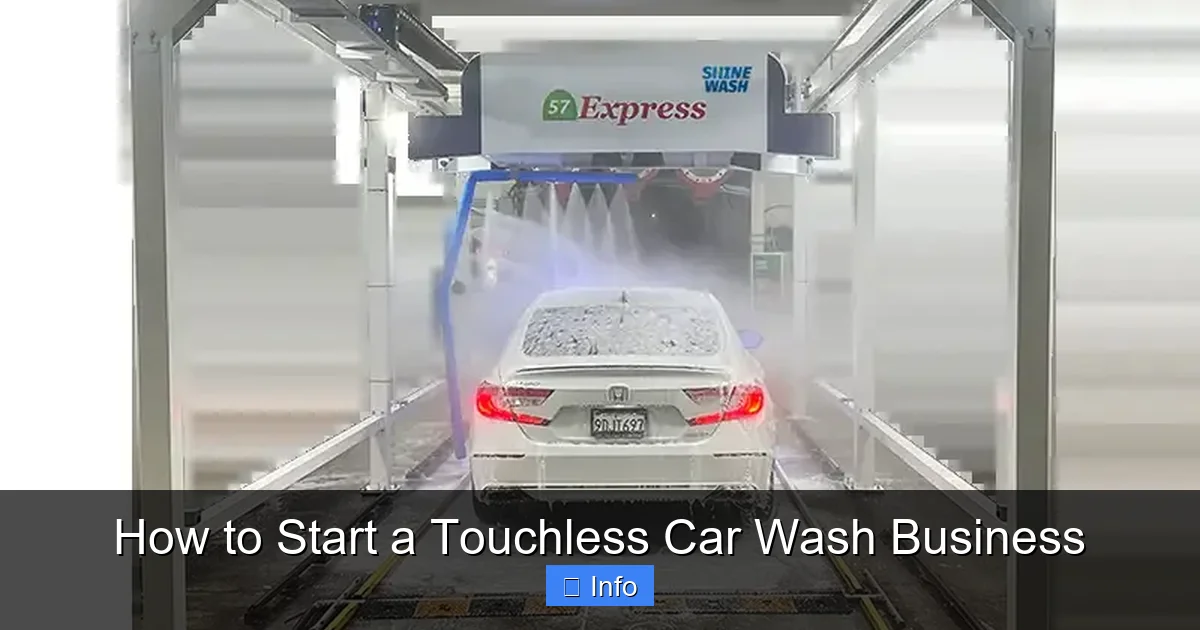
Starting a touchless car wash business combines low‑contact cleaning technology with strong demand for convenient, eco‑friendly vehicle care. This guide walks you through market research, site selection, equipment choices, licensing, and effective launch strategies to build a profitable, modern wash operation.
Key Takeaways
- Understand the model: A touchless car wash uses high‑pressure water and specialized chemicals to clean vehicles without brushes, reducing wear and appeal to eco‑conscious customers.
- Research your market: Analyze local competition, traffic patterns, and demographics to determine pricing, service packages, and peak hours.
- Choose the right location: High‑visibility sites near busy roads, shopping centers, or residential complexes drive volume; ensure adequate space for queues and drainage.
- Select reliable equipment: Invest in pumps, nozzles, water reclamation systems, and eco‑friendly detergents; consider linking to trusted resources like best foam gun car wash products for superior shine.
- Secure permits and insurance: Obtain zoning approval, wastewater discharge permits, and liability coverage to operate legally and protect your investment.
- Launch with strong marketing: Use local SEO, social media ads, and opening‑day promotions; highlight the touchless, water‑saving benefits to attract early customers.
📑 Table of Contents
Understanding the Touchless Car Wash Model
The touchless car wash model has grown rapidly because it offers a fast, scratch‑free clean while using less water than traditional brush washes. Instead of physical contact, high‑pressure jets and specially formulated chemicals break down dirt, grime, and road salts. Customers appreciate the reduced risk of paint damage, and operators benefit from lower maintenance costs on brushes and conveyors.
When you start a touchless car wash business, you are essentially selling convenience and peace of mind. The technology can be installed in a self‑serve bay, an automatic tunnel, or a hybrid system that offers both options. Understanding the core components—pump pressure, chemical dosing, water reclamation, and drying systems—helps you make informed equipment choices.
Many entrepreneurs begin with a single self‑serve bay to test demand before expanding to a full tunnel. This phased approach reduces upfront risk and lets you refine your service based on real‑world feedback.
Planning Your Touchless Car Wash Business
Conduct Market Research
Before spending money, study the local area. Look at existing car washes, note their prices, hours, and customer reviews. Identify gaps—perhaps there is no eco‑friendly option or no location near a major commuter route. Use tools.
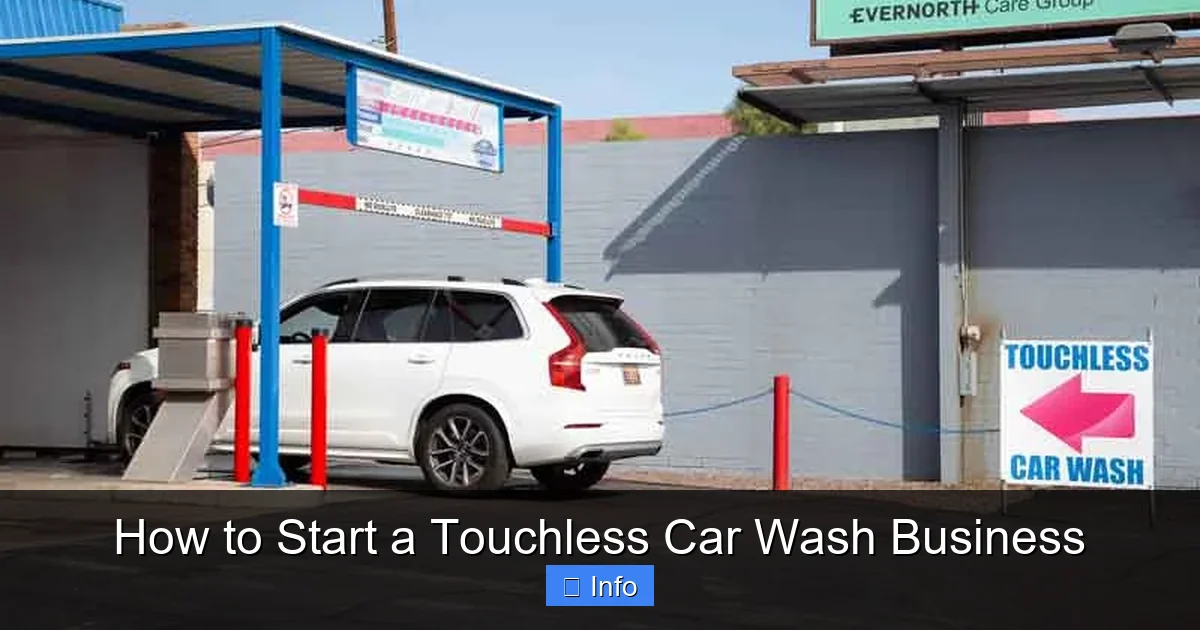
Visual guide about How to Start a Touchless Car Wash Business
Image source: touchlesscarwash.com
Consider demographics: neighborhoods with many commuters, ride‑share drivers, or families with multiple vehicles often generate steady traffic. A simple survey or observation study can reveal how many cars pass a potential site each hour.
Define Your Service Offerings
Decide whether you will offer only a basic wash, or add upgrades like wax sealants, tire shine, interior vacuum stations, or detailing add‑ons. Bundling services can increase average ticket size. For example, a “Touchless Plus” package might include a high‑gloss sealant and a quick interior wipe‑down.
Pricing should reflect your costs, local competition, and perceived value. A typical touchless wash ranges from $8 to $15, with premium packages reaching $20‑$25.
Choosing the Right Location and Site Setup
Site Selection Criteria
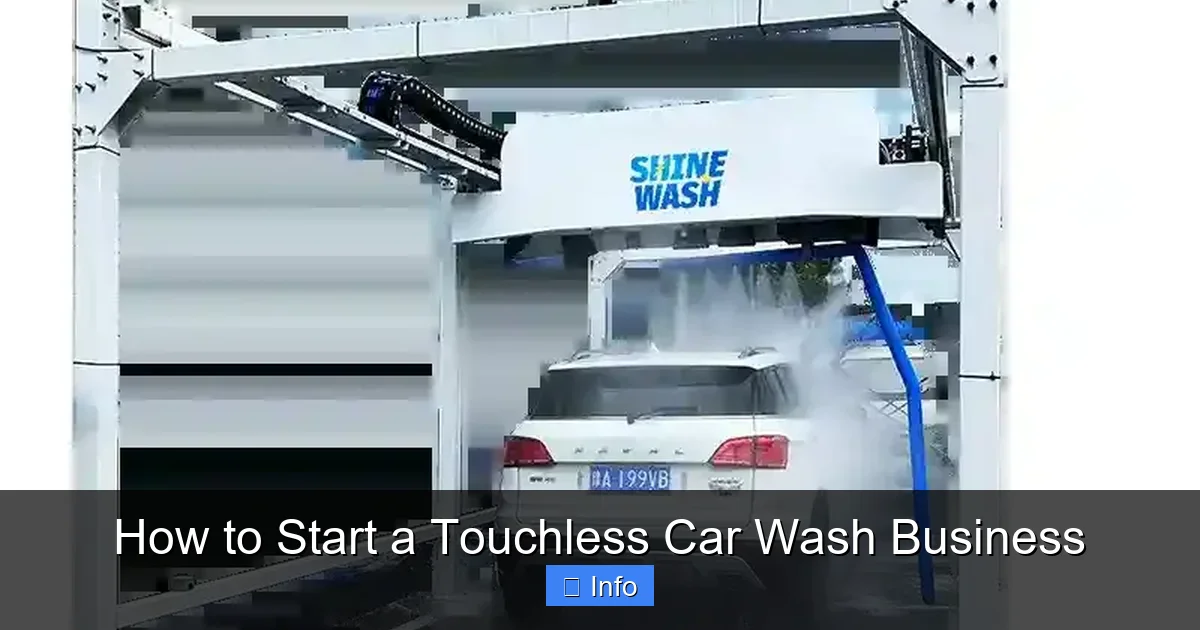
Visibility and accessibility are paramount. Aim for a site with at least 30‑40 feet of frontage on a busy road, allowing clear signage and easy entry/exit. Proximity to gas stations, grocery stores, or office parks can drive impulse visits.
Visual guide about How to Start a Touchless Car Wash Business
Image source: shinewashtec.com
Check zoning laws early. Some municipalities restrict car washes near residential zones due to noise or water runoff concerns. Verify that the parcel is zoned for commercial automotive use.
Layout and Infrastructure
A typical touchless bay needs about 12‑15 feet width and 20‑25 feet length per lane. Include space for a queue line, payment kiosk, and vacuum stations if you offer them. Ensure the site has adequate drainage and access to a sanitary sewer or approved water‑reclamation system.
Utility requirements are significant: you’ll need a three‑phase electrical service for high‑horsepower pumps, and a water supply capable of delivering 50‑70 gallons per minute per bay. Many operators install a water‑recycling system to cut fresh water use by up to 80%, which also appeals to environmentally conscious customers.
Selecting Equipment and Technology
Core Components
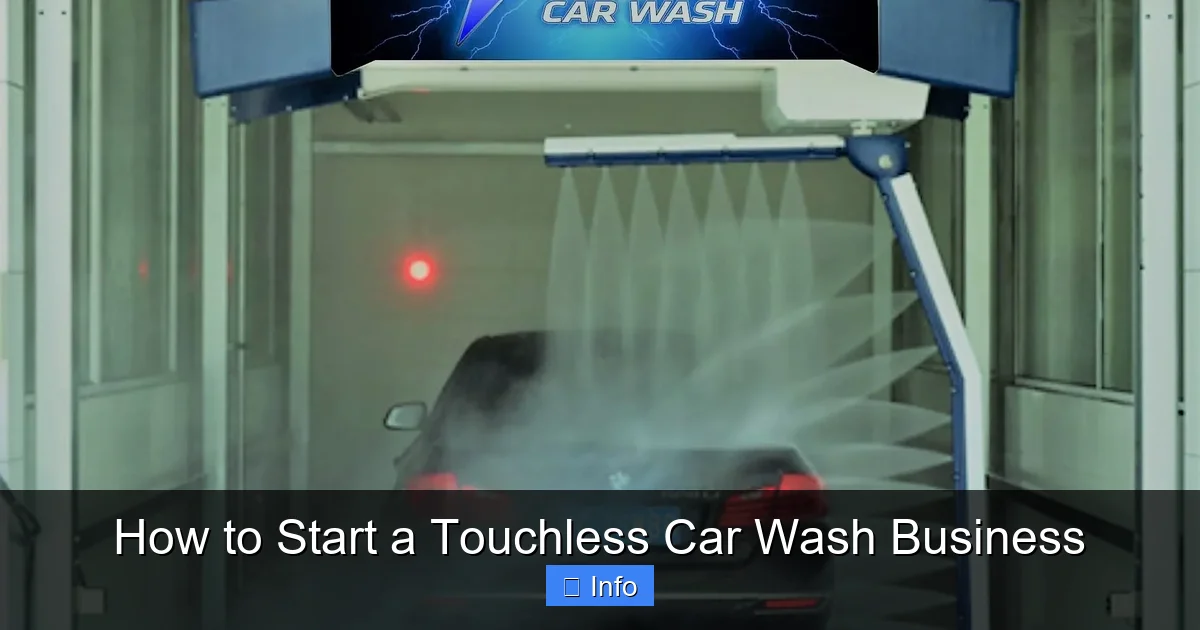
The heart of a touchless system is the pump station, which delivers water at 1200‑1500 PSI through precision nozzles. Chemical injectors meter detergents, waxes, and sealants at precise ratios. Look for systems with adjustable pressure and flow to handle different vehicle sizes.
Visual guide about How to Start a Touchless Car Wash Business
Image source: img1.wsimg.com
Drying is usually achieved with high‑volume blowers or heated air knives. Some setups include a spot‑free rinse using deionized water to prevent water spots.
Water Reclamation and Eco‑Friendly Options
Investing in a reclamation system not only reduces water bills but also meets stricter environmental regulations. These systems filter and reuse wash water, removing oils and solids before the next cycle.
Choosing biodegradable, phosphate‑free detergents improves your green image. For product ideas, you can explore sources like best car wash foaming soap that deliver a sparkling finish while being safe for the environment.
Automation and Payment
Modern touchless washes integrate license‑plate recognition, RFID tags, or mobile app payments for a seamless experience. Consider a point‑of‑sale system that tracks sales, monitors chemical usage, and alerts you to maintenance needs.
When evaluating vendors, ask about warranty coverage, spare‑parts availability, and training support. A reliable supplier can dramatically reduce downtime.
Local and State Requirements
Most jurisdictions require a business license, a sales tax permit, and specific environmental permits for wastewater discharge. Contact your city’s planning department and the state environmental agency to learn exact steps.
You may also need a stormwater permit if your site discharges runoff into municipal systems. Demonstrating a water‑reclamation plan often speeds up approval.
Insurance Coverage
General liability insurance protects against customer injuries or property damage. Garage liability covers risks associated with vehicles on your property. If you have employees, workers’ compensation is mandatory.
Discuss your specific setup with an insurance broker familiar with car wash operations to ensure adequate limits—typically $1‑$2 million per occurrence.
Signage and Accessibility
Check local sign ordinances for height, illumination, and placement restrictions. Additionally, ensure your site complies with the Americans with Disabilities Act (ADA) by providing accessible payment kiosks and clear pathways.
Marketing, Launch, and Customer Retention
Pre‑Launch Buzz
Start building awareness weeks before opening. Use social media teasers, local newspaper ads, and flyers distributed at nearby businesses. Offer a “grand opening” discount—perhaps the first 100 washes at half price—to generate initial traffic and collect email addresses for future promotions.
Partner with local influencers or community groups to showcase the touchless, eco‑friendly angle. A short video showing the no‑brush process can be highly shareable.
Digital Presence
Claim your Google Business Profile, optimize it with keywords like “touchless car wash near me,” and encourage satisfied customers to leave reviews. Positive reviews boost local search rankings and trust.
Consider a simple website that lists services, prices, location, and hours. Integrate an online booking or loyalty app if you plan to offer memberships.
Loyalty Programs and Upsells
Implement a punch‑card or digital loyalty program where after eight washes the ninth is free. Offer add‑ons like interior detailing, headlight restoration, or protective coating at the point of sale to increase average revenue per car.
Regularly communicate with your email list about new promotions, seasonal packages (e.g., winter salt‑removal wash), or community events you sponsor.
Monitoring and Improvement
Track key performance indicators: cars per hour, average ticket size, chemical cost per car, and water usage. Use this data to adjust staffing, tweak chemical ratios, or run targeted promotions during slow periods.
Solicit feedback through short surveys or QR‑code links at the exit. Acting on customer suggestions shows you value their experience and helps refine your offering.
Financial Projections and Scaling
Startup Costs
A single‑bay touchless system typically costs $150,000‑$250,000, including equipment, site work, permits, and initial inventory. A two‑bay or tunnel setup can range from $400,000 to $750,000.
Break down expenses into categories: equipment (40‑50%), construction and plumbing (20‑30%), permits and fees (5‑10%), initial marketing (5‑10%), and working capital for the first three months (10‑15%).
Revenue Streams
Primary revenue comes from wash sales. Secondary streams include vacuum usage, air fresheners, detailing services, and retail items like microfiber towels or tire shine. Membership plans provide predictable recurring income.
Assuming an average of 120 cars per day at $12 per wash, monthly gross revenue could be around $43,200. Subtract operating costs (labor, utilities, chemicals, maintenance) to estimate net profit.
Financing Options
Explore small‑business loans, equipment financing, or SBA programs. Some equipment vendors offer lease‑to‑own arrangements that reduce upfront cash outlay.
Prepare a detailed business plan with projected cash flow, break‑even analysis, and sensitivity scenarios (e.g., 20% lower traffic) to present to lenders.
Scaling and Future Growth
Once your first location proves profitable, consider replicating the model in nearby markets or adding complementary services like a detailing shop or oil change lane. Franchising is another path if you develop a repeatable system and brand.
Continuously invest in technology upgrades—such as touchless payment apps or advanced water‑saving nozzles—to stay competitive and meet evolving customer expectations.
Conclusion
Starting a touchless car wash business offers a modern, low‑maintenance entry into the booming car‑care industry. By understanding the technology, conducting thorough market research, securing the right location, choosing reliable equipment, and navigating permits and insurance, you set a solid foundation for success.
Effective marketing, a customer‑focused loyalty program, and diligent financial monitoring will help you attract and retain drivers who value a quick, scratch‑free clean. With careful planning and a commitment to quality, your touchless wash can become a trusted community staple and a profitable venture for years to come.
Frequently Asked Questions
What is the main advantage of a touchless car wash over a traditional brush wash?
The primary advantage is that touchless systems clean vehicles without physical contact, greatly reducing the risk of scratches or swirl marks on the paint. They also tend to use less water and can be more environmentally friendly when paired with water‑reclamation systems.
How much space do I need for a single touchless bay?
A typical touchless wash bay requires roughly 12‑15 feet of width and 20‑25 feet of length to accommodate the equipment, vehicle space, and a queue line. Additional space is needed for payment kiosks, vacuum stations, and proper drainage.
Do I need a water‑reclamation system to operate legally?
Many municipalities require some form of water treatment or recycling for car wash operations to protect local waterways. Installing a reclamation system not only helps meet regulations but also lowers your fresh‑water consumption and operating costs.
What type of chemicals are best for a touchless wash?
Look for biodegradable, phosphate‑free detergents specifically formulated for high‑pressure, touchless applications. These chemicals effectively break down dirt while being safe for the environment and your equipment.
How can I attract customers during the first few months?
Launch with a grand‑opening discount, promote through local social media groups and flyers, and partner with nearby businesses for cross‑promotions. Highlighting the eco‑friendly, scratch‑free benefits in your messaging helps differentiate you from competitors.
Is it profitable to add detailing or interior services to a touchless wash?
Yes. Offering add‑ons like interior vacuuming, wax sealants, or headlight restoration increases the average ticket size and can boost overall revenue by 20‑30% or more, especially when bundled with loyalty programs.