Do You Press the Brake When Starting a Car
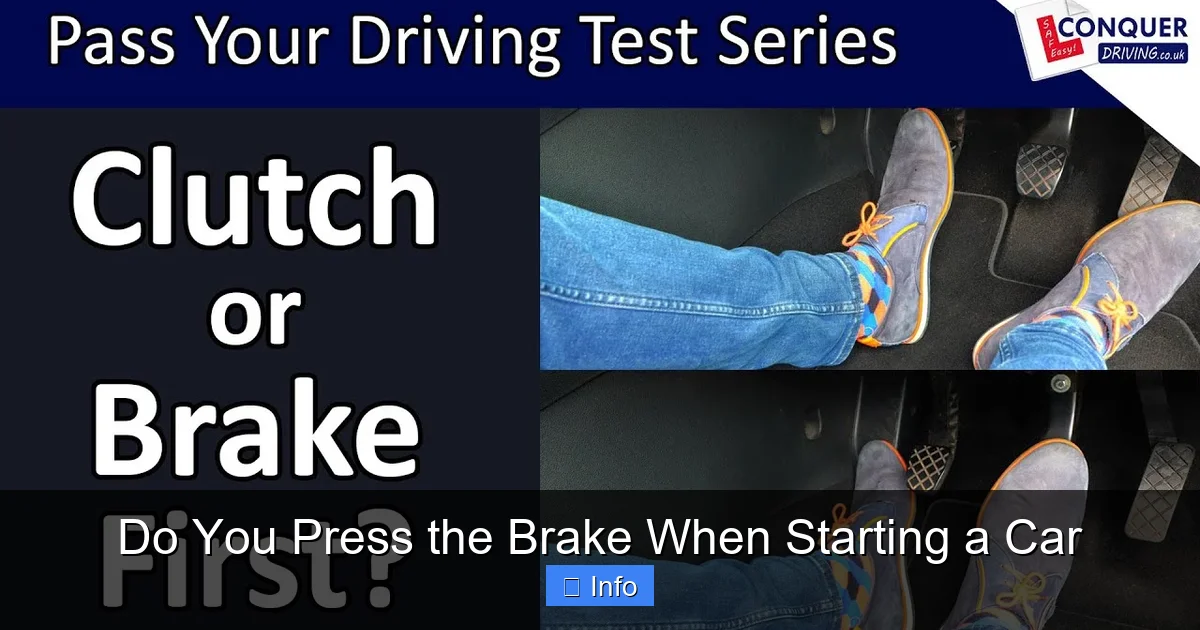
When you start a car, many drivers wonder if they need to press the brake pedal. In most modern vehicles, especially those with keyless ignition, the brake is required to start the engine, while older or manual cars may differ. Always follow your owner’s manual and prioritize safety.
Key Takeaways
- Modern keyless cars require the brake pedal to be pressed before the engine starts. This is a safety feature that prevents unintended movement.
- Older vehicles and manuals may start without the brake, but pressing it improves control. It’s still a good practice.
- Always consult your owner’s manual for the specific requirements of your vehicle.
- Maintaining your brake system and battery helps ensure reliable starts. Regular checks keep you safe.
- Breaking in a new car correctly includes gentle brake use during the first few hundred miles. This protects both brakes and engine.
- Understanding brake‑start interaction can improve fuel economy and extend component life. Smart driving habits matter.
- If you’re unsure, a quick look at how‑to‑check‑brake‑pads guides can help. See our brake pad guide for tips.
📑 Table of Contents
Introduction: The Common Question Behind the Wheel
Every day, millions of drivers sit behind the wheel and ask themselves, “Do you press the brake when starting a car?” The answer seems simple, but it can vary widely depending on the make, model, and year of your vehicle. In this article, we’ll break down the rules, safety tips, and common misconceptions that surround the relationship between braking and starting a car. Whether you drive a brand‑new keyless‑start sedan or an older manual‑shift classic, understanding this connection will help you drive smarter and safer.
Understanding the Brake System Basics
What Happens When You Press the Brake Pedal
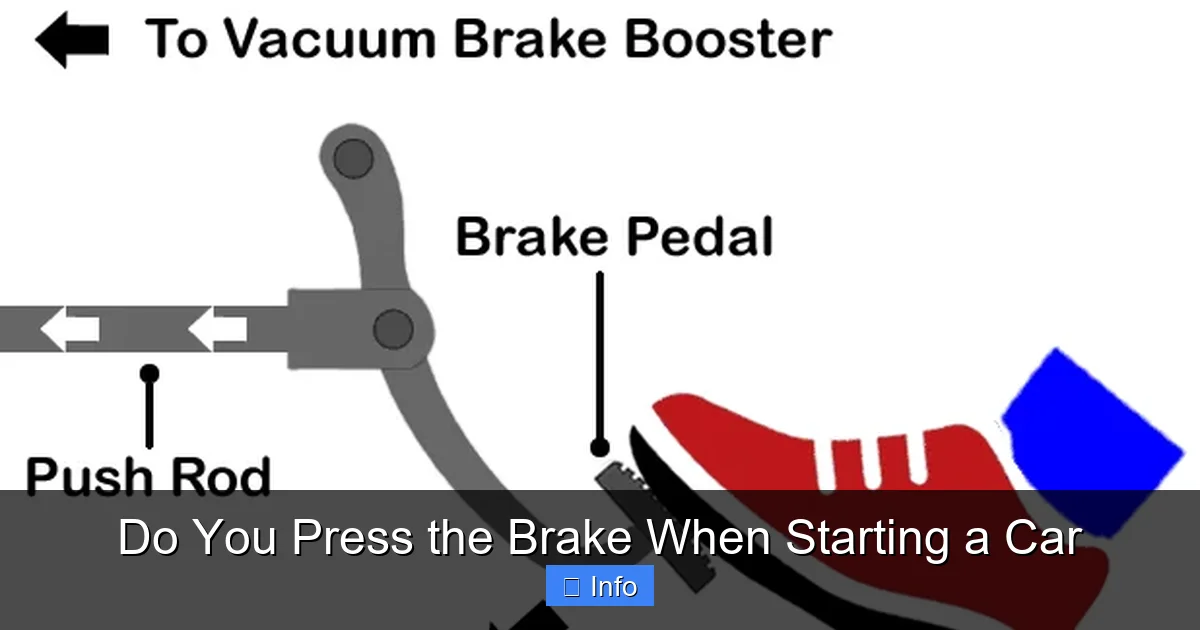
When you press the brake pedal, hydraulic pressure builds inside the brake lines. This pressure forces the brake pads against the rotors, creating friction that slows or stops the wheels. Modern cars also include electronic brake‑by‑wire systems that can interact with the engine control unit (ECU) to ensure smooth stops and prevent wheel lock‑up.
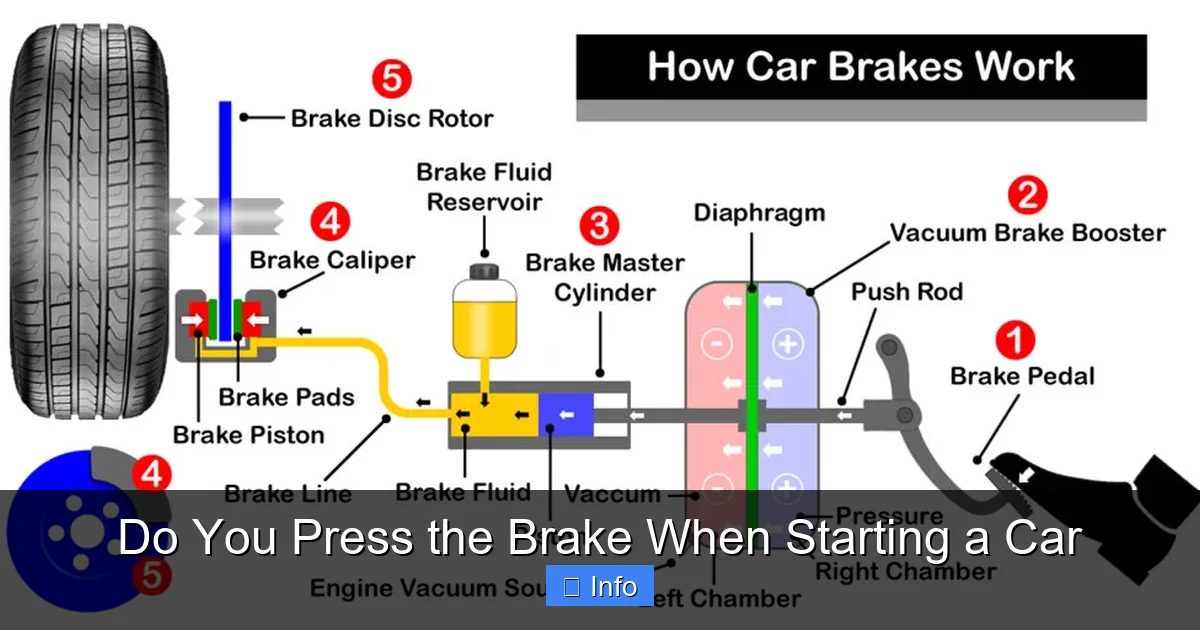
Visual guide about Do You Press the Brake When Starting a Car
Image source: learndriving.tips
How the Ignition System Interacts with the Brake
In many vehicles, the ECU monitors brake pedal position sensors. When the brake is engaged, the ECU can allow the starter to fire and the fuel system to deliver a small fuel shot. This link is especially important in automatic transmissions, where the brake acts as a safety lock to keep the vehicle stationary before the engine starts.
Do You Need to Press the Brake to Start?
Modern Cars with Keyless Ignition
If you own a car built in the last decade, chances are the answer is a solid “yes.” Keyless ignition systems (often called “push‑button start”) are designed to require the brake pedal to be fully depressed before the engine will crank. This design prevents accidental starts when the car is in motion. The safety logic is simple: the brake tells the ECU that the driver intends to start the engine while the car is stationary.
Visual guide about Do You Press the Brake When Starting a Car
Image source: learn-automatic.com
When you sit down, press the brake, and then push the start button, you’re actually sending an electronic signal that the brake is active. If the brake isn’t pressed, the system will either stay silent or emit a warning beep. This is why you’ll often hear “key not detected” or “engine not starting” messages when the brake isn’t engaged.
Older Vehicles and Manual Starters
Older cars, especially those with a traditional keyed ignition, may not require the brake to start. In many manual transmission cars from the 1990s and earlier, you could turn the key to start the engine without pressing the brake. However, most modern manual cars still include a brake‑on‑start requirement as part of their safety suite.
Even if your vehicle doesn’t enforce it electronically, it’s still a good habit to press the brake before starting. This gives you better control, especially on inclines, and reduces wear on the clutch and transmission.
Automatic Transmission vs. Manual Transmission
Automatic transmissions almost always need the brake to start. The vehicle’s design ensures that the torque converter is locked and the wheels are not moving when you press the start button. If you try to start an automatic without the brake, many cars will not start at all, and some will flash a warning on the dash.
Manual transmissions are more varied. Some newer manuals (especially those with “start‑stop” technology) still require the brake. Others, particularly performance models, may allow you to start without the brake, but it’s never advisable to do so without first ensuring the car is stationary.
Safety Implications and Best Practices
Why Pressing the Brake Can Be Safer
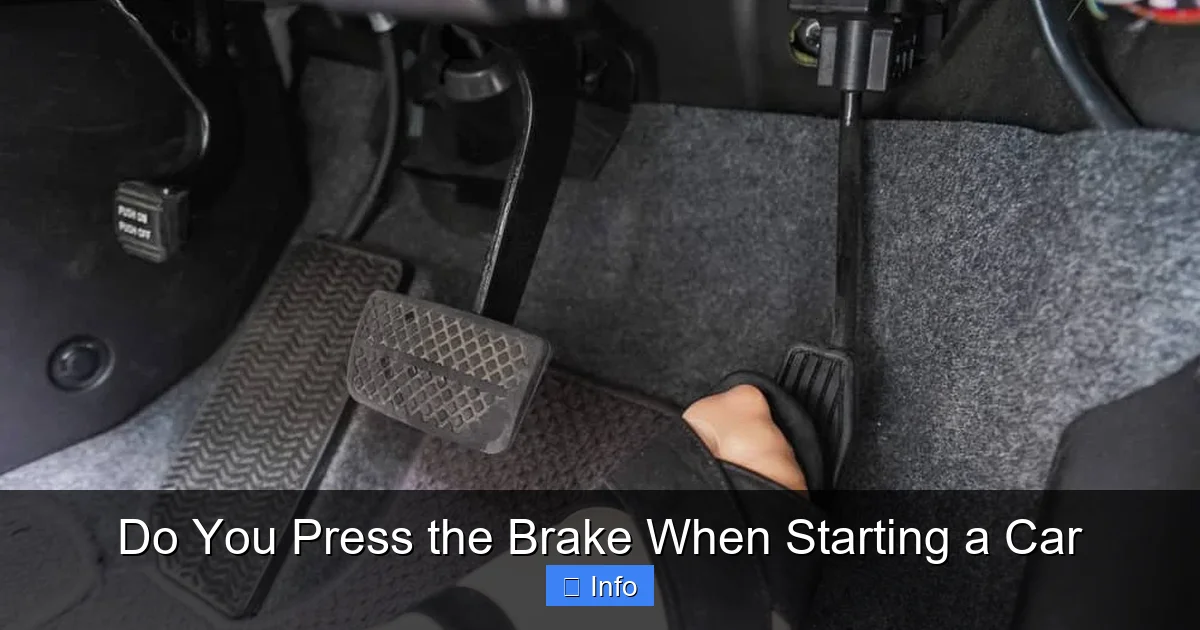
Pressing the brake before starting serves several safety functions. First, it tells the vehicle’s computer that the driver is in the driver’s seat and intends to move the car. Second, it prevents the car from lurching forward unexpectedly, which could happen if the starter engages while the vehicle is still in gear.
Visual guide about Do You Press the Brake When Starting a Car
Image source: carolinamobileautoservice.com
Situations Where You Should Definitely Press the Brake
- When starting on an incline, the brake locks the wheels and prevents rolling.
- When you’re parked on a hill and the parking brake may be insufficient.
- When you have passengers or children in the car and want to ensure a smooth, controlled start.
- When your vehicle has electronic stability control or traction control that monitors brake input.
Common Myths About Brake and Start
Many drivers believe that pressing the brake is only necessary for automatic cars. In reality, modern manuals often share the same safety logic. Another myth is that the brake is only needed when the car is in “Park” (P) or “Neutral” (N). While the transmission position matters, the brake itself is the primary safety check.
It’s also false that you can skip the brake to “save fuel.” The fuel system is not affected by whether you press the brake; the starter motor draws the same small amount of power regardless.
Tips for Smooth Starts and Maintenance
Regular Brake Checks (link to brake pads guide)
Keeping your brake pads in good shape ensures that the pedal feels firm and responsive. If the pads are worn, the pedal may feel soft, which can affect the start sequence. Check your pads every 10,000–20,000 miles and replace them when they’re below the minimum thickness.
Battery Health and Starting Performance (link to battery maintenance)
A healthy battery is essential for a successful start, regardless of whether you press the brake. Cold weather can reduce battery output, making it harder for the starter to crank. Keep your battery terminals clean, and consider using a battery blanket in extreme cold.
Break‑In Period for New Cars (link to break‑in guide)
When you first drive a new car, the manufacturer often recommends a specific break‑in routine. This includes gentle acceleration, moderate braking, and avoiding hard starts. Following these guidelines helps the engine, transmission, and brakes settle into optimal alignment, ensuring that the brake‑start relationship works smoothly throughout the vehicle’s life.
Driving Habits That Affect Start Quality
Your daily habits can influence how well the brake‑start system works. Aggressive driving, frequent sudden stops, and hard acceleration place extra stress on the brake system and battery. By driving smoothly, you reduce wear and keep the system responsive.
Also, remember to keep the car in “Park” (automatic) or “Neutral” (manual) before turning off the engine. This reduces load on the starter and helps the next start be smoother.
Conclusion: Mastering the Brake‑Start Relationship
So, do you press the brake when starting a car? The answer depends on your vehicle’s design, but the safest practice is always to press the brake before you start the engine. Modern keyless systems require it, and even older cars benefit from the added control and safety it provides.
By staying aware of your brake’s condition, keeping your battery healthy, and following the break‑in guidelines for new cars, you’ll ensure that every start is smooth and reliable. Remember to consult your owner’s manual for the exact requirements of your model, and don’t hesitate to refer to our helpful guides on checking brake pads, battery maintenance, and breaking in a new car for extra support.
Drive safely, press that brake, and enjoy a trouble‑free start every time.
Frequently Asked Questions
Do you press the brake when starting a car in a manual transmission?
Most modern manual cars still require the brake to be pressed before the engine will start. This safety feature prevents the vehicle from rolling when you engage the clutch and turn the key. Even if your older manual doesn’t enforce it electronically, it’s a good habit to press the brake first for better control.
Is it necessary to press the brake for keyless start?
Yes. Keyless ignition systems are designed to require the brake pedal to be fully depressed before the engine can crank. This ensures the car is stationary and the driver is ready to move. If the brake isn’t pressed, the start button will typically remain inactive or emit a warning.
What if the brake isn’t engaged when starting?
If you attempt to start an automatic without pressing the brake, many vehicles will not start at all, and a warning message will appear on the dashboard. Some older manuals may start, but doing so can cause unintended movement and increased wear on the clutch and transmission.
Does pressing the brake affect fuel economy?
No, pressing the brake before starting does not impact fuel consumption. The starter motor draws a minimal amount of power regardless of brake position. The main fuel savings come from smooth driving habits, not from the brake‑start sequence.
How does brake sensor technology influence starting?
Modern brake sensors provide the ECU with precise information about pedal position. This data helps the system determine when it’s safe to start the engine. If a brake sensor malfunctions, the vehicle may not start or may exhibit irregular behavior, so regular brake system checks are essential.
Can I skip the brake in cold weather to warm the engine faster?
No. Skipping the brake in cold weather does not warm the engine faster and can be dangerous. Press the brake as usual, then start the engine. Allow it to idle for a minute or two, and gently drive once the temperature gauge indicates the engine is warm.