How to Adjust Power Steering Belt
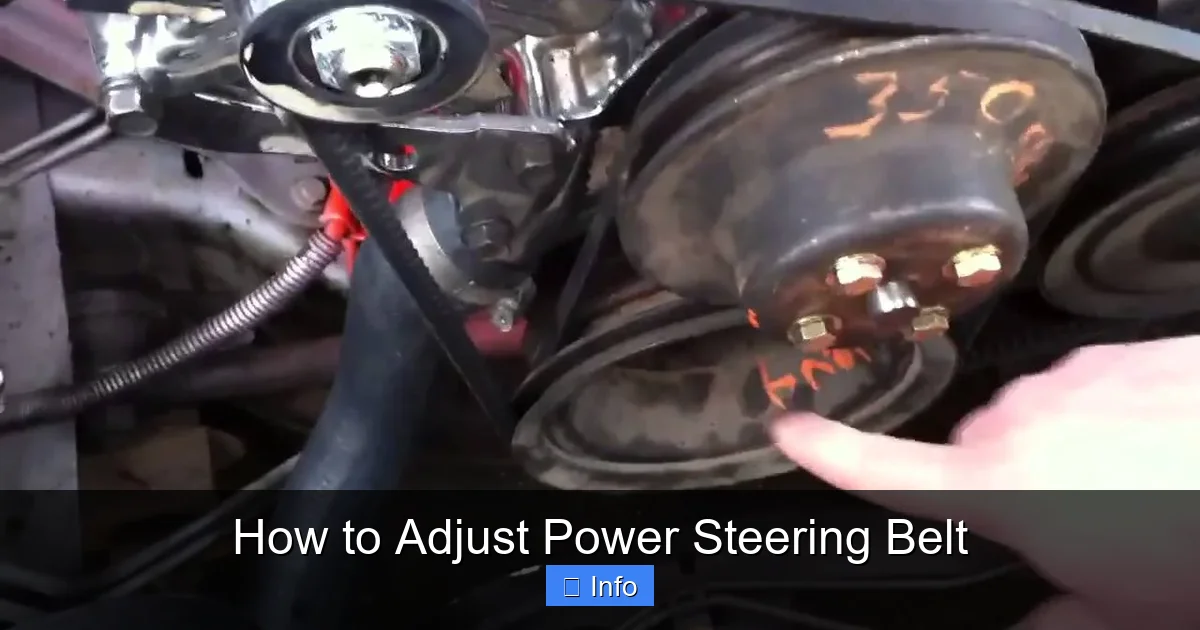
Adjusting a power steering belt is a simple DIY task that restores smooth steering and prevents premature belt wear. With the right tools and a few safety steps, you can tighten or loosen the belt to manufacturer specs in under an hour. Follow this guide for a reliable adjustment that keeps your vehicle handling like new.
Adjusting a power steering belt may sound technical, but it’s actually a straightforward task. You’ll need a few basic tools and a clear set of steps. This guide walks you through the entire process, from safety checks to final verification, so you can keep your steering feeling tight and responsive.
Key Takeaways
- Point 1: Locate the power steering belt and identify tensioner pulley before you start.
- Point 2: Use a tension gauge or the manufacturer’s spec sheet to set the correct belt tension.
- Point 3: Loosen the tensioner, slide the belt, then tighten to spec while the engine is running.
- Point 4: Check belt wear after adjustment; replace if cracking, glazing, or damage is present.
- Point 5: Adjust the belt in small increments and re‑check tension to avoid over‑tightening.
- Point 6: Follow the same careful approach used when adjusting a drag link for consistent results.
- Point 7: Remember that belt adjustment is similar to fine‑tuning a track bar or coilovers for precise vehicle handling.
📑 Table of Contents
Understanding the Power Steering Belt
The power steering belt drives the hydraulic pump that provides assist to the steering column. If the belt slips or becomes too loose, steering feel becomes vague and the pump may overheat. Conversely, an over‑tight belt stresses the tensioner and bearings, leading to premature failure.
Why Proper Tension Matters
A correctly tensioned belt transfers power efficiently without excessive wear. It also reduces noise and prevents the belt from jumping off the pulleys. Maintaining proper tension extends belt life and protects the power steering pump.
Common Symptoms of Belt Issues
Listen for a squealing noise that changes with steering angle. Feel for a soft or spongy steering feel. Watch for oil leaks near the pump. Any of these signs often point to incorrect belt tension.
Tools You’ll Need
Before you start, gather the following items:
- A socket set or ratchet with extension bars
- A pry bar or belt tension wrench (optional)
- A torque wrench calibrated to the vehicle’s specifications
- A pen or marker for notes
- Safety gloves and eye protection
Checking Your Vehicle’s Specs
Find the service manual for your make and model. Look for the belt tension specification, often listed in ft‑lb or N·m. Some manufacturers provide a “knock” test or a specific pulley deflection measurement.
Safety Precautions Before Adjusting
Always work in a well‑ventilated area with the engine turned off. Disconnect the battery if you suspect electrical interference. Use a jack stand or lift if you need to access the belt from underneath the vehicle. Wear safety glasses to protect against stray bolts or belt fragments.
Securing the Vehicle
Engage the parking brake and place wheel chocks behind the opposite tires. If you have a jack, ensure the vehicle is stable before crawling under it.
Step‑by‑Step Adjustment Process
Follow these steps in order. Each step builds on the previous one to ensure a safe and accurate adjustment.
1. Access the Belt
Open the hood and locate the power steering belt. It runs from the crankshaft pulley to the power steering pump pulley. Note the direction of rotation—usually clockwise.
2. Identify the Tensioner
Find the tensioner pulley. It is a movable pulley that applies pressure to the belt. The tensioner is usually a spring‑loaded arm that can be rotated to increase or decrease belt tension.
3. Loosen the Tensioner
Insert a socket or ratchet into the tensioner bolt. Turn the bolt counter‑clockwise to release tension. The belt should become slack enough to move easily.
4. Remove the Old Belt Position
Gently slide the belt off the pulleys. This step allows you to inspect the belt for wear and to reposition it if necessary.
5. Inspect the Belt
Look for cracks, glazing, or frayed edges. If the belt shows significant wear, replace it before re‑installing. A damaged belt can fail suddenly.
6. Re‑install the Belt
Slide the belt back onto the pulleys, making sure it sits in the groove of each pulley. Keep the belt aligned and avoid crossing it.
7. Adjust Tension (Similar to Adjusting a Drag Link)
Now tighten the tensioner by turning the bolt clockwise. Use a torque wrench to apply the manufacturer’s specification. This step is similar to how you would tighten a drag link—small, controlled movements prevent over‑tightening. After reaching the spec, double‑check the tension with a gauge if available.
8. Verify the Adjustment
With the engine off, press down on the belt. It should deflect about 1/2 inch. If it feels too loose or too tight, adjust again in small increments.
9. Final Checks
Start the engine and let it idle. Listen for squealing. Turn the steering wheel left and right fully. The belt should remain tight without excessive noise. Also, check for any oil leaks around the pump.
10. Document the Work
Write down the torque value and the date of adjustment. This note helps you track maintenance intervals.
Common Problems and How to Diagnose Them
Even after a proper adjustment, issues can arise. Knowing how to diagnose them saves time and money.
Persistent Squealing
Squealing after adjustment often means the belt is still too loose or the tensioner spring is weak. Re‑check the tensioner pivot and ensure the spring is not broken.
Uneven Belt Wear
If wear appears on one side, the belt may be misaligned or the pulleys are out of round. Inspect the pulleys for grooves or damage. A misaligned belt can also be caused by improper installation after a replacement.
Power Steering Pump Noise
A whining pump can result from low fluid levels or a slipping belt. Verify fluid level and condition. A slipping belt often occurs when tension is insufficient. Re‑tighten as needed, using the same method described for adjusting a track bar—small adjustments and careful measurement.
Belt Breaking Suddenly
Frequent belt breaks point to an over‑tight setup or a fatigued belt. If the belt snaps after a recent adjustment, check the torque again. Over‑tightening can cause the belt to snap under load. Use a torque wrench and stay within spec.
Maintenance Tips and When to Replace
Regular maintenance keeps the belt in good shape. Follow these guidelines:
- Check belt condition every oil change (roughly every 5,000 miles).
- Look for cracks, glazing, and wear on the belt surface.
- Listen for squealing during routine drives.
- Keep the tensioner clean and free of debris.
- Replace the belt at the interval recommended by the manufacturer, typically 60,000–100,000 miles.
Replacing the Belt
When replacement is needed, follow the same steps as adjustment but install a new belt. Use a new tensioner if the old one shows wear. Tighten to spec and verify steering feel.
Similar Adjustment Techniques
The process for adjusting a power steering belt shares principles with other vehicle adjustments. For example, just like adjusting a drag link, you need precise movement and measurement. The same careful approach used when adjusting a track bar ensures consistent results. Even fine‑tuning coilover ride height follows the same mindset—small changes lead to big improvements.
In summary, adjusting a power steering belt is a manageable DIY project. By following the steps above, you’ll enjoy smoother steering and avoid costly repairs down the road.
Frequently Asked Questions
How often should I check the power steering belt?
Inspect the belt at every oil change and if you notice any squealing or steering changes. Visual checks every few thousand miles help catch wear early.
What tools are essential for adjusting the belt?
A socket set, a torque wrench, and possibly a belt tension wrench are essential. Safety gloves and eye protection are also recommended.
Can I adjust the belt without a torque wrench?
While you can loosen or tighten by feel, a torque wrench ensures you meet the manufacturer’s specification and prevents over‑tightening.
What are signs of an over‑tight belt?
Over‑tight belts can cause premature tensioner wear, bearing noise, and even belt breakage. Listen for unusual knocks or grinding noises.
How do I know if the belt is worn out?
Look for cracks, glazing, frayed edges, or deep scoring on the belt surface. If any of these are present, replace the belt immediately.
Is adjusting the power steering belt similar to adjusting other components?
Yes. The careful, measured approach used when adjusting a drag link or track bar applies here as well. Small, precise adjustments lead to optimal performance.