Replace Power Steering Belt
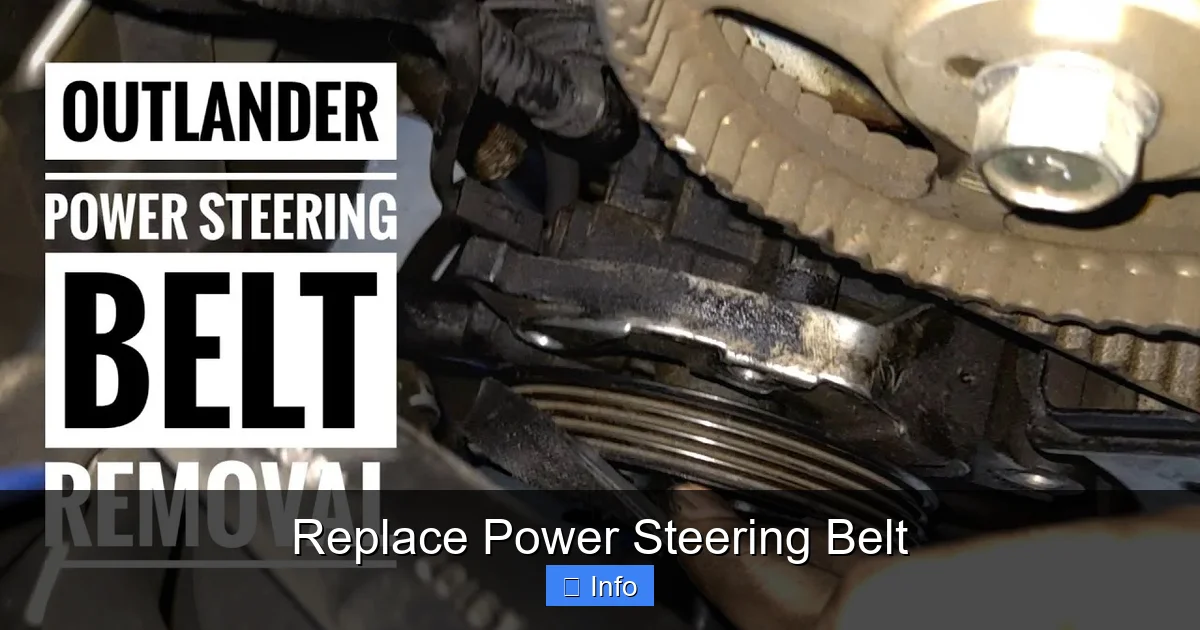
Replacing a power steering belt doesn’t have to be a headache. With the right tools and a clear plan, you can swap the belt in under an hour and save on labor costs. Follow our simple guide to keep your steering smooth and your vehicle running like new.
Key Takeaways
- Know the signs: A squealing noise, hard steering, or a low fluid level often mean it’s time to replace a power steering belt.
- Gather the right tools: A wrench set, a serpentine belt tensioner tool, and a quality replacement belt are essential.
- Follow the proper sequence: Loosen the tensioner, slide the belt off, and install the new belt in the correct path.
- Check for wear: Inspect the belt for cracks, fraying, or glazed edges before installing.
- Maintain for longevity: Keep the belt clean, avoid hitting potholes, and check tension regularly.
📑 Table of Contents
Why Replacing a Power Steering Belt Matters
Every driver knows how important smooth steering is. A power steering belt, also called a serpentine belt in many modern cars, powers the pump that makes steering easier. When that belt starts to slip or break, steering becomes stiff, and the pump can overheat, leading to a costly failure. Replacing the power steering belt early keeps the steering fluid flowing and prevents a chain reaction of problems.
What Is the Power Steering Belt?
The power steering belt is a continuous loop that runs around the engine’s pulleys. It turns the power steering pump, which uses hydraulic fluid to reduce steering effort. Most cars use a single serpentine belt that also drives other accessories like the alternator, air conditioner, and water pump.
Common Causes of Belt Failure
- Wear and tear: Rubber degrades over time, especially with heat and oil exposure.
- Misalignment: A bent or misaligned pulley can cause uneven wear.
- Over‑tightening: Too tight a belt can stress the components.
- Contaminants: Oil leaks or coolant can soften the belt, leading to slips.
Signs It’s Time to Replace the Power Steering Belt
Spotting the right warning signs means you can replace the belt before a bigger issue arises.
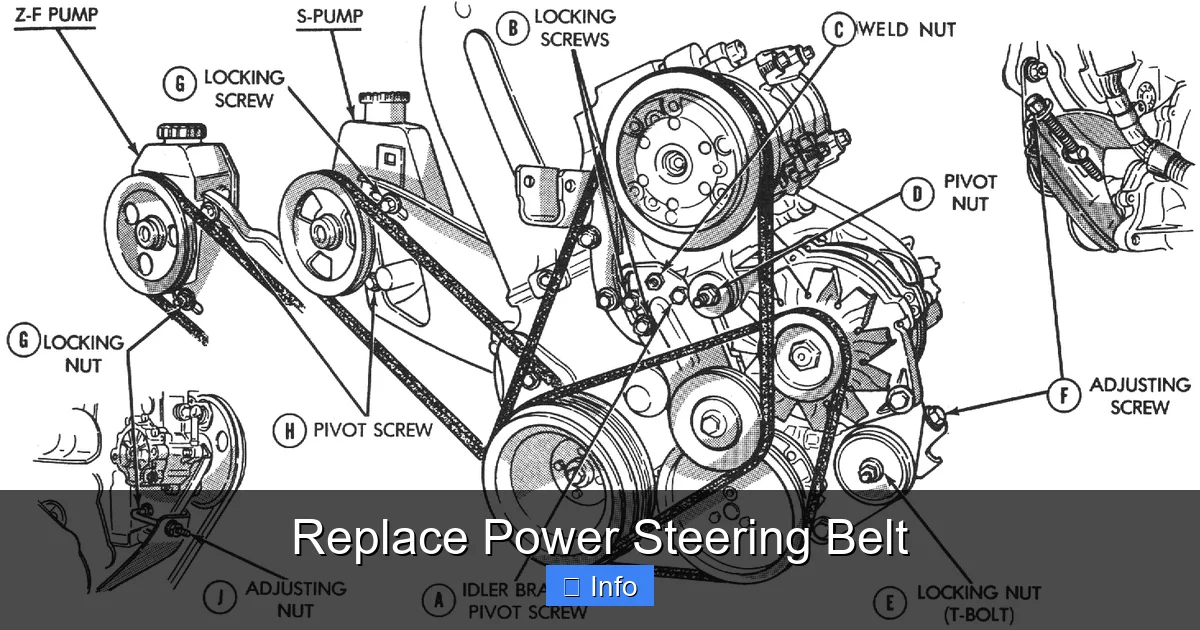
Visual guide about Replace Power Steering Belt
Image source: minimopar.net
Squealing or High‑Pitch Noise
A classic symptom is a squealing sound that gets louder when the engine is running or when you turn the steering wheel. This indicates the belt is slipping or worn.
Hard or Stiff Steering
If the steering wheel feels heavier or you notice resistance when turning, the power steering pump may not be getting enough fluid due to a faulty belt.
Low Power Steering Fluid Level
Check the fluid reservoir. A low level can mean the pump is not operating properly, often a result of a broken or slipping belt.
Visible Belt Damage
Look for cracks, fraying, or a glazed (shiny) surface. Any of these indicate the belt is past its useful life.
Tools and Supplies You’ll Need
Before you start, gather these items. Having everything ready saves time and reduces frustration.
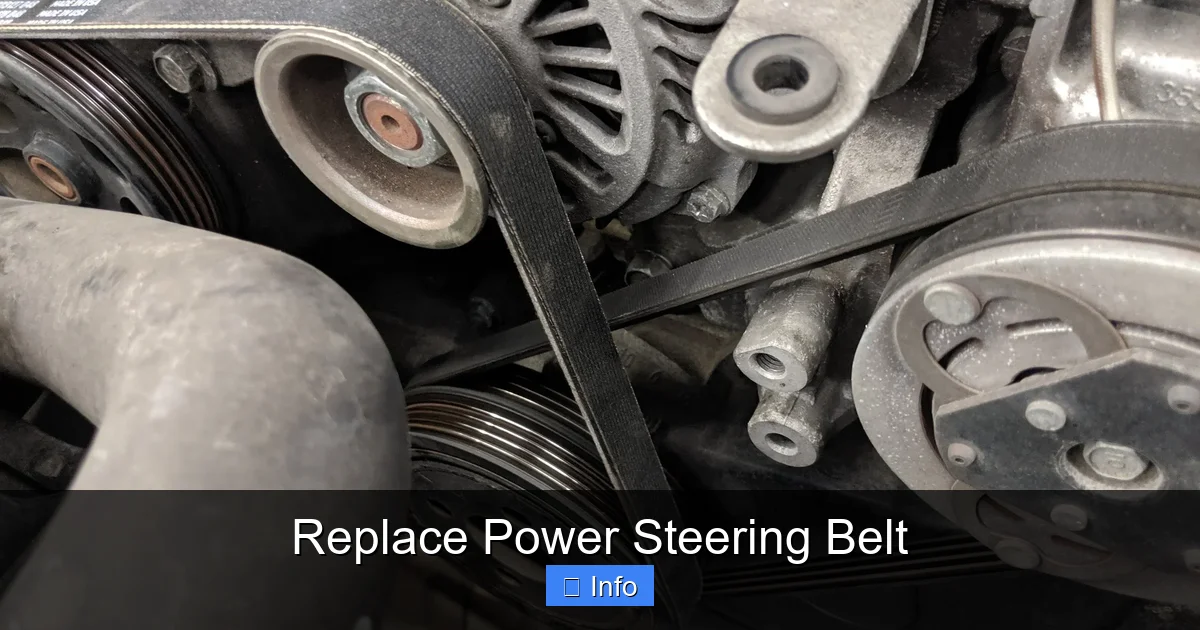
Visual guide about Replace Power Steering Belt
Image source: images.squarespace-cdn.com
Essential Tools
- Socket set or wrench set – to loosen the tensioner pulley.
- Serpentine belt tensioner tool – makes removing the belt easier.
- Torque wrench – ensures the belt is installed with proper tension.
- Replacement belt – match your vehicle’s make, model, and year.
- Owner’s manual or belt diagram – shows the correct routing path.
Optional Power Tools
If you prefer a faster approach, consider a high‑performance air impact wrench. It can quickly turn the tensioner pulley, especially in tight spaces. For a more affordable option, a powerful battery impact gun works well for loosening stubborn bolts.
Choosing the Right Belt
Use a top‑rated serpentine belt brand that matches your car’s specifications. Look for a belt with the proper length, width, and fiber composition. Many suppliers provide a belt size chart to help you pick the right one.
Step‑by‑Step Guide to Replace the Power Steering Belt
Follow these steps carefully. We’ll walk you through each part of the process.
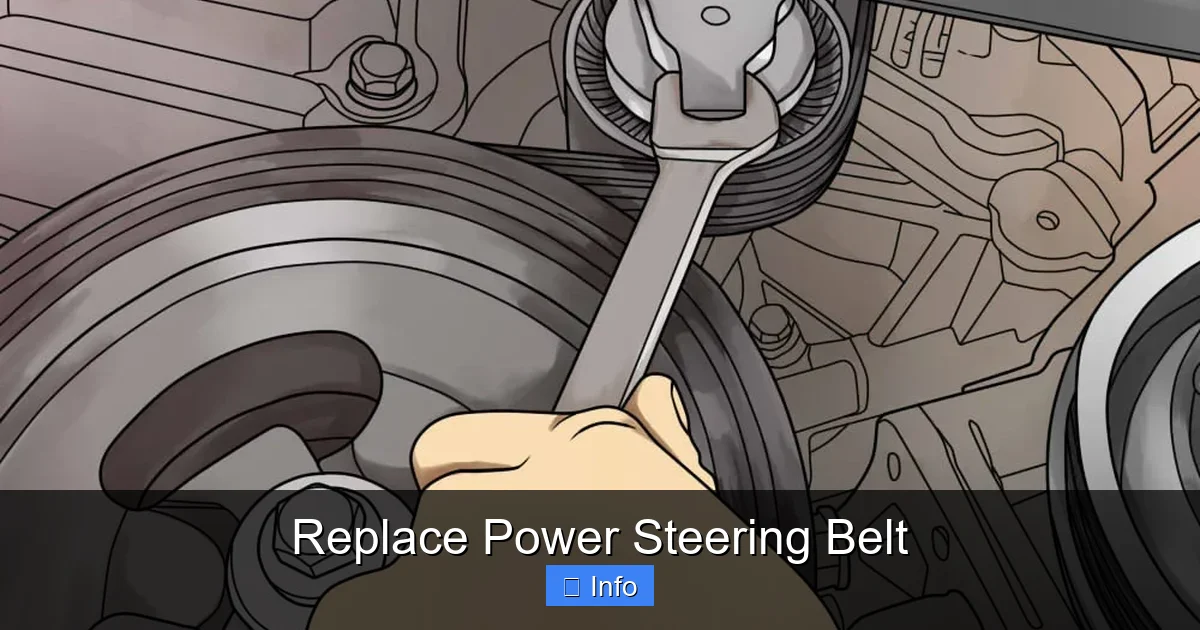
Visual guide about Replace Power Steering Belt
Image source: res.cloudinary.com
1. Safety First
Park on a flat surface, engage the parking brake, and disconnect the battery for a few minutes. This reduces the risk of accidental engine start.
2. Locate the Belt and Tensioner
Open the hood and find the serpentine belt loop. Identify the tensioner pulley, usually a round piece with a small gear.
3. Release Tension
Use the tensioner tool or a wrench to rotate the tensioner counter‑clockwise. This reduces tension and lets you slide the belt off the pulleys.
4. Remove the Old Belt
Carefully slide the belt off each pulley, following the path shown in your manual. Keep the belt looped around the pulleys to avoid losing the sequence.
5. Inspect the Pulleys
Check for wear, cracks, or misalignment. A worn pulley can cause the new belt to fail prematurely.
6. Install the New Belt
Start by placing the belt over the largest pulley (usually the alternator). Follow the diagram to route it around each pulley in the correct direction, ending on the tensioner pulley.
7. Re‑apply Tension
Release the tensioner again and slide the belt onto the tensioner pulley. Then, slowly rotate the tensioner to apply tension. Use a torque wrench if your vehicle requires a specific belt tension.
8. Check Belt Routing and Tightness
Double‑check that the belt sits snugly on all pulleys and that the path matches the diagram. A loose belt can slip or skip teeth.
9. Reconnect the Battery and Test
Reconnect the battery. Start the engine and let it idle. Turn the steering wheel left and right to feel for smoothness. Listen for any squealing. If everything feels right, you’re done!
10. Final Inspection
After a short drive, stop and check the belt again. Ensure it’s still seated correctly and that the tension remains adequate.
Common Mistakes and How to Avoid Them
Skipping the Belt Diagram
Never guess the belt path. Use the diagram in your owner’s manual or a printed guide. A wrong path can damage the belt or pulleys.
Over‑tightening the Belt
Too tight a belt can cause excessive wear on the pulleys and the belt itself. Follow the manufacturer’s tension specifications.
Ignoring Belt Wear Signs
Even if the belt looks fine, check for glazing or micro‑cracks. These subtle signs can predict failure.
Using the Wrong Belt Size
A belt that’s too short or too long will not sit properly and can slip or break. Verify the length with a belt size chart.
Neglecting the Power Steering Fluid Level
After installing a new belt, always check the fluid level. A low level can indicate a leak or pump issue.
Maintenance Tips to Prolong Belt Life
Keep the Engine Clean
Regularly clean the engine bay to reduce oil and coolant contamination on the belt.
Check Belt Tension Quarterly
Use a feeler gauge or a simple visual check to ensure the belt hasn’t slipped.
Replace the Belt Every 60,000 Miles
Even if no visible damage appears, manufacturers often recommend replacing the belt at this mileage mark to prevent surprises.
Use a Reliable Power Source
When working on the belt, consider a reliable battery generator to power any tools, especially if you’re in a remote area.
Inspect the Tensioner and Pulleys Regularly
Wear or damage to these components can cause belt failure. Replace them if you notice wobbling or noise.
Conclusion
Replacing a power steering belt is a straightforward task that saves money and keeps your vehicle safe. By recognizing the warning signs, using the right tools, and following our step‑by‑step guide, you can complete the job efficiently and confidently. Regular maintenance and timely replacement will keep your steering smooth for miles to come.
Frequently Asked Questions
What happens if I ignore a slipping power steering belt?
A slipping belt can cause the power steering pump to overheat, leading to pump failure and costly repairs. It can also make steering difficult, increasing the risk of an accident.
Can I use a universal belt instead of a manufacturer‑specified one?
It’s best to use the belt that matches your vehicle’s exact specifications. A universal belt may not fit properly, causing slipping or premature wear.
Do I need a special tool to release the tensioner pulley?
While a wrench works, a dedicated serpentine belt tensioner tool makes the job easier and reduces the risk of damaging the pulley.
How long does it take to replace a power steering belt?
For most vehicles, the process takes about 30 to 45 minutes if you have all the tools and a clear procedure.
What if the new belt squeaks after installation?
Check that the belt is routed correctly and that the tension is correct. A squeak often indicates a misalignment or insufficient tension.
Should I replace the power steering pump when I replace the belt?
Only replace the pump if it shows signs of failure—such as a low fluid level or a whining noise. Otherwise, a new belt usually resolves steering issues.