Why Is My Toyota Camry Check Engine Light On?
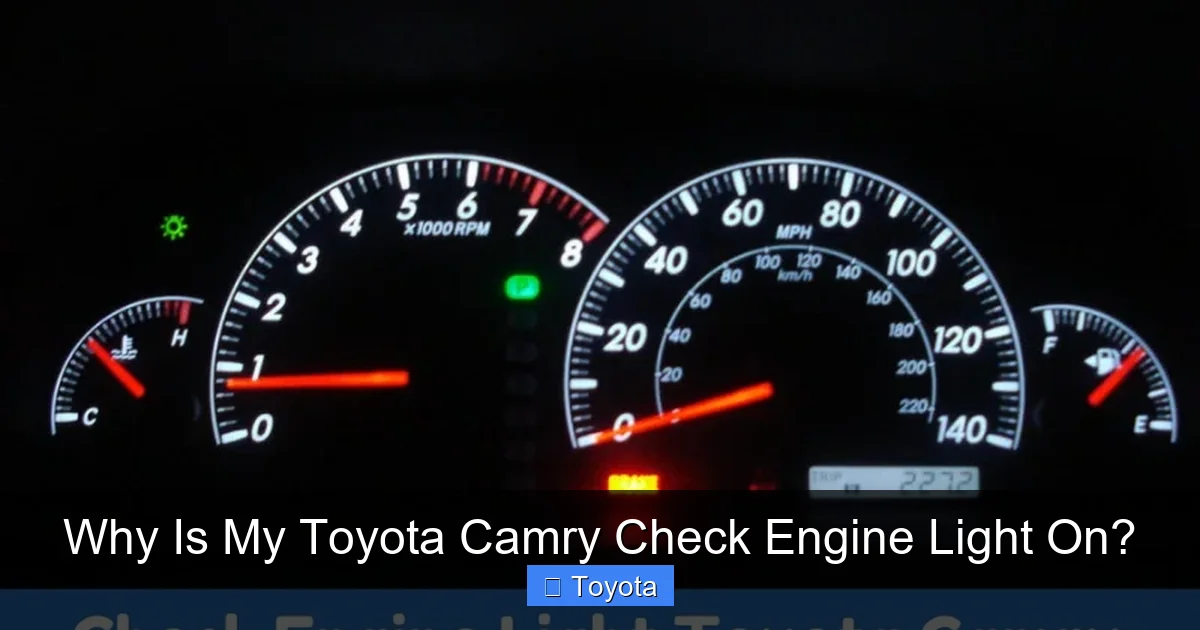
The Toyota Camry check engine light on can signal anything from a loose gas cap to serious engine problems. While some issues are easy DIY fixes, others require immediate attention to prevent costly damage. Understanding the warning signs and taking prompt action ensures your vehicle stays reliable and safe on the road.
Key Takeaways
- Check Engine Light Basics: The Toyota Camry check engine light on activates when the ECU detects performance issues, emissions problems, or component malfunctions.
- Simple Fixes: A loose or damaged gas cap is the most common cause and can be checked in minutes without tools.
- Sensor Issues: Faulty oxygen sensors, mass airflow sensors, or catalytic converters often trigger the warning light.
- Ignition System Problems: Worn spark plugs, ignition coils, or fuel injectors can cause misfires and activate the light.
- Professional Diagnosis: Using an OBD-II scanner helps identify specific error codes for accurate troubleshooting.
- Driving Precautions: If the Toyota Camry check engine light on flashes continuously, stop driving immediately to avoid engine damage.
- Preventive Maintenance: Regular tune-ups and oil changes reduce the likelihood of future check engine light issues.
📑 Table of Contents
Understanding the Toyota Camry Check Engine Light On Warning
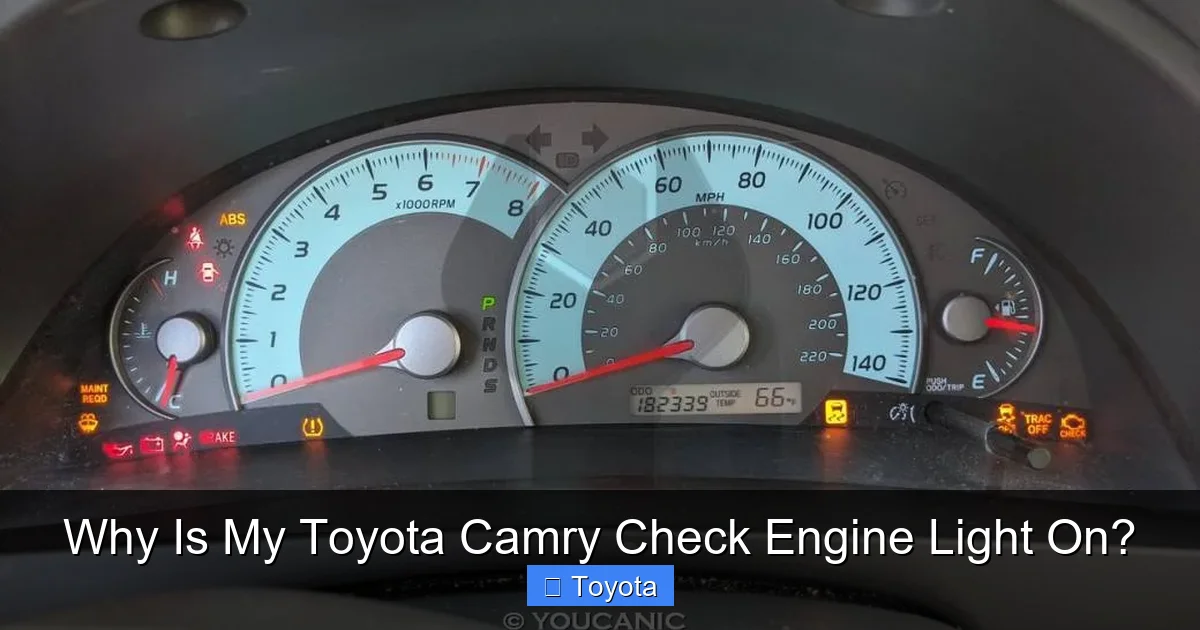
Seeing the Toyota Camry check engine light on can be alarming, especially when you’re unsure what’s causing it. This little orange light on your dashboard is part of your car’s onboard diagnostic system. It’s designed to alert you to potential problems before they become major issues. The light connects directly to the Engine Control Unit (ECU), which monitors various sensors and systems while you drive.
When the Toyota Camry check engine light on appears, it doesn’t necessarily mean your engine is failing. Sometimes it’s something as simple as a loose gas cap. Other times, it might indicate a more serious problem that needs immediate attention. The key is understanding what triggers this warning and knowing how to respond appropriately.
The check engine light serves as your car’s way of communicating with you. Think of it as a conversation starter between you and your vehicle. Ignoring it might lead to decreased fuel efficiency, increased emissions, or even engine damage. That’s why it’s important to take action when you notice the Toyota Camry check engine light on.
Common Causes of the Toyota Camry Check Engine Light On
Visual guide about Why Is My Toyota Camry Check Engine Light On?
Image source: youcanic.com
Loose or Damaged Gas Cap
One of the most frequent reasons for the Toyota Camry check engine light on is a loose or damaged gas cap. This might seem trivial, but your fuel system needs to maintain proper pressure. When the cap isn’t sealed correctly, fuel vapors escape and trigger the emissions sensors.
To check this, stop at a safe location and inspect your gas cap. Make sure it’s tightened properly until you hear three clicks. If the cap is cracked or worn, replace it with a genuine Toyota part. After securing or replacing the cap, the Toyota Camry check engine light on may turn off after a few driving cycles.
Oxygen Sensor Malfunction
The oxygen sensors in your Toyota Camry monitor exhaust gases and help regulate the air-fuel mixture. When these sensors fail, they can cause poor fuel economy and increased emissions. Typically, oxygen sensors last between 30,000 to 100,000 miles, but harsh driving conditions can shorten their lifespan.
Signs of a failing oxygen sensor include reduced acceleration, engine hesitation, or rough idling. If you notice these symptoms along with the Toyota Camry check engine light on, the sensor likely needs replacement. Using high-quality engine oils can help maintain sensor longevity.
Catalytic Converter Issues
Your catalytic converter reduces harmful emissions by converting toxic gases into less harmful substances. When it fails, you’ll notice a rotten egg smell from the exhaust and decreased engine performance. Catalytic converters are expensive to replace, so addressing underlying issues early is crucial.
Common causes of catalytic converter failure include unburned fuel entering the exhaust due to engine misfires. If your Toyota Camry check engine light on appears alongside these symptoms, have the converter inspected by a professional mechanic.
Mass Airflow Sensor Problems
The mass airflow sensor measures the amount of air entering the engine. When it becomes dirty or faulty, it sends incorrect data to the ECU, affecting fuel injection and ignition timing. Symptoms include rough idling, engine stalling, and reduced power.
Cleaning the sensor with specialized cleaner might resolve the issue temporarily. However, if the Toyota Camry check engine light on persists, replacement is necessary. Regular maintenance helps prevent sensor contamination.
Ignition System Failures
Worn spark plugs, ignition coils, or damaged ignition wires can cause engine misfires. These misfires trigger the check engine light and reduce engine performance. Spark plugs should be replaced every 30,000 to 100,000 miles depending on the type.
Ignition coil failure is common in older vehicles and often results in cylinder-specific misfires. If you experience engine shaking or loss of power along with the Toyota Camry check engine light on, inspect the ignition components.
Fuel System Complications
Issues with fuel injectors, fuel pumps, or fuel pressure regulators can activate the check engine light. Clogged injectors prevent proper fuel atomization, leading to incomplete combustion. Fuel pump failure reduces overall engine performance and fuel delivery.
Symptoms include difficulty starting, engine hesitation, and poor acceleration. If you notice these problems with the Toyota Camry check engine light on, have the fuel system tested professionally.
How to Diagnose the Toyota Camry Check Engine Light On
Visual guide about Why Is My Toyota Camry Check Engine Light On?
Image source: static.cargurus.com
Using an OBD-II Scanner
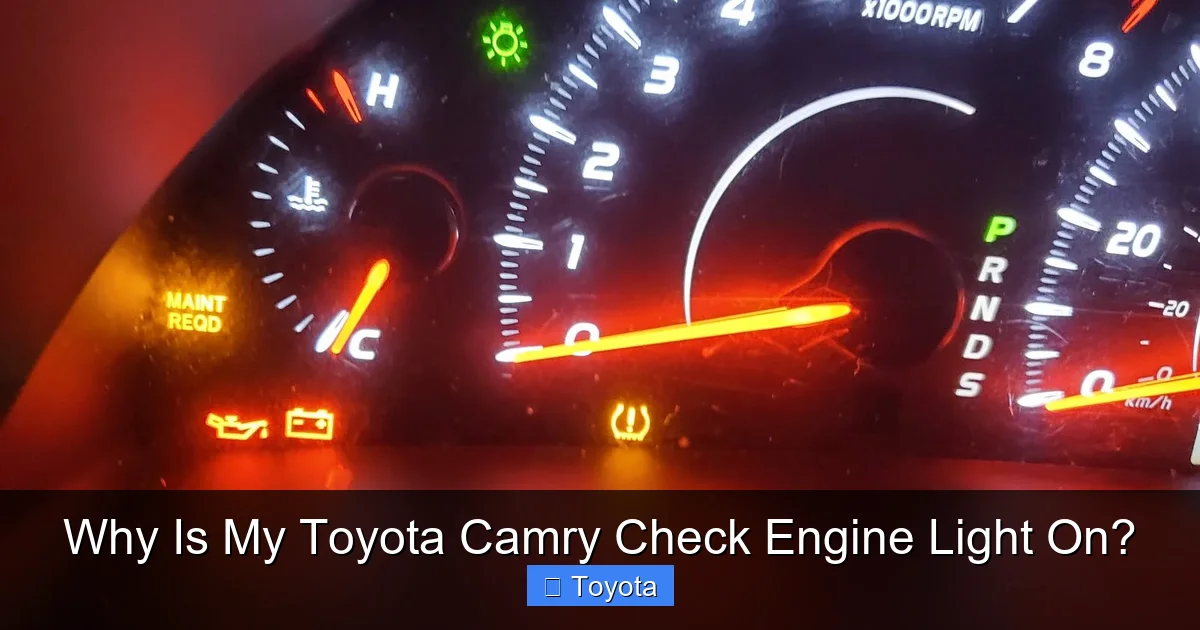
An OBD-II scanner is the most effective tool for diagnosing the Toyota Camry check engine light on. These devices connect to your car’s diagnostic port and retrieve specific error codes. Auto parts stores often offer free scanning services if you don’t own one.
Once you have the error codes, cross-reference them with your vehicle’s manual or online databases. Codes starting with P0100 usually relate to mass airflow sensors, while P0300 indicates random misfires. Understanding these codes helps pinpoint the exact problem.
Visual Inspection Steps
Before investing in expensive diagnostics, perform basic visual checks. Inspect all fluid levels, belts, and hoses under the hood. Look for obvious signs of damage like frayed wires, cracked components, or fluid leaks.
Check your gas cap seal and ensure it’s properly tightened. Examine the air filter for excessive dirt buildup. These simple inspections might resolve the Toyota Camry check engine light on without requiring professional help.
Monitoring Engine Performance
Pay attention to how your engine runs when the Toyota Camry check engine light on appears. Note any changes in acceleration, fuel economy, or unusual sounds. Keep track of when the light comes on – during startup, while driving, or under specific conditions.
Document these observations to share with your mechanic. Detailed information speeds up diagnosis and prevents unnecessary repairs. Your notes might reveal patterns that point to specific systems needing attention.
When to Seek Professional Help
Visual guide about Why Is My Toyota Camry Check Engine Light On?
Image source: i.redd.it
Flashing Check Engine Light
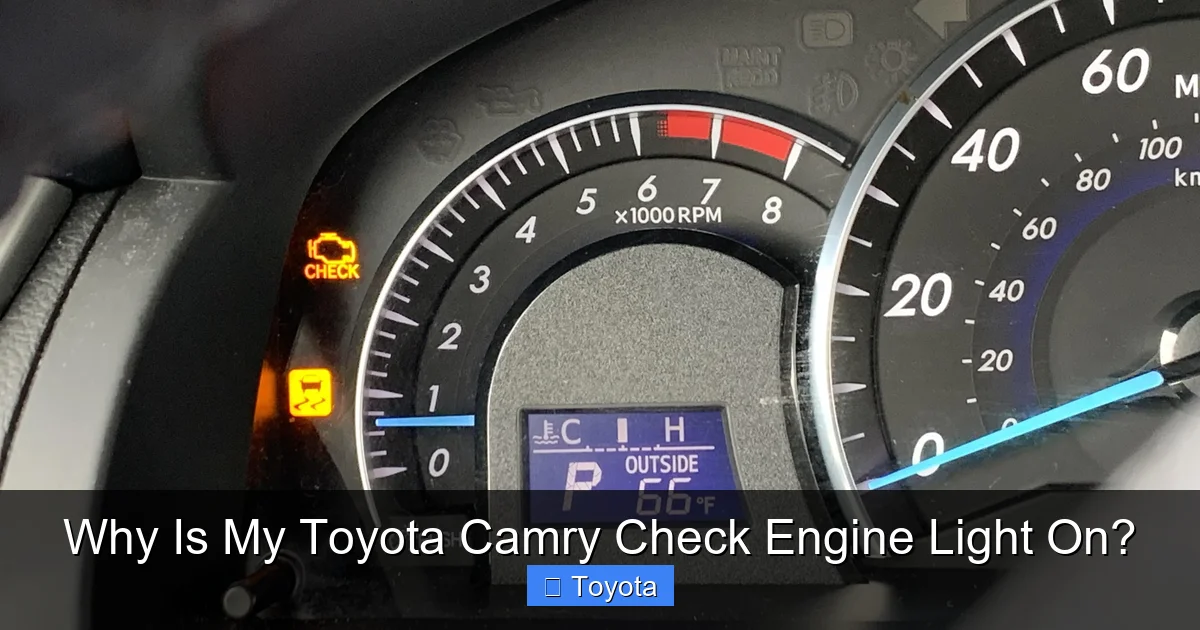
If the Toyota Camry check engine light on flashes continuously, this indicates a severe problem requiring immediate attention. Flashing lights typically signal engine misfires that could damage the catalytic converter. Stop driving safely and turn off the engine immediately.
Continuing to drive with a flashing light risks costly repairs. Have your vehicle towed to a certified mechanic for emergency service. The catalytic converter can cost thousands to replace if damaged by misfires.
Safety Concerns
When the Toyota Camry check engine light on appears with other warning lights like oil pressure or temperature gauges, prioritize safety. These combined warnings suggest multiple system failures that could lead to breakdowns.
If you notice smoke from the exhaust, strong fuel odors, or unusual noises, pull over immediately. These symptoms combined with the Toyota Camry check engine light on require professional assessment before continuing to drive.
Complex Diagnostic Needs
Some check engine light issues involve multiple interconnected systems. Electronic throttle control, transmission problems, or emission control failures need specialized equipment and expertise. Attempting DIY fixes on these systems can cause additional damage.
Modern Toyota Camry models have advanced computer systems that require trained technicians for proper diagnosis. Trusting professionals prevents wasted time and money on incorrect repairs.
Preventive Measures to Avoid Future Issues
Regular Maintenance Schedule
Following Toyota’s recommended maintenance schedule significantly reduces check engine light occurrences. Regular oil changes, air filter replacements, and spark plug inspections keep your engine running efficiently.
Use high-quality engine oils to maintain optimal performance. Check your owner’s manual for specific intervals and stick to them religiously. Preventive care is always cheaper than reactive repairs.
Quality Parts and Fluids
Using genuine Toyota parts or high-quality aftermarket alternatives ensures compatibility and reliability. Cheap replacement parts often fail prematurely and trigger false warnings.
Choose the best engine oils for your specific model year. Quality fluids protect critical components and help maintain proper system operation. Your investment in premium products pays dividends in reliability.
Driving Habits Matter
Aggressive driving, frequent short trips, and neglecting warm-up periods stress your engine unnecessarily. Smooth acceleration and proper warm-up routines help prevent premature wear on engine components.
Avoid excessive idling and maintain steady speeds when possible. These habits contribute to overall engine health and reduce the chances of the Toyota Camry check engine light on appearing unexpectedly.
Cost Considerations and Repair Options
Basic Repairs vs. Major Overhauls
Simple fixes like replacing a gas cap or air filter cost under $50. More complex repairs involving sensors or catalytic converters can range from $200 to over $1,000. Understanding repair costs helps prioritize which issues to address first.
Compare prices between dealerships and independent shops. Sometimes independent mechanics offer comparable service at lower rates. However, warranty considerations might make dealership work more appealing.
Insurance and Warranty Coverage
Check your vehicle’s warranty status before authorizing major repairs. Many emissions-related components have extended coverage periods mandated by federal law. Your insurance policy might also cover certain mechanical failures.
If your Toyota Camry check engine light on leads to accident-related repairs, insurance claims might apply. Document everything and contact your insurer for clarification on coverage limits.
Long-term Reliability Impact
Ignoring the Toyota Camry check engine light on can lead to cascading failures. What starts as a minor sensor issue might eventually damage the entire engine. Prompt attention prevents expensive secondary problems.
Consider your vehicle’s age and mileage when deciding on repairs. Sometimes investing in a newer model makes more financial sense than continuous repairs on an aging vehicle.
Conclusion
The Toyota Camry check engine light on serves as an important communication tool between you and your vehicle. While some triggers are minor inconveniences, others signal serious problems requiring immediate attention. Understanding common causes, performing basic diagnostics, and knowing when to seek professional help keeps your Camry running smoothly.
Remember that preventive maintenance remains your best defense against unexpected warning lights. Regular oil changes, quality parts, and good driving habits contribute to long-term reliability. When the Toyota Camry check engine light on appears, don’t panic – assess the situation calmly and take appropriate action.
Your safety and your vehicle’s performance depend on responding correctly to dashboard warnings. Whether it’s a simple gas cap issue or a complex sensor failure, addressing problems promptly saves time, money, and stress down the road.
Frequently Asked Questions
What should I do immediately when my Toyota Camry check engine light on appears?
Start by checking if the gas cap is tight and secure. If it’s loose, tighten it properly and drive for a few cycles to see if the light turns off. For any other symptoms, use an OBD-II scanner or visit a mechanic for diagnosis.
Can I drive my Toyota Camry with the check engine light on?
If the light stays steady, you can usually drive cautiously to a nearby mechanic. However, if it flashes continuously, stop driving immediately to prevent engine damage. Never ignore flashing warning lights.
How much does it cost to diagnose a Toyota Camry check engine light on?
Basic OBD-II scanning typically costs $50-$100 at most auto parts stores. More comprehensive diagnostics at dealerships or repair shops range from $100-$200 depending on complexity and location.
Will the Toyota Camry check engine light on reset itself after repairs?
Yes, the system usually resets automatically after driving several cycles. You can also manually clear codes with an OBD-II scanner, but ensure the underlying problem is fixed first to prevent recurrence.
What are the most common error codes for Toyota Camry check engine light on?
Common codes include P0171/P0174 (fuel system issues), P0300-P0306 (misfires), P0420 (catalytic converter), and P0440-P0455 (evaporative emission system). Each code points to specific system problems requiring targeted solutions.
How often should I expect the Toyota Camry check engine light on to appear?
Under normal circumstances, the light shouldn’t appear frequently. If it comes on regularly, there’s likely an underlying issue that needs addressing. Consistent warnings suggest maintenance neglect or component wear requiring attention.