How to Turn on Passenger Airbag in a Toyota Corolla
Turning on the passenger airbag in a Toyota Corolla is a simple process that boosts front‑seat safety. This guide shows you where the switch is located, how to activate it correctly, and how to test the system so you know it works when you need it most. Follow the easy steps for a safer driving experience.
Key Takeaways
- Locate the Switch: Find the passenger airbag switch usually near the dashboard or console in newer Corolla models.
- Understand Settings: The switch often has OFF, ON, and AUTO positions—choose the right one for your needs.
- Step‑by‑Step Activation: Turn the key to ACC or ON, move the switch to ON, and verify with the dashboard indicator.
- Test the System: Use the vehicle’s diagnostic tool or a simple key‑turn test to confirm the airbag is active.
- Safety First: Never disable the passenger airbag unless a child seat is securely installed—follow manufacturer guidelines.
- Maintenance Matters: Periodically check the switch and related wiring; replace worn parts promptly.
- Professional Help: If the switch fails or you’re unsure, consult a Toyota dealership or certified mechanic.
📑 Table of Contents
Understanding the Passenger Airbag System in a Toyota Corolla
When you own a Toyota Corolla, knowing how the passenger airbag works is the first step toward safe driving. The passenger airbag is designed to protect the front‑seat passenger during a crash. It works together with seat belts and other safety systems. In most modern Corollas, the airbag can be turned on or off using a switch. This switch lets you adjust the airbag based on what you need.
If you are new to a Toyota vehicle, you might wonder why you need to turn the airbag on. The answer is simple: the airbag provides critical protection for adult passengers. It also helps reduce injuries in certain types of collisions. Understanding the basics helps you make the right choice for you and your passengers.
For more information on getting familiar with a new Toyota, you can read our detailed guide on how to break in a new car Toyota. That article covers early maintenance and how to get the most out of your vehicle’s safety features.
Key Components of the Airbag System
The passenger airbag system includes several parts. First, there is the airbag module, which holds the inflatable bag. It is located in the dashboard. Next, there is a sensor package that detects crash forces. The system also includes wiring and a control unit. All these parts work together to decide when to deploy the airbag.
Modern Corollas also have a switch that lets you turn the airbag on or off. This switch is often a small lever or button near the base of the windshield. It may have three positions: OFF, ON, and AUTO. The AUTO setting lets the system decide based on seat occupancy. The ON setting forces the airbag to be active. The OFF setting disables it, which is used when a child seat is installed.
Why Turn the Airbag On?
Turning the passenger airbag on is important for adult passengers. It provides an extra layer of protection in frontal collisions. It also helps reduce head and chest injuries. If you regularly carry adult passengers, you should keep the airbag in the ON or AUTO position. This ensures they are protected whenever the car is in use.
Remember, the airbag is a crucial safety feature. It works together with the seat belt system. Never ignore the airbag’s status. Always verify that it is active before you drive.
Locating the Passenger Airbag Switch in Your Corolla
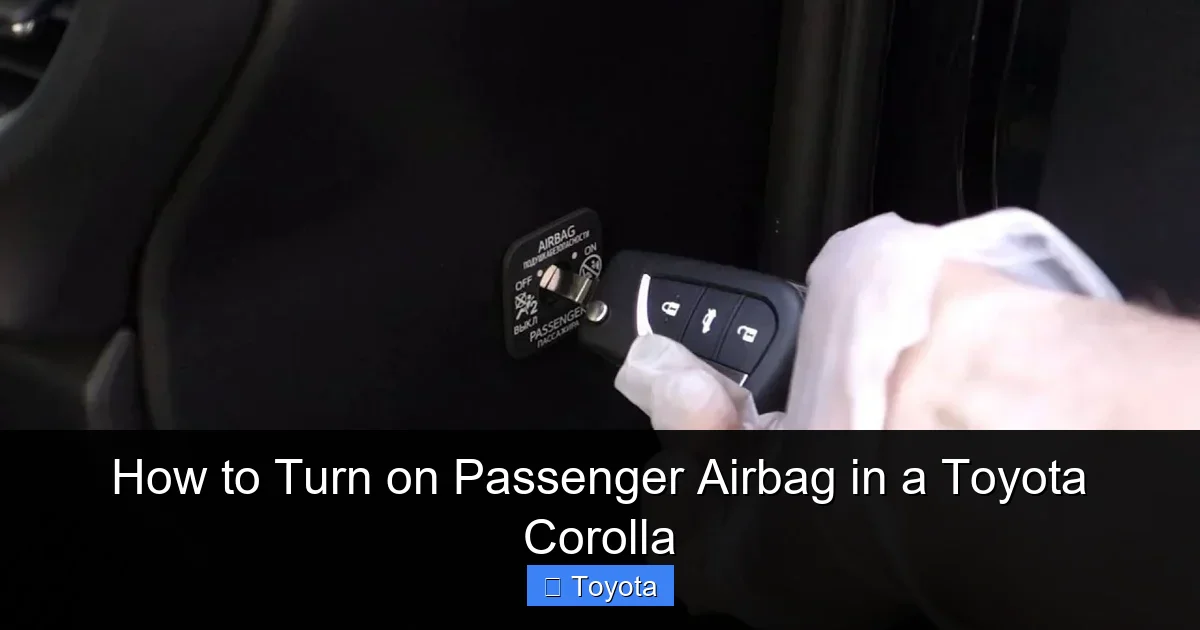
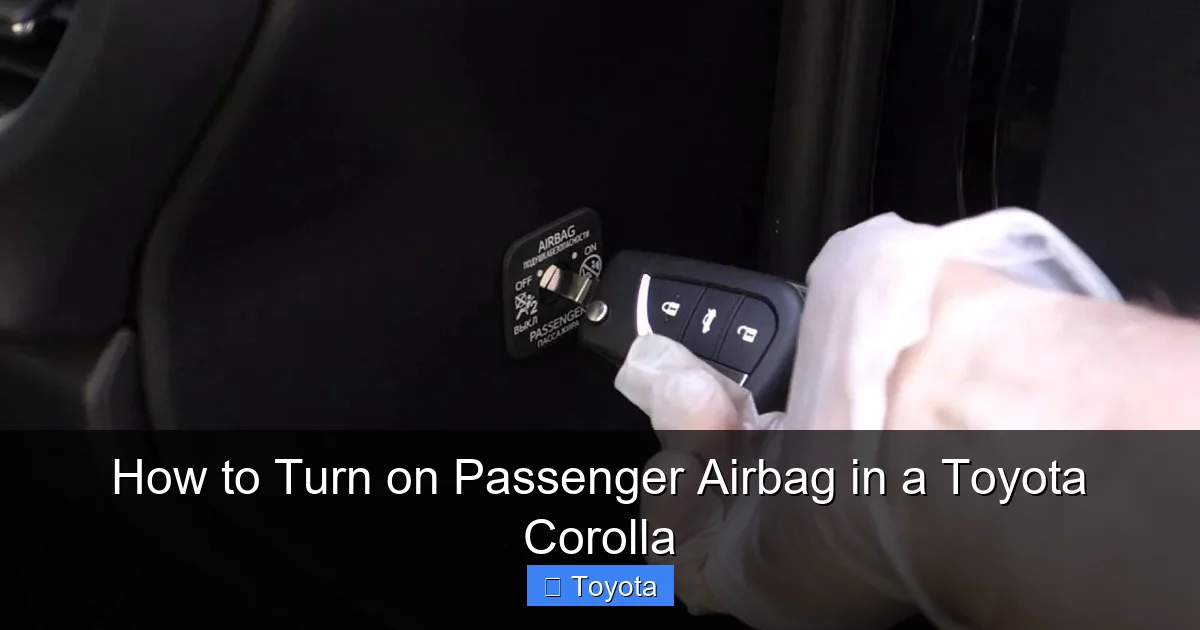
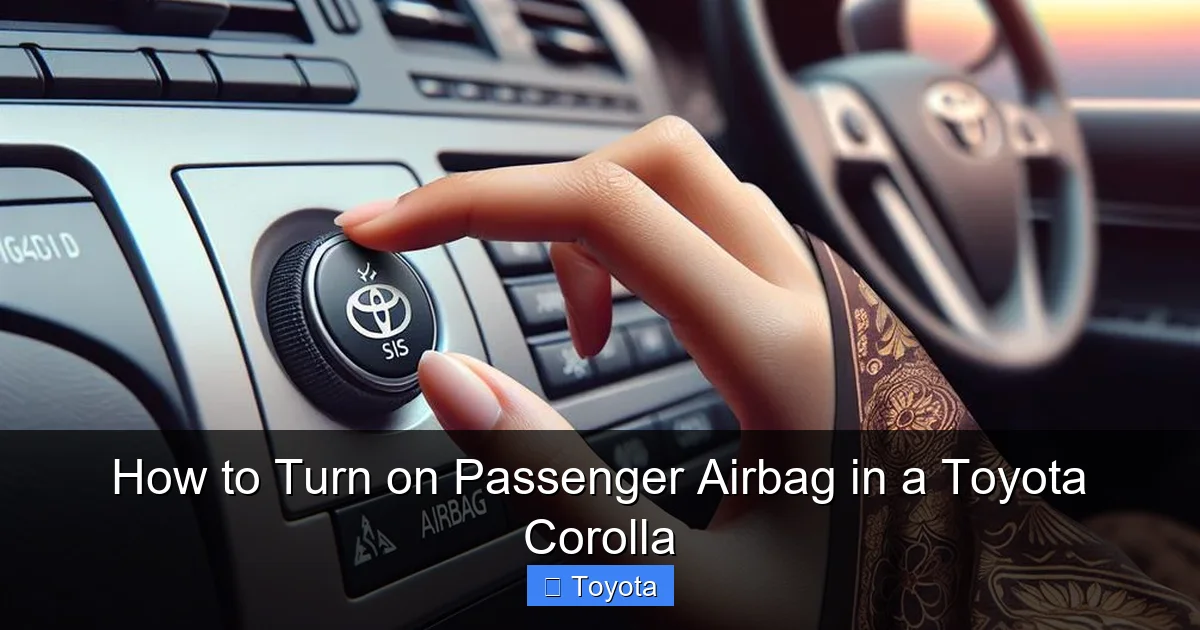
Finding the switch is the first practical step in learning how to turn on passenger airbag in a Toyota Corolla. In most Corolla models built after 2005, the switch is placed on the dashboard near the steering column. It may be a small rotary knob or a toggle switch. Some models have the switch on the center console, especially in newer versions.
Visual guide about How to Turn on Passenger Airbag in a Toyota Corolla
Image source: i.ytimg.com
To locate the switch, sit in the driver’s seat and look toward the dashboard. Scan the area just above the steering wheel. You will see a small panel with symbols. One of those symbols is an airbag icon with a person silhouette. The switch is usually adjacent to that icon.
If you cannot find the switch on the dashboard, check the driver’s side door jamb for a trim panel. Some Corollas have a hidden switch behind a cover. Gently remove any trim pieces that look removable. You may also consult the owner’s manual for the exact location. The manual includes a diagram of the switch and its positions.
Reading the Owner’s Manual
The owner’s manual is the best source for your specific Corolla model. It explains where the switch is located and how to operate it. The manual also describes the meaning of each position. It warns about when to turn the airbag off, such as when installing a rear‑facing child seat.
You can find the manual in PDF format on Toyota’s website. It also includes troubleshooting steps if the switch does not respond. Keep a copy in your vehicle for quick reference.
Checking for Electronic Indicators
Once you locate the switch, look for an indicator light on the dashboard. This light is often an airbag symbol that illuminates when the system is armed. The light may be amber or red. If the light stays off after you turn the switch to ON, there may be a fault. In that case, you should have the system inspected by a professional.
The indicator light can also flash when the system performs a self‑check after you turn the ignition on. This is normal. If the light stays on for a long time, it signals a problem.
Step‑by‑Step Activation Guide
Now that you know where the switch is, you can follow a simple process to turn the passenger airbag on. This guide works for most Corolla models, but always verify with your specific model’s manual.
Visual guide about How to Turn on Passenger Airbag in a Toyota Corolla
Image source: diycarexpert.com
Preparation
First, ensure the vehicle is parked and the engine is off. The driver’s seat should be adjusted so you can reach the switch comfortably. Make sure no obstacles block the dashboard area. Also, check that the key is in the OFF position. If you have a push‑button start, make sure the vehicle is in “OFF” mode.
Activate the Switch
Turn the ignition key to the ACC or ON position. Some newer models require you to press the brake pedal first. Once the dash lights come on, you will see the airbag indicator. Then, locate the passenger airbag switch. Rotate or slide it to the ON position. You should hear a faint click or feel a movement. The switch may also have a detent that indicates it is in the correct position.
Confirm the Status
After moving the switch, watch the dashboard indicator. The airbag symbol should stay solid (often amber). Some models also display a “PASS AIRBAG ON” message on the instrument cluster. If the indicator is blinking, the system may be performing a self‑test. Wait a few seconds for the test to complete.
Test the Airbag System
Once the indicator shows the airbag is on, you can perform a basic test. Turn the ignition off, then back on. The system will run a short diagnostic. If the indicator remains steady, the passenger airbag is active. You can also use a diagnostic scanner if you have one. Connect the scanner to the OBD‑II port (usually under the driver’s seat). Follow the scanner’s menu to view airbag status.
Re‑Verification
After you have turned the passenger airbag on, it is wise to re‑verify after a few drives. The indicator should not flicker or stay on constantly. If it does, there may be a wiring issue or a faulty switch. In that case, you should have the system inspected.
Turning the Airbag Off (When Needed)
You may need to turn the passenger airbag off when installing a rear‑facing child seat. To do this, turn the ignition to ON, locate the switch, and move it to the OFF position. A small light may turn off or change color. Confirm that the airbag indicator is no longer illuminated. After you remove the child seat, turn the airbag back on using the same steps.
Always follow Toyota’s guidelines for child seat installation. The manufacturer’s recommendations are based on extensive safety testing.
Testing and Confirming Airbag Deployment
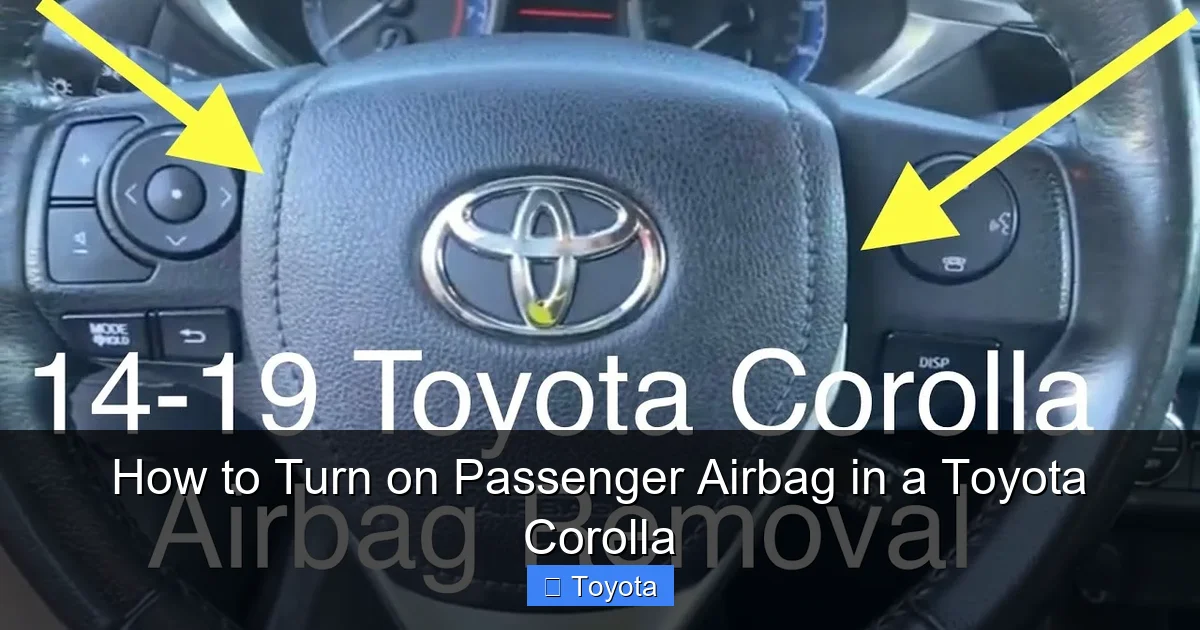
Turning the passenger airbag on is only half the battle. You must confirm that the system works when needed. Testing the airbag does not mean you will trigger a real deployment. Instead, you can use diagnostic tools and visual checks.
Visual guide about How to Turn on Passenger Airbag in a Toyota Corolla
Image source: i.ytimg.com
Use an OBD‑II Scanner
Many mechanics and DIY enthusiasts use an OBD‑II scanner to read airbag codes. Plug the scanner into the port under the driver’s seat. Turn the ignition on, but do not start the engine. Follow the scanner’s menu to “Read Codes.” The scanner will list any fault codes related to the passenger airbag. A code of “00” or “NO CODE” indicates the system is functioning normally.
If you see a code such as “Airbag System Fault,” note the number. That code can guide a technician to the exact problem. You can also clear the codes after you have them documented. However, clearing codes without fixing the issue can hide a real problem.
Visual Inspection of the Switch
You can also inspect the switch physically. The switch is usually sealed, but you can check for corrosion on the contacts. Use a soft brush and contact cleaner if you feel comfortable doing electrical work. However, if you are not experienced with automotive electronics, it is safer to let a professional handle it.
Check the wiring harness that connects to the switch. Look for frayed insulation or broken wires. If you find any damage, replace the wiring before attempting to use the airbag again.
Professional Diagnostic Services
If you lack a scanner or feel uncomfortable with electrical work, take your Corolla to a Toyota dealership. The dealership has specialized equipment and trained technicians. They can perform a full system check, including the passenger airbag sensor and deployment circuits.
Professional diagnostics also help you avoid misinterpreting indicator lights. Some lights may indicate a fault that is not related to the airbag switch, such as a battery issue.
Periodic Check‑Ups
Airbag systems are designed to be long‑lasting, but they still need periodic checks. Many owners schedule an annual safety inspection. During that inspection, a technician can test the airbag system and verify that the switch is still functional.
If you notice any unusual sounds when you move the switch, it may be a sign of wear. Have the switch replaced before it fails completely.
Safety Tips and Common Mistakes
When you learn how to turn on passenger airbag in a Toyota Corolla, it is also important to know what not to do. Common mistakes can reduce safety or even damage the vehicle.
Avoid Disabling the Airbag Unnecessarily
Some drivers turn the passenger airbag off to save fuel or reduce clutter. This is a dangerous practice. The airbag is a critical safety component. Disabling it leaves adult passengers vulnerable in a crash. Only turn the airbag off when you must install a rear‑facing child seat, and turn it back on immediately after removal.
Do Not Force the Switch
The switch may have a spring‑loaded mechanism. Do not try to force it into a position. Forcing the switch can break internal contacts or damage the housing. Use gentle pressure until you hear a click or feel the detent.
Check the Child Seat Installation First
If you are turning the airbag off for a child seat, verify that the seat is installed correctly. Follow the manufacturer’s instructions for the child seat. Use the LATCH system or seat belt as recommended. A securely installed child seat is safer than an airbag for infants and toddlers.
Keep the Dashboard Clean
Dust and debris can interfere with the switch’s operation. Use a soft, dry cloth to clean around the switch. Avoid using harsh chemicals that could damage the plastic. Keep the area free of liquids.
Use the Correct Tools
When you need to replace the switch, use the appropriate tools. Toyota provides a special screwdriver for the switch housing. Using the wrong tool can strip screws or crack the dashboard. If you are not comfortable, have a certified technician perform the replacement.
Understand the AUTO Position
Many newer Corollas have an AUTO position that disables the airbag when a seat is empty. This is a convenient feature. However, if the seat occupancy sensor fails, the airbag may stay off unintentionally. Keep an eye on the indicator light. If the light is off while an adult is seated, you may need to switch to ON manually.
Regular Maintenance
Airbag switches can accumulate dirt over time. A quick maintenance check includes removing the switch cover (if accessible) and blowing out dust with compressed air. This simple step can prevent intermittent operation problems.
For more on maintaining your Toyota’s safety systems, see our guide on how to install a rearview camera in your car. That article covers additional safety upgrades and maintenance tips.
Maintenance and When to Seek Professional Help
Even though the passenger airbag switch is designed to be durable, it does require occasional attention. Regular maintenance helps ensure the airbag works when you need it.
Inspect the Switch Periodically
Every 12 months, or every 12,000 miles, inspect the passenger airbag switch. Turn the ignition on, locate the switch, and gently move it through all positions. Listen for any abnormal sounds. The switch should move smoothly without rattling.
If the switch feels loose or sticky, it may need replacement. Loose contacts can cause intermittent operation. Sticky switches may need cleaning or lubrication.
Check Wiring and Connectors
Over time, wiring can become corroded due to moisture or road salt. Look for any signs of rust on the connectors. Use a contact cleaner and a small brush to clean corrosion. If the corrosion is extensive, replace the wiring harness.
Also, check for any damaged wiring harnesses that run from the switch to the airbag control unit. Frayed insulation can cause short circuits. Replace any damaged wiring immediately.
Use Diagnostic Tools for Fault Codes
If the dashboard indicator light stays on or flashes after you turn the airbag on, use an OBD‑II scanner to read fault codes. Write down any codes you see. Codes such as “Airbag System Fault” or “Passenger Airbag Circuit” indicate a problem that needs repair.
Many scanners can also perform a live data stream. This allows you to see real‑time values from the airbag sensor. If the data shows “No Signal” or “Voltage Out of Range,” the system may be faulty.
When to Call a Professional
Some issues require professional attention. If the switch does not respond to movement, the wiring is damaged, or the diagnostic scanner returns error codes, you should have a certified technician inspect the system. Toyota dealerships have the proper equipment and trained technicians.
Attempting to repair the airbag system without proper training can be dangerous. The airbag contains explosive components. Mishandling can cause injury or death.
Consider Replacement Parts
If the switch is faulty, replace it with a genuine Toyota part. Using an aftermarket switch may not meet safety standards. The part number can be found in the owner’s manual or from a Toyota parts catalog.
When you replace the switch, ensure the vehicle’s airbag system is fully re‑tested. A professional diagnostic after replacement confirms the fix.
Keep Records
Maintain a maintenance log for your Corolla. Record dates when you inspect the airbag switch, any repairs, and the results of diagnostic scans. This log can be valuable if you sell the vehicle or need to prove regular maintenance.
For up‑to‑date pricing on new Toyota Corolla models, you may want to review our article on how much is a new Toyota Corolla. Knowing current market prices can help you plan for future upgrades or replacements.
Conclusion
Turning on the passenger airbag in a Toyota Corolla is a simple yet vital task. By understanding the system, locating the switch, and following the step‑by‑step activation guide, you ensure that adult passengers are protected on the road. Testing the system with an OBD‑II scanner or a professional diagnostic confirms that the airbag is ready to function when needed.
Avoid common mistakes such as disabling the airbag unnecessarily, forcing the switch, or ignoring warning lights. Regular maintenance, including periodic inspections of the switch and wiring, helps keep the airbag system in top condition. When you notice any problems, seek professional help promptly.
By following this comprehensive guide, you can confidently manage the passenger airbag in your Corolla, enhancing safety for everyone in the vehicle. Remember, a well‑maintained airbag system is one of the most effective ways to protect yourself and your passengers. Stay safe on the road!
Frequently Asked Questions
How do I locate the passenger airbag switch in a Toyota Corolla?
The passenger airbag switch is usually found on the dashboard near the steering column or on the center console, depending on the model year. Look for a small panel with an airbag symbol and a lever or knob that can be moved to OFF, ON, or AUTO. Consult your owner’s manual for the exact location and diagrams.
What are the three positions of the passenger airbag switch?
The three common positions are OFF (disables the airbag, used for child seats), ON (forces the airbag to be active), and AUTO (lets the system decide based on seat occupancy). Choose the appropriate position based on who is riding in the front seat.
How can I test if the passenger airbag is active?
Turn the ignition to ON, move the switch to ON, and watch the dashboard airbag indicator. It should stay solid. You can also use an OBD‑II scanner to read fault codes. If the scanner shows no error codes, the passenger airbag system is likely functioning correctly.
Is it safe to turn the passenger airbag off for an adult passenger?
No. Turning the passenger airbag off for an adult removes a critical layer of protection in a crash. Only disable the airbag when installing a rear‑facing child seat, and turn it back on immediately after the seat is removed.
What should I do if the passenger airbag indicator stays on or flashes?
A persistent or flashing indicator suggests a fault in the airbag system. Use an OBD‑II scanner to read any error codes, and then have a certified technician inspect the wiring, switch, and related components. Do not ignore the warning; it could indicate a serious issue.
When is professional help needed for the passenger airbag?
Seek professional help if the switch does not respond, you see error codes, the wiring appears damaged, or you are unsure about any repair. Certified technicians have the proper tools and training to safely handle airbag components.