How to Get Blood Out of Seatbelt
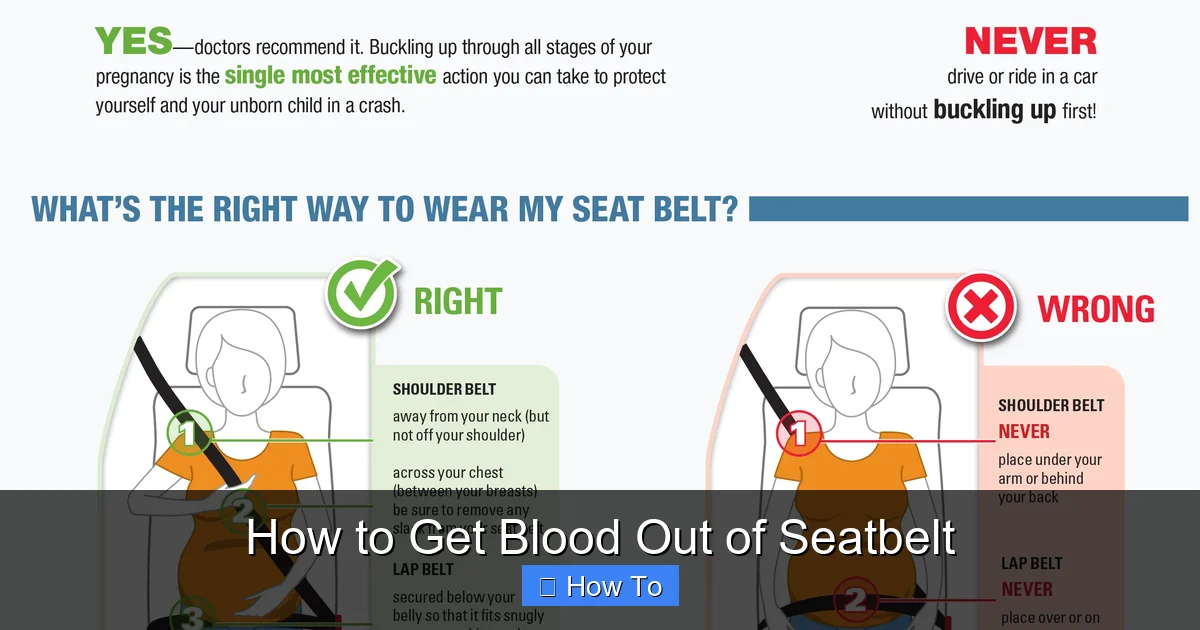
When dealing with bloodstains on your seatbelt, act fast and use cold water, hydrogen peroxide, or baking soda to avoid damaging the material. Regular cleaning and proper maintenance can prevent future stains, while older or stubborn stains may require professional help. Always test products on a small area first and avoid heat sources like dryers to prevent setting the stain.
Key Takeaways
- Understanding How To Get Blood Out Of Seatbelt: Provides essential knowledge
📑 Table of Contents
Introduction to Blood Stain Removal on Seatbelts
Accidents happen, and sometimes they leave more than just emotional scars—they leave physical ones too. If you’ve found yourself staring at a bloodstained seatbelt after an incident, don’t panic! Whether it’s from a minor cut, a more serious injury, or an accident, removing blood from your car’s safety equipment is essential to maintain both cleanliness and functionality. Seatbelts are designed for safety, not aesthetics, but they still deserve proper care to ensure they work when you need them most.
This guide will walk you through everything you need to know about safely and effectively cleaning bloodstains from seatbelts. From immediate actions to long-term prevention, we’ve got you covered. Let’s dive in!
Understanding Blood Stains and Their Impact on Seatbelts
Why Blood Stains Are Tricky
Blood is composed of proteins and iron, which makes it particularly stubborn once it dries. When exposed to heat or pressure, these elements can bond with the seatbelt material, making stains harder to remove. Additionally, seatbelts are often made from synthetic materials like nylon or polyester, which can be sensitive to harsh chemicals or abrasive cleaning methods.
Importance of Acting Quickly
The sooner you address the stain, the easier it will be to remove. Fresh blood is more water-soluble and less likely to set into the fabric. If left untreated, dried blood can become a breeding ground for bacteria and odors, which is why prompt action is critical.
Immediate Steps for Stain Removal
Step 1: Blot, Don’t Rub
Start by gently blotting the stain with a clean cloth or paper towel to absorb as much liquid as possible. Rubbing can push the blood deeper into the fibers, making it harder to remove later.

Visual guide about How to Get Blood Out of Seatbelt
Image source: safetywish.com
Step 2: Rinse with Cold Water
Immediately rinse the affected area with cold water. Use a showerhead or a jug to pour water directly over the stain, running it from the back of the seatbelt to push the blood out rather than deeper into the material. Avoid using hot water at this stage, as it can set the stain.
Step 3: Apply a Stain Remover
If the stain persists after rinsing, apply a commercial stain remover or a DIY solution like dish soap mixed with water. Gently work it into the stain using a soft toothbrush or cloth, then rinse again with cold water.
Using Household Products for Stain Removal
Hydrogen Peroxide: A Powerful Solution
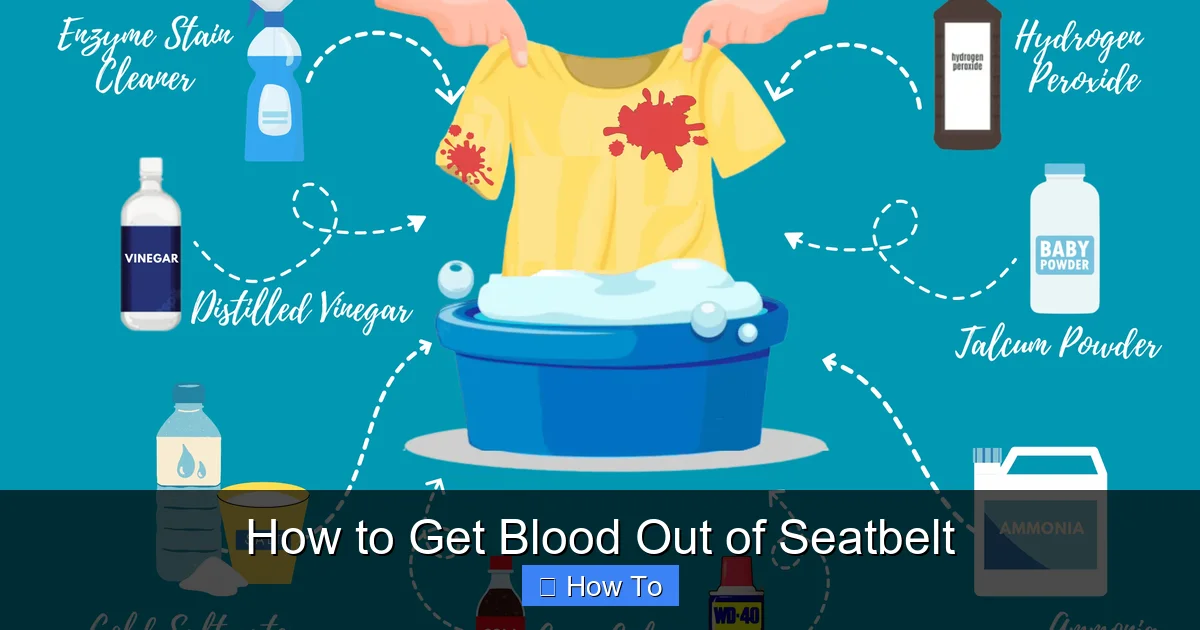
Hydrogen peroxide (3% solution) is highly effective at breaking down blood proteins. Here’s how to use it:
Visual guide about How to Get Blood Out of Seatbelt
Image source: tidyhere.com
- Spray or dab: Apply a small amount directly onto the stain. You may see it bubble as it reacts with the blood.
- Wait: Let it sit for 5–10 minutes to allow the fizzing action to break down the stain.
- Rinse: Rinse thoroughly with cold water and repeat if necessary.
Tip: Always test hydrogen peroxide on a hidden area of the seatbelt first to ensure it doesn’t discolor the material.
Baking Soda Paste for Absorption
Baking soda is a gentle yet effective option for absorbing moisture and lifting stains:
- Mix: Combine 2 tablespoons of baking soda with 1 tablespoon of water to form a paste.
- Apply: Spread the paste over the stain and let it sit for 30 minutes to absorb the blood.
- Scrub Gently: Use a soft brush to work the paste into the fibers, then rinse with cold water.
Enzyme Cleaners for Tough Stains
For older or set-in stains, enzyme-based cleaners are ideal. These products contain natural enzymes that break down organic matter like blood. Follow the manufacturer’s instructions, typically involving applying the cleaner, letting it sit for several hours, and then rinsing with water.
Preventing Future Stains
Regular Cleaning Habits
Maintaining your seatbelts is as simple as wiping them down with a damp cloth weekly. Over time, regular cleaning prevents the buildup of dirt and stains that could complicate future removal efforts.
Using Seatbelt Covers
Consider investing in seatbelt covers or guards, especially if you frequently encounter accidents or injuries. These protective accessories can shield your seatbelts from direct contact with blood or other contaminants.
Avoid Harsh Chemicals
Stick to gentle cleaning solutions to preserve the integrity of your seatbelts. Avoid bleach or strong solvents, which can degrade the material over time.
When to Seek Professional Help
Old or Set-In Stains
If the bloodstain is old or has been treated multiple times without success, it may be time to consult a professional. Car detailing services or upholstery shops often have specialized equipment for stubborn stains.
Inspecting Seatbelt Functionality
After cleaning, ensure the seatbelt retracts smoothly and locks properly. If you notice any damage or malfunction, replace the seatbelt entirely. Safety should always be your priority.
Replacing Damaged Seatbelts
Most modern vehicles have replaceable seatbelts. If your seatbelt is severely damaged or stained beyond repair, consult your owner’s manual or a certified mechanic for replacement options.
Conclusion: Keeping Your Seatbelts Safe and Clean
Removing blood from a seatbelt doesn’t have to be a daunting task. By acting quickly, using the right products, and maintaining regular cleaning habits, you can restore your seatbelt to its pristine condition. Remember, the key is to avoid heat and harsh chemicals while opting for gentle, enzyme-based solutions when necessary. For more tips on car maintenance, check out our guide on how to clean Toyota Softex seats, which offers valuable insights into preserving your vehicle’s interior.
Stay safe, keep your seatbelts in top condition, and don’t hesitate to reach out for professional help if needed. Your safety—and your car’s functionality—depend on it!
Frequently Asked Questions
Can I use hot water to remove blood from a seatbelt?
Hot water can set blood stains, making them harder to remove. Always use cold water first to prevent the stain from bonding with the seatbelt material.
How long should I wait before using my seatbelt after cleaning it?
Allow the seatbelt to air dry completely before using it. This usually takes 1–2 hours, depending on ventilation and humidity. Avoid using a hair dryer or heater, as heat can damage the material.
Is it safe to use bleach on a seatbelt?
Bleach can weaken synthetic materials like nylon or polyester. Stick to gentle products like hydrogen peroxide or enzyme cleaners to avoid damaging the seatbelt.
Can I use a dishwasher to clean my seatbelt?
While some seatbelts are machine-washable, most should be hand-cleaned to avoid damage. Check your vehicle’s manual for specific care instructions before putting seatbelts in a dishwasher.
Will rubbing alcohol remove blood stains from seatbelts?
Rubbing alcohol can help break down blood, but it may also strip dyes from the seatbelt. Test it on a small area first, and follow up with a cold water rinse.
Do I need to replace my seatbelt after cleaning it?
Not necessarily, as long as the cleaning process doesn’t damage the material. However, inspect the seatbelt for wear, tears, or malfunction after cleaning. If it’s compromised, replace it immediately for safety.