How to Clean Toyota Softex Seats
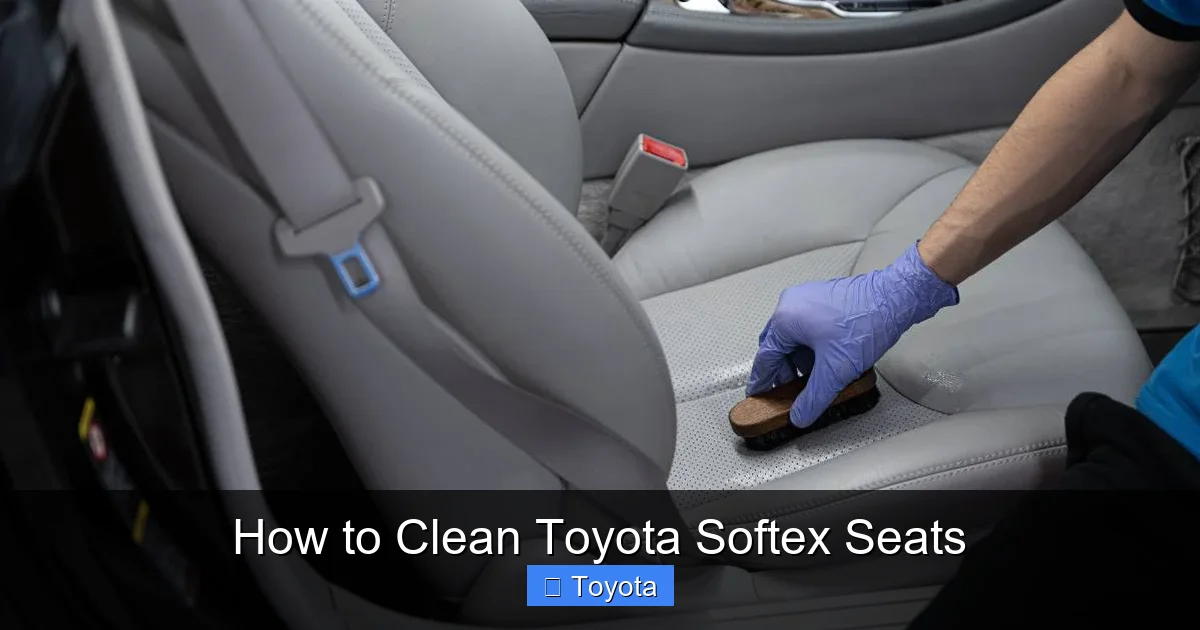
Cleaning your Toyota Softex seats doesn’t have to be a hassle. Follow these easy steps to remove dirt, stains, and odors while protecting the material. Keep your car interior looking fresh and new.
If you own a Toyota equipped with Softex upholstery, you already know how luxurious and comfortable those seats feel. But beauty comes with responsibility. Over time, spills, dust, and everyday wear can dull the look of your interior. Knowing how to clean Toyota Softex seats properly helps you preserve that premium feel for years. In this guide we’ll walk you through every step, from gathering the right tools to tackling stubborn stains. Let’s dive in and keep your car interior looking showroom‑ready.
Softex is a synthetic leather made from polyester and a special coating that mimics real leather without the high maintenance. It’s resistant to scratches and easy to clean — if you use the right method. Using harsh chemicals or abrasive scrubbing can damage the surface, leaving it dull or cracked. That’s why a gentle, systematic approach is essential. In the sections below you’ll learn the science behind Softex, the supplies you need, and the exact steps to follow. By the end, you’ll have a clear routine you can repeat whenever your seats need a refresh.
Key Takeaways
- Point 1: Use a pH‑balanced, non‑abrasive cleaner and microfiber cloths to protect the Softex surface.
- Point 2: Vacuum thoroughly before applying any liquid to remove loose debris.
- Point 3: Always spot‑test any cleaner in an inconspicuous area first.
- Point 4: Apply cleaner to a cloth, not directly on the seat, to avoid oversaturation.
- Point 5: For stubborn stains, use gentle brushing and rinse with a lightly damp cloth.
- Point 6: Regular maintenance, such as weekly vacuuming and UV protection, extends seat life.
- Point 7: Seek professional help for deep‑set stains or coating damage.
📑 Table of Contents
Step 1: Gather the Right Supplies
Before you start, collect a few simple items. You don’t need a professional detailing kit; most of what you need is likely already at home.
Mild Cleaner
Choose a pH‑balanced, non‑abrasive cleaner. A dedicated upholstery cleaner works well, but a gentle dish soap diluted in water can also do the trick. Avoid bleach, ammonia, or any solvent‑based products.
Microfiber Cloths
Soft, lint‑free microfiber cloths are ideal. They lift dirt without scratching the surface. Keep a few on hand for wiping, drying, and buffing.
Soft‑Bristled Brush
A soft brush, like a paintbrush or a dedicated upholstery brush, helps dislodge dust from seams and crevices.
Vacuum Cleaner with Upholstery Attachment
Removing loose debris first prevents scratching when you wipe. Use the brush attachment to gently vacuum the seats.
If you’re looking for more product ideas, check out our guide on cleaning car upholstery at home. It lists additional tools and tips that work well with synthetic leather.
Step 2: Vacuum the Seats Thoroughly
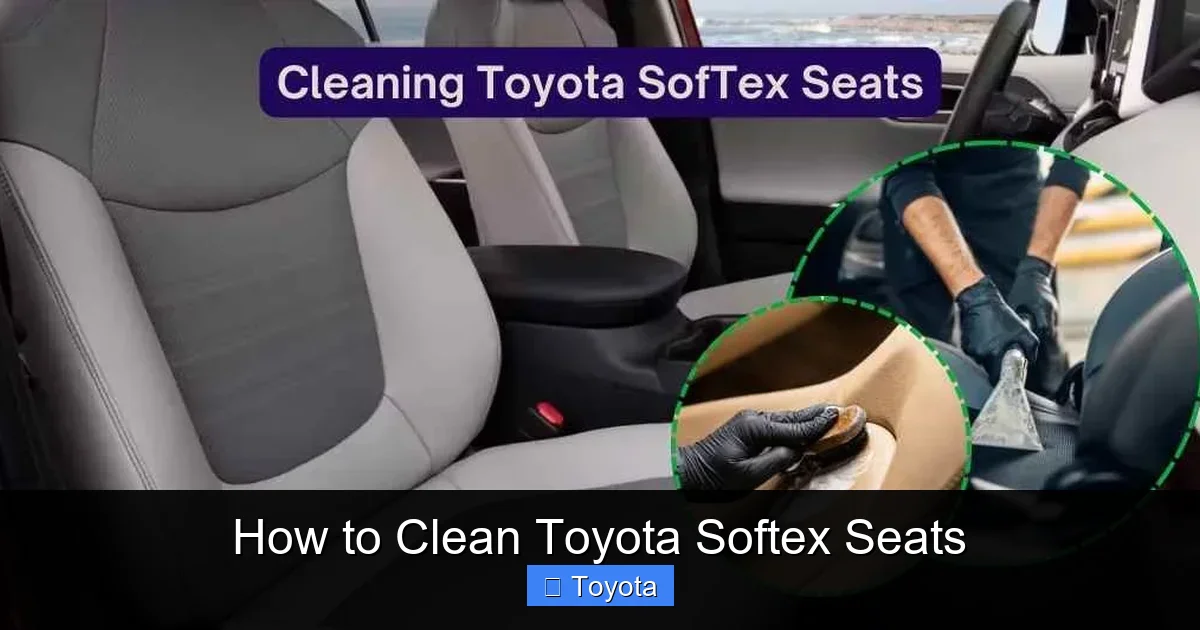
Start by removing any loose items like floor mats or trash. Then, using the vacuum’s upholstery attachment, go over the entire seat surface. Pay special attention to the creases between the seat cushions and the backrest. A quick vacuum removes dust, crumbs, and hair that could scratch the surface during cleaning.
Visual guide about How to Clean Toyota Softex Seats
Image source: aautomotives.com
Tip: Use Gentle Strokes
Move the vacuum in slow, overlapping strokes. Press lightly; too much pressure can embed dirt into the Softex coating. Once you’ve finished, give the seats a quick once‑over with a dry microfiber cloth to pick up any remaining particles.
Step 3: Spot Test Any Cleaner
Before applying any cleaning solution to the whole seat, you must test it in an inconspicuous area. This ensures the cleaner won’t discolor or damage the material.
Visual guide about How to Clean Toyota Softex Seats
Image source: i.ytimg.com
How to Spot Test
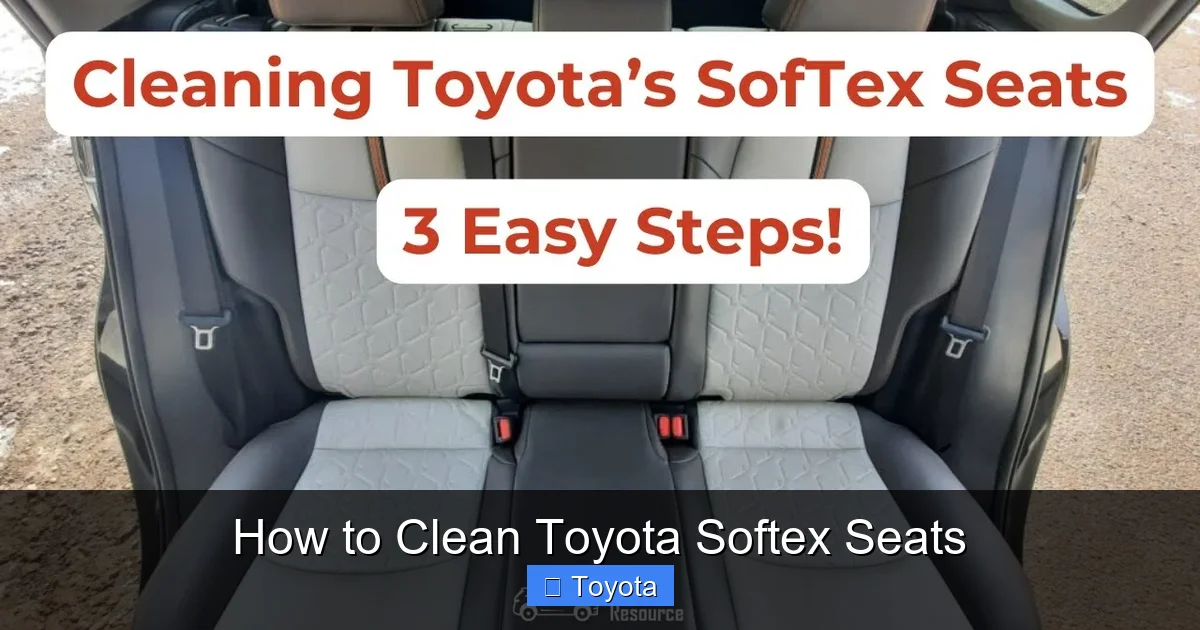
Dampen a small corner of a microfiber cloth with the diluted cleaner. Gently rub a hidden spot, such as under the seat belt anchor. Wait a minute, then check for any change in color or texture. If everything looks good, you’re ready to proceed.
Step 4: Clean the Seats – The Core Process
Now we get to the heart of how to clean Toyota Softex seats. Follow these sub‑steps carefully.

Visual guide about How to Clean Toyota Softex Seats
Image source: i.ytimg.com
Step 4A: Apply the Cleaner
Lightly mist the cleaner onto a microfiber cloth — not directly onto the seat. This prevents oversaturation, which can seep into the seams and cause swelling. Gently wipe the seat in a circular motion, working one section at a time. Focus on areas that see the most contact, like the driver’s side bolsters.
Step 4B: Scrub Lightly
If you encounter a stubborn spot, use the soft‑bristled brush in gentle, back‑and‑forth motions. Avoid aggressive scrubbing; the goal is to lift the dirt, not to wear away the coating. For ink or dye stains, a specialized ink remover designed for automotive interiors can be used, but always spot test first.
Step 4C: Rinse with a Damp Cloth
After cleaning, take a fresh cloth, dampen it with plain water, and wipe the seat to remove any residual soap. This step is crucial; leftover cleaner can attract more dirt later. Make sure the cloth is only lightly damp, not soaking.
Step 4D: Dry Immediately
Pat the seat dry with a clean, dry microfiber towel. Do not let the seat air‑dry, as moisture can cause water spots. Use a gentle blotting motion until the surface feels completely dry to the touch.
For additional inspiration on cleaning techniques, you can read how to clean leather car seats properly. Though the material differs, the gentle approach is similar.
Step 5: Tackle Stubborn Stains and Odors
Even with regular cleaning, some stains and smells can linger. Here’s how to handle the most common issues.
Ink or Marker Stains
Ink can be tricky on synthetic leather. Apply a small amount of isopropyl alcohol to a cotton swab and dab the stain gently. Blot, don’t rub, to avoid spreading. After the ink lifts, clean the area with the mild cleaner as described earlier.
Pet Accidents
If your furry friend leaves a mess, act quickly. First, blot the liquid with a paper towel to absorb as much as possible. Then, use a mixture of mild soap and water to clean the area. For lingering odors, an enzymatic cleaner designed for pet stains works well. Our article on how to remove pet hair from car seats also covers odor removal techniques.
Food Spills
For sticky residues like soda or syrup, scrape off any solid bits with a plastic scraper. Then, apply the cleaner to a cloth and gently wipe the spot. Rinse with a damp cloth and dry immediately.
Step 6: Ongoing Maintenance Tips
Keeping your Softex seats in top condition is a habit, not a one‑time task.
Regular Vacuuming
Make it a routine to vacuum the seats once a week. This prevents dirt from building up and reduces the need for deep cleaning.
Avoid Direct Sunlight
Parking in shaded areas or using a car cover helps prevent UV‑induced fading. Prolonged sun exposure can dry out the coating over time.
Use a Protective Spray
Consider a Softex‑safe protectant spray. These products create a thin barrier that repels spills and makes future cleaning easier. Apply according to the manufacturer’s instructions, usually once every few months.
Limit Harsh Chemicals
Never use bleach, ammonia, or strong solvents. They can break down the synthetic leather’s protective layer, leading to cracks and discoloration.
Step 7: When to Seek Professional Help
Most cleaning tasks can be handled at home, but some situations call for a professional detailer.
- Deep Penetration Stains: If a stain has soaked into the backing material, a professional can extract it without damaging the seat.
- Extensive Odor Issues: Persistent smells may require specialized equipment.
- Coating Failure: If the Softex starts to peel or crack, a professional can assess whether a re‑coating is possible.
Finding a reputable detailer who understands Softex is key. Ask for references or check online reviews before committing.
Conclusion
Now you have a complete roadmap for how to clean Toyota Softex seats safely and effectively. By gathering the right supplies, vacuuming first, spot testing, and following a gentle cleaning routine, you can keep your car interior looking pristine. Remember to address stains promptly, use protective measures, and avoid harsh chemicals. With these habits, your Softex seats will stay comfortable, attractive, and durable for the life of your vehicle.
Enjoy the fresh, luxurious feel of a well‑maintained interior every time you hop behind the wheel. Happy cleaning!
Can I use regular household soap to clean Softex seats?
Yes, a mild dish soap diluted in water works fine, but make sure it’s fully rinsed and the seat is dried promptly to avoid residue buildup.
How often should I clean my Toyota Softex seats?
For optimal appearance, vacuum weekly and perform a deeper clean with a gentle solution every month or when visible stains appear.
Is it safe to use a steam cleaner on Softex upholstery?
Steam can introduce excess moisture that may damage the coating, so it’s best to avoid steam cleaners unless the manufacturer explicitly recommends them.
What should I do if my Softex seats start to crack?
Cracking indicates the protective layer is compromised; contact a professional detailer who can evaluate whether a re‑coating is possible.
Do I need to condition Softex seats like real leather?
No, Softex does not require conditioning oils. Instead, use a protectant spray designed for synthetic leather to maintain its resilience.
Can I use the same method for cleaning the driver’s seat and passenger seats?
Yes, the steps are identical for all seats, but be extra gentle on the driver’s side if it experiences more frequent use and wear.
Frequently Asked Questions
What is How to Clean Toyota SofTex Seats?
How to Clean Toyota SofTex Seats is an important topic with many practical applications.