How to Fix a Toyota Sienna Sliding Door
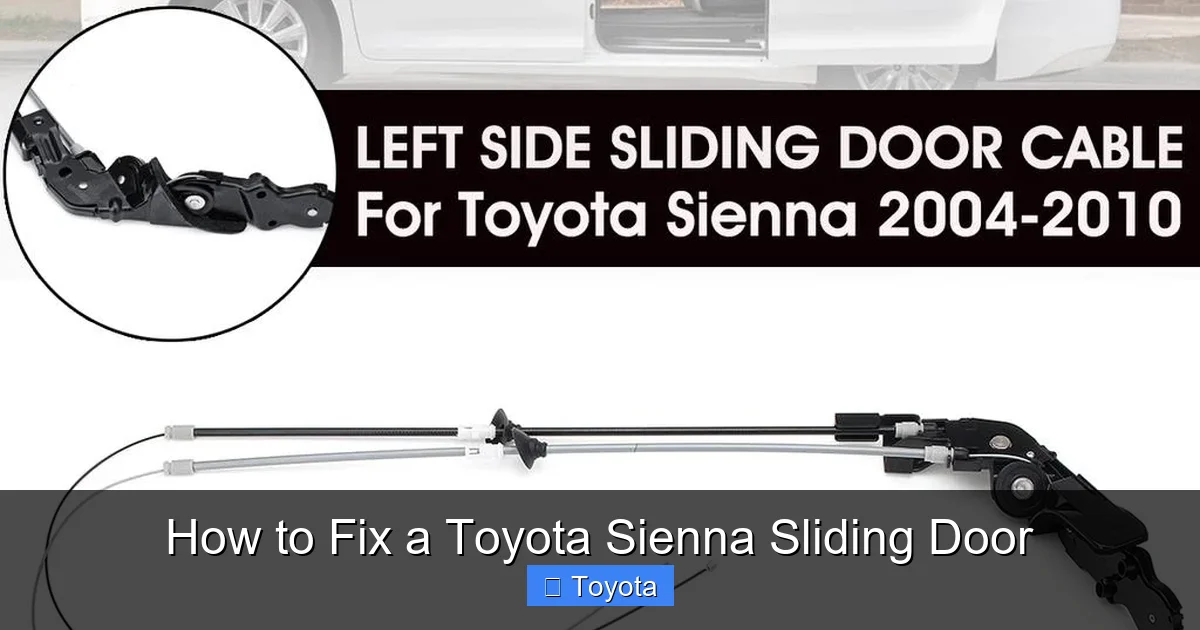
Fixing a Toyota Sienna sliding door is a manageable DIY project that saves time and money. This guide walks you through common issues like misaligned tracks, worn rollers, and damaged seals, then shows you how to clean, lubricate, and replace parts safely. Follow our step‑by‑step instructions, and you’ll have your door operating smoothly again in just a few hours.
Owning a Toyota Sienna gives you a versatile family hauler with a convenient sliding door that makes loading and unloading kids and gear a breeze. However, like any moving component, the sliding door can develop problems over time. Whether the door sticks, makes loud noises, or won’t stay closed, the good news is that many issues can be resolved with a few tools and a little patience. In this article, we’ll walk you through the entire process of fixing a Toyota Sienna sliding door, from diagnosing the root cause to performing a complete repair and even adding a few preventive maintenance tips to keep the door operating smoothly for years to come.
Key Takeaways
- Identify Common Causes: Misaligned tracks, faulty rollers, damaged weather‑stripping, and electrical glitches are the most frequent culprits behind a sticky or noisy Sienna sliding door.
- Gather the Right Tools: A basic toolkit, replacement rollers, silicone lubricant, a trim removal tool, and safety gloves ensure a smooth repair without damaging surrounding panels.
- Follow a Structured DIY Process: Start with safety checks, remove the interior panel, inspect and clean the track, lubricate moving parts, re‑assemble, and test the door’s operation.
- Clean and Maintain Regularly: Routine cleaning of the track and rollers, plus periodic lubrication, prevents future jams and extends the life of the door mechanism.
- Know When to Call a Pro: Complex electrical failures, broken structural components, or warranty‑covered issues are best left to a certified Toyota technician.
- Use Reliable Resources: For additional tips on car body repairs, see our guide on fixing dents. Cleaning the engine bay can also teach you effective degreasing methods that work well for door tracks.
- Temporary Solutions: If the door tends to swing open unexpectedly, a quick bungee‑cord trick can hold it shut until a proper fix is performed.
📑 Table of Contents
Understanding Common Sliding Door Problems
The first step in any repair is to know what you’re dealing with. A faulty sliding door on a Sienna typically falls into one of four categories: track misalignment, worn rollers, damaged weather‑strip seals, or electrical glitches. Each problem has its own set of symptoms, and recognizing these signs early can save you time and prevent further damage.
1. Misaligned Tracks
If the door hesitates or gets stuck halfway, the track may have shifted out of alignment. This often happens after a collision, aggressive parking, or even normal wear. You’ll notice the door sitting unevenly or making a grinding sound as it slides.
2. Worn or Broken Rollers
The rollers are small nylon wheels that allow the door to glide along the track. Over years of use, they can wear down or break, causing the door to sag or jam. A squeaky noise is a classic indicator that the rollers need attention.
3. Damaged Weather‑Strip Seals
The rubber seal around the door edge prevents water leaks and drafts. If the seal cracks or splits, you may notice drafts, water seeping into the cabin, or an unpleasant wind tunnel effect when driving.
4. Electrical Malfunctions
Some Siennas have power‑assisted sliding doors or electric latch mechanisms. Faulty wiring, a blown fuse, or a failing motor can cause the door to operate intermittently or not at all.
Assembling Your DIY Toolkit
Before you start, gather the necessary tools and replacement parts. Having everything on hand prevents interruptions and keeps the repair efficient.
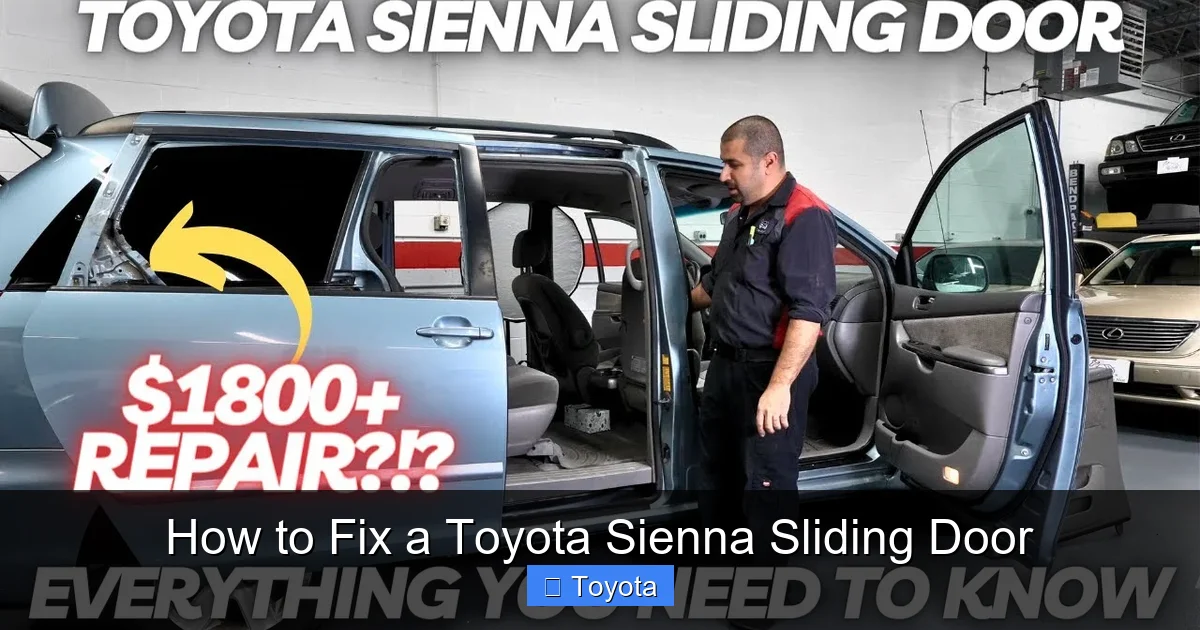
Visual guide about How to Fix a Toyota Sienna Sliding Door
Image source: img.youtube.com
Essential Tools
- Trim removal tool or a thin flat‑head screwdriver – used to pry off the interior door panel without scratching.
- Socket set or nut driver set – needed for any screws holding the panel or the door mechanism.
- Silicone‑based lubricant – preferred over oil because it doesn’t attract dust.
- Replacement rollers or roller assemblies – match the part number to your Sienna year and model.
- New weather‑strip seal – often sold as a kit that includes the gasket for the door jamb.
- Safety gloves and eye protection – keep your hands and eyes safe from sharp edges and debris.
Optional Extras
If you anticipate a more involved repair, consider adding a multimeter for checking electrical connections, a torque wrench for tightening bolts to factory specifications, and a soft‑cloth for cleaning surfaces without scratches.
Step‑by‑Step DIY Repair Guide
With your tools ready, follow this systematic approach. Each step is designed to be repeatable and safe, even for beginners.
Step 1: Safety First
Before touching any moving parts, disconnect the vehicle’s battery if you’re working on electrical components. This prevents accidental door movement or short circuits. Also, ensure the car is parked on a level surface and the parking brake is engaged.
Step 2: Remove the Interior Door Panel
Start by removing any trim pieces around the door (like the speaker grille or grab handle). Use the trim removal tool to gently pry the panel away from the door frame, working from the top edge downwards. Keep the screws in a small container so you don’t lose them. Once the panel is off, set it aside on a clean towel.
Step 3: Inspect the Sliding Track
Locate the aluminum track that guides the door. Look for debris, rust, or misaligned sections. If the track is bent, gently tap it back into shape with a rubber mallet, being careful not to over‑correct. For thorough cleaning, use a soft brush and a degreaser. This is a great opportunity to apply the cleaning techniques you’ll find in our engine bay cleaning guide, which teaches effective degreasing and residue removal.
Step 4: Check and Replace Rollers
Open the door fully and examine each roller. Spin them by hand—if they wobble, make noise, or feel rough, they need replacement. Use a socket wrench to remove the roller mounting bolts, then slide the new roller into place. Ensure the roller sits flush with the track to prevent future binding.
Step 5: Examine and Replace Weather‑Strip Seals
Run your fingers along the rubber seal. Look for cracks, splits, or hardened areas. If the seal is compromised, purchase a replacement seal that matches your Sienna’s model year. Carefully peel off the old seal, clean the sealing surface, and install the new one, pressing firmly to ensure proper adhesion.
Step 6: Lubricate Moving Parts
Apply a thin coat of silicone lubricant to the rollers, the track, and the door’s guide rails. Avoid over‑lubricating, as excess can collect dust and grime. A light, even coating is all that’s needed. This step significantly reduces friction and noise.
Step 7: Re‑assemble the Door Panel
Re‑attach the interior panel using the original screws, making sure they are snug but not overly tight. Replace any trim pieces you removed earlier. Verify that all buttons, switches, and the door lock mechanism function correctly before moving on.
Step 8: Test the Door Operation
Close the door fully, then open it repeatedly, watching for smooth movement. Listen for any abnormal noises and ensure the door stays aligned at both open and closed positions. If everything feels good, reconnect the battery (if you disconnected it) and take the door for a short test drive to confirm no wind leaks or water intrusion.
Troubleshooting Specific Issues
Even after a thorough repair, occasional problems may arise. Below are common scenarios and quick fixes.
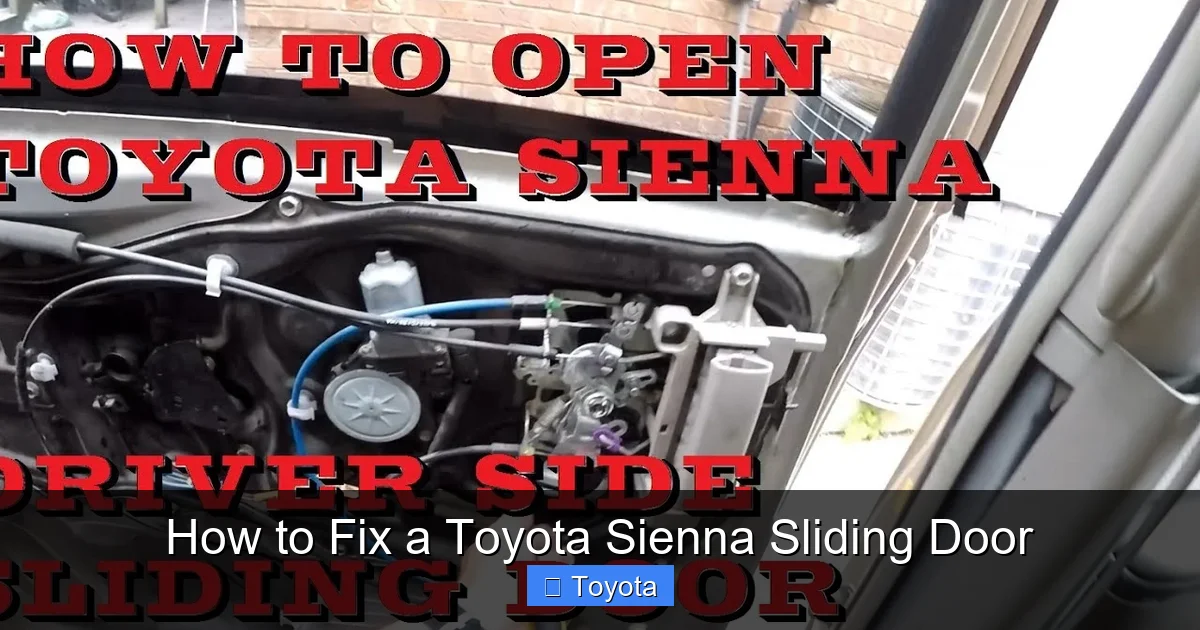
Visual guide about How to Fix a Toyota Sienna Sliding Door
Image source: ennew.weebly.com
Door Won’t Open Fully
Check for obstacles in the track, such as stuck debris or a misaligned roller. Clearing the obstruction and re‑lubricating often resolves the issue. If the door still sticks, the track may need a more extensive alignment adjustment, which may require a professional’s tools.
Door Jams Mid‑Slide
This usually indicates a worn roller or a bent track. Replace any damaged rollers and gently straighten the track if needed. After re‑assembly, test the door multiple times to ensure it glides without interruption.
Excessive Noise
Squeaking typically comes from dry rollers or a rough track. Apply a few drops of silicone lubricant to the rollers and run the door through a few cycles. If the noise persists, inspect the roller bearings for metal-on-metal contact, which signals a need for replacement.
Water Leaking Around the Door
A compromised weather‑strip seal is the usual culprit. Inspect the seal for cracks and replace it if necessary. Also, check the door’s drainage holes (if equipped) to ensure they aren’t blocked, which can cause water to pool inside the track.
Preventive Maintenance Tips
Once your Toyota Sienna sliding door is functioning perfectly, a little routine care will keep it that way.
Regular Cleaning
Every month, wipe down the track with a damp cloth and a mild detergent. Remove any dirt, leaves, or road salt that can corrode the rollers. A quick visual inspection for rust spots helps catch issues early.
Lubrication Schedule
Apply silicone lubricant to the rollers and track every three months or after any exposure to harsh weather. This simple step prevents the door from seizing up during extreme temperatures.
Inspect Weather‑Strip Periodically
Check the seal for brittleness or cracking every six months. If you notice the rubber becoming hard, replace it before it fails. A supple seal ensures a tight seal against the elements.
Check Electrical Connections
If your Sienna has power‑assist features, inspect the wiring harness for wear every year. Loose connections can cause intermittent operation. Tightening or replacing corroded connectors is a quick fix that prevents larger failures.
When to Call a Professional
DIY repairs are rewarding, but there are times when a certified Toyota technician should handle the job.
Complex Mechanical Failures
If the door’s rail system is severely bent, the motor is seized, or the gear teeth are stripped, professional equipment and expertise are required to safely restore function.
Electrical System Issues
When the door’s electronic latch or power‑assist motor fails, diagnosing wiring faults or programming issues often needs a scanner and dealer‑level knowledge. Attempting to repair high‑voltage components without proper training can be hazardous.
Warranty and Safety Concerns
If your Sienna is still under warranty, using a Toyota service center preserves your coverage and ensures parts are replaced with genuine components. Also, any repair that involves the vehicle’s structural integrity should be overseen by a professional to maintain safety standards.
Conclusion
Fixing a Toyota Sienna sliding door doesn’t have to be a daunting task. By identifying common problems such as misaligned tracks, worn rollers, damaged seals, or electrical glitches, gathering the right tools, and following a step‑by‑step repair process, you can restore smooth, reliable operation yourself. Remember to keep the door clean, lubricated, and inspected regularly to avoid future issues. Should you encounter complex mechanical or electrical failures, don’t hesitate to consult a certified technician to ensure safety and preserve any remaining warranty coverage. With a little patience and the guidance provided here, your Sienna’s sliding door will continue to provide the convenient entry you and your family rely on for many miles to come.
Frequently Asked Questions
What are the most common reasons a Toyota Sienna sliding door sticks?
Most sticking doors are caused by misaligned tracks, worn or broken rollers, debris in the guide rail, or a damaged weather‑strip seal. Regular cleaning and lubrication can prevent many of these issues.
Can I replace the rollers on a sliding door without removing the interior panel?
While it’s possible to access some rollers from the bottom, removing the interior panel gives you full visibility and safer access to all components. It also makes re‑assembly easier.
How often should I lubricate the sliding door mechanism?
Apply silicone lubricant to the rollers and track every three months, or after any exposure to rain, snow, or road salt. This keeps friction low and prevents rust.
What tools do I need for a DIY sliding door repair?
Basic tools include a trim removal tool, socket set, silicone lubricant, replacement rollers, new weather‑strip seal, and safety gloves. A multimeter is optional if you’re troubleshooting electrical components.
When should I take my Sienna to a Toyota dealer instead of fixing it myself?
If you encounter severe track deformation, a seized motor, stripped gear teeth, or any electrical fault that requires a scanner, a professional technician is the best choice. Also, repairs under warranty should be handled by a dealer to maintain coverage.
Are there any temporary fixes if my sliding door won’t stay closed?
For a quick solution, you can use a small bungee cord to hold the door shut while you arrange a proper repair. This method is handy for occasional use and prevents the door from swinging open unexpectedly.