How to Bypass Ambient Air Temperature Sensor
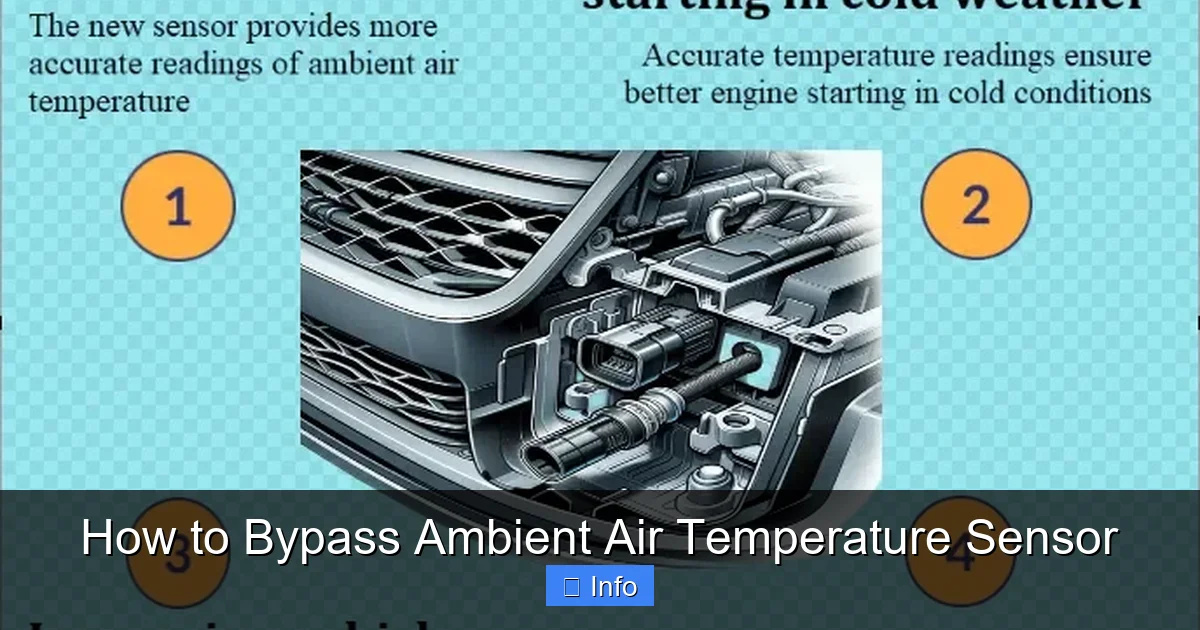
The ambient air temperature sensor plays a crucial role in your vehicle’s performance and comfort systems. Understanding how to properly diagnose and address sensor issues can save you time and money while ensuring optimal engine operation. This comprehensive guide walks you through safe testing methods and when professional help might be needed.
Key Takeaways
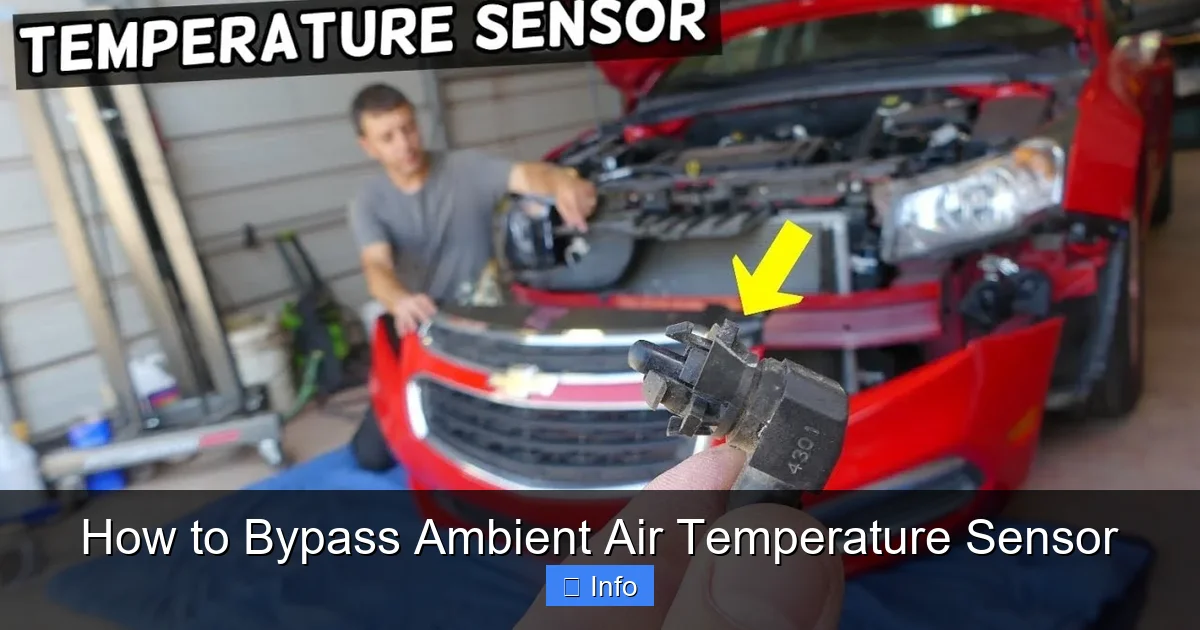
- Sensor Location: The ambient air temperature sensor is typically located behind the front grille or in front of the radiator for accurate outdoor temperature readings.
- Common Symptoms: Faulty sensors cause erratic temperature displays, poor HVAC performance, and potential engine performance issues due to incorrect air density calculations.
- Testing Methods: Use multimeter testing and OBD2 scanners to check sensor resistance values and identify specific fault codes before attempting any bypass procedures.
- Safety First: Always disconnect battery power before working with electrical components and ensure proper ventilation when testing sensors in enclosed spaces.
- Professional Alternatives: Consider cleaning or replacing the sensor instead of bypassing, as this addresses root causes rather than symptoms.
- Legal Compliance: Any modifications should comply with local emissions regulations and safety standards to avoid legal complications.
- Diagnostic Tools: Modern OBD2 scanners can help identify sensor-specific codes and monitor real-time temperature data for accurate troubleshooting.
📑 Table of Contents
- Understanding Your Vehicle’s Ambient Air Temperature Sensor
- Common Signs of Ambient Air Temperature Sensor Problems
- Tools and Equipment Needed
- Safe Diagnostic Procedures Before Bypassing
- When and Why You Might Need to Bypass the Sensor
- Step-by-Step Bypass Procedures
- Alternative Solutions to Consider
- Important Safety and Legal Considerations
- Conclusion
Understanding Your Vehicle’s Ambient Air Temperature Sensor
Your car’s ambient air temperature sensor might seem like a simple component, but it plays a vital role in keeping your ride running smoothly. This small device measures the outside air temperature and sends that information to your engine computer. The ECU uses this data to calculate air density, which affects fuel injection timing and ignition. It also helps control your heating and cooling system.
When this sensor starts acting up, you’ll notice strange temperature readings on your dashboard. Maybe it shows 50 degrees when it’s actually 80 outside. Or perhaps your air conditioning doesn’t blow cold air like it used to. These are classic signs of a failing ambient air temperature sensor.
Before we dive into bypass methods, let’s talk about why this happens. Road debris, weather damage, and simple wear can cause sensor failure. Sometimes the wiring harness gets damaged during accidents or routine maintenance. Other times, the sensor itself just wears out after years of exposure to the elements.
Common Signs of Ambient Air Temperature Sensor Problems
Visual guide about How to Bypass Ambient Air Temperature Sensor
Image source: vehq.com
Erratic Temperature Readings
The most obvious sign is inconsistent temperature display. You might start your car on a warm morning and see “-40°F” on the screen. This extreme reading usually indicates a short circuit or complete sensor failure. Conversely, seeing “120°F” on a cold day suggests an open circuit or sensor malfunction.
These readings aren’t just annoying – they can affect your driving experience. Your automatic climate control system relies on accurate temperature data to maintain cabin comfort. Wrong information means inefficient heating or cooling performance.
HVAC System Performance Issues
When your ambient air temperature sensor fails, your heating and cooling system may not work properly. The automatic temperature control adjusts based on outside conditions. If it thinks it’s freezing outside when it’s actually hot, your A/C might not engage correctly.
This issue becomes particularly noticeable during extreme weather conditions. Summer heat becomes unbearable when your A/C thinks it needs to heat the cabin. Winter driving turns uncomfortable when the system believes it’s already warm outside.
Engine Performance Changes
Modern engines adjust fuel mixtures based on air temperature. Cold air is denser and requires more fuel for proper combustion. Hot air needs less fuel. A faulty sensor sends wrong information to the ECU, causing poor fuel economy and reduced performance.
You might notice rough idling, decreased power, or unusual fuel consumption patterns. These symptoms often get misdiagnosed as other engine problems when the real culprit is a simple temperature sensor.
Tools and Equipment Needed
Visual guide about How to Bypass Ambient Air Temperature Sensor
Image source: i.ytimg.com
Basic Diagnostic Equipment
To properly diagnose ambient air temperature sensor issues, you’ll need several essential tools. A digital multimeter is crucial for testing electrical resistance. You’ll also want an OBD2 scanner to read diagnostic trouble codes. Basic hand tools like screwdrivers and pliers help with sensor removal.
Safety equipment includes safety glasses and gloves. Working with electrical components always carries some risk. Having the right protective gear prevents accidents and injuries during testing.
Advanced Diagnostic Options
For more complex diagnostics, consider investing in a professional-grade scan tool. These devices provide real-time data streaming and advanced troubleshooting capabilities. They can show you exactly what the sensor is reporting at any given moment.
Some models include graphing functions that display temperature changes over time. This feature helps identify intermittent failures that don’t show up during static testing.
Safe Diagnostic Procedures Before Bypassing
Visual guide about How to Bypass Ambient Air Temperature Sensor
Image source: i.ytimg.com
Visual Inspection Process
Start with a thorough visual inspection of the sensor and wiring. Look for obvious damage like frayed wires, corrosion, or physical breaks. Check the connector for loose connections or water intrusion. Many sensor problems stem from simple wiring issues that don’t require bypass procedures.
Examine the sensor mounting location. Ensure it’s positioned correctly and not obstructed by debris or modifications. Proper placement is crucial for accurate readings.
Electrical Testing Methods
Using your multimeter, test the sensor’s resistance values. Most ambient air temperature sensors follow specific resistance curves based on temperature. Compare your readings to manufacturer specifications for accurate diagnosis.
Set your multimeter to the ohms setting and connect probes to the sensor terminals. Note the resistance value and compare it to expected readings at current temperatures. Significant deviations indicate sensor failure.
OBD2 Code Reading
Connect your OBD2 scanner to identify specific trouble codes. Ambient air temperature sensor issues typically generate codes in the P0100-P0199 range. Common codes include P0112 (intake air temperature circuit low input) and P0113 (intake air temperature circuit high input).
Document any codes before proceeding. This information helps determine whether bypass is necessary or if simple repairs will fix the problem.
When and Why You Might Need to Bypass the Sensor
Testing and Diagnostic Scenarios
Bypassing the ambient air temperature sensor makes sense during certain diagnostic procedures. When troubleshooting other systems, temporarily bypassing the sensor eliminates it as a variable. This approach helps isolate problems in complex electrical systems.
Professional mechanics often use bypass techniques to verify sensor-related issues. If problems disappear after bypass, the sensor is likely faulty and needs replacement.
Aftermarket Installation Considerations
Installing aftermarket performance parts sometimes requires sensor modifications. Cold air intake systems or custom engine management setups may need alternative temperature sensing solutions. Understanding bypass methods helps ensure proper installation.
However, always verify that modifications comply with emissions regulations. Some changes can affect your vehicle’s legal status on public roads.
Step-by-Step Bypass Procedures
Preparation and Safety Steps
Before starting any bypass procedure, disconnect the negative battery terminal. This prevents electrical shorts and protects sensitive electronic components. Wait at least 15 minutes before handling sensor wiring to allow capacitors to discharge.
Gather all necessary tools and consult your vehicle’s service manual. Wiring diagrams vary significantly between manufacturers and model years. Using incorrect procedures can cause additional damage.
Wiring Identification and Access
Locate the ambient air temperature sensor using your vehicle’s service manual. Remove any covers or shields blocking access to the sensor connector. Take photos before disconnecting anything to help with reassembly.
Identify the signal wire, ground wire, and power wire. Most sensors use two-wire configurations, simplifying the bypass process. Three-wire sensors require additional attention to identify each circuit function.
Creating a Proper Bypass Connection
For temporary bypass, connect a resistor between the signal and ground wires. Choose resistance values that simulate normal operating temperatures. A 10k ohm resistor typically mimics moderate temperature conditions.
Secure all connections with electrical tape or heat shrink tubing. Loose connections can cause intermittent problems that are harder to diagnose than the original issue.
Testing After Bypass Installation
Reconnect the battery and start your vehicle. Monitor temperature readings on the dashboard display. If readings stabilize within normal ranges, the bypass was successful. Use your OBD2 scanner to verify that related trouble codes clear.
Drive the vehicle under various conditions to ensure consistent performance. Temperature readings should remain stable regardless of driving style or environmental conditions.
Reverting Back to Normal Operation
After completing diagnostic procedures, restore the original sensor connection immediately. Leaving a bypass in place long-term can cause other system problems. Clean the sensor area and check for damage before reinstallation.
Clear any stored trouble codes using your OBD2 scanner. This ensures the vehicle’s computer recognizes the restored sensor connection.
Alternative Solutions to Consider
Sensor Cleaning and Maintenance
Often, ambient air temperature sensor problems stem from dirt and debris buildup. Regular cleaning prevents many issues from developing. Use compressed air to remove dust and contaminants from the sensor housing.
Avoid using harsh chemicals that could damage sensitive components. Gentle cleaning with appropriate solvents usually restores proper function without requiring bypass procedures.
Professional Replacement Options
Replacing a faulty ambient air temperature sensor is often more cost-effective than permanent bypass solutions. New sensors provide accurate readings and restore full system functionality. Professional installation ensures proper calibration and operation.
Consider visiting authorized dealers or qualified mechanics for sensor replacement. They have access to proper tools and training for accurate installation.
Preventive Maintenance Strategies
Regular vehicle maintenance helps prevent sensor failures. Keep the engine bay clean and inspect wiring regularly for signs of wear. Address minor issues before they develop into major problems requiring complex solutions.
Schedule routine diagnostics during oil changes or other service visits. Early detection makes repairs easier and less expensive than emergency fixes.
Important Safety and Legal Considerations
Electrical Safety Precautions
Working with vehicle electrical systems requires proper safety protocols. Always disconnect battery power before handling wiring. Use insulated tools and wear appropriate protective equipment during testing.
Never attempt bypass procedures while the engine is running. Moving electrical components pose serious injury risks that proper precautions eliminate.
Legal Compliance Requirements
Vehicle modifications must comply with federal and state regulations. Emissions-related changes can affect your car’s street legality. Research local laws before implementing any permanent modifications.
Keep documentation of all work performed. This information helps resolve legal questions and ensures proper maintenance records.
Long-term Reliability Concerns
Temporary bypass solutions work well for diagnostics but shouldn’t replace permanent repairs. Extended use of bypass methods can stress other vehicle systems beyond their design limits.
Plan to restore normal sensor operation as soon as diagnostic procedures complete. This approach maintains vehicle reliability and prevents unexpected breakdowns.
Conclusion
Understanding how to properly diagnose and address ambient air temperature sensor issues saves time and money. While bypass procedures serve valuable diagnostic purposes, they’re not permanent solutions for sensor failures. Regular maintenance and prompt attention to warning signs prevent most problems from developing.
Remember that modern vehicles rely heavily on accurate sensor data for optimal performance. Taking shortcuts with critical systems often leads to bigger problems down the road. When in doubt, consult professional mechanics who understand your specific vehicle’s requirements.
Proper diagnosis using quality tools identifies root causes quickly. This approach eliminates guesswork and ensures effective repairs that last. Whether you’re dealing with simple wiring issues or complete sensor failure, systematic troubleshooting leads to successful outcomes.
Frequently Asked Questions
What does an ambient air temperature sensor do?
The ambient air temperature sensor measures outside air temperature and sends this data to your vehicle’s computer. The ECU uses this information to calculate air density for proper fuel mixture adjustments and to optimize engine performance under varying weather conditions.
How much does it cost to replace an ambient air temperature sensor?
Replacement costs typically range from $50 to $200 for parts, plus labor charges of $50 to $150 depending on your vehicle’s complexity. Luxury vehicles or those with hard-to-reach sensors may cost more, but simple installations rarely exceed $300 total.
Can a bad ambient air temperature sensor affect fuel economy?
Yes, faulty sensors can significantly impact fuel economy. When the ECU receives incorrect temperature data, it makes wrong fuel mixture calculations. This leads to either too rich or too lean mixtures, causing decreased efficiency and potentially damaging engine components over time.
Where is the ambient air temperature sensor located?
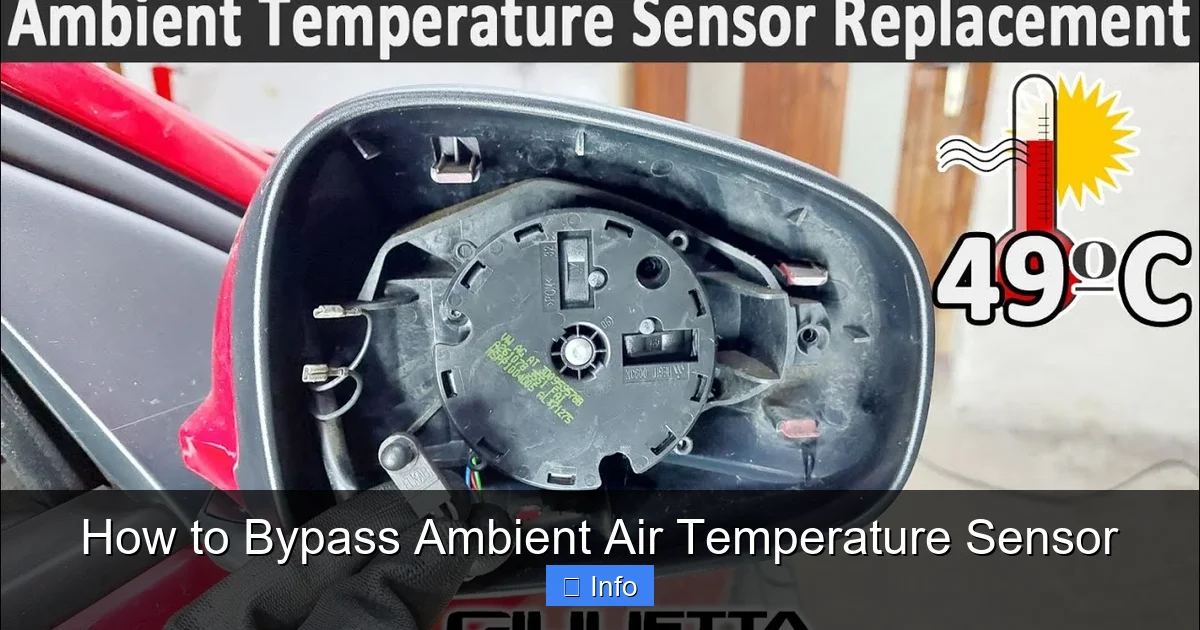
Most vehicles mount this sensor behind the front grille or in front of the radiator. It needs exposure to outside air for accurate readings. Some vehicles place it near the windshield wiper area or integrated into the rearview mirror assembly.
What tools do I need to test an ambient air temperature sensor?
You’ll need a digital multimeter for resistance testing, an OBD2 scanner for code reading, and basic hand tools for sensor removal. Safety equipment including gloves and eye protection is essential. Having your vehicle’s service manual helps identify specific testing procedures and specifications.
Is bypassing an ambient air temperature sensor legal?
Temporary bypass for diagnostics is generally acceptable, but permanent modifications may violate emissions regulations. Check your local laws before implementing any changes. Professional installation ensures compliance with all applicable standards and maintains your vehicle’s legal status.