How Much Should I Pay for a Car

Determining how much you should pay for a car involves more than just the sticker price—taxes, fees, insurance, and financing all shape the true cost. By researching market value, setting a realistic budget, and negotiating smartly, you can avoid overpaying and drive away with confidence.
Buying a car is one of the biggest financial decisions most people make, yet many walk into a dealership with only a vague idea of what they should actually pay. The sticker price you see on the window is just the starting point. Taxes, title fees, registration, insurance, and financing costs can add thousands to the final amount you owe. Understanding how each piece fits together helps you set a realistic budget, avoid surprise expenses, and negotiate a deal that feels fair.
In this guide we’ll break down the process into clear, actionable steps. You’ll learn how to research a vehicle’s true market value, calculate the total cost of ownership, set a budget that matches your income, and use proven negotiation tactics to get the best price. Whether you’re eyeing a brand‑new sedan or a reliable used SUV, the principles below apply to any purchase.
Key Takeaways
- Know the market value: Use tools like Kelley Blue Book and Edmunds to see what similar cars are selling for in your area.
- Calculate total cost: Add title fees, registration, sales tax, insurance, and estimated interest to the vehicle price.
- Follow the 20/4/10 rule: Aim for at least a 20% down payment, a loan term no longer than 4 years, and monthly payments under 10% of your gross income.
- Negotiate from the invoice: Knowing the dealer’s invoice price gives you leverage to lower the final deal.
- Watch for hidden fees: Scrutinize the contract for add‑ons like extended warranties, VIN etching, or dealer preparation charges that can inflate the price.
📑 Table of Contents
Understanding Car Pricing Basics
Before you start comparing numbers, it helps to know what makes up a car’s price. The manufacturer’s suggested retail price (MSRP) is the baseline, but dealers often add or subtract based on demand, incentives, and inventory levels. For used cars, the price reflects mileage, condition, service history, and regional market trends.
New vs Used Cars
New vehicles come with the full warranty, the latest technology, and that “new car” smell, but they depreciate fastest—often losing 20% of their value in the first year. Used cars, especially those that are certified pre‑owned (CPO), have already taken the biggest depreciation hit, which can mean a lower purchase price and slower value loss. However, older vehicles may require more maintenance, and financing rates can be higher for used models.
Trim Levels and Options
Even within the same model, trim levels can vary by several thousand dollars. A base sedan might include cloth seats and a basic audio system, while a higher trim adds leather upholstery, a sunroof, and advanced driver‑assist features. Options packages—like a premium sound system or all‑wheel drive—can also push the price up quickly. Knowing which features you truly need versus those that are nice‑to‑have helps you avoid paying for extras you’ll never use.
Researching Market Value
Once you have a shortlist of makes and models, the next step is to find out what others are actually paying for similar vehicles in your area. This prevents you from overpaying simply because you didn’t do your homework.

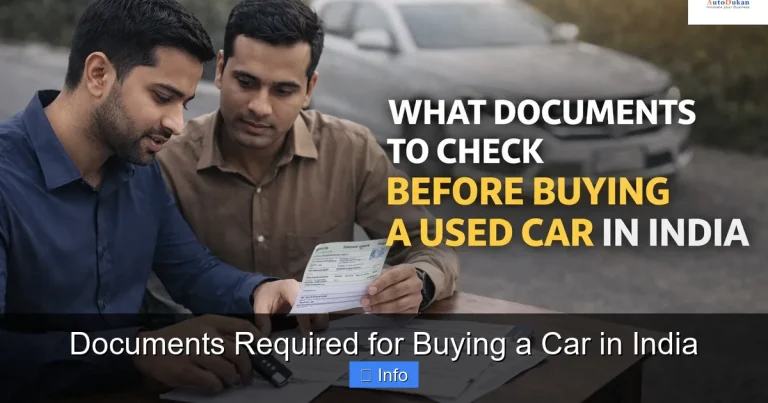
Visual guide about How Much Should I Pay for a Car
Image source: livedoor.blogimg.jp
Using Online Valuation Tools
Websites such as Kelley Blue Book (KBB), Edmunds, and NADA Guides provide instant estimates based on year, make, model, mileage, condition, and zip code. Enter your details and you’ll see three key numbers: trade‑in value, private‑party value, and dealer retail value. The dealer retail value is the closest to what you’ll likely pay at a lot, while the private‑party value shows what you might pay if buying directly from an owner.
Checking Local Listings
Online marketplaces like Autotrader, Cars.com, and Facebook Marketplace let you see real‑time asking prices. Filter by distance, price range, and mileage to spot trends. If you notice that most 2022 Honda Civics with 30,000 miles are listed around $22,000 in your city, that’s a solid benchmark. Remember that asking prices are often negotiable, so treat them as a starting point rather than a final figure.
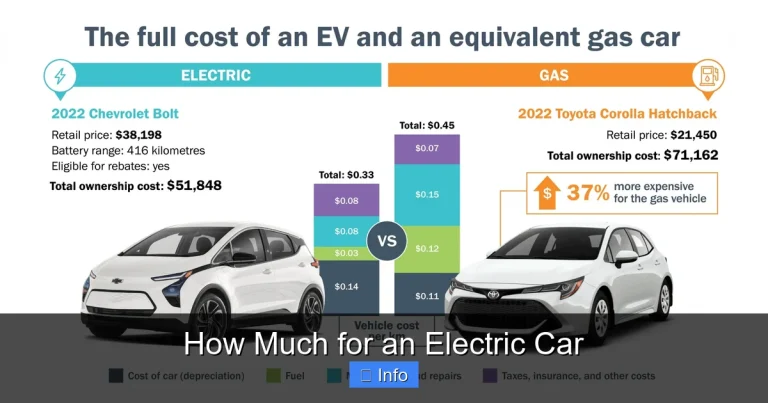
Calculating Total Cost of Ownership
The sticker price is only part of the picture. To know how much you should really pay, you need to add up all the recurring and one‑time expenses that come with owning a vehicle.
Visual guide about How Much Should I Pay for a Car
Image source: imgv2-1-f.scribdassets.com
Taxes and Fees
Every state charges sales tax on a vehicle purchase, and the rate varies widely. For example, if you live in California, the statewide base rate is 7.25%, but local districts can add extra percentages, pushing the total over 10% in some areas. You can learn more about the exact amount by checking our guide on how much is sales tax for a car in California. In addition to sales tax, you’ll pay a title fee (often $15‑$30) and registration fees that depend on the car’s weight and age. Some states also impose a vehicle license fee or emissions fee.
When budgeting, add these costs to the vehicle price before you consider financing. For a $25,000 car in a 9% tax jurisdiction, expect roughly $2,250 in taxes plus $50 in title fees and $150 in registration—bringing the subtotal to about $27,450 before any loan interest.
Insurance Costs
Insurance is a recurring expense that can differ dramatically based on age, driving record, location, and the car’s safety rating. Younger drivers typically face higher premiums. If you’re 20 years old, you might pay anywhere from $150 to $250 per month for moderate coverage on a midsize sedan. For more detailed numbers, see our article on how much is car insurance for a 20 year old per month. To estimate your own cost, request quotes from at least three insurers and factor the annual premium into your monthly budget.
Financing and Interest
If you’re not paying cash, the loan’s interest rate (APR) will increase the total amount you repay. A 5% APR on a $30,000 loan over 60 months adds roughly $4,000 in interest. Shorter loan terms reduce interest but raise the monthly payment, while longer terms lower the payment but increase overall cost. Use an online auto loan calculator to see how different rates and terms affect your total outlay.
Setting Your Budget
Now that you understand the pieces that make up the total cost, it’s time to decide how much you can comfortably spend. A common guideline is the 20/4/10 rule, which helps keep car expenses in line with your overall finances.

Visual guide about How Much Should I Pay for a Car
Image source: img.huffingtonpost.com
The 20/4/10 Rule
This rule suggests you should:
- Make a down payment of at least 20% of the vehicle’s price.
- Finance the car for no longer than 4 years.
- Keep your total monthly car payment (principal + interest) under 10% of your gross monthly income.
For example, if you earn $5,000 per month, 10% is $500. Aim for a loan that results in a payment of $450‑$500 after taxes and fees. A larger down payment reduces the loan amount, which in turn lowers both the monthly payment and the total interest paid.
Down Payment Considerations
Saving for a down payment can feel daunting, but even a modest amount helps. If you’re buying a $20,000 car, a 20% down payment is $4,000. If you can’t hit that target right away, consider a cheaper vehicle or delay the purchase until you’ve saved more. Remember that a down payment also reduces the loan‑to‑value ratio, which can qualify you for a better interest rate.
Monthly Payment Affordability
Beyond the loan payment, budget for insurance, fuel, maintenance, and potential repairs. A good practice is to allocate no more than 15‑20% of your take‑home pay to all car‑related expenses. Track your current spending for a month to see how much room you really have.
Negotiation Strategies and Avoiding Pitfalls
Armed with market value data and a clear budget, you’re ready to talk numbers with the dealer. The goal is to reach a price that feels fair to both parties while staying within your limits.
Knowing the Invoice Price
The invoice price is what the dealer actually paid the manufacturer for the vehicle. It’s usually lower than the MSRP, and knowing it gives you a solid floor for negotiation. You can find invoice prices on sites like Edmunds or by asking the salesperson directly—many will share it if you show you’re informed.
Timing Your Purchase
Dealers often have monthly, quarterly, and yearly sales targets. Visiting near the end of a month, quarter, or year can increase your chances of getting a discount, as salespeople strive to meet their quotas. Additionally, shopping during holiday weekends (Memorial Day, Fourth of July, Labor Day) or when new model years arrive (late summer/early fall) can yield manufacturer incentives and rebates.
Leveraging Trade‑Ins and Incentives
If you have a vehicle to trade in, get its value from multiple sources before mentioning it to the dealer. This prevents lowball offers. Also, ask about any manufacturer cash rebates, low‑interest financing offers, or loyalty discounts. Sometimes stacking a rebate with a dealer discount can save you thousands.
Hidden Fees and Add‑Ons
Before signing, review the contract line by line. Common extra charges include:
- Dealer preparation fees ($300‑$800)
- VIN etching ($200‑$400)
- Extended warranties or service contracts
- Gap insurance (often cheaper through your insurer)
- Advertising fees
If any of these appear, ask whether they’re removable or negotiable. You have the right to decline unnecessary add‑ons.
Warranty and Service Contracts
New cars come with a factory warranty, but dealers may push an extended service contract. Evaluate whether the cost matches the likelihood of needing repairs. For many reliable models, the factory warranty plus a good maintenance schedule is sufficient.
Test Drive and Inspection
Never skip a test drive. Pay attention to visibility, braking, acceleration, and comfort. For used cars, consider getting a pre‑purchase inspection from a trusted mechanic—it can uncover hidden problems that might cost you thousands down the road.
By combining solid research, a realistic budget, and smart negotiation, you’ll know exactly how much you should pay for a car—and you’ll drive away feeling confident that you made a financially sound decision.
Frequently Asked Questions
What is the fair price for a used car?
The fair price for a used car depends on its make, model, year, mileage, condition, and local market demand. Use valuation tools like Kelley Blue Book or Edmunds to see the private‑party and dealer retail values, then compare those numbers to actual listings in your area.
Should I pay off my car loan early?
Paying off a car loan early can save you interest, but check if your loan includes a prepayment penalty. If there’s no penalty, extra payments toward the principal reduce the total cost and shorten the loan term.
How do incentives affect the price I should pay?
Manufacturer incentives—such as cash rebates or low‑interest APR offers—lower the effective cost of the vehicle. Subtract any applicable rebates from the negotiated price before calculating financing to see your true out‑of‑pocket expense.
Is it better to buy or lease if I want a low monthly payment?
Leasing often results in a lower monthly payment because you’re only paying for the vehicle’s depreciation during the lease term, not the full purchase price. However, at the end of the lease you don’t own the car, and you may face mileage limits and wear‑and‑tear charges.
How much should I budget for maintenance each year?
A reasonable estimate is $0.05 to $0.10 per mile driven, or about $500‑$1,000 annually for a typical sedan. Older vehicles or those with higher performance tiers may require more.
What role does my credit score play in determining what I should pay?
Your credit score influences the interest rate you qualify for on an auto loan. A higher score can secure a lower APR, reducing the total amount you pay over the life of the loan. Check your score before shopping and consider improving it if needed to get better financing terms.