How Much for an Electric Car
Electric car prices vary widely, typically ranging from $25,000 for budget models to over $100,000 for luxury EVs. While the upfront cost can be higher than gas cars, savings on fuel and maintenance, combined with government incentives, often make them a smart financial choice.
So, you are thinking about making the switch to an electric vehicle (EV), but the big question is looming: how much for an electric car? If you have looked at a few listings, you probably noticed that the prices are all over the place. Some look like a bargain, while others cost as much as a small house. It can feel a bit overwhelming when you just want to know if you can afford one.
The good news is that the EV market is growing fast. More brands are releasing more models, which means more competition. This competition is driving prices down. Whether you are looking for a tiny city commuter or a massive family SUV, there is likely an electric option that fits your budget. The trick is knowing where to look and how to calculate the true cost of ownership.
In this guide, we are going to break down everything you need to know about EV pricing. We will look at new and used options, the hidden costs, and the ways you can save money. By the end, you will have a clear picture of exactly how much for an electric car based on your specific needs.
Key Takeaways
- Price Range: Most new EVs fall between $30,000 and $60,000, though luxury options go much higher.
- Tax Incentives: Federal and state tax credits can significantly lower the actual price you pay.
- Long-term Savings: Lower fuel and maintenance costs help offset the higher initial purchase price.
- Used Market: Buying a pre-owned EV is a great way to enter the market at a much lower price point.
- Battery Impact: Battery capacity and technology are the biggest drivers of the total cost.
- Charging Costs: Home charging is far cheaper than gas, but installing a Level 2 charger adds an initial cost.
📑 Table of Contents
Understanding the Price Brackets of Electric Cars
When asking how much for an electric car, it helps to divide the market into three main categories: budget, mid-range, and luxury. Each bracket offers a different level of range, tech, and comfort.
Budget-Friendly EVs
Budget EVs are designed for people who have a shorter commute or live in cities with plenty of charging stations. These cars usually range from $25,000 to $35,000. You will find smaller hatchbacks or compact sedans in this range. While they have smaller batteries and less range, they are perfect for daily errands and city driving. These are often the best entry points for first-time EV buyers.
Mid-Range EVs
The mid-range market is where most buyers land. These cars typically cost between $35,000 and $60,000. In this bracket, you get a significant jump in battery life, often offering 250 to 350 miles on a single charge. You will find a variety of body styles here, including popular crossovers and family sedans. These vehicles offer a balance of luxury, space, and efficiency.
Luxury and High-Performance EVs
If you want the latest tech, premium leather, and blistering speed, you are looking at the luxury bracket. These cars start around $60,000 and can easily exceed $150,000. Brands like Lucid, Porsche, and high-end Tesla models fall into this category. You are paying for cutting-edge aerodynamics, massive batteries, and prestige. While expensive, these cars often hold their value better in the short term due to their high demand.
Factors That Influence the Total Cost
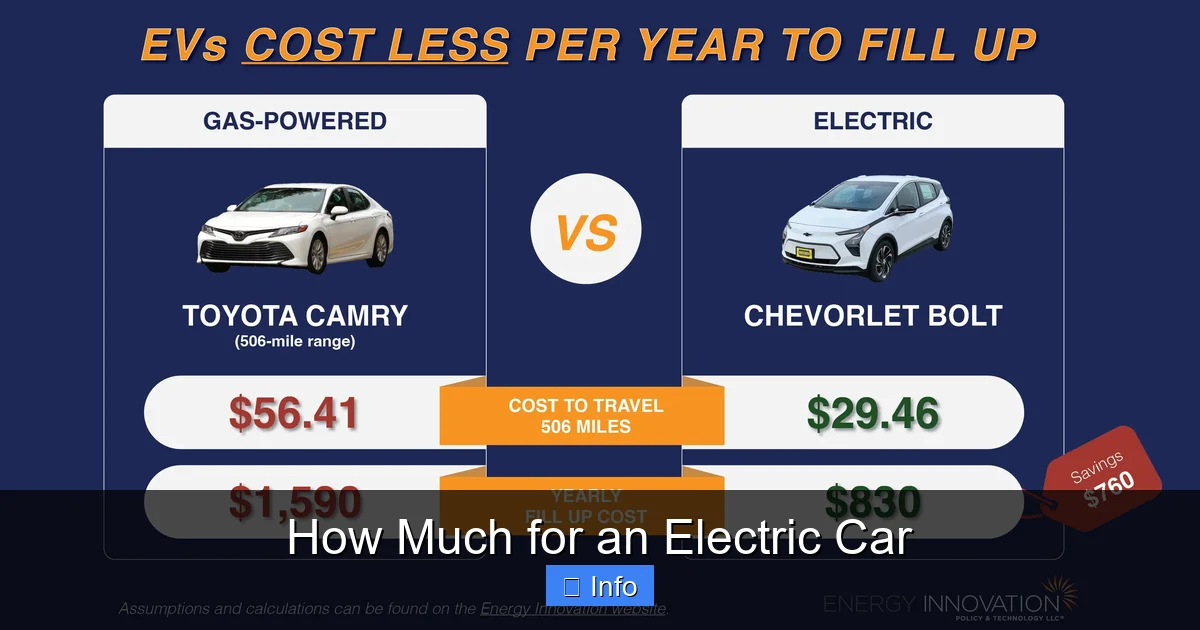
The sticker price is not the only thing that determines how much for an electric car. Several technical and optional factors can push the price up or down.
Visual guide about How Much for an Electric Car
Image source: energyinnovation.org
Battery Capacity and Range
The battery is the most expensive part of an electric car. A car that can go 400 miles on one charge will always cost more than one that only goes 200 miles. If you do a lot of long-distance road trips, you might be willing to pay a premium for a larger battery. However, if you only drive 30 miles a day, a smaller, cheaper battery is more than enough.
Software and Tech Packages
Modern EVs are like smartphones on wheels. Many manufacturers offer “software packages” that add features like advanced autopilot, premium sound systems, or upgraded infotainment screens. These can add anywhere from $2,000 to $10,000 to the final price. When shopping, decide which features are “must-haves” and which are just “nice-to-haves” to keep your costs down.
Charging Infrastructure Needs
While the car itself is one cost, you also have to think about how you will power it. Most EVs come with a basic cable for a standard wall outlet, but that is very slow. To charge your car overnight, you will likely want a Level 2 home charger. Installing one can cost between $500 and $2,000 depending on your home’s electrical setup. It is a one-time cost, but it is something to budget for.
New vs. Used: Which is the Better Deal?
One of the best ways to lower the answer to “how much for an electric car” is to look at the used market. EVs depreciate differently than gas cars, which can create some amazing deals for savvy buyers.
The Pros and Cons of Buying New
Buying new means you get the latest battery technology and a full manufacturer’s warranty. You also have the best chance of qualifying for federal tax credits, which can knock thousands of dollars off the price. The downside, of course, is the immediate depreciation the moment you drive off the lot.
The Appeal of Pre-Owned EVs
Used EVs are becoming much more common. You can often find a 3-year-old EV for 40% to 60% of its original price. The biggest concern for used buyers is usually battery degradation. However, most modern batteries are built to last hundreds of thousands of miles. If you check the battery health report, a used EV can be an incredible value.
If you are unsure about the value of your current vehicle to put toward a new EV, you might wonder how much can I trade my car in for to help lower your monthly payments.
Hidden Savings: The Total Cost of Ownership
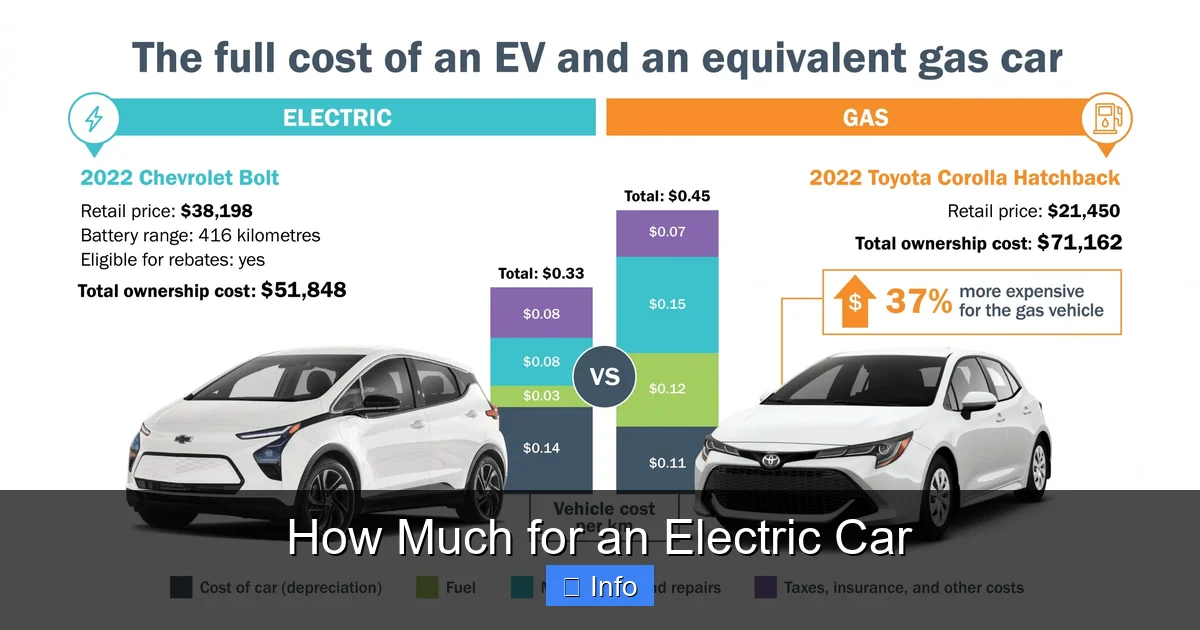
To truly understand how much for an electric car, you have to look beyond the purchase price. The “Total Cost of Ownership” (TCO) is where EVs really shine compared to internal combustion engines.
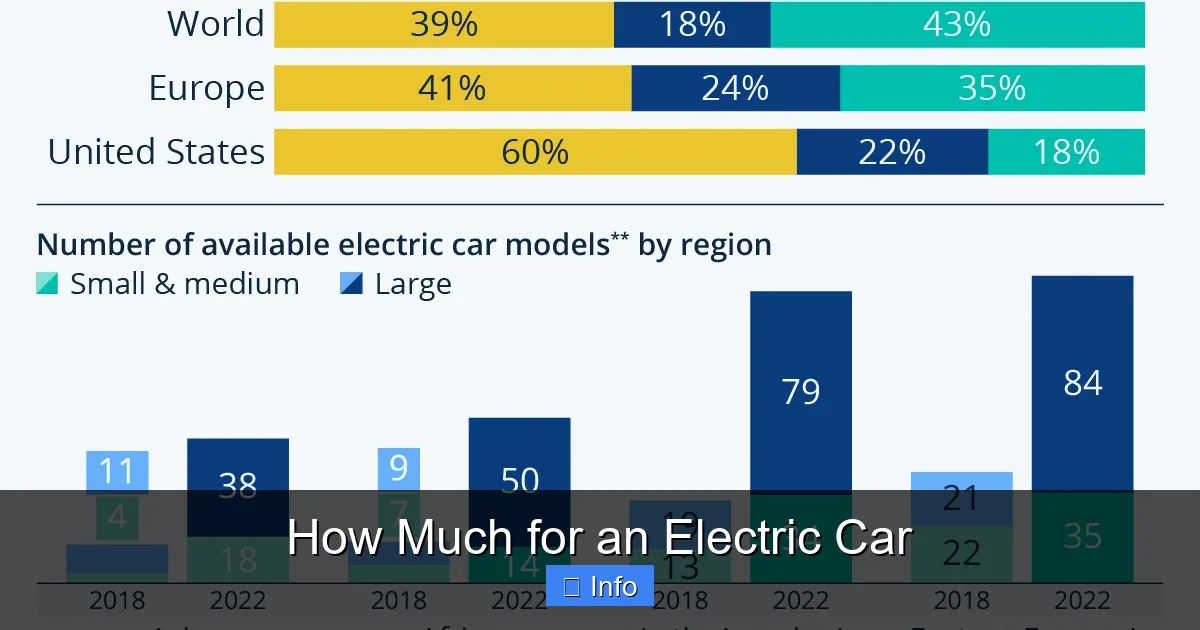
Visual guide about How Much for an Electric Car
Image source: cdn.statcdn.com
Fuel Savings
Electricity is almost always cheaper than gasoline. Depending on where you live, charging your car at home can cost a fraction of what you would spend at the pump. Over five years, these savings can add up to thousands of dollars. For many, the monthly fuel savings essentially “pay” for a portion of the car’s monthly loan payment.
Reduced Maintenance Costs
Think about everything a gas car needs: oil changes, spark plugs, timing belts, and muffler repairs. An EV has none of that. There are far fewer moving parts. Your main maintenance tasks will be replacing tires, windshield wiper fluid, and the occasional cabin air filter. You will never have to ask how much does an oil change cost ever again, which is a huge relief for your wallet.
Insurance and Registration
Insurance for EVs can be slightly higher because they are more expensive to repair after an accident. However, some insurance companies offer “green discounts” for EV owners. It is always a good idea to get an insurance quote before you buy to see how it fits into your monthly budget.
How to Lower the Price: Incentives and Credits
You might be surprised to find that the price you see on the window isn’t what you actually pay. There are several ways to bring the cost down.
Federal Tax Credits
In many regions, governments offer tax credits to encourage EV adoption. In the US, for example, certain new EVs qualify for a credit of up to $7,500. Some used EVs also qualify for a smaller credit. These credits are applied to your taxes, effectively lowering the total cost of the car.
State and Local Rebates
Beyond federal credits, many states and cities offer their own incentives. Some give you a direct rebate check, while others offer perks like free parking or access to HOV lanes. Always check your local government’s website to see what you are eligible for.
Leasing as an Alternative
Leasing an EV is a great way to avoid the risk of battery degradation and rapid technology changes. Since EV tech is moving so fast, a car bought today might feel outdated in three years. Leasing allows you to drive a new car for a lower monthly payment and simply trade it in for the newest model every few years.
Choosing the Right EV for Your Budget
Now that you know the price ranges, how do you choose? The answer depends on your lifestyle. Here are a few practical examples to help you decide.
The City Dweller
If you live in an apartment and drive mostly in the city, look for a compact EV in the $25,000 – $35,000 range. You don’t need a massive battery, and a smaller car is easier to park. If you don’t have a home charger, look for a model with fast-charging capabilities so you can top up at a public station quickly.
The Suburban Family
For families, a mid-range EV SUV ($40,000 – $60,000) is usually the sweet spot. You get enough room for the kids and groceries, and a range of 250+ miles means you only have to charge once or twice a week. Look for models with a “heat pump” to ensure the battery stays efficient during winter months.
The Tech Enthusiast
If you love the latest gadgets and have a higher budget, a luxury EV ($70,000+) is the way to go. You get the best materials and the most advanced software. If you are investing this much, it is worth researching the best electric car batteries for performance and longevity to ensure your investment lasts for a decade or more.
Conclusion
When you ask “how much for an electric car,” the answer is: it depends on what you need. You can get into a basic EV for around $25,000, or you can splurge on a luxury powerhouse for over $100,000. While the initial price tag can be intimidating, the long-term savings on fuel and maintenance make them incredibly attractive.
The key is to look at the “big picture.” Factor in the tax credits, the lower cost of electricity, and the lack of engine maintenance. When you do that, the gap between the price of a gas car and an electric car shrinks significantly. Whether you buy new or go used, switching to an EV is not just a win for the environment—it can be a win for your bank account too.
Start by defining your daily mileage, checking your local incentives, and testing a few different models. Once you find the right fit, you will see that the transition to electric is much more affordable than you might have thought.
Frequently Asked Questions
Is an electric car more expensive than a gas car?
Upfront, yes, EVs usually have a higher purchase price. However, when you include tax credits and the massive savings on fuel and maintenance, the total cost over the life of the car is often lower than a gas vehicle.
Can I get a tax credit for a used electric car?
Yes, in many cases you can. Certain used EVs meet specific price and age requirements to qualify for a federal tax credit, making them a very affordable way to enter the EV market.
How much does it cost to charge an electric car at home?
It varies by your local electricity rates, but it is generally much cheaper than gas. On average, charging at home costs about one-third to one-half of what you would spend on gasoline for the same distance.
Do electric cars lose their value faster than gas cars?
Historically, some EVs depreciated faster due to rapid tech changes. However, as battery technology stabilizes and demand increases, the resale value of popular EV models is becoming more competitive.
How long do electric car batteries last?
Most EV batteries are designed to last 10 to 15 years or more. Most manufacturers provide a warranty for 8 years or 100,000 miles to give buyers peace of mind regarding battery health.
Do I need a special charger to own an EV?
You can use a standard wall outlet, but it is very slow. Most owners install a Level 2 charger (240V) in their garage, which allows the car to fully charge overnight. This usually costs between $500 and $2,000 to install.