How Long Does It Take to Learn Driving a Car
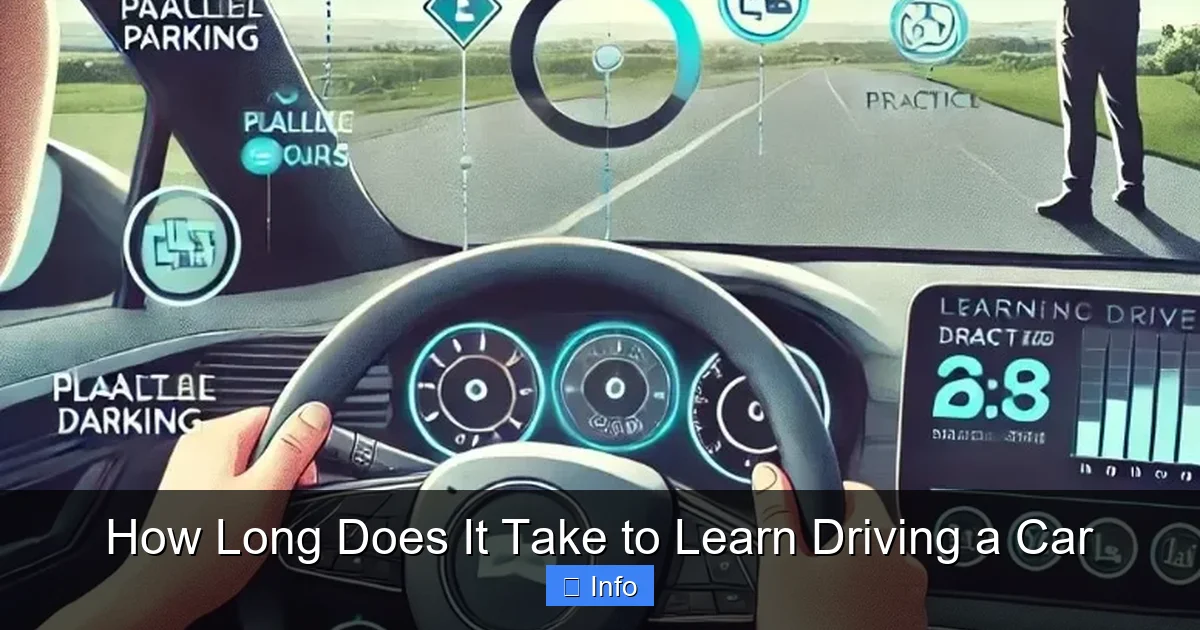
Learning to drive a car can take anywhere from a few weeks to several months, depending on lesson frequency, personal practice, and the type of license you pursue. This guide breaks down the timeline, key milestones, and practical tips to accelerate your progress behind the wheel.
Key Takeaways
- Typical timeline: Most learners need 30‑50 hours of behind‑the‑wheel practice plus classroom time, translating to 2‑4 months.
- Lesson frequency matters: Daily or every‑other‑day lessons shorten the road to independence faster than weekly sessions.
- Consistent practice is essential: Regular driving between lessons reinforces muscle memory and confidence.
- Cost impacts speed: Budgeting for extra lessons or a vehicle can affect how quickly you progress.
- Passing the test: Preparing with mock exams and targeted drills improves your chance of success on the first attempt.
- Ongoing maintenance: Understanding basic car care, like oil changes (see how much oil does a Toyota Tacoma take), keeps your vehicle reliable.
- Financing considerations: If you need a car to practice, explore options such as how much does it cost to refinance a car to manage upfront costs.
Key Takeaways
- Understanding how long does it take to learn driving a car: Provides essential knowledge
📑 Table of Contents
Introduction
If you’ve ever wondered “how long does it take to learn driving a car?” you’re not alone. Many new drivers feel a mix of excitement and anxiety when they first sit behind the steering wheel. The answer isn’t a single number; it depends on several factors that we’ll explore in this guide.
Whether you’re a teenager eager to get a permit, an adult seeking a career change, or someone returning to driving after years away, understanding the timeline helps you plan better, budget appropriately, and set realistic expectations. Let’s break down the journey from first lesson to confident driver.
How Long Does It Take? A Realistic Overview
Typical Time Frames
Most driver education programs recommend a minimum of 30‑50 hours of behind‑the‑wheel practice, plus classroom or online instruction. When you break this down:
Visual guide about How Long Does It Take to Learn Driving a Car
Image source: thewiserdriver.com
- Initial classroom or online theory: 6‑10 hours.
- Scheduled behind‑the‑wheel lessons: 20‑30 hours with a certified instructor.
- Self‑practice driving: 10‑20 hours between lessons to reinforce skills.
If you take two lessons per week, you’ll likely need 2‑3 months to reach test‑ready proficiency. Daily practice can shave that time down to 6‑8 weeks, while sporadic sessions may extend the process to 6 months or more.
Comparing Learning Paths
There are three common paths people take:
- Traditional in‑person driver’s ed: Structured classes, often required for a learner’s permit. This usually adds a few weeks to the timeline.
- Private instructor courses: More flexible scheduling, which can accelerate learning if you have consistent availability.
- Online theory combined with self‑practice: Saves time on classroom hours but demands disciplined self‑study and frequent driving practice.
Choosing the right path depends on your schedule, budget, and learning style, but each can affect the overall “how long does it take to learn driving a car” answer.
Factors That Influence Learning Time
Lesson Frequency and Consistency
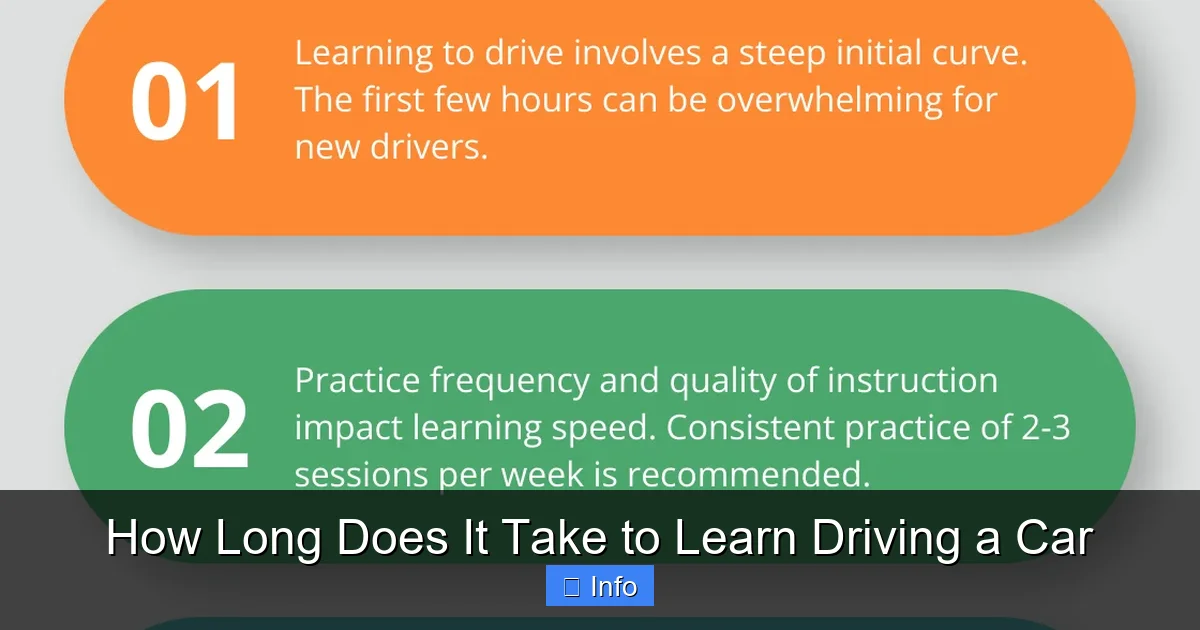
Driving skills are like any other skill—regular practice keeps them fresh. Learners who drive daily, even for short trips, tend to master controls faster than those who only practice during scheduled lessons. Aim for at least 2‑3 hours of practice between each lesson to see noticeable progress.
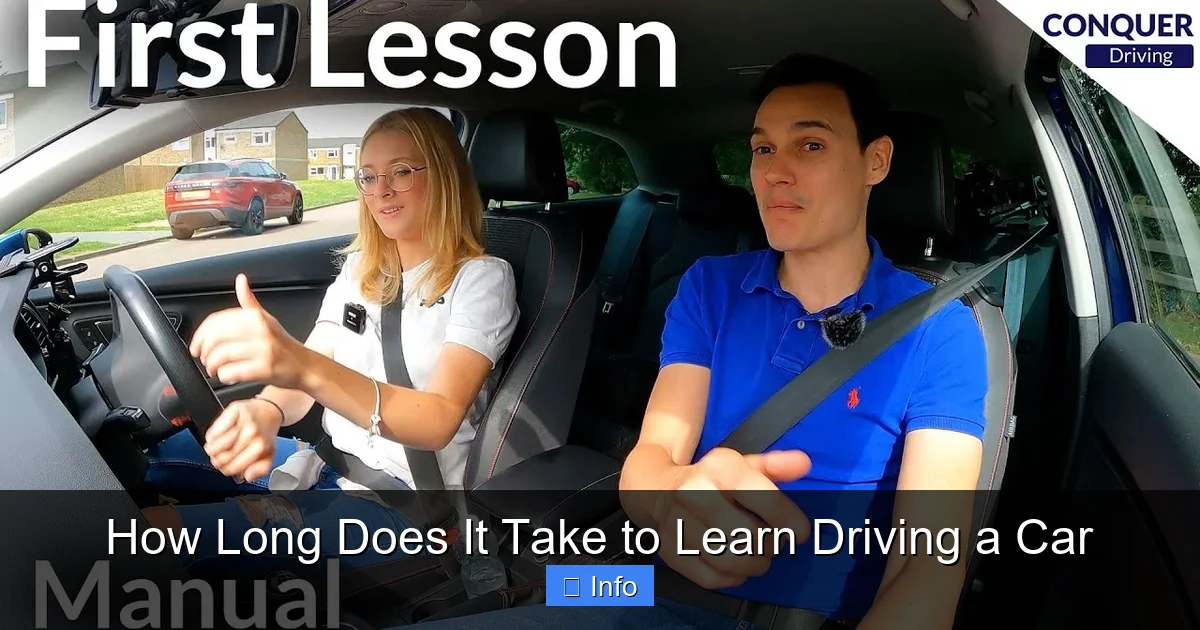
Visual guide about How Long Does It Take to Learn Driving a Car
Image source: i.ytimg.com
Instructor Quality and Teaching Style
A knowledgeable, patient instructor can identify bad habits early and tailor lessons to your needs. Look for certified teachers with good reviews, and don’t hesitate to switch if you feel stuck. The right guidance can cut weeks off your learning curve.
Student’s Prior Experience
If you already ride a motorcycle, ride a bicycle, or have extensive experience with manual transmission, you’ll likely pick up car controls more quickly. Conversely, first‑time drivers with no prior vehicle exposure may need extra time to develop coordination.
Vehicle Type and Condition
The car you learn in matters. Automatic transmissions are generally easier for beginners, while manual cars add clutch control to the learning curve. Additionally, a well‑maintained vehicle (proper oil levels, clean brakes, etc.) reduces the chance of unexpected stalls that can frustrate a learner.
Test Scheduling and Availability
State or provincial licensing agencies often have limited test slots. Booking your road test as soon as you feel prepared can prevent unnecessary delays. Some regions allow you to schedule the test months in advance, while others require waiting lists that add weeks.
The Step‑by‑Step Learning Process
Step 1: Obtain a Learner’s Permit
Most jurisdictions require you to pass a written knowledge test before you can drive with a supervising adult. Study the official driver handbook, take practice quizzes, and schedule the permit test as early as possible.
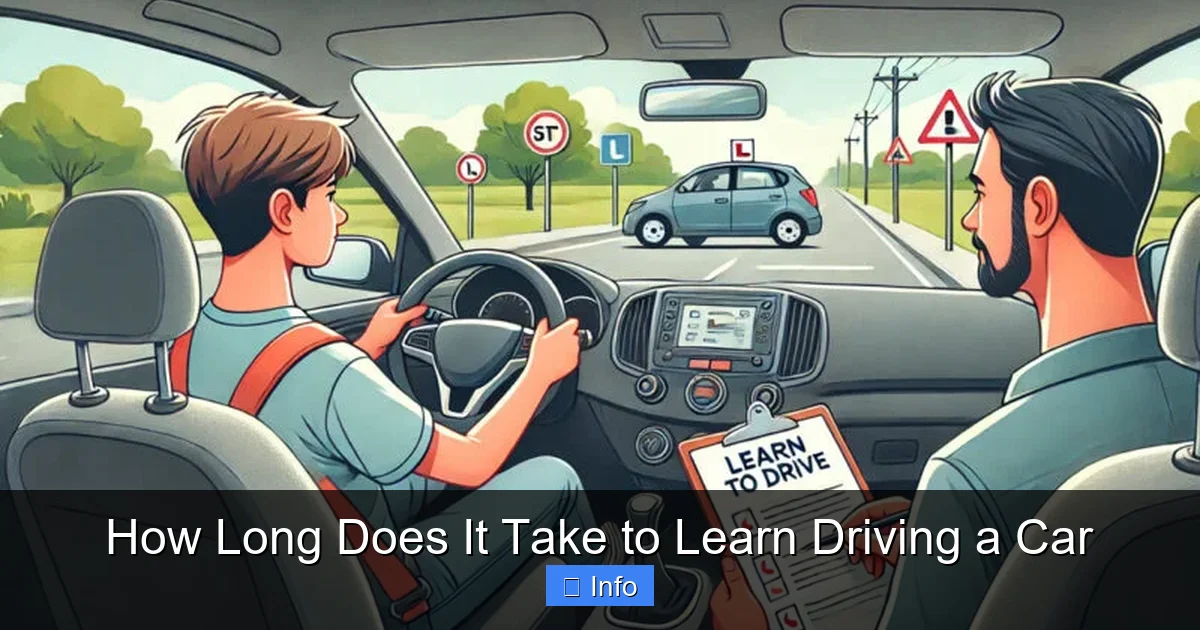
Visual guide about How Long Does It Take to Learn Driving a Car
Image source: carexamer.com
Step 2: Classroom or Online Theory
Even if you’re confident in your knowledge, formal instruction covers road signs, traffic laws, and safety practices that the written test expects. This step typically takes 6‑10 hours and can be completed in a weekend or over several evenings.
Step 3: Behind‑the‑Wheel Lessons
Begin with basic vehicle controls—starting, stopping, turning, and mirror adjustments. As you gain confidence, progress to lane changes, parking maneuvers, and highway merging. A structured curriculum usually follows this sequence:
- Day 1‑2: Controls and low‑speed maneuvers.
- Day 3‑5: Intersection handling and basic traffic rules.
- Day 6‑10: Parking (parallel, angle, and perpendicular).
- Day 11‑15: Highway driving and defensive techniques.
Step 4: Independent Practice
After each lesson, spend time driving on your own. Practice in different conditions—rain, night, and heavy traffic—to build versatility. Keeping a driving log helps you track hours and identify areas needing improvement.
Step 5: Mock Tests and Final Preparation
Before the official road test, schedule a mock exam with your instructor or a trusted friend. Focus on common test obstacles such as parallel parking, hill starts, and proper signaling. Review any mistakes and rehearse until they feel automatic.
Cost vs. Time: Budgeting for Your Driving Journey
Learning to drive isn’t just a time investment; it also involves financial outlay. Typical costs include:
- Driver’s ed course fees: $50‑$200.
- Instructor rates: $30‑$60 per hour, depending on location.
- Permit and road test fees: $20‑$50 each.
- Vehicle expenses: insurance, registration, and maintenance (e.g., how much oil does a Toyota Tacoma take for regular upkeep).
If you need a car to practice, consider financing options. For example, how much does it cost to refinance a car can lower your monthly payment, freeing up cash for lessons. Additionally, regular maintenance—like checking oil levels—prevents costly breakdowns that could set back your learning timeline.
Tips to Accelerate Your Learning
- Schedule regular lessons: Consistency beats intensity. Two‑to‑three sessions per week keep skills fresh.
- Practice between lessons: Even 30 minutes of solo driving daily makes a big difference.
- Record your lessons: Video review helps you spot mistakes you can’t see while driving.
- Study the rules: Knowing signage and right‑of‑way rules reduces trial‑and‑error on the road.
- Stay calm and focused: Stress can impair judgment; take deep breaths and concentrate on one task at a time.
Conclusion
So, how long does it take to learn driving a car? The answer ranges from a few weeks to several months, depending on lesson frequency, personal practice, and external factors like test availability. By committing to regular lessons, practicing consistently, and managing costs wisely, you can shorten that timeline and achieve confidence behind the wheel faster.
Remember, driving is a skill that improves with experience. Even after you pass the test, continued practice and attention to vehicle maintenance—such as checking oil levels (see how much oil does a Toyota Tacoma take)—will keep you safe and prepared for years to come. Happy driving!
FAQs
Question? How many hours of practice do I need before I can take the road test?
Most licensing authorities require at least 30‑50 hours of behind‑the‑wheel practice, including a mix of instructor‑led lessons and independent driving. The exact number varies by state or province.
Question? Can I learn to drive quickly if I practice every day?
Yes. Daily practice, even for short periods, helps reinforce muscle memory and can reduce the total learning time to as little as 6‑8 weeks for motivated learners.
Question? Do I need a separate car for practice, or can I use my family vehicle?
You can use any reliable vehicle that meets safety standards. Just ensure it’s properly maintained—regular checks like oil levels (see how much oil does a Toyota Tacoma take) keep the car dependable for learning.
Question? How much does it cost to learn driving a car?
The total cost typically ranges from $200 to $800, covering instructor fees, permit and test fees, and any necessary vehicle expenses. Financing options such as how much does it cost to refinance a car can help manage upfront costs.
Question? What are the biggest challenges new drivers face?
Common challenges include mastering parallel parking, judging distances in traffic, and staying calm during the road test. Consistent practice and targeted drills can overcome these hurdles.
Question? How long does a Toyota service take and when should I schedule it?
Typical Toyota service appointments last 1‑2 hours for routine maintenance like oil changes. Scheduling service after you’ve logged sufficient practice hours ensures your vehicle stays in top condition for ongoing driving confidence.
Frequently Asked Questions
What is how long does it take to learn driving a car?
how long does it take to learn driving a car is an important topic with many practical applications.