Car Aux Cable
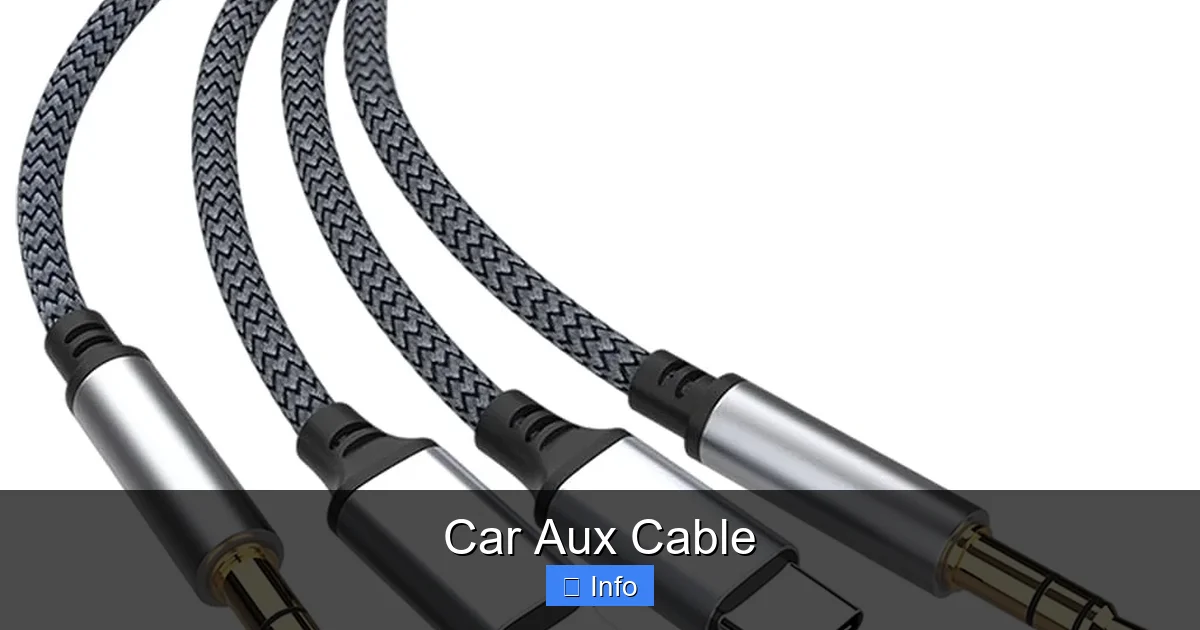
Car Aux Cable is the simple solution to pump your music into your vehicle, offering clear sound and hands‑free convenience. This guide breaks down the different types, how to pick the perfect one, and tips for installation and upkeep, so you can enjoy premium audio on every drive without hassle.
Key Takeaways
- Point 1: A Car Aux Cable bridges your phone and car stereo for instant audio streaming.
- Point 2: Choose the right type (standard, Apple‑specific, audio‑optimized, USB‑to‑Aux) based on your device and car.
- Point 3: Look for gold‑plated connectors, reinforced jackets, and proper length for reliability.
- Point 4: Follow simple installation steps and avoid pulling or forcing the plug.
- Point 5: Regularly clean connectors and store the cable loosely to extend its lifespan.
- Point 6: Buy from reputable sources that list compatibility, build quality, and return policies.
- Point 7: Upgrading to a higher‑quality Car Aux Cable can dramatically improve sound clarity and durability.
📑 Table of Contents
What Is a Car Aux Cable and Why It Matters
A Car Aux Cable is the unsung hero that lets you stream music, podcasts, or navigation prompts from your phone straight into your vehicle’s sound system. Without it, many older cars would remain stuck in silence, forcing drivers to rely on FM radio or built‑in media that may not match personal preferences. In this section we’ll explore the basics of a Car Aux Cable, how it works, and why it has become a must‑have accessory for every driver who values high‑quality audio on the road.
Think of a Car Aux Cable as a simple bridge between your portable devices and your car’s audio input. Whether you have an older stereo that only offers a 3.5mm jack or a newer head unit with multiple connection options, a Car Aux Cable can fill the gap. It’s a small piece of hardware, but its impact on your driving experience can be huge.
The Technical Side of a Car Aux Cable
A typical Car Aux Cable consists of a male 3.5mm stereo plug on one end and a matching connector on the other that plugs into your car’s auxiliary input. The cable transmits analog audio signals, which means it can carry left and right channels for true stereo sound. Because it uses analog transmission, the quality depends heavily on the cable’s construction and shielding.
Modern Car Aux Cables often include additional features such as reinforced jackets, gold‑plated connectors, and even built‑in microphones for hands‑free calls. These enhancements help reduce signal loss, prevent tangling, and improve durability — key factors for anyone who spends a lot of time commuting. A high‑quality Car Aux Cable can make a noticeable difference in sound clarity, especially in noisy environments.
Types of Car Aux Cable: Finding the Right Fit
Not all Car Aux Cables are created equal. Depending on your device, your car’s head unit, and your personal preferences, you might need a specific type of cable. Understanding the differences will help you avoid the frustration of an incompatible connection.
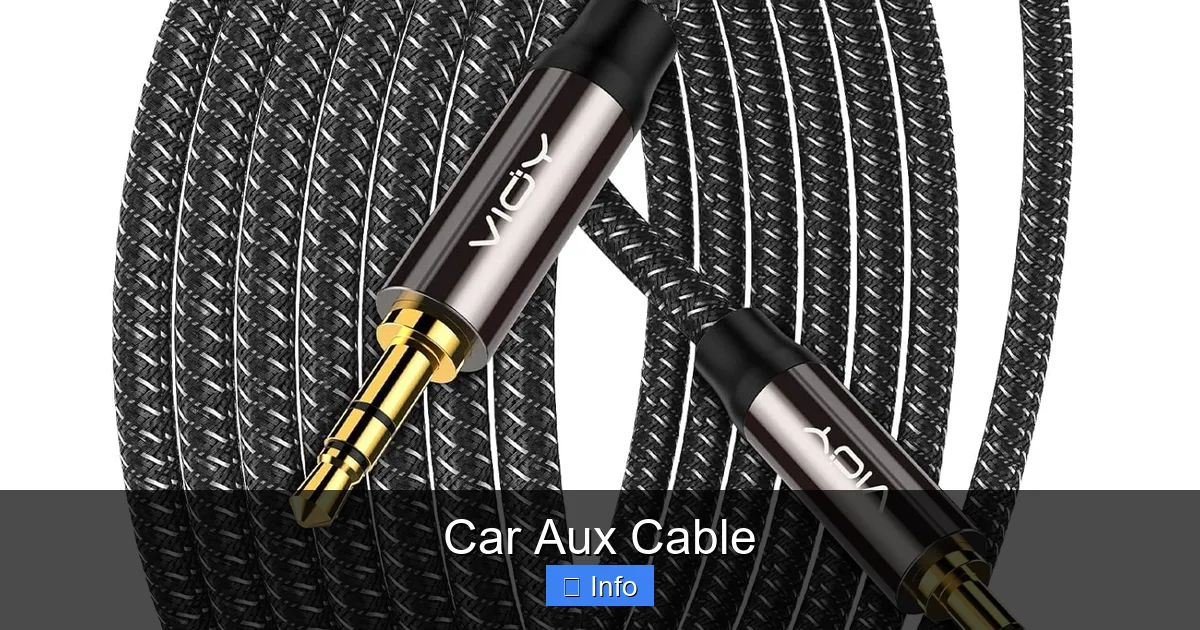
Visual guide about Car Aux Cable
Image source: m.media-amazon.com
Standard 3.5mm Aux Cable
The most common Car Aux Cable is the standard 3.5mm aux cable. It features a 3.5mm male plug on one end that plugs into your phone or MP3 player, and a matching female jack on the other end that connects to your car’s auxiliary port. This type of cable is widely available and works with the majority of older and many newer car stereos.
If you’re looking for a reliable, no‑frills option, the standard 3.5mm aux cable is often the best choice. It’s inexpensive, easy to replace, and compatible with almost every device that has a headphone jack. For a deeper dive into the differences, see our article on the 35Mm Aux Cable.
Apple‑Specific Aux Cable
Apple devices have used a proprietary 30‑pin dock connector for many years, which means you may need a special Apple Aux Cable to connect older iPhones or iPods. While newer iPhones have moved to the standard 3.5mm jack, the Apple Aux Cable remains useful for legacy hardware.
If you own an Apple device, you might want to check out our guide on the Apple Aux Cable. This cable often includes a right‑angle design to keep the plug out of the way while driving.
Audio‑Optimized Aux Cable
If you’re an audiophile who demands high‑fidelity sound, an Audio Optimized Aux Cable might be worth the extra investment. These cables are built with higher‑grade materials, better shielding, and sometimes even oxygen‑free copper to minimize interference.
For a deeper look at what makes an Audio Optimized Aux Cable stand out, check out our article on the Audio Aux Cable. You’ll discover how double‑shielded cores and gold‑plated plugs can eliminate static and deliver richer bass.
USB‑to‑Aux Cable
Some modern cars come with a USB port that can also handle audio input. A USB‑to‑Aux Cable allows you to connect a device via USB while still using the car’s auxiliary system. This can be handy if your car lacks a dedicated 3.5mm jack but offers a USB port.
Need a cable that can also charge? Look at the USB To Aux Cable. It combines power delivery with audio transmission, so you can keep your phone charged while streaming music.
How to Choose the Best Car Aux Cable for Your Car
With so many options on the market, picking the right Car Aux Cable can feel overwhelming. Here are the key factors to consider, from length and durability to sound quality and additional features.
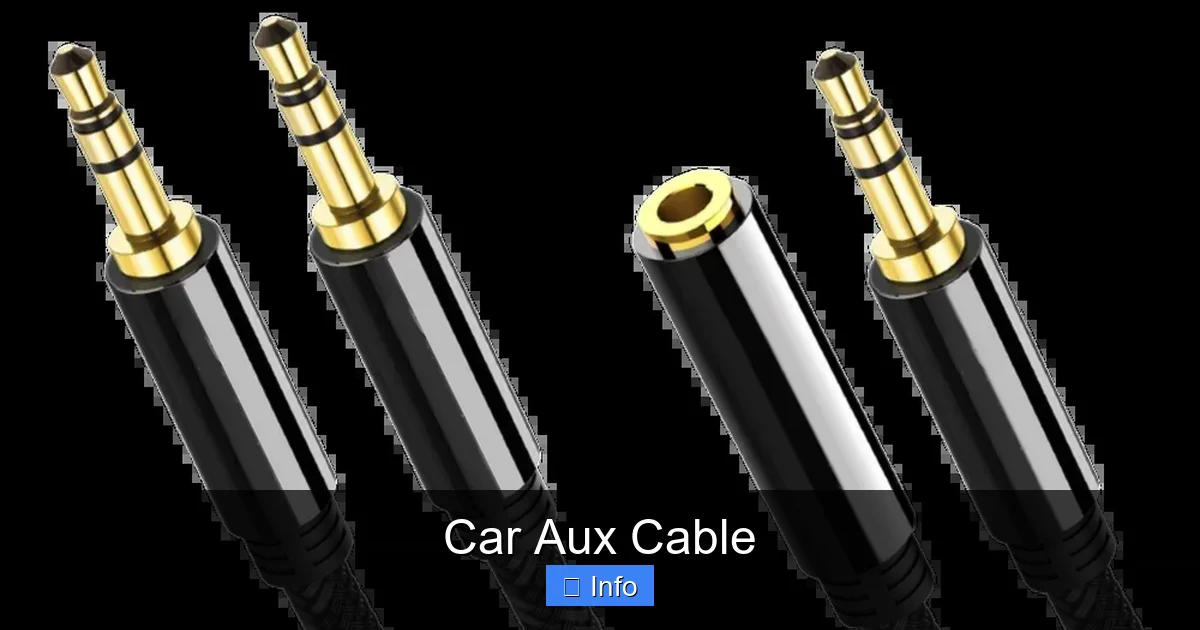
Visual guide about Car Aux Cable
Image source: 5.imimg.com
Length Matters
The length of your Car Aux Cable should match the distance between your device and the car’s auxiliary input. Too short, and you’ll be tugging at the cable; too long, and you might end up with excess slack that can become a tripping hazard.
Most drivers find a 3‑to‑6‑foot cable to be the sweet spot. It provides enough flexibility without creating a mess on the floor mat. If you have a larger vehicle, you might need a longer Car Aux Cable to reach from the back seat to the front console.
Connector Quality
A sturdy connector is essential for a reliable connection. Look for cables with gold‑plated plugs, reinforced strain relief, and a solid housing. These features help prevent fraying and maintain a stable signal.
When shopping, read reviews that mention “tight fit” and “no static,” as these are signs of a high‑quality connector. A well‑built Car Aux Cable will stay snug in the port even when you adjust the seat or move around.
Sound Quality and Shielding
Even though the audio signal is analog, the cable’s ability to shield against electromagnetic interference can affect sound clarity. Cables with double‑shielded cores tend to deliver cleaner sound, especially in noisy environments like busy streets.
If you notice static or dropouts, it may be time to upgrade to a better‑shielded Car Aux Cable. Investing in a cable with high‑grade copper can dramatically improve your listening experience.
Additional Features
Some Car Aux Cables come with built‑in microphones, allowing you to take calls hands‑free. Others include inline controls for volume and playback. While these extras can be convenient, they also add complexity and potential points of failure.
Decide which features are most important to you before making a purchase. If you frequently answer calls while driving, a Car Aux Cable with a microphone is a smart choice.
Installation Tips and Common Mistakes
Even the best Car Aux Cable won’t help you if it’s not installed correctly. Follow these simple steps to get the most out of your connection, and avoid the pitfalls that can cause frustration.
Step‑by‑Step Installation
1. Locate the auxiliary input in your vehicle. It’s usually labeled “AUX” or has a headphone icon.
2. Plug the appropriate end of the Car Aux Cable into your device.
3. Insert the other end into the car’s auxiliary port, ensuring a firm connection.
4. Power on your device and select the “Aux” source on your car’s stereo.
5. Adjust the volume on both the device and the car stereo to avoid sudden loud bursts.
Avoiding Common Errors
One of the most frequent mistakes is forcing a connector into the wrong port. Always double‑check that you’re using the correct type of jack. Another error is using a cable that’s too short, which can strain the plug and cause intermittent sound.
Additionally, pulling on the cable while it’s plugged in can damage the connector. Instead, gently disconnect by holding the plug’s base. If you experience intermittent audio, try a different Car Aux Cable to rule out a faulty connection.
Maintenance and Care for Long‑Lasting Performance
Just like any other car accessory, a Car Aux Cable benefits from regular maintenance. Proper care can extend its lifespan and keep your audio experience consistently clear.
Cleaning the Connectors
Dust and debris can accumulate on the plugs, leading to poor contact. Use a soft, dry brush or compressed air to gently remove particles. Avoid using liquids, as they can corrode the contacts.
Regularly cleaning the connectors of your Car Aux Cable ensures a stable signal and prevents static. A quick wipe with a microfiber cloth can also help maintain a pristine connection.
Storing the Cable Properly
When not in use, coil the cable loosely and store it in a protective pouch. Avoid wrapping it tightly around sharp edges, which can weaken the internal wiring.
Some drivers keep their Car Aux Cable in the glove compartment or a dedicated organizer to prevent tangles. Proper storage also protects the cable from heat and sunlight, which can degrade the jacket over time.
When to Replace
If you notice persistent static, intermittent sound, or visible wear on the cable, it’s time for a replacement. Investing in a higher‑quality Car Aux Cable can save you money in the long run by reducing the need for frequent replacements.
Signs that your Car Aux Cable needs replacing include frayed insulation, loose plugs, or a noticeable drop in volume. Don’t wait until the cable fails completely; replace it proactively.
Where to Buy a Car Aux Cable and What to Look For
Now that you know what to look for, the next step is finding a reliable place to purchase your Car Aux Cable. With so many retailers online, it can be hard to know which sources offer genuine, high‑quality products.
Online Marketplaces
Major e‑commerce sites often carry a wide selection of Car Aux Cables, from budget options to premium models. However, be cautious of counterfeit products that may look identical but lack proper shielding.
Reading customer reviews can help you spot reputable sellers and avoid low‑quality cables that could damage your car’s audio system.
Specialty Automotive Stores
Physical stores that specialize in car accessories usually have knowledgeable staff who can recommend the best cable for your specific vehicle model. They may also carry cables with additional features like built‑in microphones.
If you prefer hands‑on advice, visit a local auto parts store and ask for a Car Aux Cable that matches your car’s auxiliary port.
Retail Chains
Big‑box retailers such as Walmart often stock basic Car Aux Cables at competitive prices. If you need a quick solution, a Walmart location can be a convenient option. Check out our guide on the Aux Cable Walmart for tips on finding the right model in store.
Key Checklist Before Purchasing
- Compatibility: Ensure the cable’s connectors match both your device and your car’s auxiliary port.
- Length: Choose a length that fits your setup without excess slack.
- Build Quality: Look for reinforced jackets, gold‑plated plugs, and good shielding.
- Additional Features: Decide if you need a built‑in mic or inline controls.
- Price vs. Value: Higher price doesn’t always guarantee better performance, but very cheap cables often cut corners on materials.
Final Thoughts
Choosing the right Car Aux Cable doesn’t have to be a daunting task. By understanding the different types, focusing on connector quality, and following proper installation and maintenance practices, you can enjoy crystal‑clear audio every time you hit the road. Whether you’re streaming your favorite playlist, taking hands‑free calls, or listening to podcasts, a reliable Car Aux Cable is the simplest way to upgrade your in‑car sound experience. Remember to keep an eye on compatibility, length, and build quality, and you’ll be well on your way to a richer, more enjoyable drive.
Frequently Asked Questions
What is a Car Aux Cable?
A Car Aux Cable is a simple audio cable that connects a device’s headphone jack to a car’s auxiliary input, allowing you to play music or other audio through the vehicle’s sound system.
Do all cars have an aux input?
Most cars manufactured after the early 2000s include an aux input, but some older models may only have a cassette deck or no audio input at all. If your car lacks an aux jack, you might need an adapter or a different connectivity solution.
Can I use a Car Aux Cable with a phone that has no headphone jack?
Yes. If your phone lacks a 3.5mm jack, you can use a USB‑to‑aux cable or a Bluetooth adapter that emulates an auxiliary signal. Many modern smartphones require a special adapter to output analog audio.
Is a longer Car Aux Cable better?
A longer cable can give you more flexibility, but too much length may cause excess slack and signal degradation. Most drivers find a 3‑to‑6 foot Car Aux Cable to be the optimal length for most vehicles.
How do I prevent static when using a Car Aux Cable?
Static is often caused by poor shielding or a loose connection. Use a high‑quality Car Aux Cable with double shielding, ensure the plug is fully inserted, and keep the connectors clean.
Where can I buy a reliable Car Aux Cable?
Reliable Car Aux Cables are available at auto parts stores, big‑box retailers like Walmart, and reputable online marketplaces. Look for cables with gold‑plated connectors and positive customer reviews to ensure durability and sound quality.