Can You Put Fuel Injector Cleaner in Half Tank
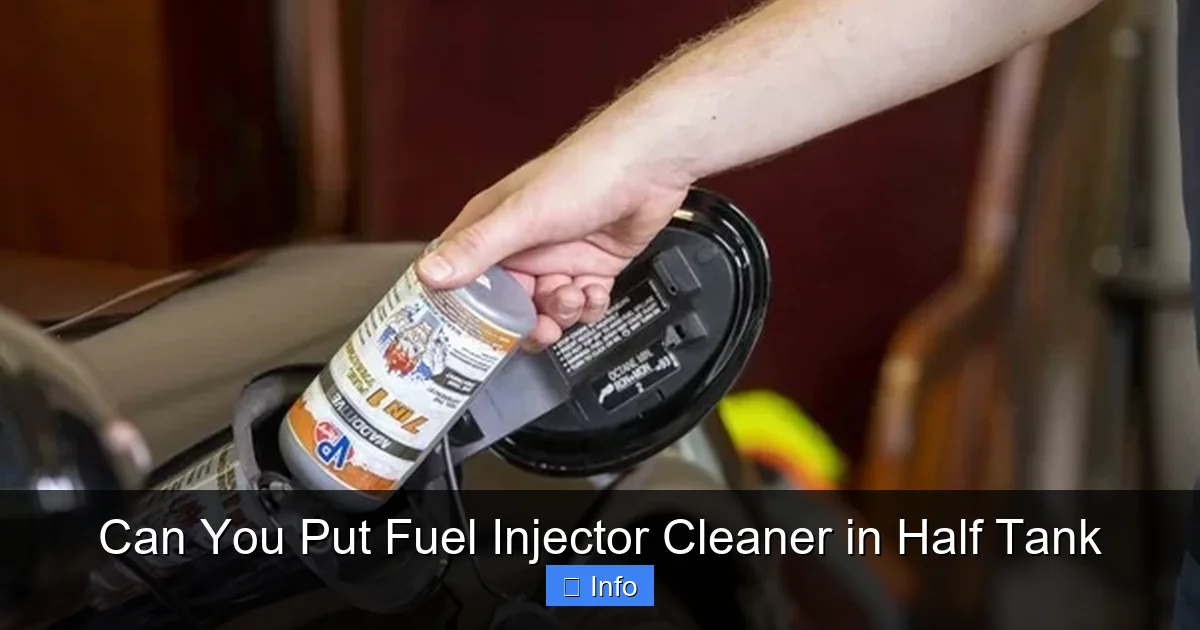
Yes, you can add fuel injector cleaner to a half tank, but the effectiveness depends on your fuel level and the product instructions. Adding cleaner when the tank is half full ensures proper dilution as you fill up, maximizing cleaning action without risking engine damage. Always check your vehicle manual and cleaner label for specific guidelines.
Many car owners wonder about fuel additives. You might have a half tank of gas. You also have a bottle of cleaner. Can you mix them? The short answer is yes. But there are details you should know. Using fuel injector cleaner correctly matters. It protects your engine. It keeps your car running smooth. This guide explains everything. You will learn when to add cleaner. You will learn what happens if you do it wrong. Let us dive in.
Fuel injector cleaners are popular products. They promise better performance. They promise improved mileage. But many drivers use them wrong. They add too much. They add at wrong times. They pick the wrong formula. This causes problems. Understanding the basics helps. You avoid costly mistakes. You get the most from each bottle.
Modern engines are precision machines. They require clean fuel delivery. Injectors spray tiny droplets. These droplets mix with air. Combustion happens instantly. Dirty injectors spray large droplets. This causes incomplete burning. Carbon deposits form quickly. Performance drops over time. You notice sluggish response. The engine feels tired. Cleaning restores factory settings. It brings back power.
Key Takeaways
- Half tank is acceptable: Most cleaners work fine at half tank but full tank dilution is often better
- Check the label: Always read product instructions for dosage and tank level requirements
- Drive after adding: Take a 15-20 minute drive to circulate the cleaner through the system
- Don’t overuse: Excess cleaner can damage O-rings and sensors
- Frequency matters: Use cleaner every 3,000-5,000 miles or as needed
- Vehicle-specific matters: Some vehicles need specific formulations
📑 Table of Contents
Understanding Fuel Injector Cleaners
What they do
Fuel injector cleaners dissolve deposits. These deposits build up over time. Carbon sticks to injectors. Fuel varnish accumulates. The cleaner breaks these down. It flows through the fuel system. It cleans the injectors. It also cleans fuel rails and valves. Clean injectors spray fuel properly. Proper spray means better combustion. Better combustion means more power. It also means better fuel economy.
Dirty injectors spray unevenly. Some cylinders get too much fuel. Others get too little. This imbalance hurts performance. The engine runs rough. Misfires occur frequently. Fuel economy drops sharply. Emissions increase too. The catalytic converter works harder. It wears out faster. Regular cleaning prevents these issues. It extends engine life significantly.
Clean fuel injectors save money. You fill up less often. The engine runs efficiently. Power stays consistent. Acceleration feels instant. Highway cruising becomes easy. City driving improves too. Stop light response gets better. The engine stays cool. Proper fuel atomization prevents knocking. This protects pistons and valves.
Types of cleaners
Not all cleaners are the same. Some use polyetheramine (PEA). Others use polyisobutylene (PIB). PEA works on intake valves. PIB focuses on injectors. Top tier gas already has cleaners. But extra cleaning helps. You choose based on your engine type. Gas engines need different formulas than diesel. Always match the cleaner to your fuel type.
Premium cleaners cost more. They contain higher concentrations. They work faster. Budget cleaners still help. They just need more frequent use. Read the active ingredients. Look for PEA based formulas. They are the gold standard. Avoid products with alcohol. Alcohol can damage rubber components. It evaporates too quickly. It leaves residue behind.
Some cleaners claim to fix everything. They promise to clean fuel pumps. They claim to fix oxygen sensors. These claims are exaggerated. Cleaners target injectors primarily. They help with carbon buildup. They do not repair mechanical failures. Manage expectations carefully. Use cleaner for prevention. Use mechanics for repairs.
Can You Add Cleaner to a Half Tank?
Visual guide about Can You Put Fuel Injector Cleaner in Half Tank
Image source: drivermoola.com
The science behind dilution
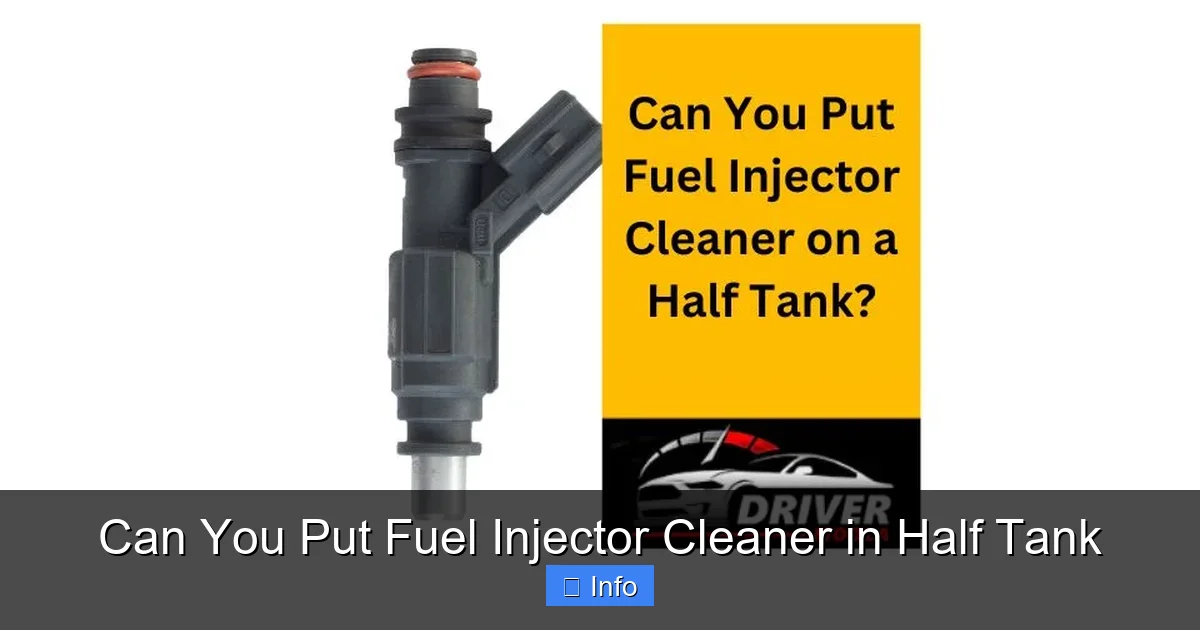
Cleaners need fuel to work. They mix with gasoline. The mixture travels to the engine. A half tank provides enough fuel. But full tanks dilute better. The cleaner spreads evenly. It coats all components. Half tanks work in a pinch. But full tanks give best results. The cleaner circulates properly. It does not concentrate in one spot.
Think of it like soup. You add seasoning to the pot. More broth spreads the flavor. Less broth makes it strong. Too strong tastes bad. Same with fuel cleaner. It needs enough fuel to dilute. Half tank is acceptable. But you should fill up soon. The fresh fuel mixes with cleaner. This creates the right ratio.
When half tank works
You can add cleaner at half tank. This is common practice. Many drivers top off after adding. The fresh fuel mixes with cleaner. This creates the right ratio. Check your product label. Some brands specify tank levels. They might say add before filling. Others say add to almost empty. Follow those instructions exactly.
Half tanks are fine for most vehicles. The cleaner reaches the pump. The pump sends it to injectors. It cleans as it flows. You drive normally afterward. The cleaning process begins. Most products need fifteen minutes of driving. This circulates the solution. It reaches all components.
If you worry about range, check how far can half a tank get you. This helps you plan your trip. You know when to refuel. You avoid running out. Running out causes engine damage. The pump overheats without fuel. Debris gets sucked in. This clogs the system. Keep at least quarter tank.
Some drivers add cleaner to empty tanks. This is risky. The cleaner sits in the pump. It does not dilute properly. It can damage the fuel pump. Always add to existing fuel. The gasoline carries the cleaner. It prevents concentrated exposure. Half tank is the sweet spot. It allows proper mixing. It ensures safe dilution.
Risks and Mistakes to Avoid
Visual guide about Can You Put Fuel Injector Cleaner in Half Tank
Image source: carfromjapan.com
Overdosing dangers
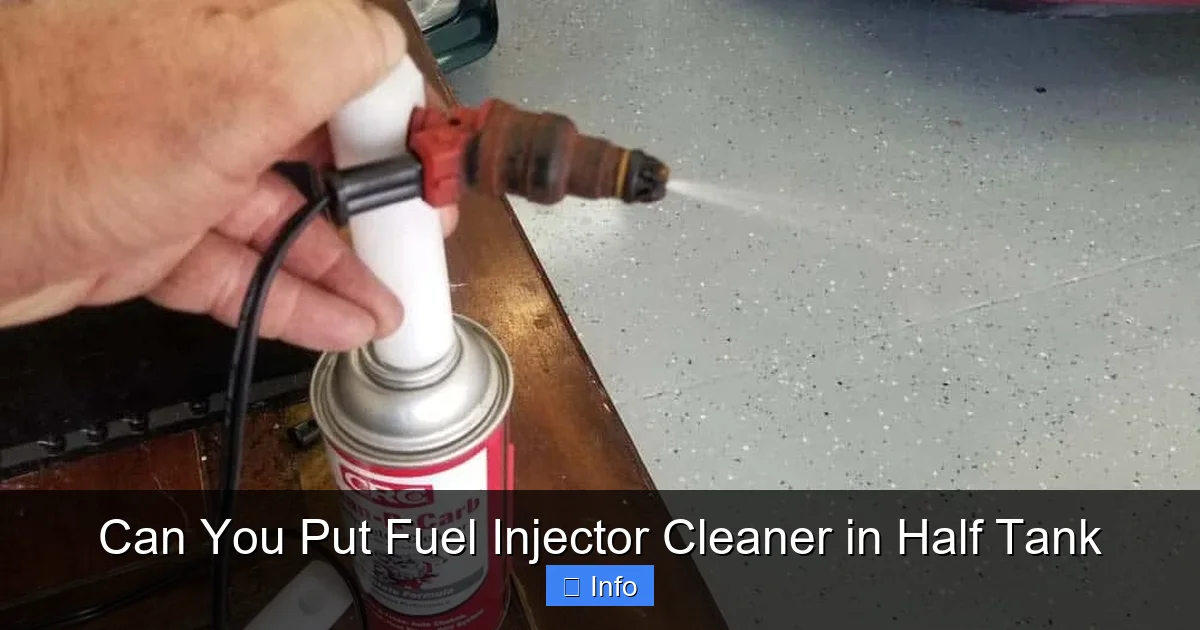
More cleaner does not mean better. Excess cleaner harms engine parts. It can swell O-rings. It damages fuel pump seals. Sensors get contaminated too. The engine control unit may flag errors. You waste money on extra bottles. Stick to the recommended dose. One bottle per tank is standard. Larger tanks might need two. But check the label first.
Overdosing causes rich fuel mixture. Too much cleaner alters combustion. It leaves oily residues. Carbon builds up faster. The engine runs poorly. You notice black smoke. Fuel smell becomes strong. Misfires return after cleaning. This reverses the benefits. Always measure carefully. Use the whole bottle. Do not split doses across tanks.
Symptoms of overdose include rough running. The engine shakes at idle. Acceleration feels sluggish. Fuel consumption spikes. You smell strong chemical odors. Stop driving if this happens. Add pure gasoline to dilute. Drive for thirty minutes. This flushes excess cleaner. If problems persist. Visit a mechanic immediately.
Wrong product selection
Using diesel cleaner in gas engine causes problems. Gas cleaner in diesel engine fails too. Always match the product. Read the back label. Look for certification labels. EPA registered products are safer. Cheap off-brand cleaners risk engine damage. Invest in quality brands. Your engine deserves protection.
Some cleaners contain harsh solvents. These clean aggressively. They remove heavy deposits. But they damage sensitive parts. Older vehicles need gentler formulas. Newer cars handle stronger cleaners. Check your vehicle year. Read the owner manual. It lists approved additives. Follow manufacturer recommendations. This prevents warranty issues.
Counterfeit products flood the market. They look like real brands. They have similar packaging. But they contain wrong chemicals. Buy from authorized dealers. Check hologram stickers. Verify batch numbers online. Fake cleaners cause engine damage. They cost more in repairs. Stick to trusted retailers.
How to Properly Use Fuel Injector Cleaner
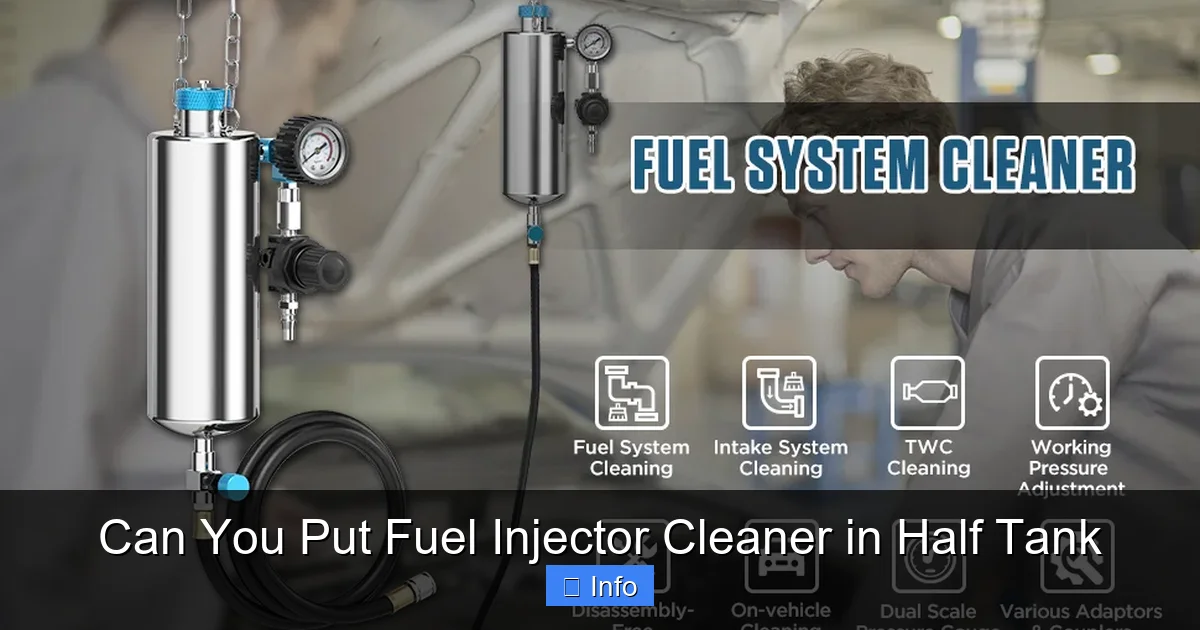
Visual guide about Can You Put Fuel Injector Cleaner in Half Tank
Image source: m.media-amazon.com
Step-by-step guide
First, check your fuel level. Add cleaner when tank is quarter full or half full. Pour the bottle into the tank. Fill up with gasoline immediately. Drive normally for fifteen minutes. The cleaner circulates through the system. You should notice smoother idle. Acceleration improves over time. Repeat every three thousand miles.
The process seems simple. But timing matters. Add cleaner before filling. This ensures proper mixing. The gasoline dilutes the cleaner. It prevents concentrated spots. Fill the tank completely. This maximizes cleaning coverage. Drive on highway speeds. This opens the throttle fully. The cleaner reaches all injector tips. City driving helps too. Stop and go cycles work the system.
Best practices
Add cleaner before long trips. It clears deposits before heavy use. Do not add before oil changes. Wait a few days between treatments. Store cleaners in cool places. Heat degrades the formula. Keep bottles sealed tight. Follow expiration dates. Old cleaner loses effectiveness.
Check product reviews before buying. Look at best fuel injector cleaners for gas engines reviewed. These lists help you choose. They test real world performance. They compare different brands. You find the safest option. Quality products protect your engine. They deliver consistent results.
Cleaning frequency depends on driving habits. Short trips need more cleaning. Stop and go driving creates more deposits. Highway driving keeps injectors cleaner. Tow trucks need frequent cleaning. They work harder. Racing cars need constant cleaning. Daily drivers need less. Follow the three thousand mile rule. Adjust based on your conditions.
Signs Your Injectors Need Cleaning
Symptoms to watch for
Rough idle indicates dirty injectors. Hesitation during acceleration warns too. Poor fuel economy signals trouble. Engine misfires happen frequently. Rough starts in cold weather. Check engine light may illuminate. These signs mean clean soon. Ignoring them causes worse damage.
Dirty injectors strain the fuel pump. The pump works harder. It pushes fuel through clogged screens. This reduces flow rate. Pressure drops below normal. The engine struggles. It lacks power going uphill. Passing becomes difficult. Fuel vaporizes improperly. This creates hot spots. Engine knock occurs occasionally.
Other warning signs include fuel odor. You smell gasoline inside the car. This indicates leaking injectors. They drip instead of spraying. This wastes fuel. It creates fire hazards. Check for wet spots under the car. Fuel smells in the garage. These require immediate attention.
When to seek professional help
Cleaner fixes mild buildup. Severe clogging needs pro service. Technicians use ultrasonic cleaning. They test spray patterns. They replace damaged parts. If cleaner does not help after two uses. Visit a mechanic. They diagnose root causes. Fuel pressure tests reveal issues.
Mechanics have specialized tools. They inspect injector spray patterns. They measure flow rates. They check electrical signals. This finds electrical faults. Mechanical blockages get cleared. Professional cleaning costs more. But it lasts longer. It restores like new performance.
If you drive a Toyota, check best fuel injector cleaner for Toyota vehicles. Toyota engines are sensitive. They require precise fuel mixtures. Wrong additives cause issues. Honda engines are similar. They need PEA based cleaners. Always verify compatibility.
Vehicle Specific Considerations
Different vehicles need different care:
Small engines need less cleaner. Large engines need more. High mileage vehicles benefit most. Newer cars need maintenance. Preventive cleaning helps. It keeps injectors pristine. It prevents deposit formation. Follow the schedule strictly.
Toyota vehicles often need specific formulas. Check best fuel injector cleaner for Toyota vehicles for recommendations. Toyota engines are sensitive. They require precise fuel mixtures. Wrong additives cause issues. Honda engines are similar. They need PEA based cleaners. Always verify compatibility.
Motorcycles need special attention. Check best fuel injector cleaner for motorcycles for guidance. Motorcycle injectors are tiny. They clog easily. Strong cleaners damage them. Use motorcycle specific formulas. These are gentler. They protect delicate components.
European cars need careful selection. They have complex injection systems. Direct injection engines are common. They need specific cleaners. Port injection engines differ. Always match the system type. Consult the owner manual. Ask your dealer for advice.
Conclusion
Adding fuel injector cleaner to half tank works. It keeps your engine healthy. Follow the instructions carefully. Do not overdose. Choose the right product. Drive after adding. Maintain regular cleaning schedules. Your car rewards you with smooth performance. Better fuel economy follows. Enjoy the drive.
Clean injectors mean happy engine. You save money on fuel. You avoid repairs. You extend vehicle life. Make cleaner part of routine maintenance. Check levels monthly. Add when needed. Your car thanks you. It runs quieter. It accelerates smoother. You feel the difference immediately.
Preventive maintenance saves money. Cleaning costs pennies. Repairs cost hundreds. Regular care prevents breakdowns. You stay safe on road. Your family stays protected. Make fuel injector cleaning a habit. Your car will last longer. It will perform better. Every drive becomes pleasant.
Frequently Asked Questions
Can I put fuel injector cleaner in a half tank?
Yes, you can add cleaner to a half tank. It mixes with the existing fuel. Fill up soon after adding. This ensures proper dilution. The cleaner circulates effectively.
How often should I use fuel injector cleaner?
Use cleaner every three thousand to five thousand miles. Follow your vehicle manual. Some drivers use it monthly. Others use it seasonally. Adjust based on driving conditions.
What happens if I use too much cleaner?
Overdosing damages O-rings and seals. It causes rough running. It may trigger check engine lights. Follow bottle instructions exactly. One bottle per tank is standard.
Does fuel injector cleaner really work?
Yes, quality cleaners remove deposits. They improve fuel economy. They restore engine performance. Use PEA based formulas. Avoid cheap imitations.
Can I use diesel cleaner in my gas car?
No, never mix diesel and gas formulas. They contain different chemicals. Diesel cleaners have higher concentrations. They damage gas engine components. Always match the product to your fuel type.
Should I add cleaner before or after filling up?
Add cleaner before filling up. The gasoline dilutes the cleaner immediately. This prevents concentrated exposure. It ensures even distribution. Follow product instructions for best results.