Poisonous Gas Present in Exhaust Fumes of Car Is
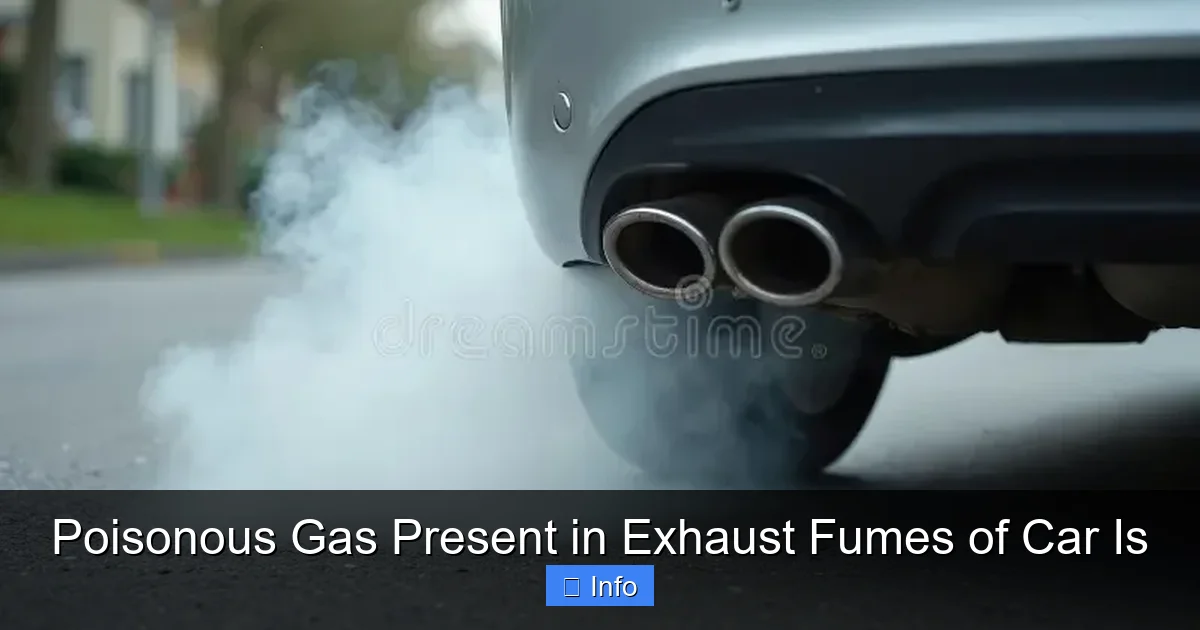
Understanding the toxic gases in car exhaust fumes is essential for your health and safety. This article breaks down the most harmful substances like carbon monoxide and nitrogen oxides that escape from vehicles. You’ll learn how these dangerous pollutants form, their serious health risks, and practical ways to protect yourself and others from exposure while driving.
Your car has always been a convenient way to travel, but behind the steering wheel lies something you might not want to breathe deeply. Every time you drive, the engine releases exhaust fumes that contain a complex mixture of hazardous chemicals. While some of these byproducts are manageable through modern technology, others pose serious threats to human health and the environment. Understanding what makes these odors so dangerous is the first step toward protecting yourself and your community from silent pollution.
When we talk about the toxic gases present in car exhaust fumes, we’re essentially discussing the invisible chemical cocktail that emerges from burning gasoline inside an engine. Not every smell you notice after a long drive is bad, but certain compounds are unmistakably harmful. The good news is that science has developed effective solutions to mitigate these risks, allowing us to enjoy modern transportation while minimizing health hazards.
Key Takeaways
- Carbon monoxide is the deadliest component of car exhaust fumes and can cause rapid oxygen deprivation in the body.
- Nitrogen oxides contribute to smog formation and respiratory problems over time.
- Modern catalytic converters reduce but do not eliminate toxic emissions entirely.
- Short-term exposure leads to headaches, dizziness, and nausea.
- Long-term exposure increases risk of heart disease and lung damage.
- Proper vehicle maintenance and monitoring can significantly lower hazard levels.
- Indoor air quality in vehicles deteriorates quickly due to concentrated exhaust buildup.
📑 Table of Contents
What Are the Toxic Gases in Car Exhaust Fumes?
The primary culprits in car exhaust fumes fall into several major categories, each with distinct properties and dangers. Among them, carbon monoxide stands out as particularly insidious because it is colorless, odorless, and highly poisonous. When fuel burns in an engine, carbon monoxide forms and mixes with the exhaust stream before or even after combustion completes. This gas binds to hemoglobin in your blood much more effectively than oxygen, preventing your cells from receiving essential oxygen supply.
Carbon Monoxide (CO)
Carbon monoxide is perhaps the most dangerous substance released by traditional internal combustion engines. It accounts for a significant portion of hydrocarbon emissions and poses immediate life-threatening risks. CO displaces oxygen in the bloodstream, causing tissue damage and, in severe cases, death. Even low-level exposure can impair judgment and coordination, putting drivers at increased accident risk. Fortunately, CO is easily detected with specialized test kits and requires regular maintenance to keep emission systems functioning properly.
Hydrogen Cyanide (HCN)
While less common than carbon monoxide, hydrogen cyanide can appear in high concentrations during engine malfunctions or old vehicles with damaged exhaust systems. This deadly nerve agent interferes with cellular respiration and can cause sudden collapse. Its danger level escalates dramatically when ignited or heated, releasing additional toxic particles. Modern catalytic converters work to prevent HCN formation, but older or poorly maintained engines may still leak hazardous amounts into the cabin or surrounding air.
Nitrogen Oxides (NOx)
Nitrogen oxides represent another critical group of pollutants from car exhaust. During combustion, nitrogen and oxygen react to form NO, NO₂, and various peroxynitrite compounds. These gases contribute to the formation of ground-level ozone—the primary component of summer smog—and exacerbate asthma and other respiratory conditions. Long-term exposure to elevated NOx levels has been linked to chronic bronchitis and reduced lung function in vulnerable populations.
Volatile Organic Compounds (VOCs)
VOCs encompass thousands of different chemical compounds emitted from both engine processes and fuel additives. Benzene, formaldehyde, and toluene are among the most concerning VOCs found in exhaust streams. These substances are known carcinogens and can irritate eyes, nose, throat, and respiratory tract. Their presence makes it crucial to understand why certain cars feel “stuffy” or produce noticeable odors after extended driving.
Health Risks from Exposure
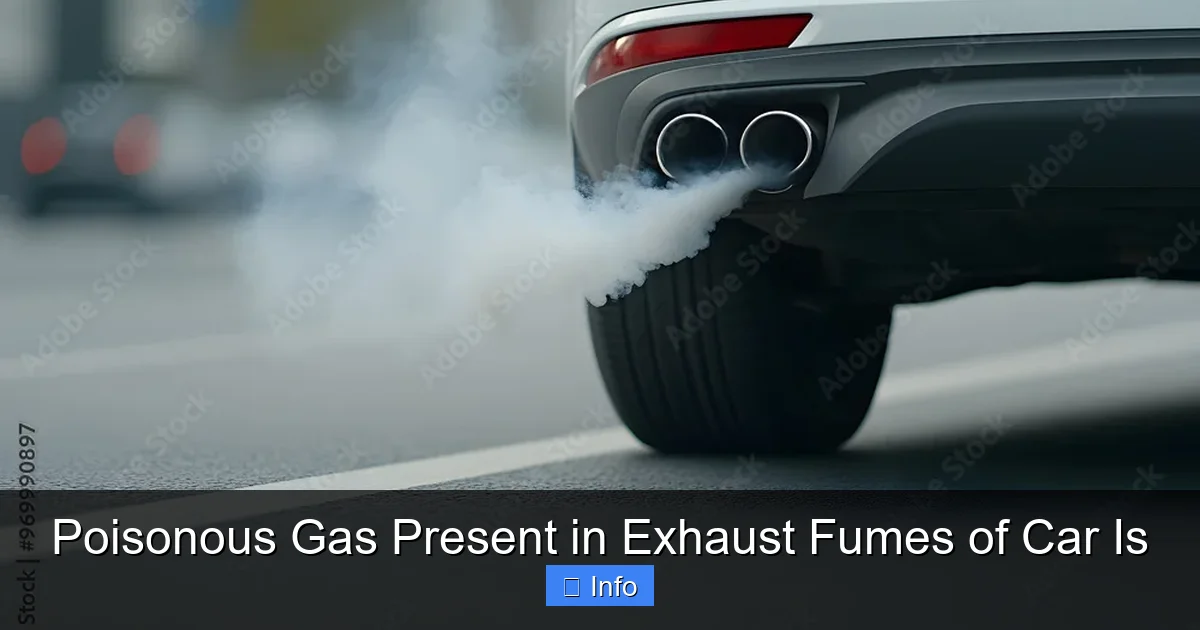
Exposure to the toxic gases contained in car exhaust fumes affects everyone differently depending on duration and concentration. Understanding the spectrum of health impacts helps emphasize why reducing emissions matters so much, especially in densely populated urban areas where vehicle traffic is dense.
Visual guide about Poisonous Gas Present in Exhaust Fumes of Car Is
Image source: as1.ftcdn.net
Short-Term Effects
Acute inhalation of exhaust fumes typically produces immediate symptoms that anyone driving or sitting near a running car should recognize. Common signs include headache, dizziness, fatigue, and shortness of breath. Nausea and mild confusion also frequently accompany these reactions. These effects usually resolve once the source of exposure is removed—by opening windows, leaving the vehicle, or simply getting fresh air. However, repeated acute exposures without adequate ventilation can increase vulnerability to longer-term harm.
Long-Term Consequences
The truly alarming aspect of car exhaust toxicity is its cumulative impact on health over years and decades. Chronic exposure to carbon monoxide and nitrogen oxides contributes to cardiovascular disease, including heart attacks and strokes. Research consistently shows that individuals living near busy roadways experience higher rates of respiratory illness such as chronic obstructive pulmonary disease (COPD) and asthma aggravation. Children are particularly susceptible, as developing lungs have greater sensitivity to toxic pollutants.
Where Do These Gases Come From?
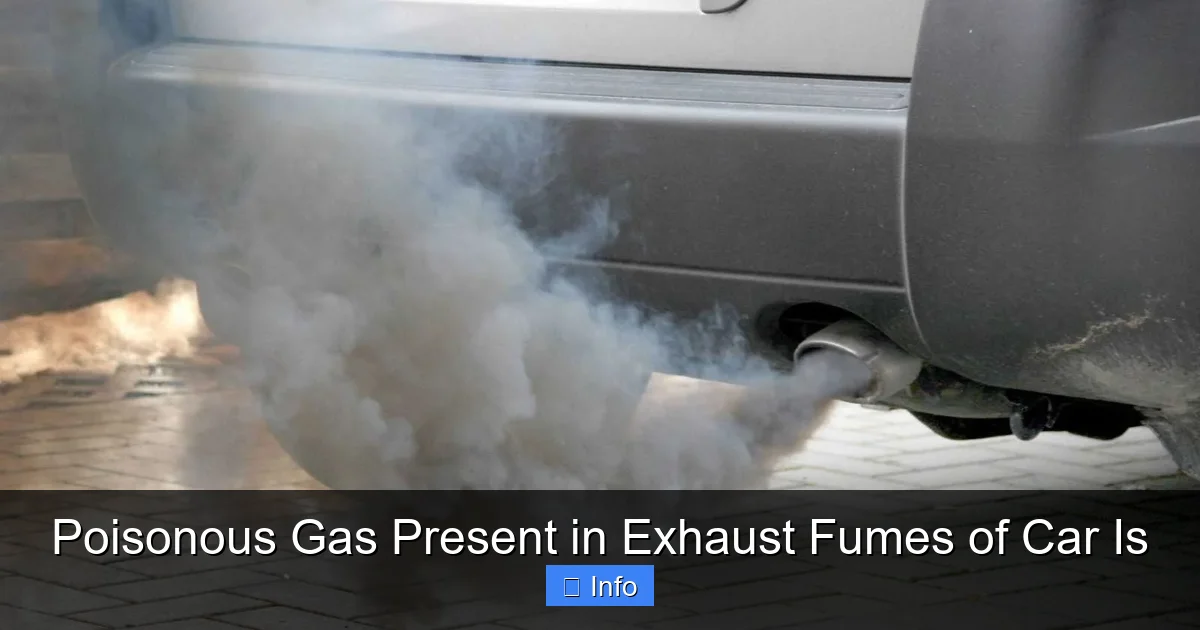
Most toxic gases originate from the internal combustion process itself rather than external factors. When gasoline mixes with air and burns inside the cylinder, incomplete combustion creates a variety of byproducts. The piston chamber heats rapidly, breaking apart hydrocarbon molecules and creating free radicals that eventually oxidize into the dangerous compounds listed above. Modern turbocharged engines actually increase the likelihood of these reactions due to higher compression ratios, making emission control systems even more critical.
Visual guide about Poisonous Gas Present in Exhaust Fumes of Car Is
Image source: carfromjapan.com
A secondary factor involves vehicle design and material interactions. Certain plastics and rubber components in the interior absorb moisture and contaminants from exhaust, creating micro-environments where oxidation accelerates. Additionally, poor sealing around doors and vents allows exhaust to circulate back into the cab, concentrating pollutants around passengers who cannot escape the fumes easily. This explains why someone sitting in the front passenger seat may experience stronger breathing difficulties compared to those further away.
Detecting and Monitoring Toxic Gases
Fortunately, technology exists to identify harmful gases before they pose serious health risks to occupants or nearby residents. Professional diagnostic equipment includes gas chromatographs capable of measuring trace levels of carbon monoxide and nitrogen oxides with remarkable precision. Home testing devices have become increasingly popular, offering quick readings that indicate whether a vehicle’s exhaust system needs attention.
Regular maintenance plays a vital role in keeping exhaust systems clean and efficient. Catalytic converters—those shiny metal boxes mounted after the exhaust manifold—are designed specifically to neutralize harmful compounds. If a converter becomes clogged or fails, dangerous levels of toxins flood the downstream air and potentially re-enter the vehicle’s cabin. Simple checks such as examining tailpipe color and performing routine exhaust system inspections can catch problems early and prevent dangerous health outcomes.
Protecting Yourself and Others
Taking personal responsibility for reducing exposure to toxic exhaust fumes involves both individual actions and broader societal measures. When you drive, ensure your vehicle maintains optimal performance; a well-tuned engine runs more efficiently and minimizes unnecessary byproduct production. Park in well-ventilated areas when possible, and never block emergency exits or parking spaces—which forces other drivers to stay in contaminated air.
If you work in close proximity to heavy traffic, consider investing in portable air purifiers rated for automotive exhaust filtration. These devices can remove many harmful compounds from the immediate vicinity of your vehicle, providing measurable improvement in cabin air quality. For homes located adjacent to busy roads, installing certified carbon filters in HVAC systems can complement outdoor air purification efforts, creating healthier living environments despite constant vehicle passage.
On a community level, supporting policies that promote electric vehicle adoption and stricter emission standards offers the most profound solution. Each electric car eliminates the entire exhaust output chain, removing carbon monoxide, nitrogen oxides, and volatile organic compounds at the source. Cities that have successfully transitioned fleets show dramatic improvements in public health metrics and atmospheric clarity, demonstrating that cleaner transportation is achievable and beneficial.
Frequently Asked Questions
What is poisonous gas present in exhaust fumes of car is?
poisonous gas present in exhaust fumes of car is is an important topic with many practical applications.