Remote Control Car with Steering Wheel and Pedals
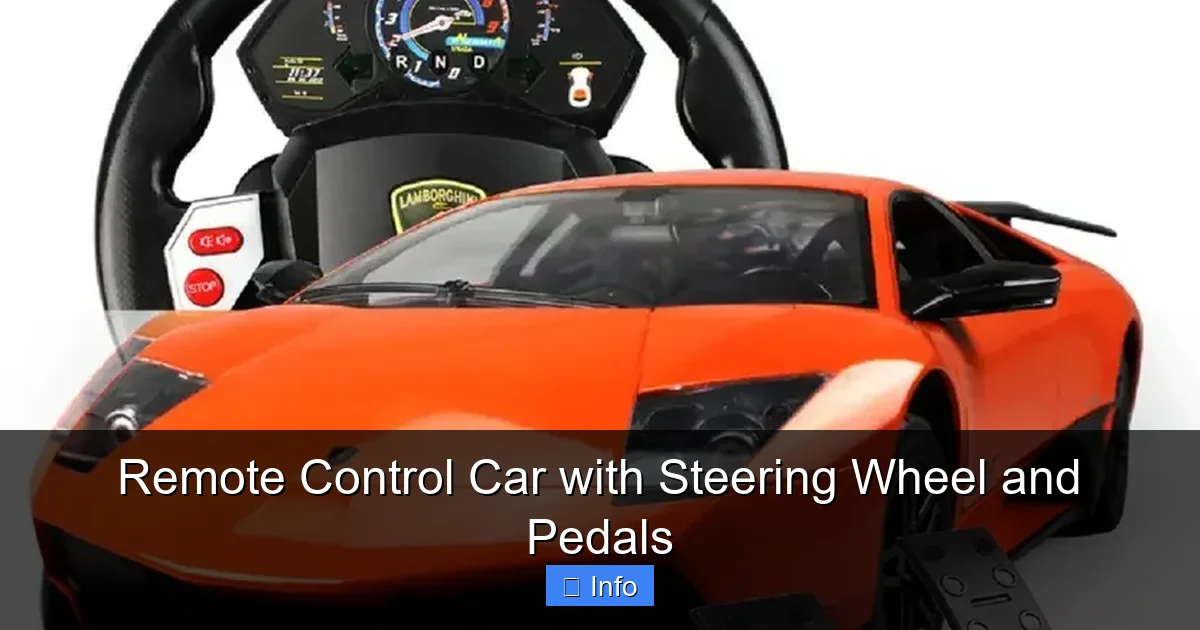
A remote control car with steering wheel and pedals offers a realistic driving experience that mimics real vehicles, making it perfect for hobbyists, kids, and adults who want hands‑on control. This guide covers how these cars work, what to look for when buying, and tips for getting the most out of your RC adventure.
If you’ve ever wished you could sit behind the wheel of a real car without leaving your driveway, a remote control car with steering wheel and pedals brings that dream to life. These models go beyond the typical joystick‑style RC cars by offering a steering wheel that turns the front wheels and pedals that control throttle and brake, just like a full‑size vehicle. The result is a more immersive experience that appeals to kids learning coordination, teens honing driving skills, and adults who enjoy a nostalgic, hands‑on hobby.
In this article we’ll explore how a remote control car with steering wheel and pedals works, why it’s a great choice for fun and skill‑building, what features to prioritize when shopping, and how to keep it running smoothly. Whether you’re buying your first RC car or upgrading an existing setup, the tips below will help you get the most realistic drive possible.
Key Takeaways
- Realistic control: The steering wheel and pedals give you true‑to‑life handling, improving reaction time and coordination.
- Versatile power options: Most models use rechargeable batteries; check runtime and charging time before you buy.
- Build quality matters: Look for durable chassis, metal gears, and water‑resistant electronics for longer life.
- Adjustable sensitivity: Fine‑tune steering and pedal response to match your skill level or the terrain.
- Maintenance is easy: Simple cleaning with a brush and bucket kit keeps performance high.
- Safety first: Use the car on open, flat surfaces and supervise younger drivers.
📑 Table of Contents
- How a Remote Control Car with Steering Wheel and Pedals Works
- Benefits of Choosing a Remote Control Car with Steering Wheel and Pedals
- Key Features to Look For When Buying
- Setting Up and Maintaining Your Remote Control Car with Steering Wheel and Pedals
- Best Practices for Safe and Enjoyable Play
- Conclusion
How a Remote Control Car with Steering Wheel and Pedals Works
Understanding the inner workings of a remote control car with steering wheel and pedals helps you appreciate the engineering that makes the experience feel authentic. At its core, the car receives radio signals from a handheld transmitter that mimics a steering wheel and two pedals. Those signals are decoded by an onboard receiver and sent to motors or servos that move the wheels and control speed.
The Mechanics Behind Steering and Pedals
The steering wheel on the transmitter is linked to a potentiometer or encoder that measures its angle. When you turn the wheel, the transmitter sends a proportional signal to the car’s steering servo, which rotates the front wheels left or right. This direct angle‑to‑movement mapping gives the remote control car with steering wheel and pedals a lifelike feel, unlike the abrupt left‑right toggles of simple joystick controllers.
The pedals operate similarly. The accelerator pedal usually controls a variable resistor that tells the electronic speed controller (ESC) how much power to send to the drive motor. Pressing harder increases voltage, making the car go faster. The brake pedal sends a signal that either cuts power or engages a reverse‑braking mode, allowing smooth deceleration.
Power Sources and Control Systems
Most remote control car with steering wheel and pedals models run on rechargeable Li‑Po or Ni‑MH batteries. Battery capacity determines how long you can drive before needing a recharge, while the ESC manages power delivery efficiently. Some higher‑end kits include brushless motors for greater speed and durability.
The transmitter typically operates on 2.4 GHz frequency, which offers low latency and resistance to interference. This ensures that the steering wheel and pedals respond instantly, giving you precise control whether you’re navigating a tight indoor course or cruising on an outdoor track.
Benefits of Choosing a Remote Control Car with Steering Wheel and Pedals
Opting for a remote control car with steering wheel and pedals over a traditional stick‑controller RC car brings several advantages, especially if you value realism and skill development.
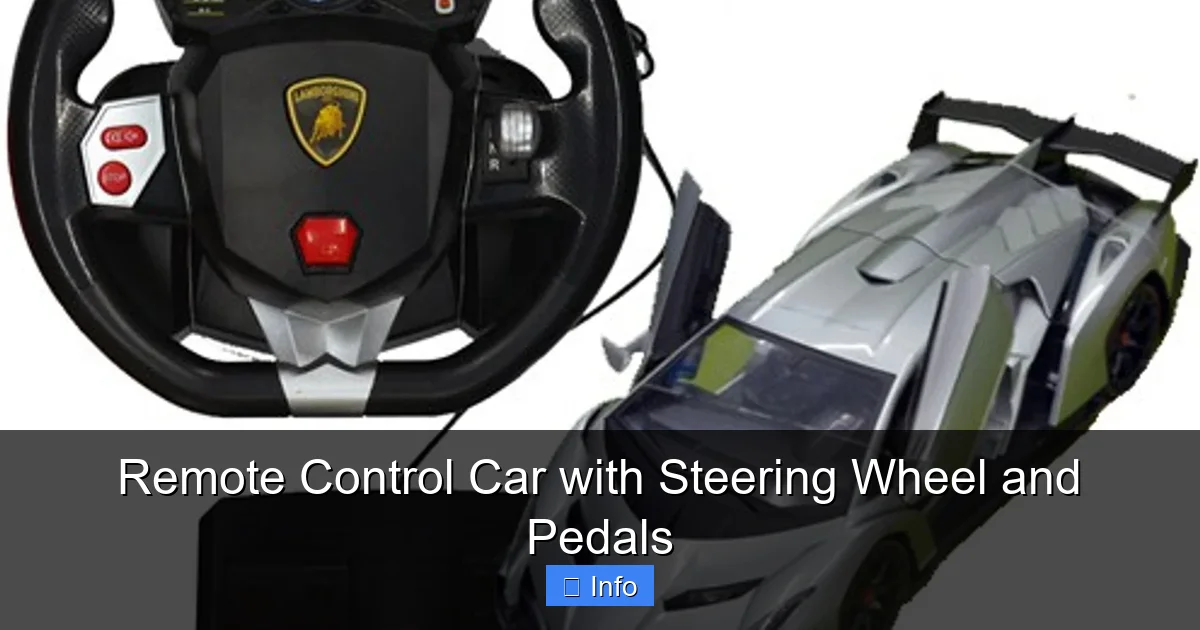
Visual guide about Remote Control Car with Steering Wheel and Pedals
Image source: rukminim1.flixcart.com
Realistic Driving Experience
The most obvious benefit is the authentic driving sensation. Turning a wheel and pressing pedals mimics the muscle memory used in real cars, making the transition to an actual vehicle smoother for beginners. This realism also adds excitement for seasoned RC enthusiasts who crave a more engaging challenge.
Skill Development and Fun
Operating a remote control car with steering wheel and pedals improves hand‑eye coordination, reaction time, and spatial awareness. Kids learn cause‑and‑effect relationships as they see how wheel angle translates to direction, while adults can practice precision driving without the risk or cost of a full‑size automobile.
Additionally, many models support multiple drivers via buddy‑box systems or wireless links, letting friends race side‑by‑side. This social element turns a solitary hobby into a fun group activity.
Key Features to Look For When Buying
Not all remote control car with steering wheel and pedals cars are created equal. Focusing on these features will help you pick a model that delivers performance, durability, and enjoyment.
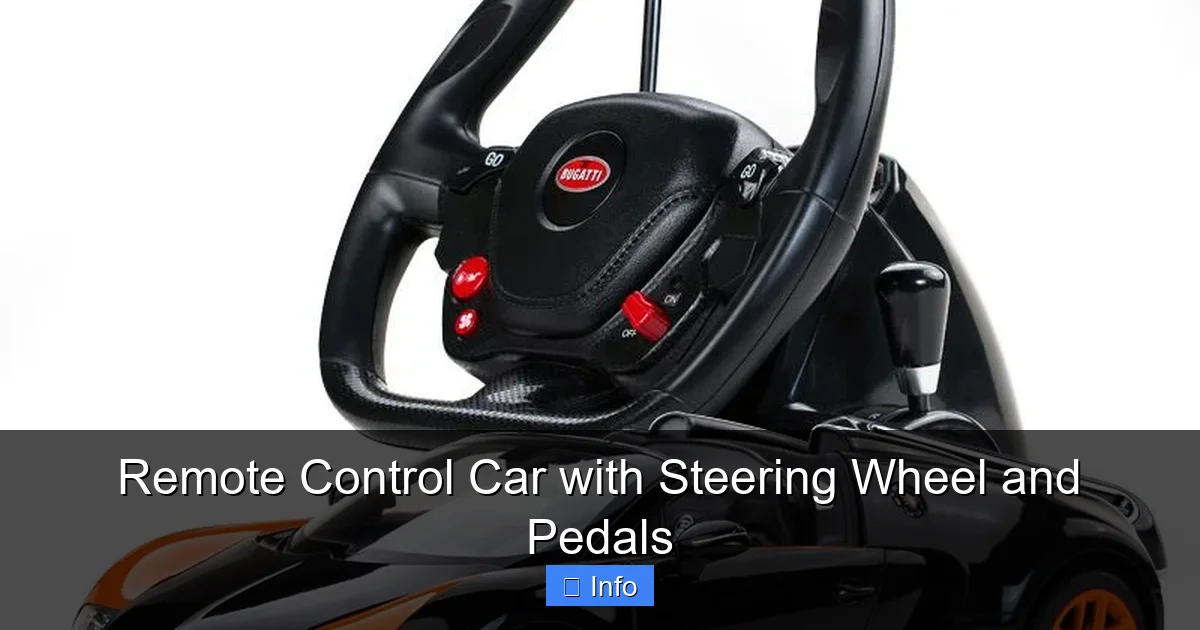
Visual guide about Remote Control Car with Steering Wheel and Pedals
Image source: i.pinimg.com
Build Quality and Materials
Look for a chassis made from reinforced ABS plastic or aluminum alloy. Metal gears in the steering servo and drivetrain reduce wear and improve responsiveness. Water‑resistant electronics protect the car from splashes or light rain, extending its lifespan.
Adjustable Steering Sensitivity and Pedal Response
A good transmitter lets you adjust the steering throw (how far the wheels turn for a given wheel movement) and pedal sensitivity. Beginners may prefer softer settings for forgiving handling, while advanced users can tighten the response for sharper cornering and quicker acceleration.
Battery Life and Charging Options
Check the battery’s milliamp‑hour (mAh) rating and the estimated run time per charge. A higher mAh means longer play sessions. Some kits include a smart charger that balances Li‑Po cells for safety and longevity. For the best performance, consider pairing your car with a high‑quality power source; you can find excellent options in our guide to the best RC car batteries for performance and longevity.
Setting Up and Maintaining Your Remote Control Car with Steering Wheel and Pedals
Proper assembly and routine care keep your remote control car with steering wheel and pedals running smoothly and looking great.
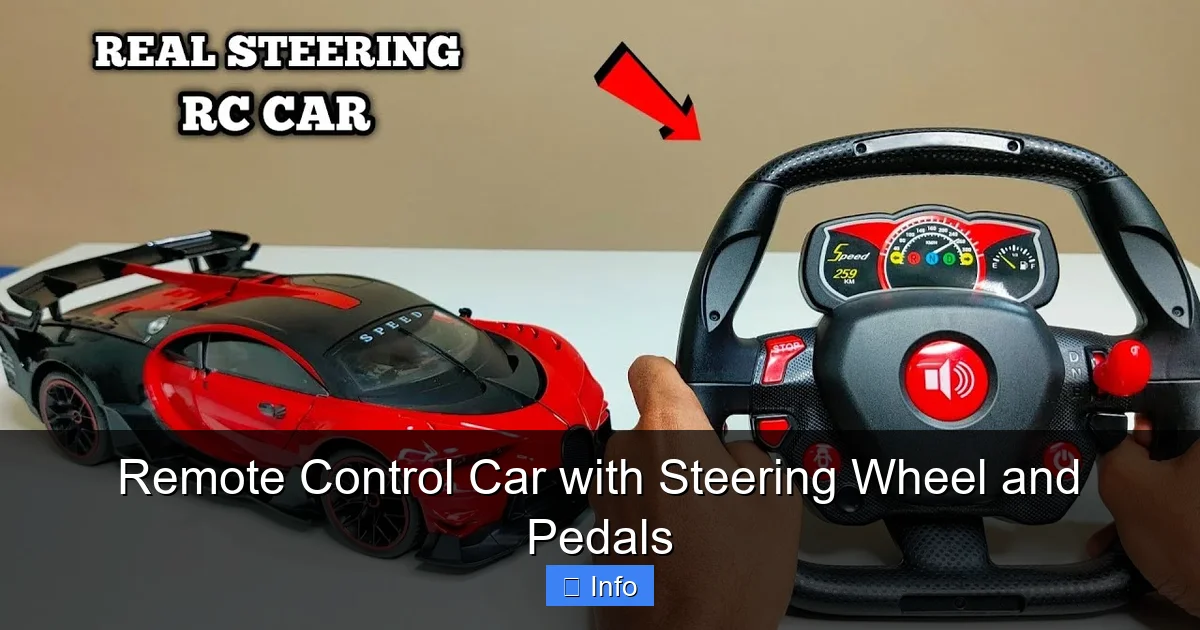
Visual guide about Remote Control Car with Steering Wheel and Pedals
Image source: i.ytimg.com
Assembly Tips
Most kits come with a detailed manual. Start by attaching the wheels to the axles, ensuring they spin freely. Install the steering servo according to the diagram, making sure the linkage moves without binding. Mount the ESC and receiver securely, then connect the battery leads. Double‑check all screws before powering on.
Cleaning and Care
After each session, remove dirt and debris with a soft brush. A brush that attaches to a hose makes it easy to rinse off mud without damaging electronics; see our recommendation for a best car wash brush with hose attachment. For a deeper clean, use a bucket kit with a dirt trap to keep grime from re‑depositing on the car; check out the best car wash bucket kit with dirt trap. Always dry the car thoroughly before storing.
Troubleshooting Common Issues
If the steering feels sluggish, inspect the servo gear for stripped teeth and replace if needed. Intermittent power loss often points to a loose battery connector or a worn‑out ESC—re‑solder or replace the connector as necessary. If the car doesn’t respond to the transmitter, verify that both are set to the same channel and that the antenna is intact.
Best Practices for Safe and Enjoyable Play
To get the most out of your remote control car with steering wheel and pedals, follow these safety and performance guidelines.
Choosing the Right Terrain
Flat, smooth surfaces like paved driveways, indoor gym floors, or short‑grass lawns provide the best traction and reduce the risk of flipping. Avoid rough gravel or steep hills unless your model is specifically designed for off‑road use.
Safety Gear and Supervision
Although RC cars move at modest speeds, it’s wise to wear eye protection when driving indoors where debris could bounce back. Always supervise younger children to ensure they don’t drive the car toward people, pets, or fragile objects.
Upgrading Parts and Accessories
As you become more comfortable, consider upgrading to a brushless motor, metal‑geared servos, or a higher‑capacity battery for longer runs. Many hobby shops offer compatible upgrades that bolt directly onto the chassis, letting you customize the performance of your remote control car with steering wheel and pedals.
Conclusion
A remote control car with steering wheel and pedals delivers a genuine driving experience that bridges the gap between toy and real vehicle. By understanding how the steering and pedals work, selecting a model with solid build quality and adjustable controls, and maintaining it with simple cleaning routines, you’ll enjoy countless hours of fun and skill development. Whether you’re buying for a child’s first taste of driving or adding a realistic rig to your own RC collection, this type of remote control car offers excitement, learning, and lasting appeal. Happy driving!
Frequently Asked Questions
What age group is a remote control car with steering wheel and pedals suitable for?
Most models are designed for ages 8 and up, though younger children can enjoy them with adult supervision. The realistic controls help kids develop coordination and spatial awareness.
How long does the battery typically last on a remote control car with steering wheel and pedals?
Run time varies by battery capacity and driving style, but you can expect anywhere from 15 to 40 minutes of continuous play on a full charge. Choosing a high‑mAh battery extends play sessions.
Can I use a remote control car with steering wheel and pedals indoors?
Yes, as long as you have a clear, flat space free of obstacles. Many hobbyists use basements, garages, or large rooms for indoor racing and practice.
Do I need any special tools to assemble a remote control car with steering wheel and pedals?
Most kits include all necessary hardware and a small screwdriver or hex key. Having a set of precision tweezers and a soldering iron can be helpful for upgrades or repairs.
Are there any upgrades available for a remote control car with steering wheel and pedals?
Absolutely. Common upgrades include brushless motors, metal‑geared servos, higher‑capacity Li‑Po batteries, and adjustable suspension kits. These parts improve speed, durability, and handling.
How do I keep my remote control car with steering wheel and pedals clean after outdoor use?
Use a soft brush to remove loose dirt, then rinse with a hose attachment if needed. Finish by drying the car thoroughly and storing it in a cool, dry place to prevent moisture damage.