After How Many Kilometers to Change Car Tyres in India
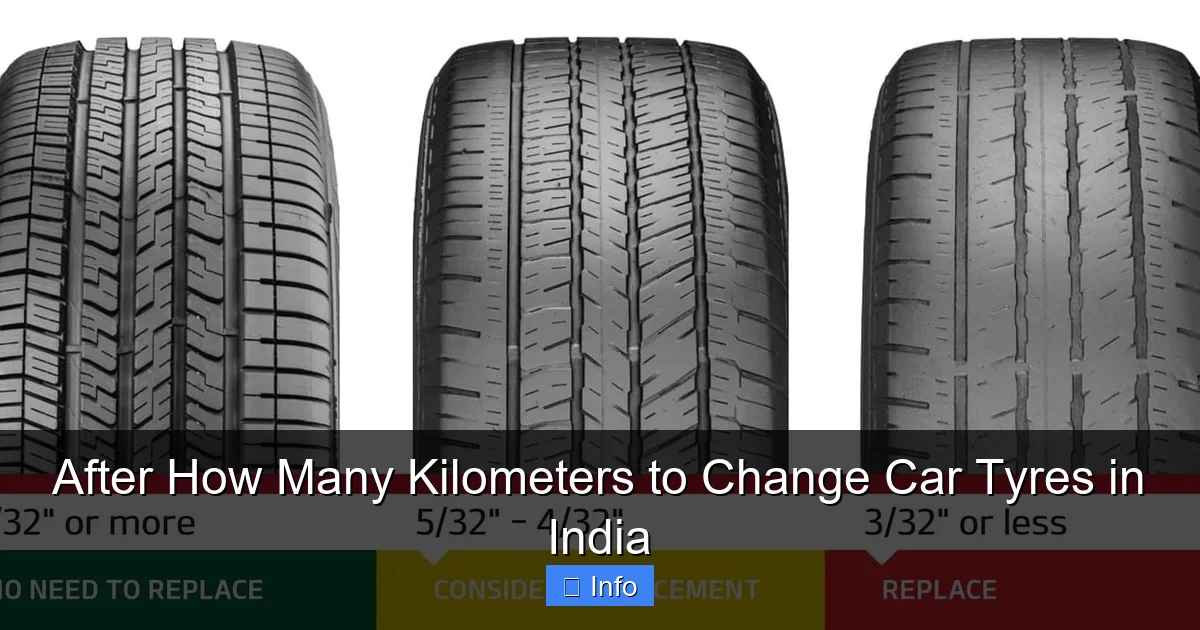
Most car tyres in India need replacing every 40,000 to 60,000 kilometers, but this depends on driving habits and road conditions. To ensure safety, you should check your tread depth regularly and replace tyres if they show signs of wear or reach 5-6 years of age.
Driving in India is an adventure. From the bustling streets of Mumbai to the winding roads of the Western Ghats, our cars go through a lot. One of the most important parts of your car that takes a beating is the tyres. If you have ever wondered after how many kilometers to change car tyres in India, you are not alone. Many drivers simply wait until a tyre goes flat or looks “bald” before thinking about a change. However, waiting too long can be dangerous.
Your tyres are the only point of contact between your vehicle and the road. When they wear down, you lose grip, your braking distance increases, and your risk of hydroplaning during the monsoon season goes up. Understanding when to swap your rubber is not just about following a number on the odometer; it is about safety and efficiency.
In this guide, we will break down the average mileage for tyre replacement, the specific factors that affect tyre life in India, and how you can tell if your tyres are finished even if you haven’t hit the “magic number” of kilometers yet. Let’s dive in and make sure your ride stays safe!
Key Takeaways
- Average Lifespan: Most tyres last between 40,000 and 60,000 km in Indian conditions.
- Time Limit: Even with low mileage, tyres should generally be replaced every 5 to 6 years due to rubber degradation.
- Tread Depth: A tread depth of less than 1.6mm is a critical sign that you need new tyres immediately.
- Indian Factors: Extreme heat and potholes in India can accelerate tyre wear compared to other countries.
- Preventive Care: Regular rotation and alignment can extend the life of your tyres significantly.
📑 Table of Contents
The General Rule: After How Many Kilometers to Change Car Tyres in India?
If you are looking for a quick number, the general industry standard for most passenger cars in India is between 40,000 and 60,000 kilometers. However, this is a broad range. Some high-quality premium tyres might push toward 70,000 km, while budget options or those used in heavy city traffic might wear out by 30,000 km.
Why the Range Varies
Not all tyres are created equal. A hard-compound tyre designed for longevity will last longer than a soft-compound performance tyre designed for maximum grip. Additionally, the type of vehicle you drive plays a huge role. A heavy SUV puts more pressure on its tyres than a lightweight hatchback, leading to faster wear.
The Role of the Odometer
While the odometer is a great guide, it is not the only thing you should watch. If you have a car imported from another region, you might need to know how to change odometer from miles to kilometers in Toyota or other brands to keep your maintenance logs accurate. Tracking your exact mileage helps you predict when the next set of tyres will be needed.
Factors That Influence Tyre Life in India
India presents a unique set of challenges for car tyres. If you drive in Delhi’s scorching summers or Bangalore’s rainy seasons, your tyres behave differently than they would in Europe or North America. Here are the main factors that influence the answer to “after how many kilometers to change car tyres in India.”

Visual guide about After How Many Kilometers to Change Car Tyres in India
Image source: d3jvxfsgjxj1vz.cloudfront.net
1. Extreme Temperature Fluctuations
The Indian summer is brutal. High road surface temperatures cause the rubber in your tyres to soften and wear down faster. Heat also accelerates the process of “dry rot,” where the rubber begins to crack over time. This is why tyres in India often age faster than they do in cooler climates.
2. Road Conditions and Potholes
Let’s be honest—potholes are a common sight on Indian roads. Every time you hit a deep pothole, it puts immense stress on the tyre’s sidewall. This can lead to internal structural damage or “bulges” in the tyre. Even if the tread looks fine, a sidewall bulge means the tyre is unsafe and must be replaced immediately.
3. Driving Habits
How you drive matters. Frequent hard braking, rapid acceleration, and taking sharp turns at high speeds scrub the rubber off your tyres much faster. Similarly, carrying heavy loads or overloading your car increases the friction and heat, shortening the tyre’s lifespan.
4. Air Pressure Management
Under-inflated tyres create more friction and heat, wearing out the edges of the tread. Over-inflated tyres wear out the center of the tread. Keeping your tyres at the manufacturer-recommended PSI is the easiest way to ensure you get the maximum kilometers out of your set.
How to Tell Your Tyres Need Replacing (Beyond the Kilometers)
You might not have hit 50,000 km yet, but your tyres could still be worn out. Or, you might have only driven 10,000 km in five years, but the rubber has perished. Here is how to check your tyres manually.
The Tread Wear Indicator (TWI)
Most modern tyres have small raised bumps inside the grooves called Tread Wear Indicators. When the surface of the tyre wears down to the level of these bumps, it is time for a change. If the tread is flush with these indicators, your grip is dangerously low.
The Coin Test
A simple trick is to use a coin. Insert a coin into the tread groove. If you can see too much of the coin’s head, the tread is too shallow. In professional terms, any tread depth below 1.6mm is considered legally worn out and unsafe for Indian roads, especially during the monsoon.
Checking for Visual Damage
Take a walk around your car once a month. Look for:
- Cracks: Small cracks in the sidewall indicate the rubber is drying out.
- Bulges: A bubble on the side of the tyre usually means the internal cords have snapped.
- Uneven Wear: If one side of the tyre is more worn than the other, you likely have an alignment issue.
While checking your tyres, it is also a great time to perform other safety checks. For example, you should learn how to check brake pads in your car, as tyres and brakes work together to stop your vehicle safely.
Maintenance Tips to Extend Tyre Life
You don’t have to replace your tyres prematurely if you take care of them. A little bit of maintenance can add thousands of kilometers to your tyre’s life.
Visual guide about After How Many Kilometers to Change Car Tyres in India
Image source: apollotyres.com
Regular Tyre Rotation
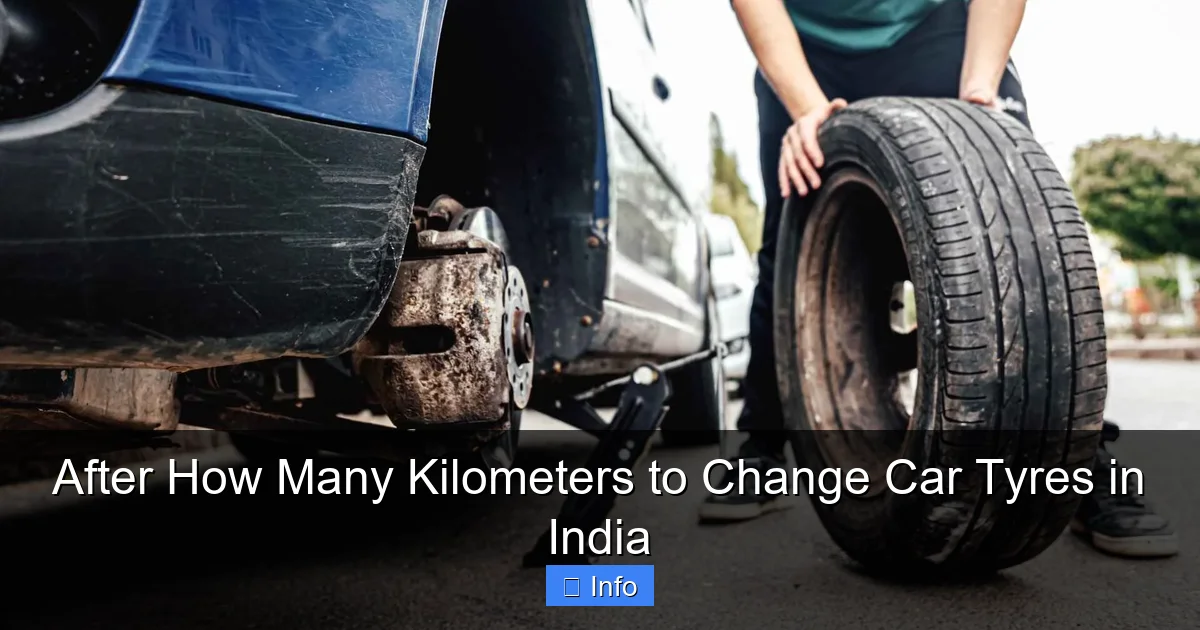
Front tyres usually wear out faster than rear tyres because they handle the steering and most of the braking force. By rotating your tyres (moving fronts to the back and vice versa) every 5,000 to 10,000 km, you ensure that all four tyres wear down evenly.
Wheel Alignment and Balancing
If your car pulls to one side or the steering wheel vibrates, your wheels are likely out of alignment. Poor alignment causes “feathering” or “cupping” of the tread, which destroys the tyre quickly. Get your alignment checked every 6 months or after hitting a major pothole.
Maintain Correct Pressure
Check your tyre pressure once a week. Use a reliable gauge and fill them according to the sticker found on the driver-side door jamb. Remember that air pressure drops during winter and increases during summer, so adjust accordingly.
Avoid Overloading
Always check the load capacity of your tyres. Overloading a vehicle puts excessive pressure on the tyre carcass, leading to overheating and a higher chance of a blowout on the highway.
The Danger of Old Tyres: The 6-Year Rule
Here is a secret many people overlook: tyres have an expiration date. Even if you only drive your car to the grocery store and the tread looks brand new, the rubber compounds break down over time. This is called oxidation.
In the hot Indian climate, rubber becomes brittle. Brittle rubber cannot grip the road effectively and is much more likely to crack or burst under pressure. Most experts recommend replacing tyres every 5 to 6 years, regardless of the mileage. If you see “dry rot” (tiny cracks all over the sidewall), do not risk it—change them immediately.
For those with brand new cars, it is important to start the life of your vehicle correctly. Learning how to break in a new car Toyota or any other brand helps ensure that all components, including the tyres and engine, settle in perfectly for long-term durability.
Conclusion
So, after how many kilometers to change car tyres in India? While the magic number is typically between 40,000 and 60,000 kilometers, your personal driving style, the roads you frequent, and the weather you face play a huge role. The odometer is a helpful guide, but your eyes are your best tool. Regularly checking for tread depth, sidewall bulges, and age-related cracks is the only way to guarantee your safety.
By investing in regular rotation, proper inflation, and timely alignment, you can squeeze every possible kilometer out of your tyres without compromising on safety. Remember, tyres are the only thing keeping you connected to the road. Don’t wait for a warning sign—be proactive, stay safe, and enjoy the drive!
Frequently Asked Questions
Can I drive more than 60,000 km on one set of tyres?
Yes, it is possible if you drive gently, maintain perfect air pressure, and use high-quality long-life tyres. However, you must check the tread depth and rubber condition frequently to ensure they are still safe.
Does the brand of tyre affect how often I need to change them?
Absolutely. Premium brands often use better rubber compounds that resist heat and wear better. Budget tyres may be cheaper upfront but often wear out faster, meaning you will replace them more frequently.
What happens if I ignore worn-out tyres?
Worn tyres significantly increase your braking distance and make your car slide more during turns. In the rain, they can cause hydroplaning, where the car glides on top of the water, leading to a total loss of steering control.
Should I replace all four tyres at once?
It is highly recommended to replace tyres in pairs (both fronts or both rears) to maintain balanced grip. Replacing all four is ideal for the best handling and safety performance.
How can I find the manufacturing date of my tyre?
Look for a 4-digit code on the sidewall (the DOT code). For example, “1223” means the tyre was manufactured in the 12th week of 2023. This helps you track the age of the rubber.
Will wheel balancing help my tyres last longer?
Yes. Wheel balancing prevents the tyre from vibrating at high speeds. Without balancing, you will see uneven “flat spots” on the tread, which will force you to replace the tyres much sooner than expected.