How to Make a Jeep Wrangler Ride Smoother
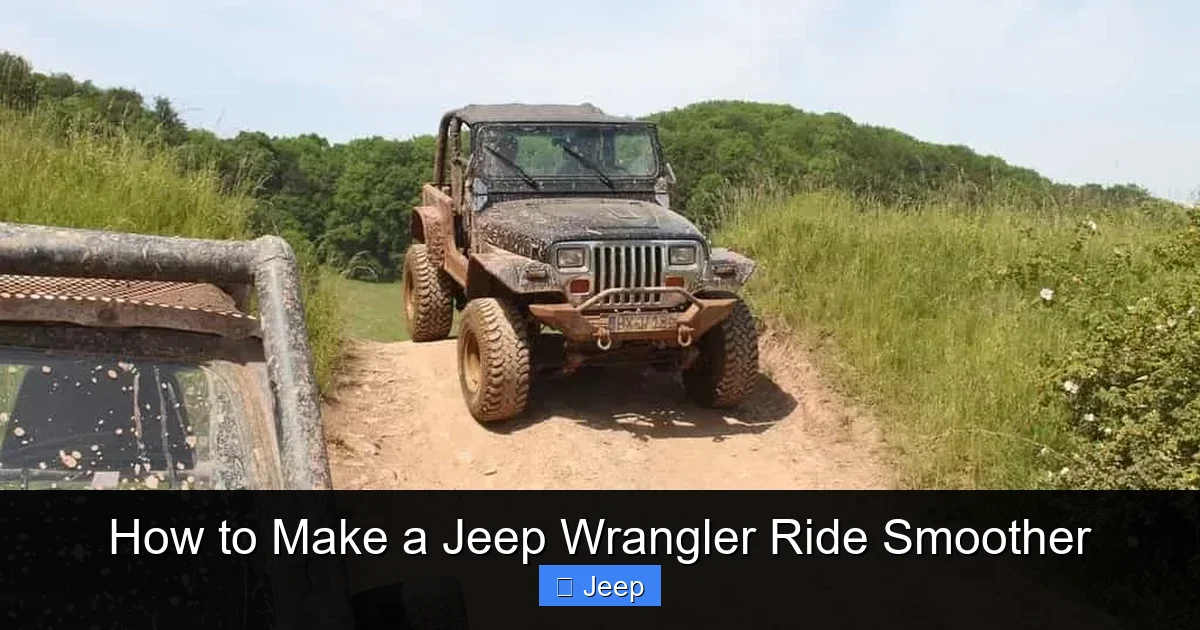
Making your Jeep Wrangler ride smoother is totally doable with the right modifications. You can upgrade your suspension, add better tires, and tweak your drivetrain settings to reduce rough handling. Follow these steps to transform your rugged ride into a comfortable cruising machine.
Key Takeaways
- Upgrade Your Suspension: Replacing factory shocks with aftermarket options drastically reduces bumpiness and body roll.
- Choose the Right Tires: Selecting softer sidewall tires absorbs more road impact before it reaches the cabin.
- Adjust Drivetrain Settings: Knowing how to switch from 2H to 4H Jeep Wrangler automatic prevents driveline vibration on pavement.
- Manage Air Suspension: Sometimes, adjusting your air suspension can help, but you might need to learn how to disable air suspension on a Jeep if it is causing harsh bumps.
- Eliminate Engine Jolts: If the sudden jolt of the engine turning off bothers you, you should learn how to turn off auto start stop Jeep Cherokee to keep your ride seamless.
- Balance Your Load: Distributing weight evenly stabilizes the vehicle and reduces unwanted sway during turns.
📑 Table of Contents
Understanding the Rough Ride
If you want to make a Jeep Wrangler ride smoother, you first need to understand why it is so rough in the first place. The Jeep Wrangler is built for one main reason. It goes off-road. It conquers rocks. It crosses streams. To do all of that, the truck needs to be stiff. The stiff chassis keeps the wheels on the ground. It protects the engine. It handles abuse.
But that same stiffness makes the ride harsh on smooth roads. The suspension does not absorb bumps well. It transfers every ripple directly into the cabin. The high center of gravity adds to the problem. The body rolls when you turn. It feels tippy. Many owners accept this as a trade-off. They love the off-road capability. They hate the highway comfort. But you do not have to choose. You can have both.
Making a Jeep Wrangler ride smoother is totally possible. You just need to know where to look. Small changes make a big difference. You can tweak the suspension. You can change the tires. You can adjust the drivetrain. Every part of the truck affects how it feels. Let us look at the best ways to fix the harsh ride.
Upgrading Your Suspension System
The suspension is the heart of your ride quality. It is what separates the chassis from the wheels. If the suspension is worn out or too stiff, the ride will be bad. Upgrading the suspension is the most effective way to make a Jeep Wrangler ride smoother. You have many options to choose from.
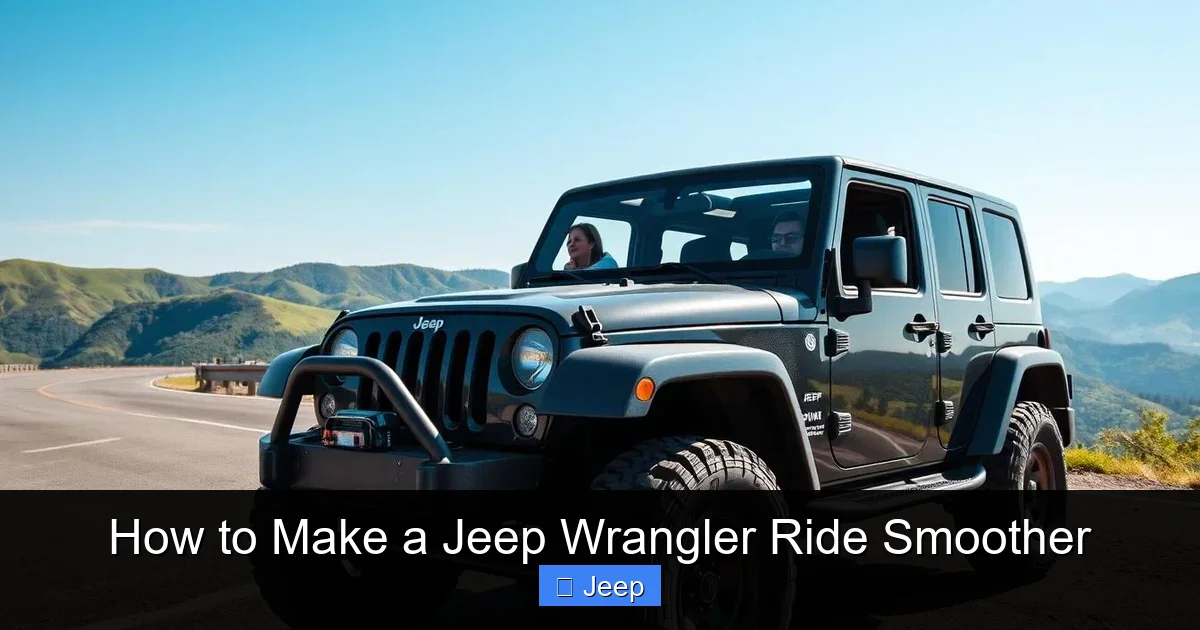
Visual guide about How to Make a Jeep Wrangler Ride Smoother
Image source: aautomotives.com
Choosing the Right Shock Absorbers
Shock absorbers control the movement of the springs. Factory shocks are often very basic. They are tuned for off-road performance. On the highway, they feel too stiff. They do not allow enough body movement. This creates a harsh, choppy feel. You should replace them with aftermarket shocks.
Look for shocks with adjustable settings. These let you tune the softness. You can soften them for highway driving. You can stiffen them for off-roading. This gives you the best of both worlds. Many owners love coilover shocks. They offer the most adjustment. You can change the ride height, too. This helps with ground clearance.
Adding Helper Springs
Helper springs are a great addition. They support the weight of the truck. When the truck is loaded, the springs compress. Helper springs take over this load. They prevent the suspension from bottoming out. This makes the ride much smoother when you carry gear. They are easy to install, too.
Tire Selection and Pressure
Tires are the first point of contact with the road. They have a huge impact on ride quality. The wrong tires will make even the best suspension feel bad. You need to choose your tires carefully. This is a vital step if you want to make a Jeep Wrangler ride smoother.
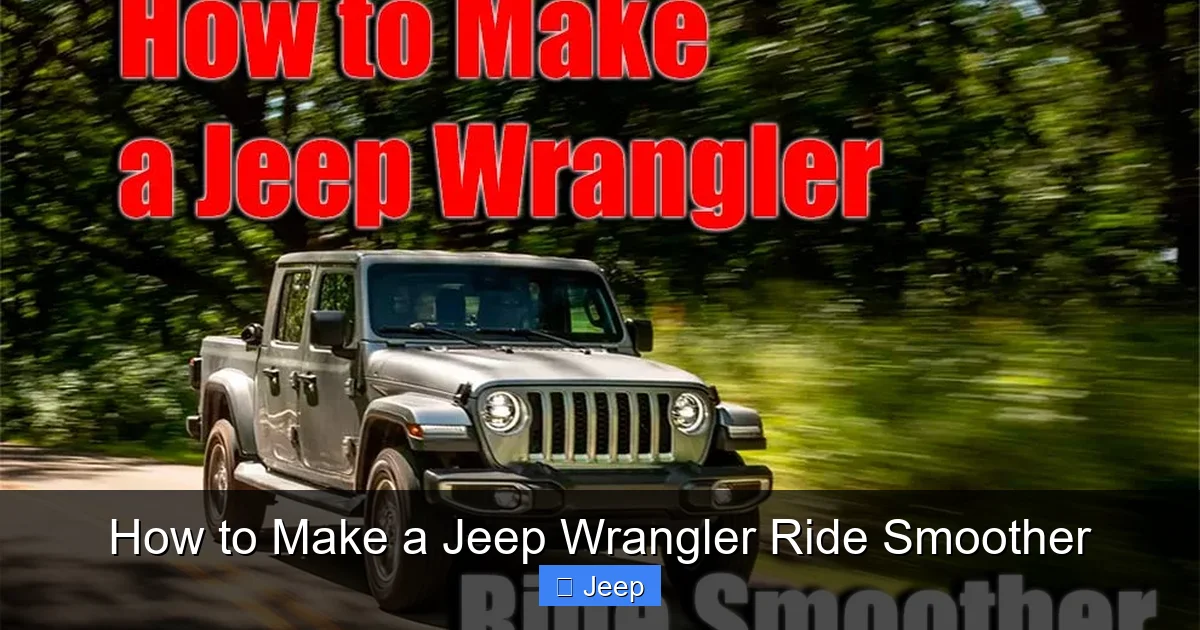
Visual guide about How to Make a Jeep Wrangler Ride Smoother
Image source: tonybassogm.com
Softening Your Tire Sidewalls
Factory Jeep tires often have hard sidewalls. This is great for off-road protection. It prevents punctures. But on the road, it transmits every bump. The hard sidewall does not flex. It pushes the impact straight into the cabin. You should look for tires with softer sidewalls.
Softer sidewalls flex over bumps. They absorb the impact. They act like a cushion. Your ride will feel much more compliant. Look for tires rated for highway comfort. They often have a softer rubber compound. They also have a softer sidewall construction.
Adjusting Tire Pressure
Tire pressure is a simple fix. Under-inflated tires absorb more shock. They create a softer ride. However, you cannot run them too low. Low pressure can cause blowouts. It also hurts fuel economy. You need to find the sweet spot.
Start with the recommended pressure. Then, let a little air out. Try ten pounds. Take it for a test drive. If it feels too soft, add a little air. Keep adjusting until you find the perfect balance. This is an easy and free way to improve your ride.
Drivetrain and Gearbox Adjustments
The drivetrain connects the engine to the wheels. It transfers power. If the drivetrain is not set up right, it causes vibration. This vibration makes the ride feel rough. You need to pay attention to your drivetrain settings. This is often overlooked by new owners.
Visual guide about How to Make a Jeep Wrangler Ride Smoother
Image source: aautomotives.com
Switching Gears Correctly
Many Jeep owners forget to switch out of 4WD. Driving in 4H on dry pavement is bad. It causes driveline bind. This creates a loud clunking noise. It also makes the truck shake. You must switch to 2H when on the highway.
If you have an automatic transmission, this is easy. You just need to know the right procedure. Learning how to switch from 2H to 4H Jeep Wrangler automatic is essential. It ensures a smooth transition. It protects your drivetrain. It also makes the highway ride much calmer. Always remember to switch back to 2H.
Managing Engine Start Stop
Modern Jeeps have an auto start stop feature. This turns off the engine at stops. It saves fuel. But it can be annoying. The sudden restart of the engine creates a jolt. This jolt disrupts the smoothness of the ride. It feels harsh. You can turn this feature off.
If the sudden jolt of the engine turning off bothers you, you should learn how to turn off auto start stop Jeep Cherokee. The process is similar across many Jeep models. Turning it off makes your stops seamless. It removes that harsh vibration. Your passengers will thank you.
Steering and Handling Improvements
Steering feedback tells you what the tires are doing. Harsh steering makes the whole truck feel rough. You want steering that is light and smooth. You do not want it to fight you. Improving your steering setup can make a big difference.
Installing a Steering Damper
A steering damper is a simple device. It reduces steering wobble. It smooths out the steering input. Without it, the wheel shakes over bumps. This shakes the whole cabin. A steering damper absorbs this energy. It keeps the wheel steady.
Installation is very easy. It mounts right on the steering column. It is a cheap upgrade. It makes a huge difference in comfort. Your hands will feel much less fatigue. The truck will feel more refined.
Adjusting Air Suspension
Some Jeep models have air suspension. This is a great feature. It adjusts the ride height. It can make the ride softer. But sometimes, the air suspension can cause issues. It can feel harsh if the air leaks. It can also bottom out easily.
If adjusting your air suspension is not helping, you have another option. Sometimes, you need a more mechanical solution. You might need to learn how to disable air suspension on a Jeep to get a flatter, more comfortable ride. This removes the complex air system. It replaces it with a fixed spring rate. Many owners prefer this for daily driving.
Weight Distribution and Interior Additions
The weight in your truck affects how it rides. A heavy truck rolls more. It takes longer to stop. It feels less nimble. You need to manage your weight carefully. This is a simple but effective way to improve ride quality.
Balancing Your Load
Keep heavy items low in the truck. Do not put them on the roof. The roof is high. It raises the center of gravity. This makes the truck feel tippy. It increases body roll. Put heavy gear in the trunk. Keep it low. This stabilizes the truck.
Distribute weight evenly. Do not load one side heavily. This causes the truck to pull. It makes the ride uncomfortable. Even weight distribution keeps the truck flat. It handles bumps much better. Your ride will feel more composed.
Adding Interior Comfort
You can also improve the feel inside the cabin. The truck vibrates. These vibrations travel through the seats. You can add seat cushions. This absorbs the vibrations. It makes the seats more comfortable. You can also add thicker floor mats.
Thick floor mats dampen noise. They reduce the rumble from the road. They make the cabin quieter. A quiet cabin feels smoother. You can also add steering wheel covers. They make the wheel softer to touch. These small touches add up.
Conclusion
Making a Jeep Wrangler ride smoother does not require a massive budget. You just need the right approach. Start with the tires. Adjust the pressure. Soften the sidewalls. Then, look at the suspension. Upgrade the shocks. Add helper springs if needed. Next, check the drivetrain. Switch to 2H on the highway. Turn off the start stop feature. Finally, manage the weight. Keep it low and even.
These changes will transform your truck. The harsh ride will fade away. You will get a smooth, comfortable cruise. You will still have the off-road capability. You just will not feel every bump on the pavement. Your passengers will notice the difference, too. They will actually enjoy the ride. You can finally take the long road trips. You will arrive comfortable and ready to explore.
Frequently Asked Questions
Can I make a Jeep Wrangler ride smoother without spending a lot of money?
Yes, you can. The cheapest way is to adjust your tire pressure. Letting a little air out softens the ride for free. You can also remove heavy items from the roof to lower the center of gravity. These simple steps cost nothing but make a big difference.
What type of tires are best for a smoother ride?
Look for tires with softer sidewalls. They flex over bumps instead of pushing the impact into the cabin. All-terrain tires with a comfort rating are great. They provide good off-road grip while soaking up road imperfections.
Does adding a steering damper help with ride quality?
Yes, it does. A steering damper reduces wheel wobble over rough surfaces. It keeps the steering wheel steady. This prevents the harsh shaking from traveling through the chassis. It makes the truck feel much more refined on the highway.
Should I run my Jeep in 2H or 4H on the highway?
You should always use 2H on the highway. Driving in 4H on dry pavement causes driveline bind. It creates a loud clunking noise and makes the truck shake. Always switch to 2H before hitting the pavement to ensure a smooth ride.
How much does it cost to upgrade Jeep shocks?
It varies by brand. Basic aftermarket shocks cost around one hundred fifty dollars. High-performance adjustable coilovers can cost five hundred dollars or more. You can find great mid-range options for around two hundred fifty dollars.
Will lifting my Jeep make the ride rougher?
Often, yes. A lift kit increases the leverage on the suspension. It can make the body roll more. It can also change the steering geometry. If you lift your Jeep, you should upgrade the shocks and springs to compensate for the extra height.