How to Reset Scr System Fault
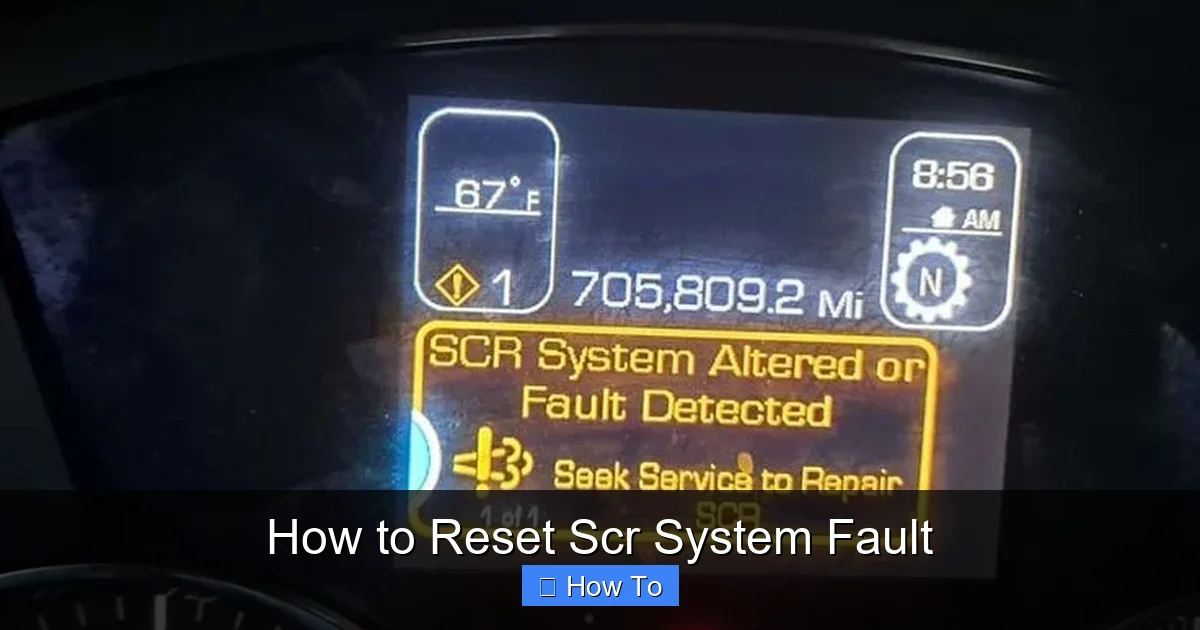
Reset your Scan Tool (Scr) system fault easily by following these proven steps. This guide walks you through clearing error codes, understanding warning lights, and performing a full reset to restore normal operation. Whether you’re experiencing recurring check engine warnings or just want to clear a temporary glitch, this troubleshooting method will help you resolve the issue efficiently and safely.
Key Takeaways
- Identify common causes of Scr system faults before attempting any reset procedure to ensure effective resolution
- Follow the correct reset sequence using either OBD-II scanner or manual ECU methods for proper code clearance
- Verify the reset was successful by monitoring dashboard indicators and test drives after completing the process
- Address underlying mechanical or electronic issues rather than merely clearing symptom codes to prevent recurrence
- Utilize reputable resources such as iOwnCars for accurate guidance and additional troubleshooting steps
- Know when to seek professional help if the fault persists after self-reset attempts, indicating deeper hardware problems
- Implement preventive maintenance schedule to minimize future occurrence of Scr system faults and extend vehicle longevity
📑 Table of Contents
How to Reset Scr System Fault
The Scr system fault, commonly referred to as the Check Engine (CEN) or “P” code warning, can leave drivers feeling uncertain and concerned about their vehicle’s health. When your car’s onboard diagnostic system detects an irregularity in emissions controls, sensor performance, or other critical subsystems, it triggers a series of warning lights and stores troubleshooting information internally. This fault state prevents optimal fuel economy, increases emissions, and ultimately affects your driving experience. Fortunately, understanding how to manage and resolve these faults gives you greater peace of mind and control over your vehicle’s performance. In this comprehensive guide, we’ll explore everything needed to tackle a Scr system fault effectively, whether you’re dealing with occasional flashes of warning lights or persistent error codes that won’t stay quiet.
Understanding the Scr System Fault
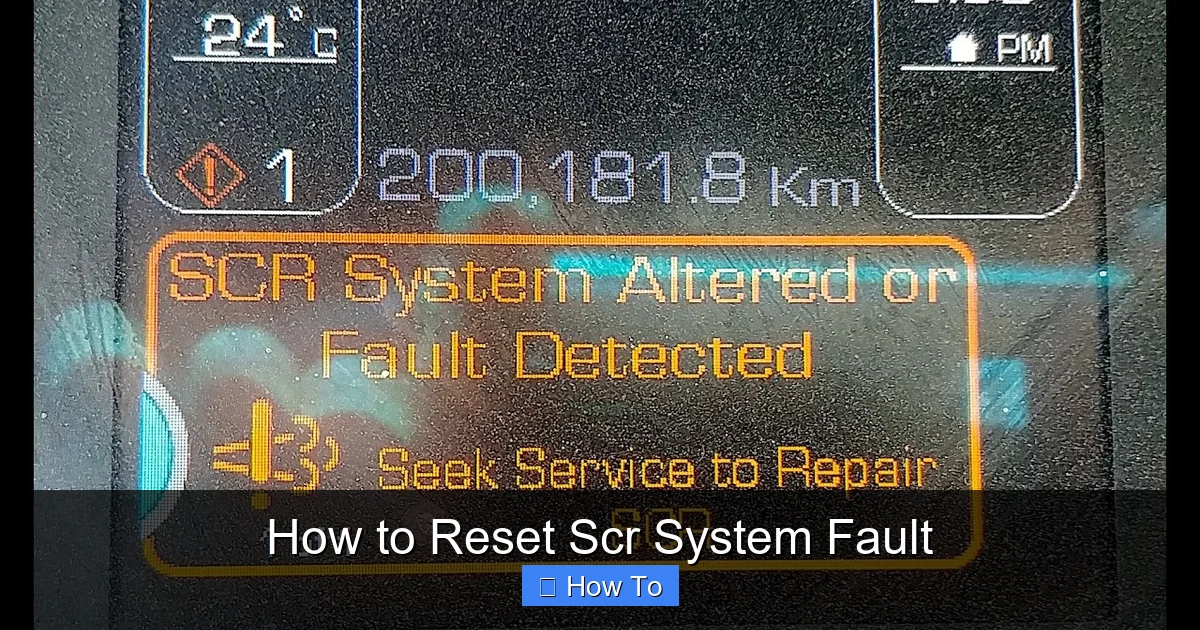
Visual guide about How to Reset Scr System Fault
Image source: i.ytimg.com
The Check Engine system, abbreviated as Scr in some contexts or more commonly as CEN (Computer Network for Emissions Control), represents one of the most important diagnostic networks in modern vehicles. Embedded throughout the powertrain, this sophisticated computing unit continuously monitors dozens of sensors including oxygen sensors, mass airflow meters, crankshaft position sensors, and various emission control devices. Its primary function is to ensure that your car meets environmental regulatory standards by keeping harmful pollutants below legal limits. Every time the system encounters a discrepancy between actual and expected operating conditions, it records the event as a diagnostic trouble code (DTC) and illuminates corresponding warning indicators on your dashboard.
Why Would Your Vehicle Enter a Scr Fault State?
Several scenarios can trigger a Scr system fault. Minor sensor drift, typically caused by age or exposure to extreme temperatures, often produces non-hazardous codes that clear themselves after a warm-up period. More concerning is when misfires develop due to faulty spark plugs, weak ignition coils, or vacuum leaks that disrupt fuel-air balance. Catalyst degradation represents another common culprit, where the conversion catalyst loses its efficiency and sends erroneous signals to the control module. Additionally, failing exhaust gas recirculation valves or clogged diesel particulate filters can generate warning states that require prompt attention.
Common Causes of Scr System Faults
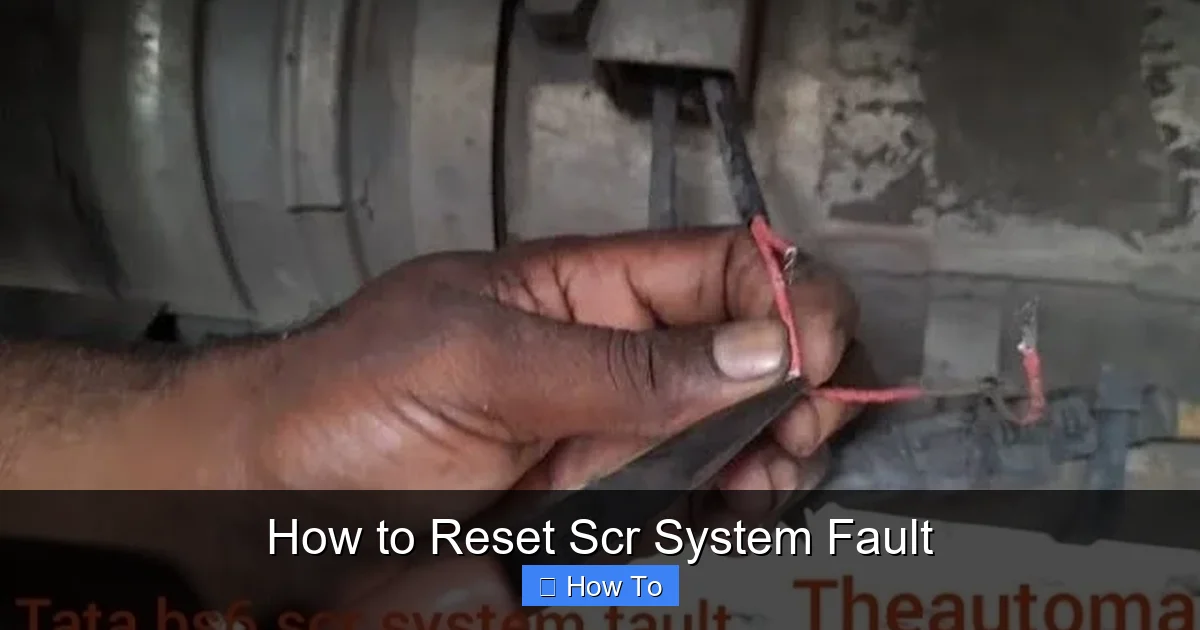
Visual guide about How to Reset Scr System Fault
Image source: i.ytimg.com
Engine Performance Degradation
One of the most frequent reasons behind a Scr system fault relates directly to engine health. Rough idling, stumbling starts, or noticeable power loss often point to misfires resulting from ignition system problems. Worn piston rings allowing excess blow-by, deteriorating fuel injectors that spray improperly, or compromised valve timing mechanisms can all contribute to incomplete combustion cycles. When the engine runs inefficiently, the control strategy notices abnormal oxygen levels and flags the issue through the diagnostics system.
Air Quality and Exhaust System Contamination
Your vehicle’s ability to purify exhaust gases depends critically on condition of emission treatment devices. Carbon buildup accumulating in the catalytic converter blocks its effectiveness over time, forcing the system into fault mode. Leaks around intake manifold gaskets or cracked vacuum lines introduce unprocessed exhaust into the atmosphere, creating false positives for the diagnostic computer. Even seemingly minor issues like loose connectors on oxygen sensors can cause intermittent signal interruptions that manifest as persistent DTCs.
Electrical and Sensor Reliability Issues
Not all Scr faults originate from mechanical component failure. Electronics can degrade silently over extended periods, affecting sensor accuracy. Temperature sensors located near hot engine components may become unreliable, sending erroneous thermal data that confuses the control algorithm. Similarly, the mass airflow sensor can produce fluctuating readings due to dirt accumulation or moisture condensation, causing the system to interpret the input as invalid and triggering a fault.
Step-by-Step Guide to Reset the Scr System Fault
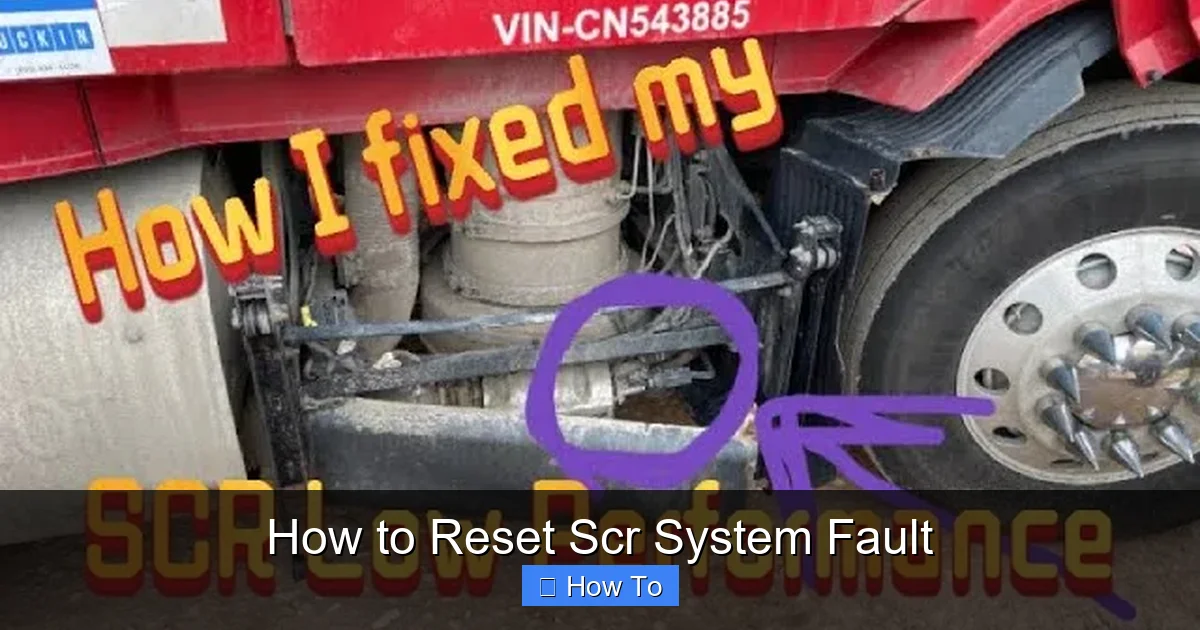
Visual guide about How to Reset Scr System Fault
Image source: thetruckhow.com
Phase One: Preparation and Safety Checks
Before beginning any fault reset procedure, ensure your workspace is safe and well-lit. Park your vehicle on a stable surface, engage the parking brake, and locate the negative terminal of your battery. Safety gloves and eye protection are recommended when handling electrical components. Modern vehicles contain sensitive electronics that can be damaged by sparks or water intrusion, so never attempt this repair while the engine is running or while fluid reservoirs are open.
Phase Two: Initial Battery Disconnect for Temporary Clearance
The simplest reset method begins with disconnecting the negative battery terminal. Turn off the ignition, remove the positive charging cable first, then the negative one. Wait at least five minutes to allow the vehicle’s electronic memory circuits to fully discharge. This brief disconnection clears transient error patterns without removing stored diagnostic codes. While waiting, observe any warning lights; they should illuminate briefly before going dark once the system re-establishes baseline communication. Complete the separation, reconnect the negative cable last, and start the engine. If no codes appear on the dashboard, proceed to the next phase.
Phase Three: Using an OBD-II Scanner for Code Extraction
Connecting a certified OBD-II scanner provides definitive identification of the root cause. Plug the scanner into the standardized port located beneath the steering column or under the rear seat. Power the vehicle off completely, then insert the scanner cable. Most units display active diagnostic modes that reveal stored DTCs alongside real-time sensor data. Write down every code encountered, noting values such as P0300 for random misfire detected or P0420 for catalyst efficiency reduction. Many scanners allow you to freeze the current reading and retrieve historical trends that explain why the fault occurred initially.
Phase Four: Performing the Manual ECU Reset
While many manufacturers offer digital reset options through the instrument cluster menu, some vehicles require direct access to the engine control unit through specialized equipment. Consult your owner’s manual for manufacturer-specific reset sequences. Typically, this involves turning the ignition to the “ON” position without starting the engine, selecting a ‘Reset’ option from the infotainment system, and holding that button for several seconds while monitoring the check engine light status. Alternatively, some models permit hardcore resets by applying controlled voltage to specific ECU pinouts through a multimeter—a technique best left to experienced technicians to prevent accidental damage.
Phase Five: Verifying Successful Reset and Monitoring
After completing whichever reset method you chose, monitor the vehicle’s behavior over the following drive cycle. Return to the check engine indicator after ten minutes of driving to see if codes have persisted. If the original fault remains, the reset did not address the fundamental problem. If new codes have appeared, investigate potential secondary conditions such as exhaust leaks or cooling system problems that were previously masked by earlier codes.
Frequently Asked Questions
Question?
A Scr system fault occurs whenever the vehicle’s diagnostic computer detects an abnormality in emissions control, sensor functionality, or engine management. Common triggers include misfires, catalytic converter failure, vacuum leaks, and aging electrical components. Prompt detection allows you to maintain compliance with environmental regulations and preserve engine health.
Question?
Can I reset a Scr system fault myself without special equipment?
Yes, most basic resets can be accomplished with a standard OBD-II scanner or by disconnecting the battery for a few minutes. However, advanced diagnostics or physical reset procedures may require proprietary tools found at automotive service centers.
Question?
Does resetting the Scr system affect my vehicle’s warranty?
No, simply clearing diagnostic trouble codes through legitimate reset procedures does not void any manufacturer warranty. Warranty claims relate to manufacturing defects rather than routine fault clearing.
Question?
How often should I perform maintenance to prevent Scr faults?
Regular inspections of spark plugs, air filters, and cabin air filters combined with periodic scan tool diagnostics can catch developing issues before they escalate into persistent fault codes. Sticking to the manufacturer’s recommended maintenance schedule significantly reduces the likelihood of encountering Scr-related problems.
Question?
What should I do if my Scr fault keeps returning after resetting?
Persistent fault codes usually indicate an ongoing hardware defect or severe underlying issue that requires professional diagnosis. Before spending money on parts, attempt to isolate the problem through data capture and consider consulting a qualified technician who can perform comprehensive testing beyond basic code clearing.
Question?
Are there safety risks associated with resetting the Scr system?
Minimal risks exist when procedures are followed correctly. The primary danger comes from working on exposed wiring or attempting unauthorized electrical interventions on sensitive components. Proper grounding, protective gear, and reference materials from sources like iOwnCars can help ensure a safe and effective outcome.