How to Reset Windshield Fluid Light

If your windshield fluid light stays on, a quick reset can clear the warning and restore clear visibility. Follow the easy steps below to reset the light yourself, and you’ll avoid unnecessary trips to the shop. Keeping the fluid topped up and the light reset ensures safe driving in all weather.
Driving with a dirty windshield can be dangerous, especially when rain or snow hits. Many drivers notice a small orange or yellow icon that looks like a windshield wiper with droplets. This icon is the windshield fluid light, and it tells you that the cleaning system needs attention. In this guide we’ll walk you through How to Reset Windshield Fluid Light step by step. You’ll learn why the light appears, how to reset it on most popular cars, and what to do if it keeps coming back. By the end of this article, you’ll feel confident handling the reset yourself and keeping your view clear.
Key Takeaways
- Point 1: The windshield fluid light warns when the fluid level is low or the system needs attention.
- Point 2: Most resets involve turning the ignition on, locating the reset button, and pressing it until the light blinks.
- Point 3: Consult your owner’s manual for the exact location of the reset button on your specific model.
- Point 4: After resetting, monitor the light; if it returns, the fluid reservoir may need refilling or there could be a leak.
- Point 5: Regular maintenance of the windshield fluid system prevents unexpected warning lights.
- Point 6: If the light persists, consider using a diagnostic tool or seek professional help.
- Point 7: Knowing How to Reset Windshield Fluid Light saves time and money while keeping your car clean.
📑 Table of Contents
- How to Reset Windshield Fluid Light: Understanding the Light
- How to Reset Windshield Fluid Light: Why It Lights Up
- How to Reset Windshield Fluid Light: Different Methods for Different Cars
- How to Reset Windshield Fluid Light: Tips for Maintaining Proper Fluid Levels
- How to Reset Windshield Fluid Light: When to Seek Professional Help
How to Reset Windshield Fluid Light: Understanding the Light
When you turn the key to the “ON” position, the car runs a quick self‑check. During this check, the onboard computer looks at the windshield fluid level and sensor. If the level is below the recommended mark, the How to Reset Windshield Fluid Light will illuminate. This light can also flash when the system detects a fault, such as a broken pump or a clogged nozzle. Understanding the reason behind the light is the first step in any successful reset.
What Triggers the Light?
Low fluid is the most common cause. The reservoir may have been overlooked during your last oil change. Another trigger is a faulty pressure switch that tells the computer the tank is empty when it isn’t. In some models, a broken wiper motor can also cause the light to stay on. By checking the fluid level first, you can often rule out a serious issue and move straight to the reset.
Quick Check Before Resetting
Open the hood and locate the windshield fluid reservoir. It’s usually a translucent plastic bottle with “washer” markings. Squeeze the bottle; if the fluid flows freely and the level is above the “MIN” line, the system is likely fine. If the fluid is low, top it up with the recommended washer fluid. After topping up, you can proceed with the reset. This simple check saves time and prevents unnecessary button‑pressing.
How to Reset Windshield Fluid Light: Why It Lights Up
Even after topping up the fluid, the light may stay on because the computer hasn’t been reset. The How to Reset Windshield Fluid Light process clears the stored error code. Most cars have a reset button hidden behind the dashboard near the wiper controls. You’ll need to locate it in your owner’s manual. Once found, the reset is usually as simple as pressing the button for three to five seconds until you see the light flicker.
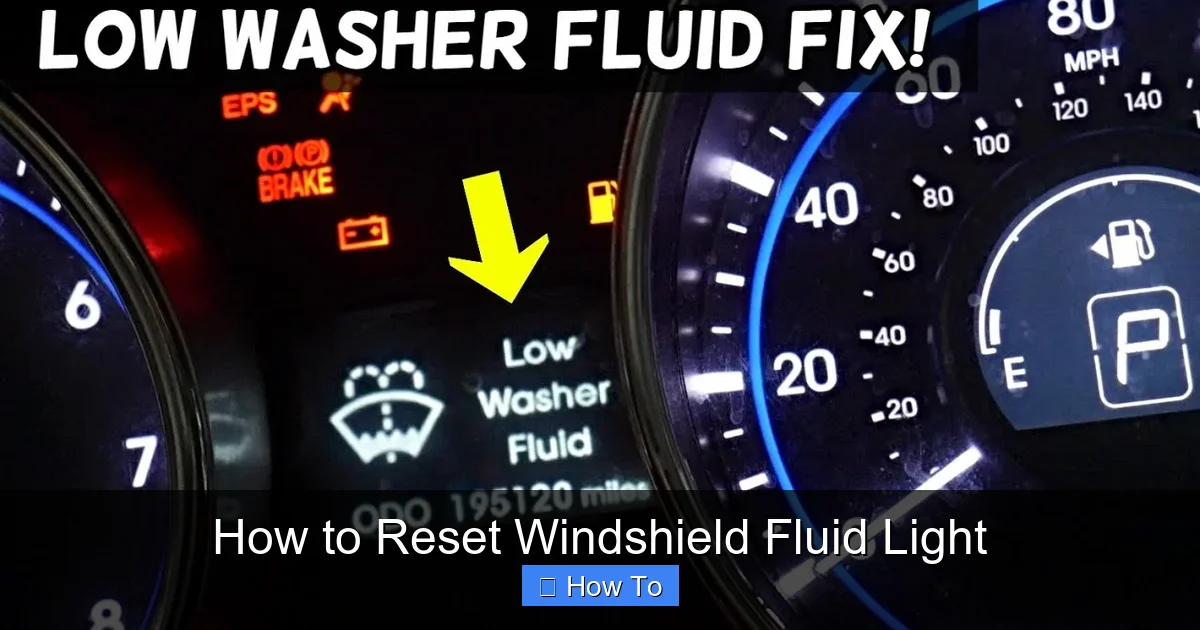
Visual guide about How to Reset Windshield Fluid Light
Image source: i.ytimg.com
Finding the Reset Button
Start by reading the driver’s side footwell. Some models have a small button labeled “Reset” or “WIPER”. Others hide it behind a cover that may need a screwdriver to remove. If you can’t find it, search the internet for “How to Reset Windshield Fluid Light” plus your vehicle’s make and model. Many forums include photos of the exact location. For example, owners of the 2021 Toyota RAV4 often find the button under the left side of the dashboard.
Step‑by‑Step Reset Procedure
1. Turn the ignition key to the “ON” position without starting the engine. The dashboard lights will come on.
2. Locate the reset button (see above).
3. Press and hold the button for 3‑5 seconds. You may feel a click or see the light start to blink.
4. Release the button. The light should turn off after a few seconds.
5. Turn the engine off, then start it. The light should stay off, confirming a successful reset.
If the light remains on after this process, the issue may be deeper. In that case, you might need to reset the entire system. Many drivers find that a full system reset—often done by disconnecting the battery for a minute—clears stubborn warnings. However, be sure to note any loss of settings (radio presets, clock) before you disconnect.
How to Reset Windshield Fluid Light: Different Methods for Different Cars
Not every vehicle follows the same reset pattern. Some manufacturers use a multi‑stage process, while others rely on a simple button press. Understanding these variations helps you apply the correct method for your car.
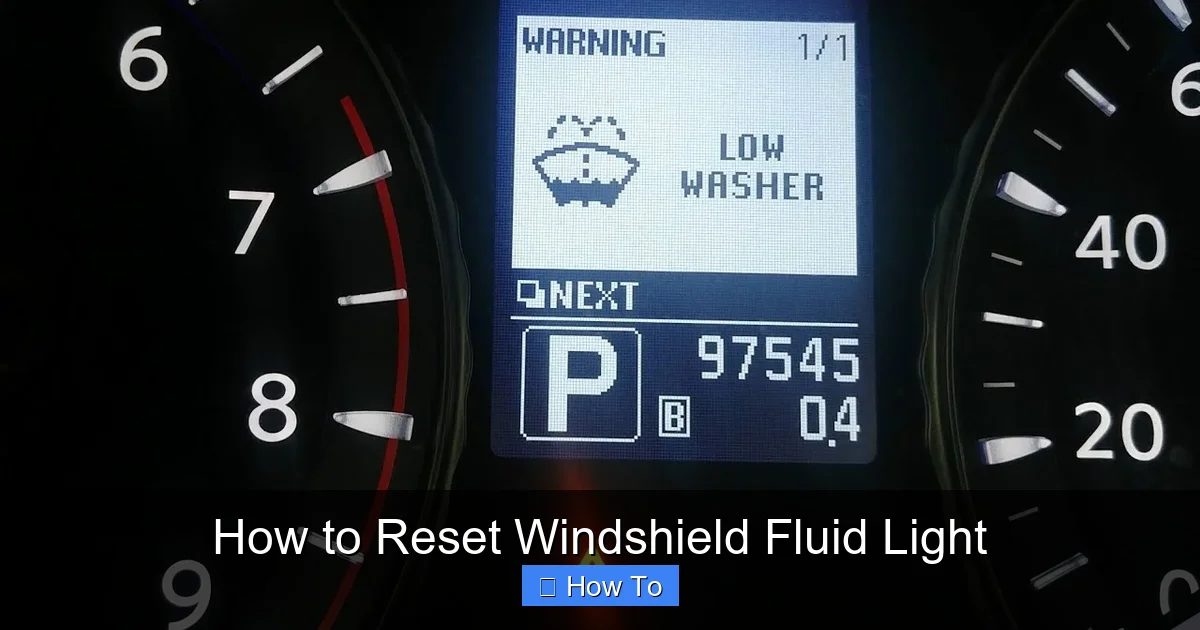
Visual guide about How to Reset Windshield Fluid Light
Image source: i.ytimg.com
Toyota and Lexus Models
For most Toyota and Lexus vehicles, the reset is straightforward. Turn the key to the “ON” position, press the wiper switch up once, then press the “Reset” button located near the steering column. The light will flash and then go out. If you own a 2020 Toyota RAV4, you can also try turning the wipers on and off three times before turning the key off. This method works because the system registers the wiper usage as a reset signal. If you need to reset other warning lights, check out our guide on How To Reset The Maintenance Light On A Toyota.
Hyundai and Kia Vehicles
Hyundai and Kia models often require you to press a dedicated “Wiper Fluid” button on the steering wheel or dashboard. Hold it for about five seconds while the ignition is on. The light will pulse, indicating a successful reset. If the light stays on, you may need to clear the code using an OBD‑II scanner. Many DIYers find that a scanner is the most reliable way to reset these lights when the button method fails.
Ford, Chevrolet, and Other American Brands
American brands typically use a similar button approach but sometimes hide it behind a panel. Look for a small recessed button near the left side of the dashboard. Press it with a pen or the tip of a key. The light will blink and then turn off. If you’re unsure, consult the owner’s manual. You can also find step‑by‑step instructions in our article on How To Reset The Battery Light On A Toyota Corolla, which covers many similar reset procedures.
How to Reset Windshield Fluid Light: Tips for Maintaining Proper Fluid Levels
Resetting the light is only part of the solution. Keeping the fluid at the right level prevents the warning from returning. Here are some practical tips to maintain a clean and clear view.
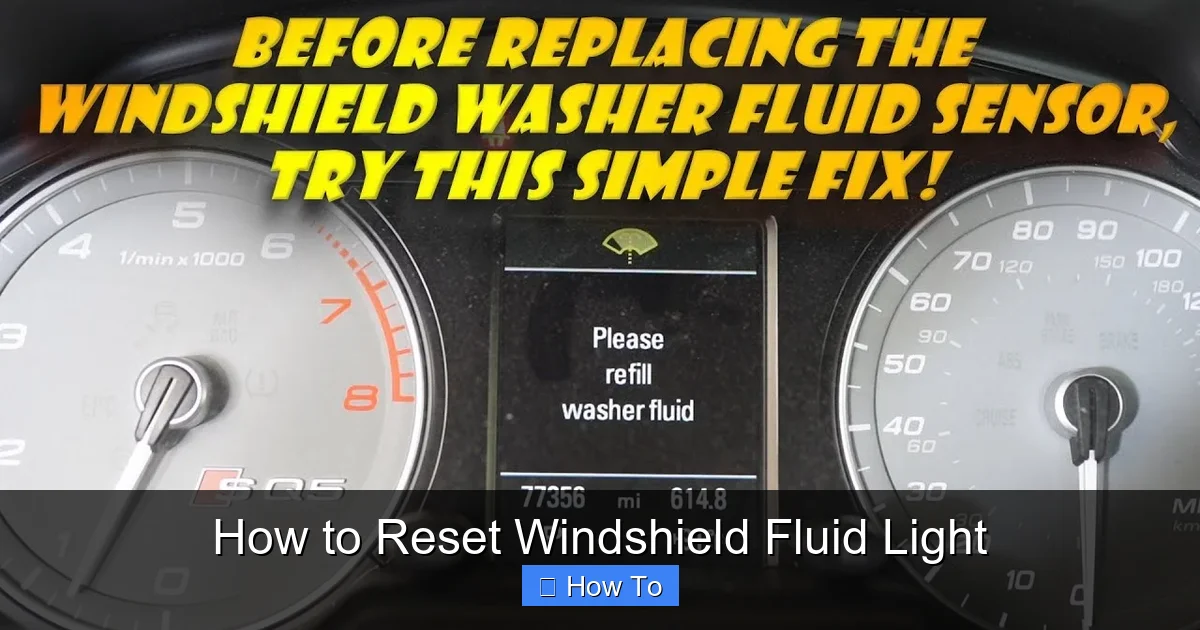
Visual guide about How to Reset Windshield Fluid Light
Image source: i.ytimg.com
Choose the Right Fluid
Not all windshield fluids are created equal. Use a solution that is rated for all temperatures and contains no harsh chemicals that can damage seals. Some fluids include a de‑icing additive, which is handy for winter driving. Always check the bottle for compatibility with your vehicle’s system.
Check the Reservoir Regularly
Make the fluid check part of your routine maintenance. Once a month, pop the hood and look at the reservoir. If the level is low, top it up before you notice the light. This habit also lets you spot cracks or leaks early, saving you from costly repairs later.
Clean the Nozzles
Clogged nozzles can cause the light to stay on even when fluid is present. Use a pin or a thin wire to clear any debris from the spray holes. You can also run the wipers on high for a few seconds to flush out dirt. Clean nozzles ensure the fluid reaches the glass evenly.
Inspect the Wiring
Sometimes the light stays on because of a faulty sensor wire. Look for any signs of corrosion or broken strands near the reservoir. A simple contact cleaner can restore proper connection. If you’re not comfortable working with electrical components, take the car to a certified technician.
How to Reset Windshield Fluid Light: When to Seek Professional Help
Most resets are simple DIY tasks, but there are times when professional intervention is needed. Knowing when to call a mechanic can save you time and prevent further damage.
Persistent Light After Reset
If the light returns within a day or two after resetting, there is likely a deeper issue. A low fluid level, a leak, or a failing pump can cause repeated warnings. A mechanic can pressure‑test the system and identify any leaks.
Multiple Warning Lights Simultaneously
When the windshield fluid light appears alongside the oil light or battery warning, you may have a broader electrical problem. In this case, a diagnostic scan is essential. Many modern cars store error codes that a scanner can read. If you need to reset other warning lights, you can refer to our guide on How To Reset The Oil Light On Toyota for similar steps.
Strange Noises or Smells
Listen for rattling noises when the wipers are activated. Smell for burning plastic or coolant. These symptoms indicate mechanical failure that a professional should address. Ignoring them can lead to more expensive repairs down the road.
Age of the Vehicle
If your car is over ten years old, the windshield fluid system may be nearing the end of its service life. A technician can assess whether a full system replacement is more cost‑effective than repeated resets.
By following the steps in this guide, you’ll be able to reset the windshield fluid light confidently and keep your car’s cleaning system operating smoothly. Remember, regular checks and timely resets are the best defense against unexpected warnings. With a little know‑how, you can handle most issues without visiting a repair shop.
Frequently Asked Questions
What does the windshield fluid light mean?
The light indicates that the windshield washer fluid level is low or that the system’s sensors have detected a problem. It usually appears as a droplet icon with a wiper blade.
Can I reset the light without refilling the fluid?
Yes, you can often reset the light by pressing the reset button or following the steps in your owner’s manual. However, if the fluid is truly low, the light may return after a short time.
How often should I check the windshield fluid?
Check the fluid level at least once a month, or during your regular oil change. Low fluid can cause the light to stay on and reduce visibility.
Where is the reset button located?
The reset button varies by make and model. It is often found near the wiper controls on the driver’s side dashboard or under a panel behind the left footwell. Consult your owner’s manual for the exact location.
What if the light stays on after resetting?
Persistent illumination suggests a low fluid level, a leak, or a faulty sensor. Top up the fluid, inspect for leaks, and if the problem continues, have the system diagnosed by a professional.
Do I need special tools to reset the light?
Most resets require only your key or the ignition switch. Some vehicles may need an OBD‑II scanner for a full system reset. Check your manual for any recommended tools.