How to Get Water Stains Out of Headliner
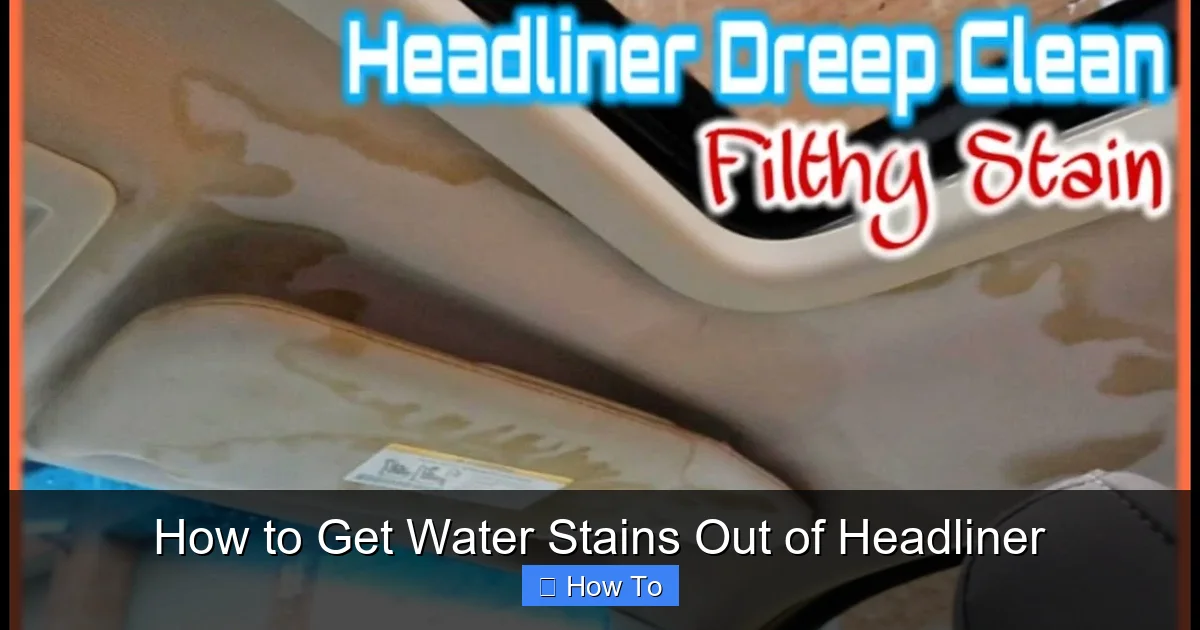
Water stains on your car’s headliner can ruin the look of your interior, but they can often be removed with the right techniques. This guide provides step-by-step methods, prevention tips, and when to seek professional help to restore your headliner’s appearance.
Key Takeaways
- Identify the cause: Water stains often stem from leaks, condensation, or moisture buildup, so addressing the root issue is critical.
- Test solutions first: Always try cleaning methods on a small, hidden area to avoid damaging the headliner.
- Use household items: Baking soda, white vinegar, and dish soap can effectively remove stains without harsh chemicals.
- Professional help is key: Severe damage may require replacing the headliner or consulting a car detailer.
- Prevent future stains: Fix leaks, use dehumidifiers, and ensure proper ventilation to keep your headliner dry.
- Avoid over-wetting: Too much moisture can worsen stains or damage the headliner’s material.
- Act quickly: Prompt action reduces the risk of permanent stains or mold growth.
📑 Table of Contents
Understanding Water Stains on Car Headliners
Water stains on your car’s headliner are more than just an eyesore—they can signal deeper issues with your vehicle’s seals or ventilation. These stains typically appear as dark, discolored rings or patches, often caused by trapped moisture from rain, condensation, or even high humidity. If left untreated, they can lead to mold, material degradation, or a musty odor. Before diving into removal methods, it’s crucial to understand how these stains form and what materials you’re working with.
Why Do Water Stains Form?
Car headliners are usually made of fabric or foam-backed material that absorbs moisture easily. When water seeps in—whether from a leaky sunroof, windshield, or door seal—it soaks into the headliner. As the water evaporates, it leaves behind minerals and impurities, creating visible stains. In humid climates, condensation can also accumulate, especially during temperature changes. For example, a faulty Toyota Tacoma AC system might not drain properly, causing water to pool on the dashboard and seep into the headliner.
Step-by-Step Guide to Removing Water Stains
Removing water stains requires patience and the right approach. Rushing the process can worsen the damage, so follow these steps carefully:
Step 1: Assess the Damage
Examine the stain closely. Is it a recent, light discoloration, or a deep, set-in mark? For fresh stains, a gentle cleaning method may suffice. Older stains might need stronger solutions or professional intervention. Also, check if the headliner is fabric or vinyl, as different materials require different treatments.
Step 2: Clean the Area Gently
Start by vacuuming the headliner to remove loose debris. Use a soft-bristle brush attachment to avoid scratching the surface. For light stains, try a mixture of warm water and mild dish soap. Dampen a clean cloth with the solution and gently blot the stain—avoid rubbing, which can spread the moisture or damage the material.
Step 3: Use a Baking Soda Paste
For stubborn stains, create a paste of baking soda and water. Apply it to the affected area and let it sit for 15–20 minutes. The baking soda absorbs moisture and helps lift the stain. Gently scrub with a soft brush, then wipe away residue with a damp cloth. If the headliner has a cigarette burn or other damage nearby, this method can work similarly to address surface-level issues.
Step 4: Try a Vinegar Solution
Mix equal parts white vinegar and water in a spray bottle. Lightly mist the stained area, then blot with a microfiber cloth. Vinegar helps break down mineral deposits left by evaporated water. Test this solution on a small, inconspicuous area first to ensure it doesn’t discolor the headliner.
Step 5: Commercial Headliner Cleaner
If DIY methods fail, consider a specialized headliner cleaner. Products like Lexol or 303 Aerospace Protectant are designed for automotive interiors. Follow the manufacturer’s instructions, typically applying the cleaner with a soft cloth and buffing to a shine. Always test on a hidden spot first.
Preventing Future Water Stains
Once your headliner is restored, take steps to prevent future stains. Start by inspecting your car’s seals—door gaskets, sunroof drains, and windshield molding should be intact and properly seated. A professional can check for leaks, such as a faulty Toyota Sienna AC system that might allow water to accumulate. Additionally, use a dehumidifier in enclosed spaces or park in a garage during rainy seasons to reduce humidity.
Moisture Management Tips
- Regular maintenance: Clean drains and seals every few months to prevent blockages.
- Avoid prolonged exposure: Use a car cover during heavy rain to minimize water ingress.
- Use moisture absorbers: Place silica gel packs or charcoal bags inside the car when parked for extended periods.
When to Seek Professional Help
If stains persist after multiple attempts, or if the headliner is swollen, discolored, or has mold growth, it’s time to consult a professional. Attempting aggressive treatments could worsen the damage. A car detailer or upholstery specialist can assess whether the headliner needs deep cleaning, re-dyeing, or replacement. Some shops also offer odor-removal services to tackle mold or mildew issues.
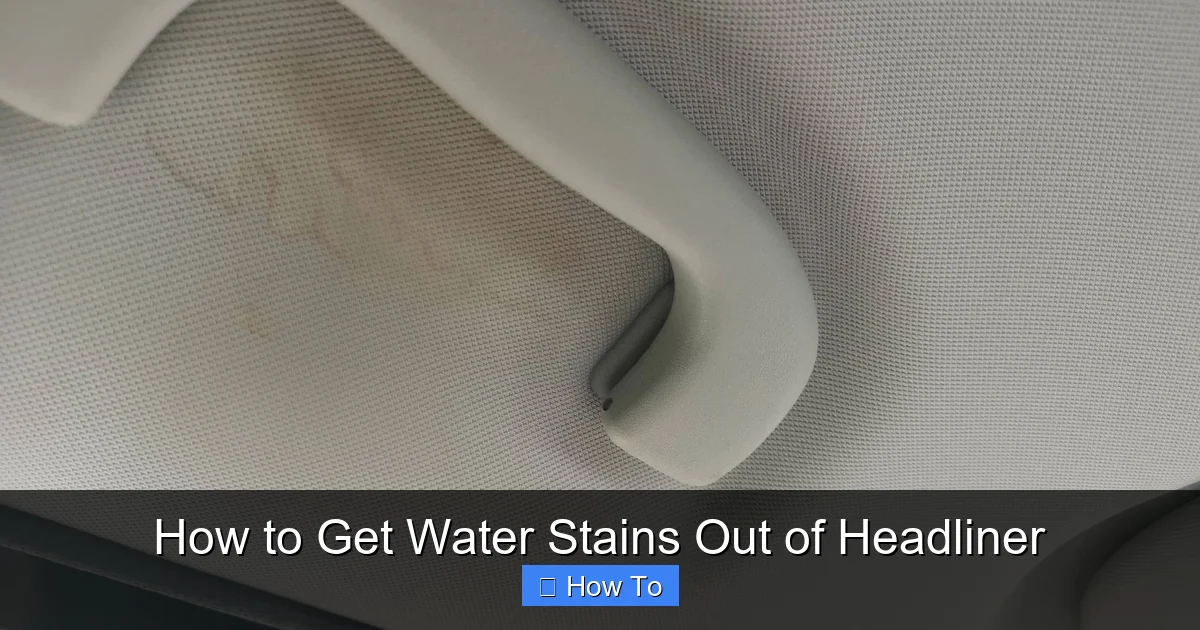
Visual guide about How to Get Water Stains Out of Headliner
Image source: beezzly.com
Choosing the Right Professional
Look for a service with experience in automotive interiors. Check reviews and ask about their process for handling delicate materials like headliners. Some detailing shops offer warranties on their work, which can provide peace of mind. For example, if you own a Toyota vehicle, inquire if they have experience with your specific model’s interior materials.
Maintaining a Healthy Headliner
Prevention is the best remedy. Regularly inspect your car’s exterior for signs of damage, such as cracked seals or clogged drains. Keep the interior dry by wiping down surfaces after rain or snow. Use a fabric protector spray designed for automotive use to create a moisture-resistant barrier. Lastly, avoid leaving wet items—like umbrellas or damp clothing—on the headliner, as this accelerates staining.
Conclusion
Water stains on your headliner don’t have to be a permanent blemish. With the right techniques and a bit of patience, you can restore your car’s interior to its former glory. Start with gentle cleaning methods, address any underlying leaks, and don’t hesitate to seek professional help if needed. By staying proactive, you can enjoy a fresh, stain-free headliner for years to come.
Frequently Asked Questions
Can water stains damage my car’s headliner permanently?
Yes, prolonged exposure to moisture can cause irreversible damage, including mold growth, material warping, or discoloration. Acting quickly reduces this risk.
What’s the best product for removing water stains from a fabric headliner?
Commercial cleaners like Lexol or DIY solutions like baking soda paste are highly effective. Always test on a small area first to avoid damage.
Can I use bleach to remove water stains?
Avoid bleach, as it can fade or damage the headliner’s material. Stick to mild solutions like dish soap or vinegar for safe results.
How do I prevent water stains from recurring?
Fix leaks promptly, use a dehumidifier, and keep the interior dry. Regular maintenance of seals and drains is also essential for long-term prevention.
Will rubbing alcohol remove water stains from my headliner?
Rubbing alcohol can help with light stains, but it’s best mixed with water or used as part of a commercial cleaner. Always test on a hidden area first.
Should I replace my headliner if stains are severe?
If stains are deep or accompanied by mold, replacement may be necessary. Consult a professional to evaluate the extent of damage and determine the best course of action.