How Long Before Ceramic Coating Can Get Wet
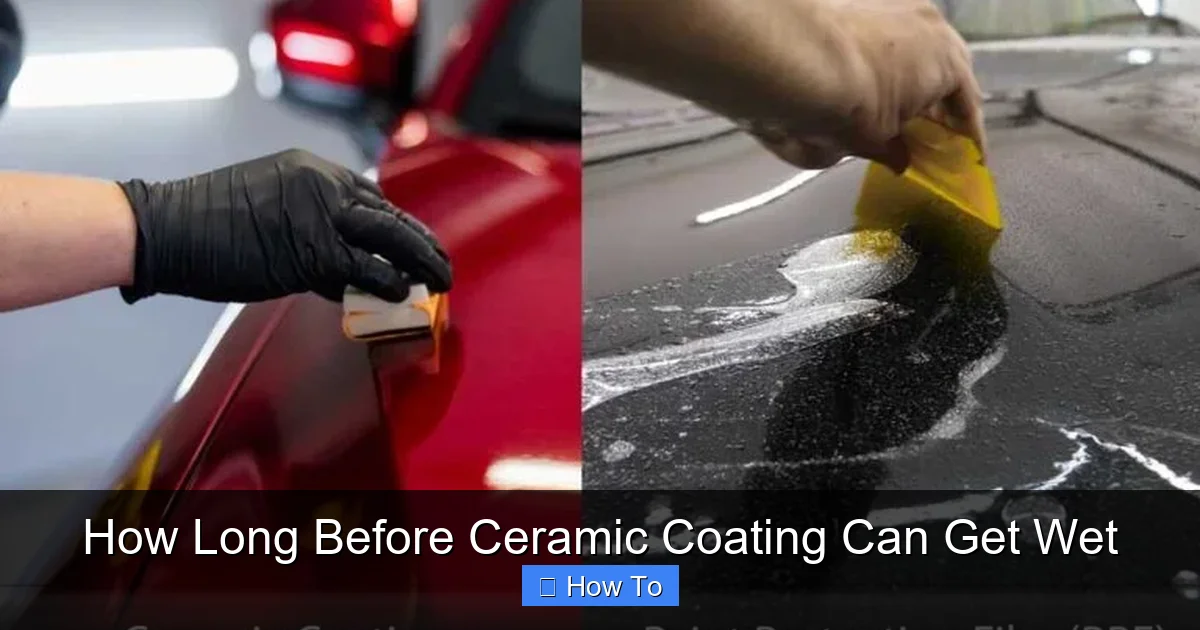
Ceramic coating typically requires 24 to 48 hours to fully cure before exposure to water. However, the exact timeframe depends on factors like temperature, humidity, and the specific product used. Proper curing ensures optimal protection and longevity of your vehicle’s finish.
Key Takeaways
- Curing Time: Most ceramic coatings need 24-48 hours before getting wet, but full cure can take up to 7 days.
- Environmental Factors: Temperature, humidity, and airflow significantly impact curing speed.
- Product Variation: Different brands and types of ceramic coatings have varying cure times.
- Proper Preparation: Following application instructions carefully prevents issues during curing.
- Rain Considerations: Light rain may be okay after 24 hours, but heavy water exposure should wait longer.
- Maintenance Timing: Avoid washing your car for at least one week after coating application.
📑 Table of Contents
Understanding Ceramic Coating Curing Process
So you’ve just had ceramic coating applied to your vehicle, and now you’re wondering when you can take it for a wash or drive through that sudden summer shower. This is one of the most common questions people ask after getting their cars coated. The answer isn’t always straightforward because several factors influence how long you need to wait before ceramic coating can get wet.
Ceramic coating is essentially a liquid polymer that bonds with your car’s paint surface at a molecular level. Unlike traditional wax that sits on top of the paint, ceramic coating becomes part of the surface itself. This chemical bonding process is what gives it superior durability and protection, but it also means the coating needs time to fully cure and harden.
What Happens During the Curing Process
During the curing phase, the liquid coating undergoes a chemical transformation. Solvents evaporate, and the remaining compounds cross-link to form a solid, protective layer. This process generates heat and requires adequate ventilation to proceed properly. Rushing this process by exposing the coating to water too early can compromise its integrity and effectiveness.
You might notice that the coating feels slightly tacky or soft immediately after application. This is completely normal and indicates that the curing process is still active. As time passes, the coating will gradually harden and develop its full protective properties.
Standard Drying Times and Timeframes
Most professional ceramic coating installations recommend waiting 24 to 48 hours before exposing the surface to water. However, this timeframe can vary significantly depending on several key factors. Let’s break down what you can typically expect:
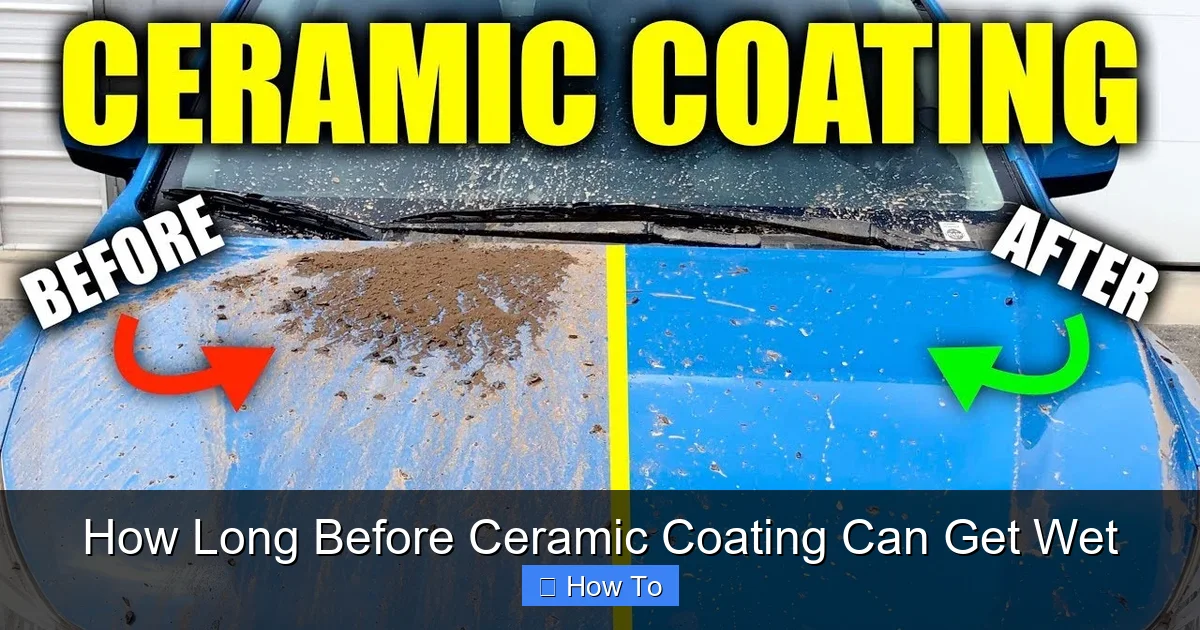
Visual guide about How Long Before Ceramic Coating Can Get Wet
Image source: i.ytimg.com
Initial Water Resistance Timeline
After approximately 24 hours, most ceramic coatings achieve initial water resistance. This means light rain or brief water exposure shouldn’t cause significant damage. However, we strongly recommend avoiding intentional washing during this period to ensure optimal results.
If you absolutely must drive through water within the first day, try to minimize exposure time and avoid standing water. The coating may not have developed sufficient strength to handle prolonged water contact effectively.
Full Cure Period
While initial water resistance occurs within 24-48 hours, full cure typically takes 5-7 days. During this extended period, the coating continues to strengthen and develop its maximum protective capabilities. Think of it like concrete – it might be walkable after a day, but it reaches full strength over a week.
Many coating manufacturers specify that the coating reaches 90% of its protective capacity within 48 hours, with the remaining 10% developing over the following week. This gradual strengthening process is why patience during the initial period pays dividends in long-term performance.
Factors That Influence Curing Speed
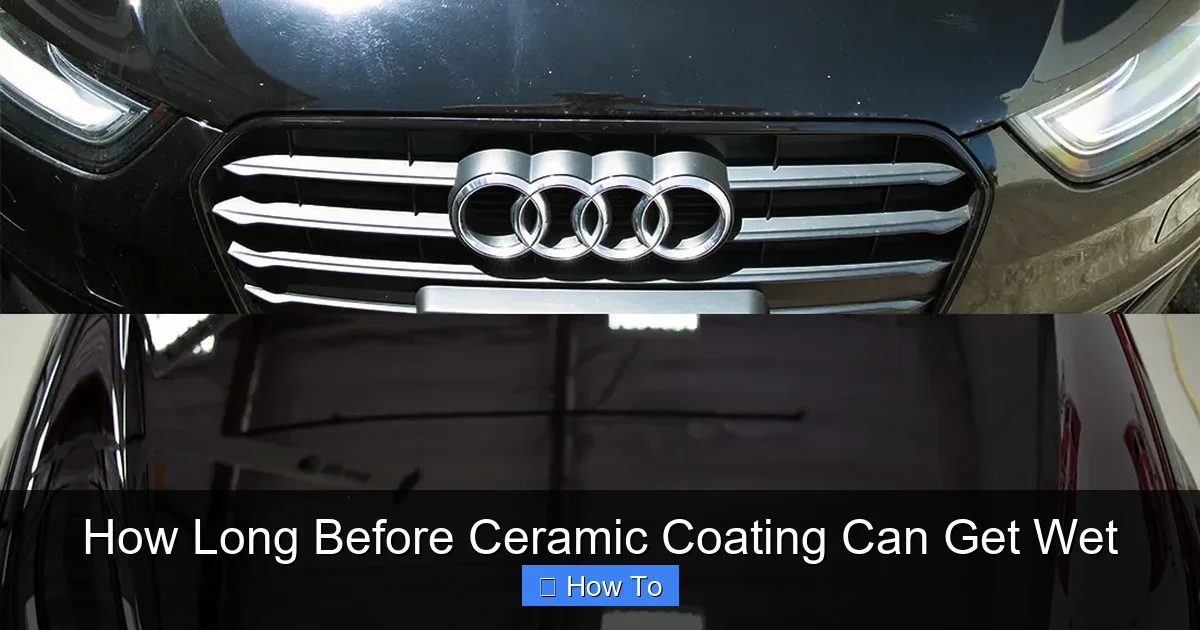
The environment where your vehicle cures plays a crucial role in determining how quickly the ceramic coating reaches full hardness. Understanding these factors helps you make informed decisions about timing and application conditions.
Visual guide about How Long Before Ceramic Coating Can Get Wet
Image source: i0.wp.com
Temperature Effects
Warm temperatures accelerate the curing process significantly. Ideal application temperatures typically range between 65-85°F (18-29°C). In warmer conditions, you might achieve initial water resistance faster, but extremely high temperatures above 90°F can actually cause the coating to cure too quickly, potentially leading to uneven application or premature hardening.
Cold weather dramatically slows down the curing process. If you’re applying ceramic coating in winter conditions or during cooler months, expect to wait longer – potentially up to 72 hours for initial water resistance and 10-14 days for full cure. Some professionals recommend using heat lamps or warming the application area to speed up the process safely.
Humidity and Airflow Considerations
Moderate humidity levels (40-60%) are generally optimal for ceramic coating application and curing. High humidity can slow down solvent evaporation, extending cure times. Low humidity, while speeding up evaporation, can sometimes cause the coating to dry too quickly and create application issues.
Good airflow helps remove solvents from the surface area, which can accelerate the curing process. However, direct airflow from fans or vents should be avoided during application as it can cause dust contamination or uneven drying. Once the initial application is complete, gentle airflow can help speed up curing without causing problems.
Different Types of Ceramic Coatings
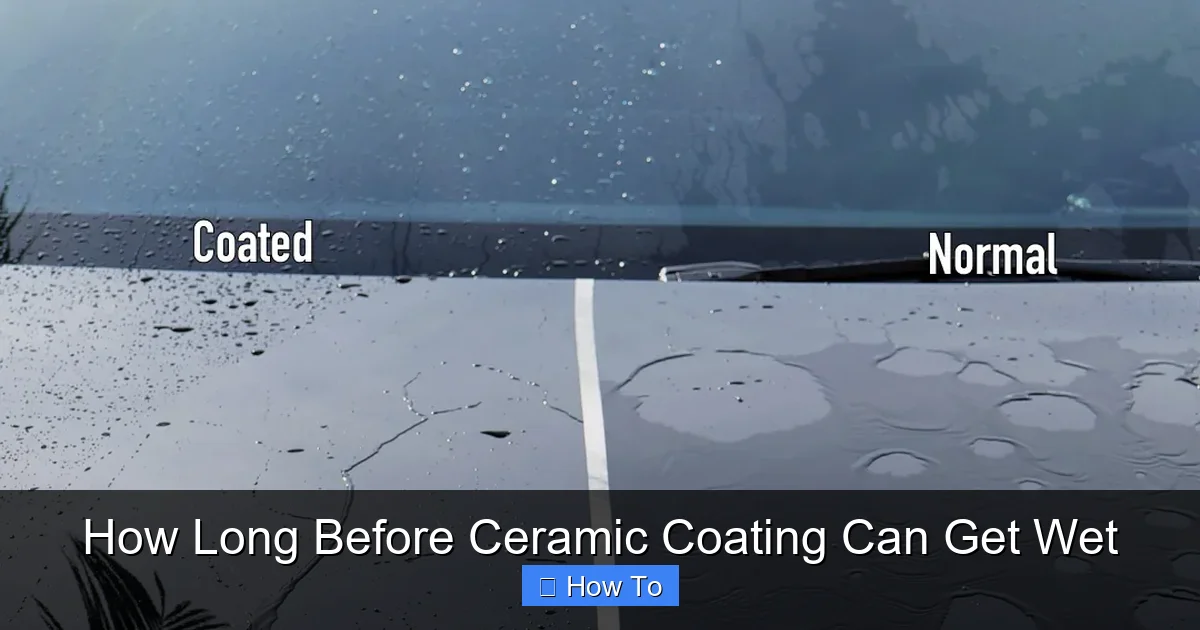
Not all ceramic coatings are created equal, and different formulations have varying cure times. Understanding the specific requirements of your coating system helps set realistic expectations for when you can safely expose it to water.
Visual guide about How Long Before Ceramic Coating Can Get Wet
Image source: cdn.shopify.com
SiLicone Polymers vs. SiO2 Coatings
Traditional ceramic coatings based on silicon dioxide (SiO2) typically require longer curing times compared to newer silicone-based formulations. SiO2 coatings often need 48-72 hours for initial water resistance and may take up to 7 days for full cure. These coatings are known for exceptional durability once cured.
Silicone-based ceramic coatings generally cure faster, sometimes achieving water resistance within 12-24 hours. However, they might not offer the same level of long-term durability as SiO2-based products. The trade-off is convenience versus longevity.
Professional vs. Consumer Grade Products
Professional-grade ceramic coatings often contain more advanced chemistry that allows for faster curing while maintaining superior performance characteristics. These products might achieve water resistance in 12-24 hours and full cure in 3-5 days. However, they require more skill to apply properly.
Consumer-grade DIY ceramic coating kits typically follow standard timelines of 24-48 hours for initial water resistance. These products are formulated to be more forgiving during application but might require longer overall cure times compared to professional formulations.
Weather Considerations and Seasonal Factors
The season and typical weather patterns in your area should influence your decision about when to apply ceramic coating. Planning ahead can help you avoid situations where unexpected weather interferes with the curing process.
Rain and Precipitation Concerns
If you live in an area with frequent rainfall, timing your ceramic coating application becomes even more critical. Even light rain within the first 24 hours can compromise the coating’s integrity. Check weather forecasts carefully before scheduling your application.
For those who discover they need to drive in light rain before the recommended cure time, try to dry the vehicle immediately afterward. Use a clean, lint-free microfiber cloth to gently remove water droplets without rubbing, which could damage the uncured coating.
Seasonal Application Recommendations
Spring and fall typically offer the most favorable conditions for ceramic coating application. Moderate temperatures and humidity levels create ideal curing environments. Summer applications can work well but require attention to temperature extremes and UV exposure during the curing period.
Winter applications present unique challenges. Cold temperatures slow curing significantly, and road salt or snow exposure should be avoided entirely during the initial cure period. If you must apply ceramic coating in winter, consider doing so in a heated garage environment.
Post-Application Care Guidelines
Once your ceramic coating is applied, proper post-application care ensures optimal results and longevity. Following manufacturer recommendations during the critical first week makes a significant difference in the coating’s performance.
What to Avoid During Initial Cure Period
During the first 24-48 hours, avoid any water exposure including washing, rain, or even heavy dew. Keep your vehicle in a covered, dust-free environment if possible. Avoid parking under trees where birds might create additional contamination risks.
Refrain from using any cleaning products or chemicals on the coated surfaces during the initial cure period. This includes household cleaners, degreasers, or even seemingly harmless substances like bug remover. Stick to the manufacturer’s recommended maintenance products only.
When Normal Maintenance Can Resume
After the full 7-day cure period, you can resume normal washing and maintenance routines. However, use only pH-neutral car wash soaps specifically designed for ceramic-coated surfaces. Avoid harsh chemicals, abrasive materials, or high-pressure washing that could damage the fresh coating.
Consider investing in proper car care products designed for ceramic-coated vehicles. As you can see from our recommendations on the best car wash services for ceramic coating care, using the right products makes a significant difference in maintaining your coating’s performance over time.
Troubleshooting Common Issues
Despite careful planning, sometimes circumstances require you to expose your ceramic-coated vehicle to water sooner than recommended. Understanding how to handle these situations can prevent permanent damage to your investment.
Accidental Water Exposure
If your vehicle gets wet before the recommended cure time, don’t panic. Gently dry the affected areas immediately using clean microfiber cloths. Avoid rubbing or scrubbing motions that could disturb the uncured coating. Monitor the area for any signs of hazing, bubbling, or uneven texture.
In most cases, minor accidental exposure won’t cause significant problems if addressed quickly. However, if you notice any visible damage to the coating, consult with your application professional for assessment and potential touch-up work.
Signs of Improper Curing
Pay attention to warning signs that indicate curing issues. These include persistent tackiness beyond the expected timeframe, uneven gloss levels, or visible streaks and marks. Any of these symptoms suggest the coating didn’t cure properly and may need correction.
Environmental factors like excessive humidity, contamination during application, or incorrect product mixing ratios can all contribute to improper curing. Addressing these issues promptly prevents more extensive problems later on.
Conclusion
Understanding how long before ceramic coating can get wet is crucial for maximizing your investment’s performance and longevity. While the general rule suggests waiting 24-48 hours for initial water resistance and 7 days for full cure, remember that specific circumstances may require adjustments to these timelines.
Always follow your coating manufacturer’s specific recommendations, consider environmental factors, and don’t hesitate to consult with professionals when in doubt. Proper curing sets the foundation for years of superior protection and shine. Taking the time to do things right the first time saves you from costly corrections down the road.
Remember that patience during the initial cure period pays dividends in long-term performance. Your ceramic coating will reward careful adherence to curing guidelines with exceptional durability, beautiful gloss, and worry-free maintenance for years to come.
Frequently Asked Questions
How long does ceramic coating take to dry?
Most ceramic coatings require 24-48 hours to achieve initial water resistance, with full cure typically taking 5-7 days. However, environmental factors like temperature and humidity can significantly impact these timelines. Always consult your specific product’s instructions for the most accurate guidance.
Can I wash my car after ceramic coating?
We recommend waiting at least 7 days before washing your ceramic-coated vehicle. This allows the coating to fully cure and develop maximum protective properties. During this period, avoid all water exposure including rain, car washes, and even heavy dew.
What happens if it rains after ceramic coating?
Light rain within the first 24 hours can potentially compromise the coating’s integrity. If your vehicle gets wet during the cure period, gently dry it immediately with clean microfiber cloths and monitor for any signs of damage. Severe water exposure may require professional assessment.
Does temperature affect ceramic coating curing time?
Yes, temperature significantly impacts curing speed. Warm temperatures (65-85°F) accelerate the process, while cold conditions slow it considerably. Extremely high temperatures can also cause issues by curing the coating too quickly, potentially leading to application problems.
Can I apply ceramic coating myself?
While DIY ceramic coating kits are available, professional application typically yields better results. Professionals have experience with environmental considerations, proper surface preparation, and application techniques that ensure optimal curing and long-term performance. If you choose DIY, carefully follow all instructions.
How do I know if my ceramic coating is fully cured?
A fully cured ceramic coating should feel smooth and hard to the touch, with consistent gloss and no tackiness. If the surface still feels sticky or soft after the expected cure time, it may need more time or professional attention to address potential curing issues.