Can I Get a Carwash with a Cracked Windshield
You can technically get a carwash with a cracked windshield, but it’s risky. The pressure and water can worsen the crack, so it’s best to repair or replace it first. Always prioritize safety and check your insurance coverage for windshield repairs.
Key Takeaways
- Safety First: A cracked windshield compromises structural integrity and visibility, making carwashes potentially dangerous.
- Damage Risk: High-pressure water and brushes can expand cracks or cause new damage during automated washes.
- Insurance Coverage: Most insurance policies cover windshield repairs or replacements with little to no out-of-pocket cost.
- Repair vs. Replace: Small chips can often be repaired quickly, while larger cracks typically require full replacement.
- Wash Alternatives: Hand washing with low pressure is safer than automated carwashes for damaged windshields.
- Timing Matters: Address cracks promptly to prevent deterioration and avoid costly repairs later.
📑 Table of Contents
- Can I Get a Carwash with a Cracked Windshield?
- Why a Cracked Windshield Matters
- What Happens During a Carwash?
- Is It Safe to Wash a Cracked Windshield?
- Repairing Your Windshield: What You Need to Know
- Safe Washing Tips for Cracked Windshields
- How Insurance Covers Windshield Damage
- Making the Decision: Repair, Replace, or Wash?
- Conclusion
Can I Get a Carwash with a Cracked Windshield?
So you’ve got a cracked windshield. Maybe it happened from a rock on the highway, or perhaps a stray baseball found its mark. Now you’re wondering: can I get a carwash with a cracked windshield? It’s a practical question, and one that many drivers face.
The short answer is yes, you technically can. But should you? That’s where things get a bit more complicated. Let’s break it down so you know exactly what you’re dealing with and how to make the safest choice for your car and your wallet.
Why a Cracked Windshield Matters
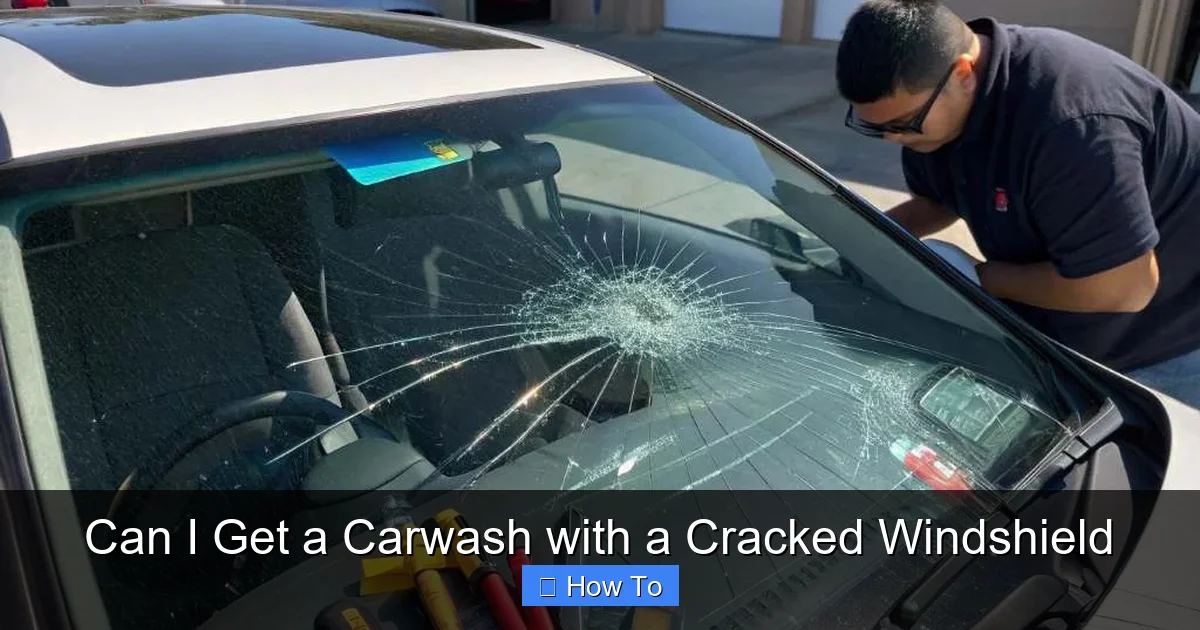
Your windshield isn’t just there to keep the rain out. It plays a critical role in your vehicle’s structural integrity. In fact, a properly installed windshield helps support the roof and maintains the shape of the passenger compartment during a collision. When it’s cracked, that support weakens.
Visual guide about Can I Get a Carwash with a Cracked Windshield
Image source: tcotreport.com
The Safety Concerns
A cracked windshield can obstruct your view, especially if the damage is in your line of sight. Even small cracks can spread quickly under certain conditions, like extreme temperature changes or vibrations. This makes driving more dangerous, not just for you but for other drivers on the road.
Additionally, a compromised windshield may not hold up as well in an accident. Airbags are designed to deploy against a solid surface, and a cracked windshield might not provide the necessary resistance. This means your safety system might not work as intended.
What Happens During a Carwash?
Understanding how a carwash works can help you see why a cracked windshield is a concern. Most automated carwashes use high-pressure water jets, spinning brushes, and sometimes even air blowers to clean and dry your car.
Types of Carwashes
There are several types of carwashes, each with different levels of intensity:
- Touchless Carwashes: These use high-pressure water and chemicals without brushes. Still, the pressure can be enough to worsen cracks.
- Friction Carwashes: These use large spinning brushes or cloth strips that physically scrub your car. These are the most likely to cause additional damage.
- Manual Washes: If you’re washing by hand, you control the pressure and method, which gives you more flexibility.
In any of these scenarios, water can find its way into the crack, potentially causing it to grow. The mechanical action of brushes or the force of high-pressure water can also create new stress points in the glass.
Is It Safe to Wash a Cracked Windshield?
While it’s possible to wash a car with a cracked windshield, it’s not recommended. The risks often outweigh the benefits. Here’s why:
Visual guide about Can I Get a Carwash with a Cracked Windshield
Image source: i1.sndcdn.com
Risks of Washing with a Crack
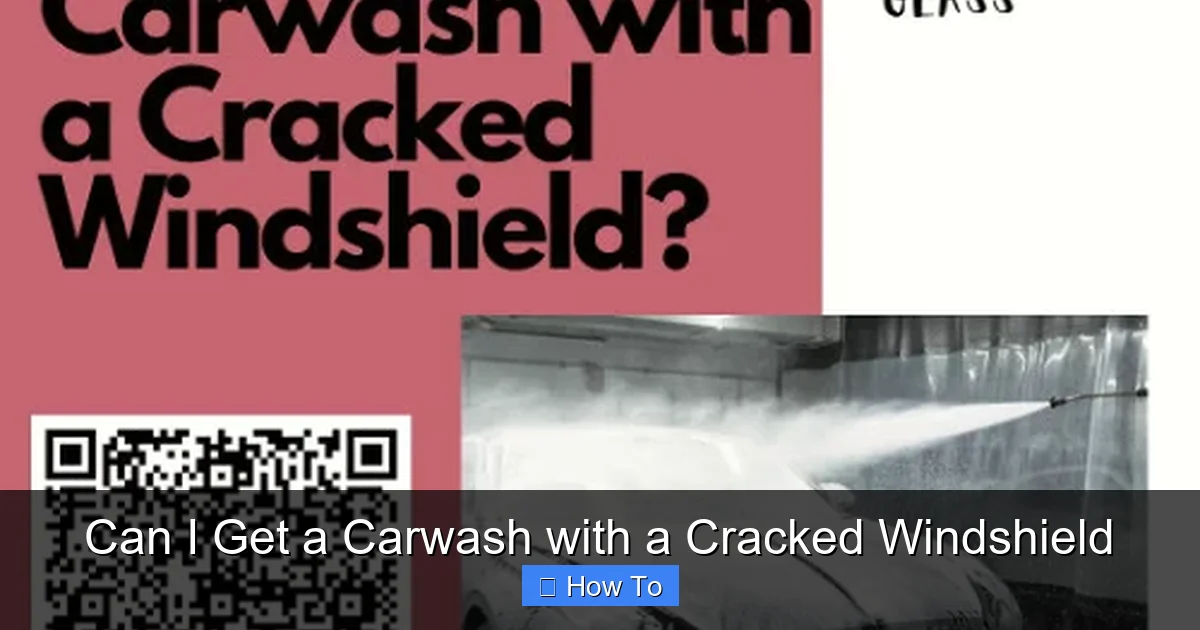
Crack Expansion: The pressure from water jets or brushes can force water into the crack, causing hydraulic pressure that makes the crack grow. This can turn a small chip into a large, expensive problem.
Structural Damage: Repeated stress from a carwash can weaken the bond between the windshield and the frame, which could lead to more serious issues down the road.
Safety Hazards: If the crack worsens during the wash, it could suddenly obstruct your vision while driving, creating a dangerous situation.
Water Intrusion: Water getting behind the windshield can damage interior components and lead to mold or electrical issues.
That said, if you absolutely must wash your car, there are safer ways to do it. Hand washing with a gentle spray and soft cloth is much less likely to cause problems than an automated system.
Repairing Your Windshield: What You Need to Know
The best approach is to address the crack before it becomes a bigger issue. Depending on the size and location of the damage, you might be able to repair it instead of replacing the entire windshield.
When to Repair
If the crack is small—no longer than a quarter—and isn’t in your direct line of sight, a professional can often repair it. The process involves injecting a special resin into the crack and then curing it with UV light. This restores much of the windshield’s strength and clarity.
Benefits of Repair:
- Cost-effective compared to replacement
- Quick process, usually completed in under an hour
- Maintains original factory seal
- Reduces further crack growth
When to Replace
If the crack is large, deep, or located in your line of sight, replacement is usually the better option. A new windshield restores full visibility and structural integrity. Many insurance companies cover replacement at little to no cost to you.
If you’re curious about coverage details, you might want to check whether your policy includes windshield replacement. Most comprehensive insurance plans do, and the deductible is often waived for glass repairs.
Safe Washing Tips for Cracked Windshields
If you can’t get your windshield repaired right away, there are still ways to keep your car clean without risking further damage. Here are some safe washing tips:
Hand Washing Techniques
Use Low Pressure: Avoid high-pressure hoses. A gentle spray from a standard hose or a bucket and sponge will do the job safely.
Avoid the Cracked Area: Try to direct water and soap away from the crack. While it’s hard to avoid entirely, minimizing direct contact can help.
Use Soft Materials: Stick to soft sponges or microfiber cloths. Avoid anything abrasive that could scratch the glass or stress the crack.
Dry Carefully: When drying, use a clean, soft towel and pat gently. Don’t rub back and forth over the crack.
What to Avoid
Automated Carwashes: Especially avoid friction washes with brushes. Even touchless washes use pressure that might be too much for a cracked windshield.
Extreme Temperatures: Avoid washing your car in direct sunlight or when the windshield is very hot. Temperature differences can cause the glass to expand and contract, worsening the crack.
Harsh Chemicals: Some cleaning products can degrade the adhesive around the windshield. Stick to mild car wash soap.
How Insurance Covers Windshield Damage
One of the biggest advantages of having comprehensive car insurance is that it typically covers windshield damage. In most states, you can get a cracked windshield repaired or replaced with little to no out-of-pocket cost.
Filing a Claim
Contact your insurance company as soon as you notice the crack. They’ll likely direct you to a preferred vendor or allow you to choose your own repair shop. The process is usually straightforward, and many insurers will even come to your home or workplace to do the repair.
Deductibles: In many states, windshield repairs don’t count toward your deductible. For replacements, the deductible might apply, but it’s often waived or reduced.
No-Fault Claims: Filing a glass claim typically won’t raise your rates, since it’s considered a comprehensive claim rather than an at-fault accident.
If you’re unsure about your coverage, it’s worth calling your insurer. They can explain your options and help you understand what’s included in your policy.
Making the Decision: Repair, Replace, or Wash?
Deciding what to do with a cracked windshield depends on several factors: the size and location of the crack, your budget, and your timeline. Here’s a quick guide to help you decide:
Quick Reference Guide
Small Chip or Crack (pea-sized or smaller): Schedule a repair as soon as possible. In the meantime, hand wash gently if needed.
Medium Crack (up to quarter size): Get it repaired within a few days. Avoid automated carwashes until it’s fixed.
Large Crack or Damage in Line of Sight: Replace the windshield. Don’t risk driving with impaired visibility.
Multiple Cracks or Deep Damage: Replacement is usually necessary. These can’t be effectively repaired.
Remember, time is of the essence. The longer you wait, the more likely the crack is to spread, making repair impossible and replacement more expensive.
Conclusion
So, can you get a carwash with a cracked windshield? Technically, yes. But it’s not a good idea. The risks of further damage, safety hazards, and costly repairs make it better to address the crack first.
Most insurance policies will cover windshield repairs or replacements with minimal cost to you. And if you’re in a pinch, hand washing with low pressure and gentle materials is a safer alternative to automated systems.
The bottom line: don’t let a cracked windshield disrupt your routine for long. Get it repaired or replaced professionally, and you’ll be back to clean, safe driving in no time. Your safety—and your car’s value—is worth it.
And hey, while you’re thinking about maintenance, you might also want to consider whether your vehicle’s other systems are in good shape. Whether it’s checking your windshield replacement costs or ensuring your car is road-ready, staying proactive about maintenance pays off in the long run.
FAQs
Can a cracked windshield get worse during a carwash?
Yes, the high-pressure water and mechanical brushes in automated carwashes can force water into the crack and cause it to expand. The physical stress can also create new damage, making a small crack much larger.
Is it safe to drive with a cracked windshield?
Driving with a cracked windshield is risky. It reduces visibility and weakens the structural integrity of your vehicle. If the crack is in your line of sight or very large, it’s unsafe to drive until it’s repaired or replaced.
Does insurance cover windshield cracks?
Most comprehensive insurance policies cover windshield repairs and replacements. In many states, repairs are free with no deductible, and replacements often have a minimal or waived deductible.
How much does it cost to fix a cracked windshield?
Windshield repair typically costs between $50 and $150, depending on the size and location of the damage. Replacement costs range from $200 to over $1,000, depending on your vehicle’s make and model.
Can I use my car’s defroster with a cracked windshield?
Using the defroster with a cracked windshield is generally safe, but avoid extreme temperature changes. Sudden heating or cooling can cause the crack to expand due to thermal stress on the glass.
How long does windshield repair take?
Professional windshield repair usually takes 30 to 60 minutes. The resin needs time to cure, so it’s recommended to wait a few hours before exposing the repair to moisture or extreme weather.
Frequently Asked Questions
What is Can I Get A Carwash With A Cracked Windshield?
Can I Get A Carwash With A Cracked Windshield is an important topic with many practical applications.