What Is Rsca on a Toyota Tacoma
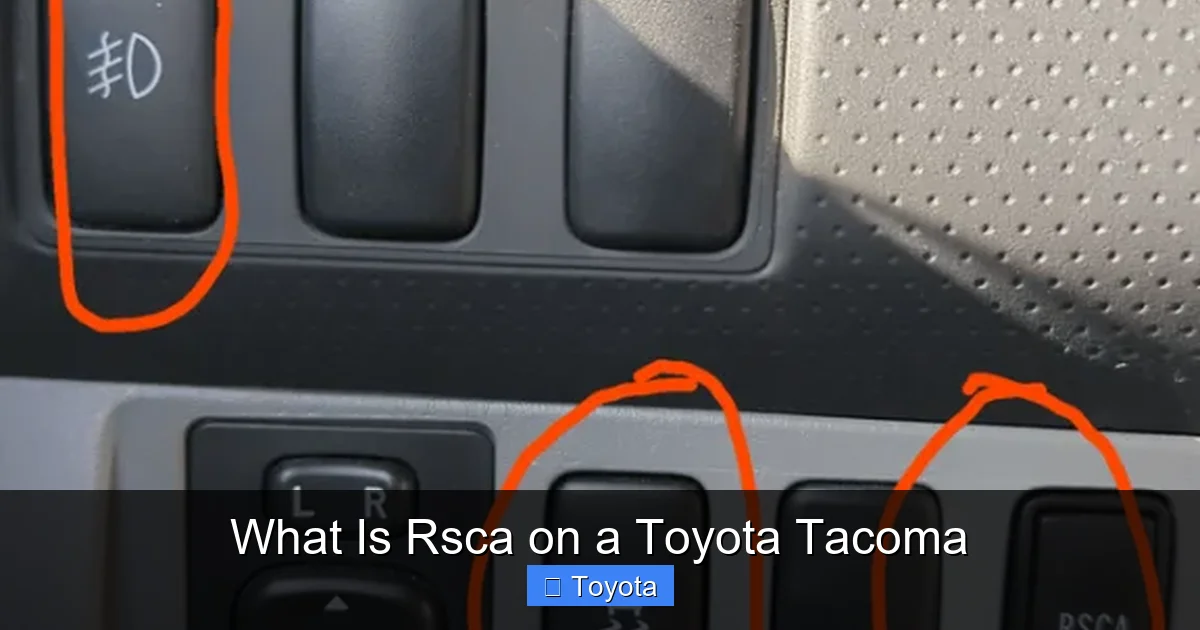
RSCA stands for Rear Steer Control Actuator on Toyota Tacoma trucks, a system that helps manage rear wheel steering for better stability and towing performance. Located near the rear differential, the RSCA works with the vehicle’s computer to adjust rear wheel angles during driving, especially under heavy loads. Understanding RSCA is key for Tacoma owners who tow trailers or drive off-road, as it directly impacts handling and safety.
Key Takeaways
- RSCA Meaning: RSCA stands for Rear Steer Control Actuator, a component that manages rear wheel steering on Toyota Tacoma 4×4 models.
- Function: The RSCA adjusts rear wheel angles to improve stability, especially during towing, cornering, and off-road driving.
- Location: It is typically mounted near the rear differential and works in conjunction with the vehicle’s electronic systems.
- Importance: A functioning RSCA enhances towing capacity, improves handling, and contributes to overall vehicle safety.
- Maintenance: Regular inspection and timely replacement of the RSCA can prevent costly drivetrain issues and maintain optimal performance.
- Troubleshooting: Common signs of RSCA failure include erratic steering behavior, dashboard warning lights, and reduced towing performance.
📑 Table of Contents
What Is RSCA on a Toyota Tacoma?
If you’re a proud owner of a Toyota Tacoma, especially one equipped with 4WD, you may have come across the term “RSCA” while researching your truck’s features or troubleshooting an issue. RSCA stands for Rear Steer Control Actuator, and it plays a crucial role in managing your vehicle’s rear-wheel steering system. While many drivers aren’t familiar with this component, understanding what RSCA does can help you appreciate the engineering behind your Tacoma and make more informed decisions about maintenance and upgrades.
The RSCA is part of Toyota’s advanced four-wheel-drive system, which is designed to enhance traction, stability, and control in a variety of driving conditions—from daily commuting to serious off-roading. When your Tacoma’s computer detects certain driving scenarios, such as towing a heavy trailer or navigating uneven terrain, the RSCA kicks in to adjust the angle of the rear wheels. This dynamic adjustment helps keep your truck stable and responsive, even in challenging situations.
In this article, we’ll dive deep into what RSCA means, how it works, why it matters, and what you should know as a Tacoma owner. Whether you’re a seasoned truck enthusiast or new to the world of pickups, this guide will give you a clear understanding of your vehicle’s rear steer control system.
How Does the RSCA System Work?
The RSCA system is an integral part of your Tacoma’s electronic stability and traction control systems. It works by receiving input from various sensors throughout the vehicle, including those monitoring speed, steering angle, yaw rate, and wheel slip. Based on this data, the vehicle’s computer determines whether the rear wheels need to be adjusted to maintain optimal handling and stability.
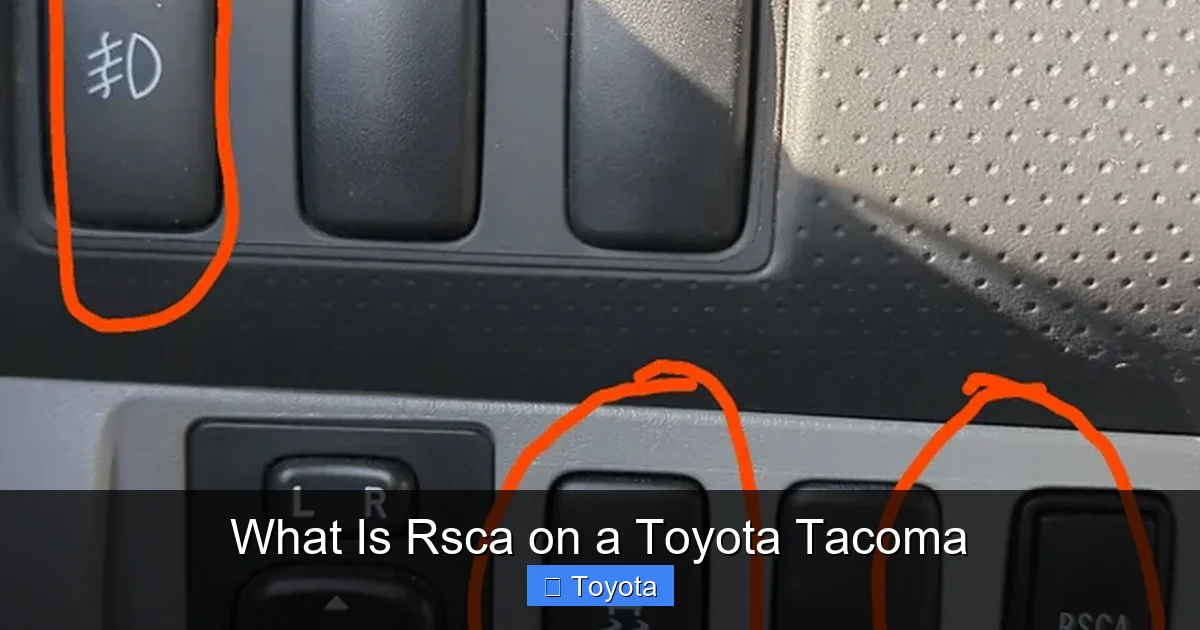
Visual guide about What Is Rsca on a Toyota Tacoma
Image source: buzzlyo.com
Sensor Input and Data Processing
When you turn the steering wheel, accelerate, brake, or encounter uneven surfaces, numerous sensors send real-time data to the vehicle’s Electronic Control Unit (ECU). The ECU processes this information and decides whether to activate the RSCA. For instance, if the system detects that the rear of the vehicle is beginning to swing out during a turn—also known as oversteer—the RSCA will adjust the rear wheels to counteract this movement and help keep the truck pointed in the intended direction.
Actuator Response
Once the ECU determines that a correction is needed, it sends a signal to the RSCA actuator. This actuator is essentially a motorized mechanism that physically turns the rear wheels slightly left or right. The degree of adjustment depends on factors like vehicle speed, load distribution, and driving conditions. At lower speeds, the rear wheels may turn in the same direction as the front wheels to improve maneuverability, such as when parking or navigating tight trails. At higher speeds, they may turn in the opposite direction to enhance stability during lane changes or highway driving.
Integration with Other Systems
The RSCA doesn’t work in isolation. It collaborates closely with other systems like Vehicle Stability Control (VSC), Traction Control (TRAC), and even the Anti-lock Braking System (ABS). Together, these systems create a comprehensive safety net that helps prevent skidding, spinning, and loss of control. For example, if you’re towing a heavy trailer and the system detects sway, the RSCA can make micro-adjustments to the rear wheels to help stabilize the entire setup.
Why Is RSCA Important for Tacoma Owners?
Understanding the importance of RSCA goes beyond just knowing what it stands for. This system has a direct impact on your driving experience, especially if you use your Tacoma for towing, off-roading, or driving in adverse weather conditions.
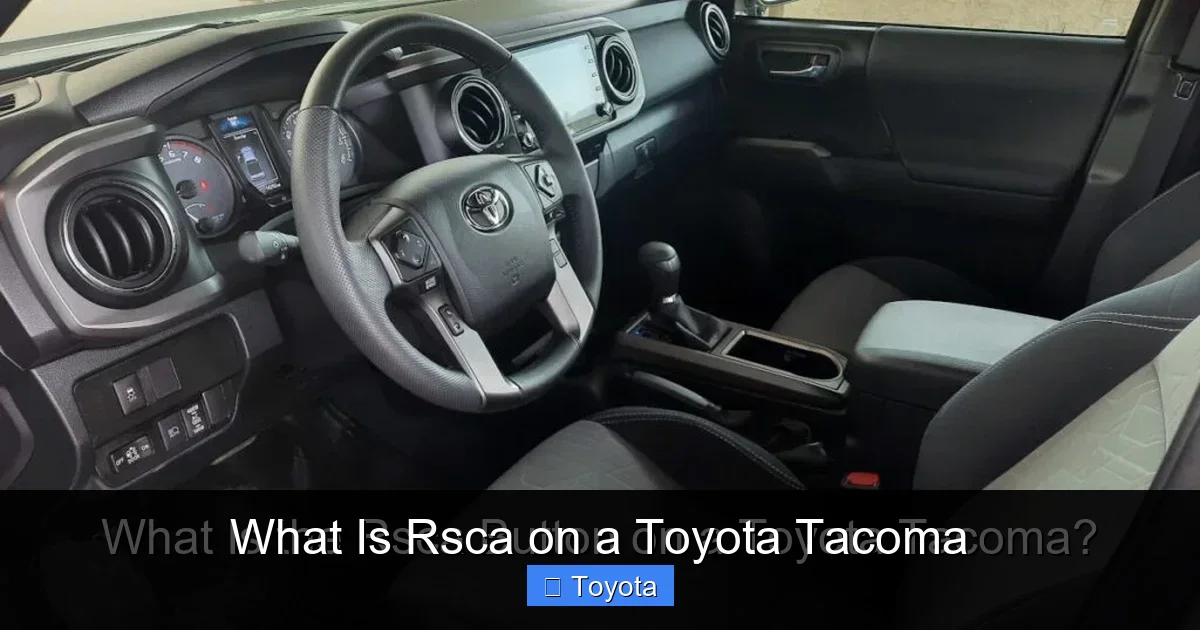
Visual guide about What Is Rsca on a Toyota Tacoma
Image source: aautomotives.com
Enhanced Towing Capability
One of the most significant benefits of the RSCA system is its ability to improve towing performance. When you’re pulling a heavy trailer, the added weight and momentum can make your truck more difficult to control. The RSCA helps mitigate this by making real-time adjustments to the rear wheel angles, reducing trailer sway and improving directional stability. This means you can tow with greater confidence, knowing your truck is actively working to keep everything under control.
Better Off-Road Performance
For those who take their Tacoma off the beaten path, the RSCA is a game-changer. On uneven terrain, the system can adjust the rear wheels to maintain traction and prevent the vehicle from getting stuck. Whether you’re crawling over rocks or navigating sandy trails, the RSCA helps ensure that your truck stays composed and predictable. This is especially true when combined with other off-road features like Crawl Control and Multi-Terrain Select.
Improved Safety in All Conditions
From rainy highways to snowy mountain roads, the RSCA contributes to safer driving in all conditions. By continuously monitoring and adjusting the rear wheel angles, the system helps prevent loss of control during sudden maneuvers or when encountering slippery surfaces. This added layer of safety gives drivers peace of mind, knowing their vehicle is equipped with advanced technology designed to handle whatever the road throws at it.
Common Signs of RSCA Problems
Like any mechanical or electronic component, the RSCA can develop issues over time. Being aware of the warning signs can help you catch problems early and avoid more serious consequences down the road.
Visual guide about What Is Rsca on a Toyota Tacoma
Image source: aautomotives.com
Dashboard Warning Lights
One of the most obvious indicators of an RSCA problem is the illumination of the Check Engine Light or other warning indicators on your dashboard. These lights often come on when the vehicle’s computer detects a malfunction in the RSCA system. If you notice any unusual lights, it’s best to have your Tacoma inspected by a qualified technician as soon as possible.
Erratic Steering Behavior
If you experience unusual steering feel or responsiveness, it could be a sign that the RSCA is not functioning properly. You might notice that the truck feels less stable during turns, especially at higher speeds. In some cases, the steering wheel may feel heavier or lighter than usual, or the vehicle may pull to one side unexpectedly.
Reduced Towing Performance
If your Tacoma suddenly becomes harder to control while towing, the RSCA might be to blame. You may notice increased trailer sway, difficulty maintaining a straight line, or a general lack of confidence when driving with a load. These symptoms suggest that the system is not providing the necessary corrections to keep your vehicle stable.
Unusual Noises
In some cases, a failing RSCA may produce audible noises. You might hear grinding, clicking, or humming sounds coming from the rear of the vehicle, particularly when turning or accelerating. These sounds can indicate mechanical wear or damage to the actuator itself.
RSCA Maintenance and Replacement Tips
While the RSCA is designed to be durable, regular maintenance and attention to warning signs can help extend its lifespan and prevent costly repairs. Here are some practical tips for keeping your RSCA in top condition.
Regular Inspections
During routine service visits, ask your technician to inspect the RSCA and related components. Look for signs of wear, damage, or fluid leaks around the rear differential area. Early detection of minor issues can prevent major failures and keep your truck running smoothly.
Proper Fluid Levels
The RSCA relies on clean, properly pressurized hydraulic fluid to function correctly. Make sure to follow Toyota’s recommended service intervals for fluid changes and top-offs. Neglecting fluid maintenance can lead to premature wear or complete failure of the actuator.
Driving Habits Matter
Harsh driving habits, such as aggressive acceleration, hard braking, and frequent off-road abuse, can put extra stress on the RSCA. While your Tacoma is built tough, moderating your driving style can help preserve the longevity of all components, including the RSCA.
When to Consider Replacement
If you’ve confirmed that the RSCA is failing, replacement is usually necessary. While it’s possible to replace the actuator yourself if you have mechanical experience, many owners prefer to entrust this job to professionals. Always use OEM or high-quality aftermarket parts to ensure compatibility and reliability.
Final Thoughts on RSCA and Your Tacoma
The RSCA system is more than just a fancy acronym—it’s a vital part of what makes the Toyota Tacoma such a capable and trustworthy truck. Whether you’re hauling gear, tackling trails, or simply commuting to work, the RSCA is constantly working behind the scenes to keep you safe and in control.
By understanding how this system operates and recognizing the signs of potential problems, you can take proactive steps to maintain your Tacoma’s performance and longevity. If you ever suspect an issue with your RSCA, don’t hesitate to consult a qualified mechanic who specializes in Toyota trucks. Your safety—and your truck’s reliability—depend on it.
Remember, the Tacoma is designed to go anywhere and do anything. With the RSCA functioning properly, you can push the limits of adventure with confidence, knowing your vehicle has the smarts and strength to handle whatever comes your way.
Frequently Asked Questions
What does RSCA mean on a Toyota Tacoma?
RSCA stands for Rear Steer Control Actuator. It is a component of the truck’s four-wheel-drive and stability control systems that helps adjust the rear wheel angles for better handling and stability.
Can I drive with a faulty RSCA?
While it’s technically possible to drive with a malfunctioning RSCA, it’s not recommended. The system contributes to vehicle stability, especially during towing or off-road driving, so continuing to drive could compromise safety.
How much does it cost to replace an RSCA?
The cost varies depending on your Tacoma’s model year and whether you choose OEM or aftermarket parts. Typically, replacement costs range from $500 to $1,500, including labor.
Is RSCA standard on all Toyota Tacoma models?
RSCA is generally found on 4WD models of the Toyota Tacoma, particularly those equipped with advanced off-road or towing packages. Two-wheel-drive models typically do not include this system.
How often should the RSCA be inspected?
It’s a good idea to have the RSCA inspected during regular service visits, especially if you frequently tow heavy loads or drive off-road. Annual inspections or every 10,000 to 15,000 miles are recommended.
Can the RSCA improve fuel efficiency?
While the primary purpose of RSCA is to enhance stability and control, some drivers report slight improvements in fuel efficiency due to reduced rolling resistance and more efficient power distribution.