Are Toyota Corollas Good in Snow?
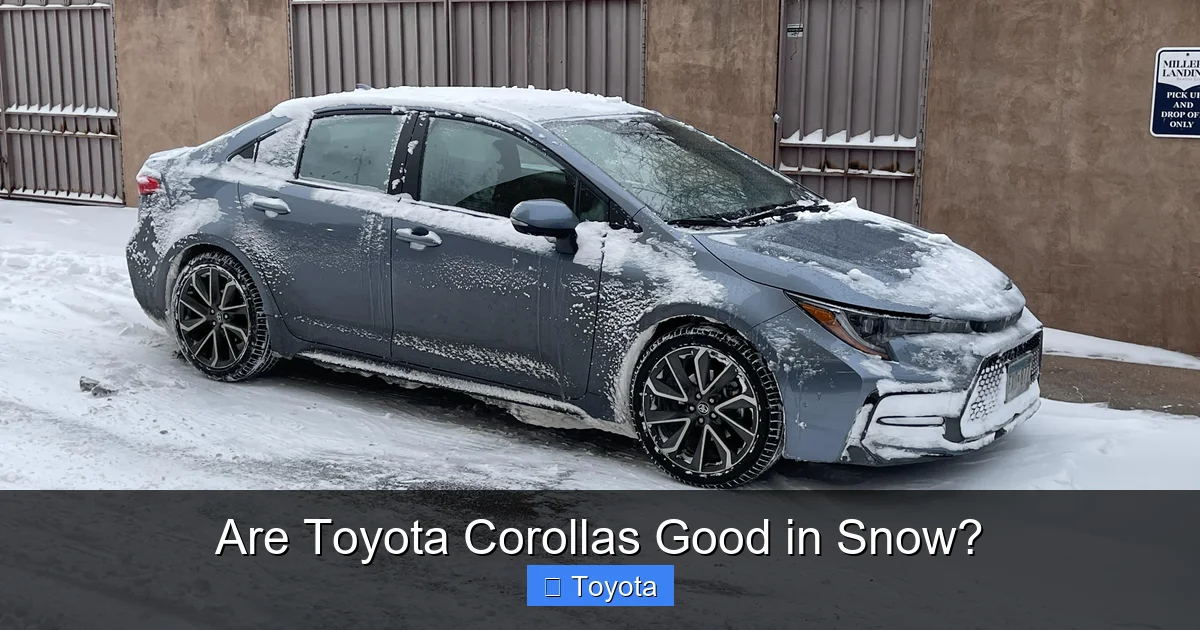
Yes, Toyota Corollas can handle light snow, but their winter performance relies on tires, maintenance, and driver skill. With proper prep, they remain a dependable, fuel‑efficient choice for chilly commutes.
Key Takeaways
- All‑Wheel Drive Isn’t Standard: Most Corollas are front‑wheel drive, so traction depends heavily on tires.
- Winter Tires Make a Big Difference: Switching to snow‑rated tires improves grip dramatically.
- Proper Tire Pressure Is Crucial: Keep pressure at the manufacturer’s cold‑weather recommendation.
- Regular Maintenance Helps: Check battery health and coolant to avoid cold‑weather failures.
- Driver Habits Matter: Smooth acceleration and gentle braking reduce skidding.
- Resale Value Remains Strong: Corollas hold value, making them a smart long‑term winter car.
📑 Table of Contents
- Are Toyota Corollas Good in Snow? The Real Answer
- Understanding Snow Driving Challenges
- Toyota Corolla Basics: What You Need to Know
- How the Corolla Handles Snow: Traction, AWD, and Drivetrain
- Tire Choices and Pressure Tips
- Maintenance Tips for Winter Readiness
- Real‑World Owner Experiences
- Are Toyota Corollas Good in Snow? Final Verdict
- Conclusion
Are Toyota Corollas Good in Snow? The Real Answer
The question are Toyota Corollas good in snow comes up often among winter drivers. Many people love the Corolla for its reliability and fuel efficiency. Yet they worry about its performance on icy roads. In this guide we will explore the answer in depth. You will see why the Corolla can be a solid choice, and where it falls short. By the end you will know if the Corolla fits your winter lifestyle.
When you ask, are Toyota Corollas good in snow, the first thing to look at is the drivetrain. Most Corolla models are front‑wheel drive. Front‑wheel drive can be an advantage in snow because the weight of the engine sits over the driven wheels. That weight helps push the car forward on slippery surfaces. However, the lack of all‑wheel drive means the rear wheels receive no power. That limitation is a key part of the answer to are Toyota Corollas good in snow.
Another factor in answering are Toyota Corollas good in snow is the type of tires you use. Stock all‑season tires are okay for light snow, but they do not provide the grip needed for deeper drifts. Switching to dedicated winter tires dramatically improves traction. In fact, many owners say that after installing winter tires, the Corolla feels much more confident on snow. So, when you consider are Toyota Corollas good in snow, remember that tires are a game‑changer.
Cold weather also affects the car’s battery, coolant, and oil. These components must be checked regularly if you want a positive answer to are Toyota Corollas good in snow. A weak battery can leave you stranded on a frosty morning. Old coolant can freeze and damage the engine. Proper maintenance is essential for a reliable winter performance. Therefore, the answer to are Toyota Corollas good in snow also depends on how well you maintain the car.
Understanding Snow Driving Challenges
Snow changes the way a car behaves on the road. Ice reduces friction dramatically. Wet snow can hide potholes and make braking unpredictable. Visibility can drop to near zero during a storm. All these factors affect how a car accelerates, brakes, and corners. When you think about are Toyota Corollas good in snow, you must consider how the car handles these challenges.
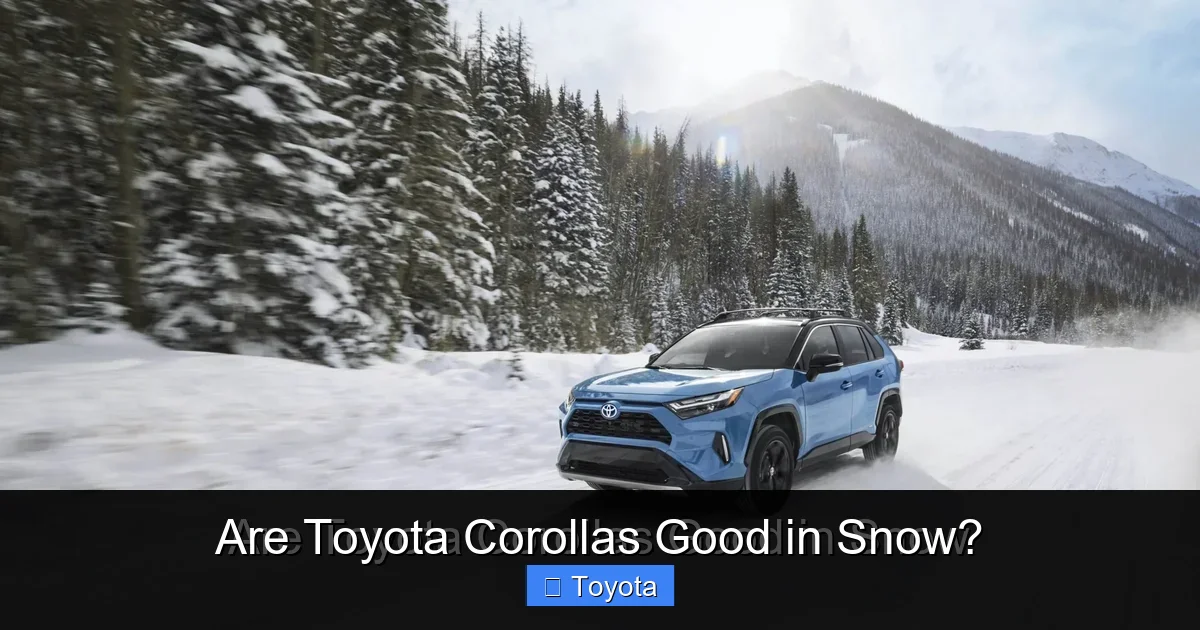
Visual guide about Are Toyota Corollas Good in Snow?
Image source: toyotaautodealer.com
One of the biggest challenges is maintaining control during sudden stops. A car with too much power to the front wheels can fishtail if you brake hard. The Corolla’s modest engine helps prevent that, but you still need to brake gently. Smooth inputs are a key part of the answer to are Toyota Corollas good in snow.
Why Traction Matters
Traction is the force that keeps the wheels pushing the road. Without enough traction the car slides. Snow and ice lower the coefficient of friction. That is why many drivers ask are Toyota Corollas good in snow and look for features that boost traction. The Corolla’s lightweight chassis can be an asset, but only if you equip it with the right tires and keep the pressure correct.
Toyota Corolla Basics: What You Need to Know
The Toyota Corolla is a compact sedan that has been a bestseller for decades. It typically comes with a 1.8‑liter four‑cylinder engine that produces around 130 horsepower. Front‑wheel drive is standard on most trims. Some newer hybrid models offer an optional all‑wheel drive system in certain markets. The Corolla is praised for its reliability, low cost of ownership, and excellent fuel economy.
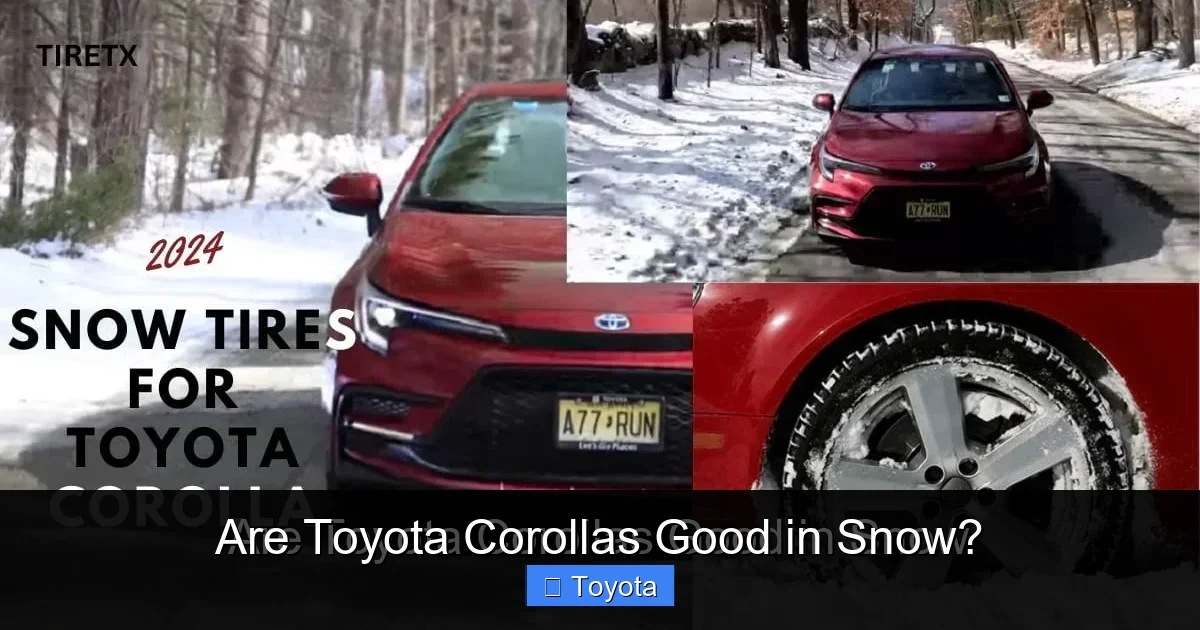
Visual guide about Are Toyota Corollas Good in Snow?
Image source: toyotaautodealer.com
Engine and Power Characteristics
The engine’s modest power output means the Corolla is not built for high‑speed snow racing. However, its lightweight nature can help it maneuver through deep snow more easily than heavier SUVs. When you evaluate are Toyota Corollas good in snow, the engine’s characteristics are a supporting factor, not the main driver of performance.
How the Corolla Handles Snow: Traction, AWD, and Drivetrain
When you ask, are Toyota Corollas good in snow, the drivetrain configuration is a central piece of the puzzle. Most Corolla models are front‑wheel drive. Front‑wheel drive tends to push the car forward, which can be beneficial on snow because the engine weight sits over the driven wheels. This weight helps maintain grip on slippery surfaces. However, the lack of all‑wheel drive means the rear wheels receive no power, which can limit performance in deep snow.
Front‑Wheel Drive vs. All‑Wheel Drive
All‑wheel drive sends power to all four wheels, providing better grip in challenging conditions. The Corolla’s optional all‑wheel drive, when available, can improve its winter credentials. If you live in an area with frequent heavy snowfall, the all‑wheel drive version may be a better answer to are Toyota Corollas good in snow than the standard front‑wheel drive model.
Tire Choices and Pressure Tips
One of the most critical factors in answering are Toyota Corollas good in snow is the tire setup. Stock all‑season tires are acceptable for light snow, but they do not provide the grip needed for deeper drifts. Switching to dedicated winter tires can transform the car’s handling.
Best Tire Options for Winter
Look for tires that carry the “snowflake” symbol, indicating they meet severe snow service standards. These tires have deeper tread and a rubber compound that stays flexible in cold temperatures. Some of the top choices include the best winter tires for passenger cars. If you need a slightly larger footprint, the best light truck snow tires also work on the Corolla’s rim size.
Optimal Tire Pressure in Cold Weather
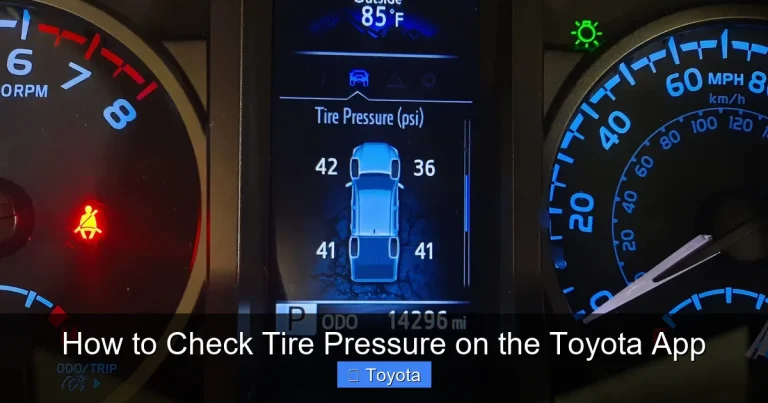
Cold air contracts, lowering tire pressure. Under‑inflated tires reduce the contact patch with the road, while over‑inflated tires increase the risk of a skid. The manufacturer recommends checking pressure when the tires are cold. For most Corolla models, a pressure of 32‑35 psi is ideal in winter. Refer to the best tire pressure for driving in snow conditions guide for detailed steps on how to check and adjust pressure.
Maintenance Tips for Winter Readiness
Even the best tires cannot compensate for a weak battery or old coolant. When you consider are Toyota Corollas good in snow, you must also think about routine maintenance. A well‑maintained car will start reliably on frosty mornings and stay on the road longer.
Battery Care in Cold Weather
Cold temperatures weaken a car battery. A battery that is more than four years old may struggle to turn the engine over. Have the battery tested before the first snowfall. If it shows signs of weakness, replace it. A healthy battery is a crucial part of the answer to are Toyota Corollas good in snow.
Fluids and Antifreeze
Use the correct mixture of coolant and antifreeze to prevent the engine from freezing. Check the windshield washer fluid level and use a winter‑grade solution. Keep the oil at the recommended viscosity for low temperatures. Proper fluid levels are essential for a positive answer to are Toyota Corollas good in snow.
Real‑World Owner Experiences
Many Corolla owners share their stories online. Some say the car feels stable on light snow with the right tires. Others note that steep hills require extra caution. A common theme is that the Corolla is not a rugged off‑road snow vehicle, but it works well for daily commuting.
Case Study: Commuting in the Midwest
One driver in Chicago reported that after switching to winter tires, the Corolla handled 4‑inch snowfalls without slipping. The driver noted a slight increase in fuel consumption, but the trade‑off was worth the safety. This real‑world example supports the answer to are Toyota Corollas good in snow for many urban drivers.
Are Toyota Corollas Good in Snow? Final Verdict
So, are Toyota Corollas good in snow? The answer is yes, with important caveats. The Corolla is reliable, fuel‑efficient, and comfortable for everyday winter driving. Its performance improves dramatically with proper winter tires and regular maintenance. If you live in an area with moderate snowfall, a Corolla can be a smart, economical choice. For heavy snow or mountainous terrain, you might want a vehicle with standard all‑wheel drive.
Conclusion
The Toyota Corolla offers a solid foundation for cold‑weather travel. By focusing on tire choice, pressure, and maintenance, you can answer the question, are Toyota Corollas good in snow, with confidence. Remember to check the battery, keep fluids topped up, and drive smoothly. With these steps, the Corolla will serve you well throughout the snowy season.
Frequently Asked Questions
Do Toyota Corollas come with all‑wheel drive?
Most Corolla models are front‑wheel drive. Only certain hybrid or special edition trims offer all‑wheel drive in some markets.
What type of tires should I use for winter driving?
Install dedicated winter tires with the snowflake symbol. They provide the best grip on snow and ice.
How often should I check my tire pressure in winter?
Check tire pressure monthly, especially before long trips. Cold temperatures can lower pressure quickly.
Can a weak battery affect winter performance?
Yes. Cold weather reduces battery output. Have the battery tested and replace it if it’s over four years old.
Is regular maintenance necessary for snow driving?
Absolutely. Check coolant, oil, and battery health to ensure reliable starts and avoid breakdowns.
Will fuel economy drop in winter?
Yes, fuel consumption typically rises slightly due to longer warm‑up times and extra engine load.