Does a Toyota Spare Tire Have Tpms?
Many Toyota owners wonder if their spare tire comes with a Tire Pressure Monitoring System (TPMS). The short answer is that most factory‑fit spares do not include TPMS, relying instead on manual checks. This can affect safety because an under‑inflated spare reduces handling and fuel efficiency, but simple maintenance routines keep it reliable.
When you pull into a gas station and glance at the dashboard, you’ll see a array of warning lights that keep you informed about engine health, fuel status, and—most importantly for safety—tire pressure. Modern cars are equipped with Tire Pressure Monitoring Systems (TPMS) that alert you when a wheel’s air level drops too low. But what about the spare tire that sits tucked away in the trunk? For many Toyota owners, the question lingers: Does a Toyota spare tire have TPMS? In this guide, we’ll dive deep into Toyota’s approach to spare‑tire monitoring, explain why most spares lack TPMS, and give you practical tips to keep your emergency wheel ready for the road.
Understanding whether your Toyota’s spare tire includes TPMS matters for safety, performance, and peace of mind. An under‑inflated spare can be just as dangerous as a flat primary tire, yet many drivers overlook it because they assume the system works everywhere. By the end of this article, you’ll know exactly what to expect, how to maintain your spare, and even how to add a bit of high‑tech monitoring if you want it.
Key Takeaways
- Standard spares lack TPMS: Most Toyota vehicles equip their spare tires without a dedicated TPMS, unlike the primary wheels.
- Manual checks are essential: Owners must regularly gauge spare tire pressure using a gauge, especially before long trips.
- Safety impact: An under‑inflated spare can compromise braking, handling, and fuel economy, making routine checks vital.
- Cost vs. convenience: Adding TPMS to a spare would increase vehicle weight and cost, so manufacturers often skip it.
- Compatibility with aftermarket solutions: You can install a portable TPMS sensor or a pressure‑monitoring app to monitor your spare.
- Maintenance tips: Store the spare in a cool, dry place, inspect it monthly, and follow Toyota’s recommended pressure levels.
📑 Table of Contents
Understanding TPMS in Modern Vehicles
What Is TPMS and Why Does It Matter?
Tire Pressure Monitoring Systems first appeared on passenger vehicles in the early 2000s, driven by safety regulations and fuel‑efficiency goals. The technology comes in two flavors: direct TPMS, which uses sensors inside each tire to report exact pressure, and indirect TPMS, which relies on wheel‑speed data from the anti‑brake system. Direct systems are more accurate but cost more, while indirect systems are built into the vehicle’s existing sensors.
Why does this matter for a spare? The primary wheels are constantly exposed to road conditions, temperature changes, and everyday wear. A sudden loss of pressure can happen without warning, and TPMS gives drivers a heads‑up before handling becomes compromised. In contrast, a spare tire often sits idle for months, only seeing the road when you experience a flat. The risk profile is different, which influences manufacturers’ decisions about equipping spares with TPMS.
How TPMS Works in Toyota’s Standard Wheels
Most newer Toyota models (Camry, RAV4, Tacoma, etc.) come equipped with direct TPMS on the driver’s side front wheel as a baseline. This sensor feeds real‑time pressure data to the dashboard, triggering a warning light if pressure drops by about 25% below the manufacturer’s recommended level. The system is integrated with the vehicle’s CAN bus, so alerts appear instantly and can even show the exact pressure reading on the instrument cluster.
Because the primary wheels have active sensors, drivers rarely need to manually check pressure—except during routine maintenance. The convenience of a “set‑and‑forget” system is a big selling point for many buyers. However, the spare tire is often an afterthought; it’s smaller, lighter, and sometimes a temporary‑use item, which leads Toyota to take a different approach.
Toyota’s Standard Tire Pressure Monitoring System
Factory‑Fit TPMS on Primary Wheels
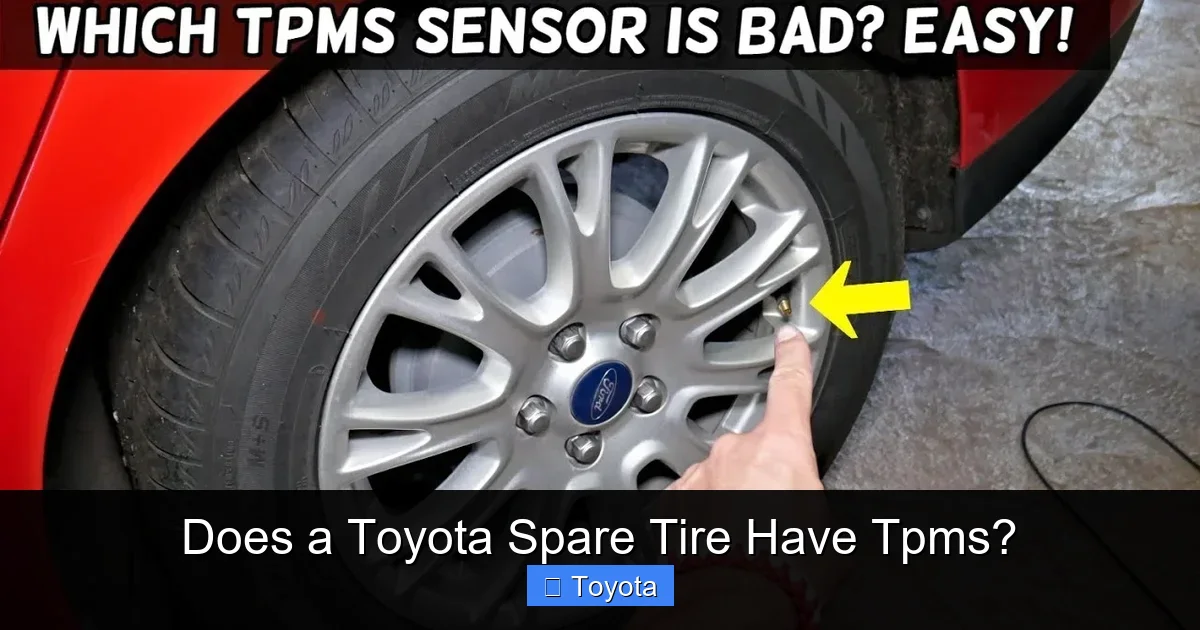
When you purchase a new Toyota, you’ll find TPMS on the primary wheels as a standard safety feature. This system monitors four wheels (or sometimes all six, on larger trucks) and provides visual and audible alerts when pressure drops. The sensors are sealed inside the tire bead area, so they survive normal tire changes. If you replace a primary tire yourself, the sensor usually transfers over, keeping the system intact.
Visual guide about Does a Toyota Spare Tire Have Tpms?
Image source: aautomotives.com
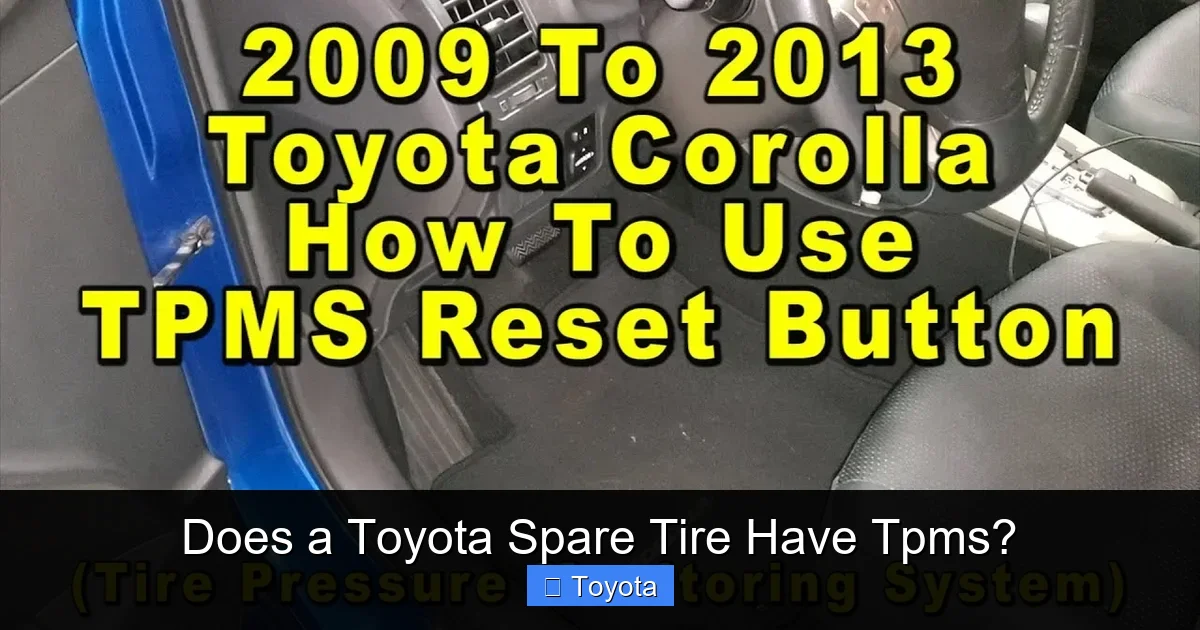
TPMS is mandated in many regions, and Toyota complies fully. The system also supports a “ Tire Pressure Monitoring System Reset” after tire rotation or replacement, which you can trigger with a simple button press on the dash. This level of integration is something drivers have come to expect, but it’s not automatically extended to the spare.
Why Toyota Usually Skips TPMS on Spares
Spare tires are typically smaller, lighter, and sometimes of a different construction (e.g., a “compact spare” or “donut”). Adding a TPMS sensor to a spare would increase weight, cost, and complexity. Moreover, spare tires are intended for temporary use—usually limited to 50‑70 mph and short distances. Because of these constraints, Toyota’s engineering teams have decided that the risk‑benefit ratio does not justify a dedicated sensor.
In addition, spare tires often come with a single recommended pressure that is higher than the primary tires, to support the reduced load capacity. A single pressure reading is easy enough to check manually, and most owners can glance at the spare’s pressure label in the trunk. This simplicity aligns with Toyota’s philosophy of reliable, low‑maintenance solutions.
The Spare Tire: Does It Get the Same Treatment?
Direct Comparison: Primary vs. Spare TPMS
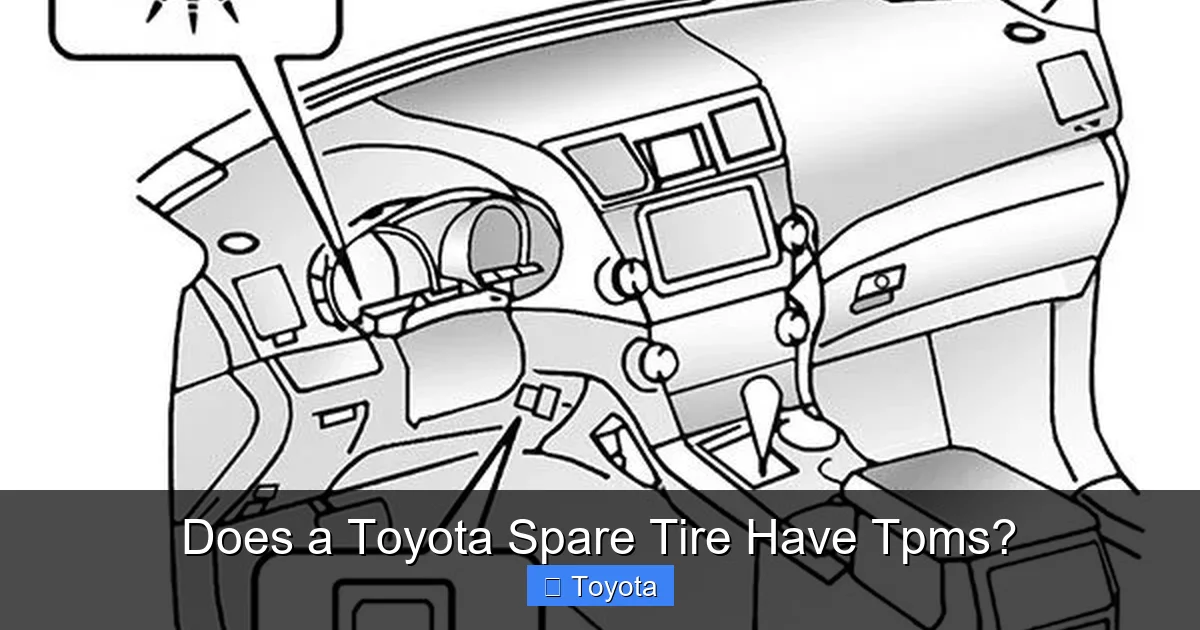
To illustrate the difference, imagine you have a Toyota Camry with a full‑size spare. The primary wheels have a direct TPMS sensor that reports pressure to the dash. The spare, however, sits idle with no sensor. If the spare’s pressure drops, you won’t see a warning light until you start driving and notice a vibration or warning icon appears only when the vehicle’s speed drops below a threshold (some Toyotas do have an indirect system that monitors all wheels, but it’s less precise).
Visual guide about Does a Toyota Spare Tire Have Tpms?
Image source: mitchell1.com
Compact spares (often called “donuts”) are even less likely to have TPMS. They are designed for very short use and have a maximum speed rating of around 50 mph. Adding a sensor would be overkill given their limited service life.
Exceptions and Recent Developments
While the general rule holds true, there have been occasional exceptions. Some limited‑edition Toyota models or specific trims (like the Toyota GR Supra or certain off‑road packages) may include TPMS on the spare as part of a more comprehensive safety package. Additionally, Toyota’s “Toyota Care” maintenance program sometimes mentions a “spare tire pressure check” as part of routine service, hinting that the brand is aware of the gap.
In recent years, there has been talk of integrating a low‑cost, Bluetooth‑enabled TPMS sensor that could be retrofitted to a spare. While not factory‑standard, after‑market solutions are emerging, and we’ll discuss those later.
How Spare Tire TPMS (or Lack Thereof) Affects Safety
Impact of an Under‑Inflated Spare
Driving on an under‑inflated spare reduces tire contact patch, which leads to poorer braking distances, reduced handling, and increased fuel consumption. The risk is amplified at higher speeds or when carrying extra weight (think a family and luggage). Even a small deficit of 5‑10 PSI can cause the tire to overheat, potentially leading to a blowout.
Visual guide about Does a Toyota Spare Tire Have Tpms?
Image source: aautomotives.com
Because most drivers only check the spare when they suspect a problem, the window for unnoticed under‑inflation can be long. Without a warning light, the tire may sit at 20‑30 PSI lower than recommended for weeks, silently compromising safety.
Real‑World Scenarios
Consider a family road trip where the primary tires are fine, but the spare has been sitting in the trunk for months. The temperature drops overnight, causing the spare’s pressure to fall. When the primary tires finally go flat, you rely on the spare. If it’s under‑inflated, you might notice a warning vibration at 30‑40 mph, but the handling could already be compromised, especially on winding highways.
Another scenario: a driver uses a compact spare after a puncture on a rainy day. The reduced grip combined with lower pressure can turn an otherwise manageable situation into a hazardous one, increasing the chance of hydroplaning or loss of control.
Maintaining Your Toyota Spare Tire: Tips and Best Practices
Monthly Inspection Routine
Even without a sensor, a simple monthly check can keep your spare ready. Pull the spare out, locate the pressure label (usually on the side of the tire), and use a reliable tire gauge. Inflate to the recommended PSI—often higher than primary tires because the spare is designed for short, emergency use.
If you notice the spare is consistently losing pressure, it may indicate a slow leak in the valve stem or a pinhole in the rubber. In such cases, a repair kit or a professional service may be needed. Remember to store the spare in a cool, dry place away from direct sunlight; UV exposure can degrade the rubber over time.
Seasonal Checks and Temperature Adjustments
Seasonal temperature swings can affect tire pressure. For every 10°F (5.5°C) change in ambient temperature, tire pressure can shift by about 1 PSI. When you check the spare after a drastic temperature shift, adjust accordingly. This is especially important if you live in regions with harsh winters or scorching summers.
Many Toyota owners also keep a small air compressor in the trunk, allowing quick inflation without visiting a gas station. This is a convenient backup, but always verify the pressure with a gauge afterward for accuracy.
Link to Maintenance Guides
For those who want a bit of high‑tech monitoring, you can explore after‑market solutions. Check out Toyota’s break‑in guide for tips on keeping your vehicle’s systems in top shape, including how to properly seat a new spare tire after a replacement.
If you’re interested in keeping the spare’s surface in pristine condition, consider using the best tire and rim cleaners to prevent corrosion and maintain a professional look. A clean tire surface makes it easier to spot leaks or uneven wear during your manual checks.
Additionally, applying a quality tire shine product can protect the rubber from UV damage and keep the spare looking new, which also helps you spot any cracks early.
When to Replace the Spare
Spare tires have a limited lifespan, typically 5‑7 years, depending on storage conditions and usage. Cracked sidewalls, hardened rubber, or a pressure label that shows “replace” are clear signs it’s time for a new spare. Replacing an old spare is cheaper than dealing with a dangerous failure on the road.
If you decide to upgrade to a full‑size spare or a run‑flat tire, you might be able to get TPMS integrated into the new system. Many aftermarket full‑size spares come with sensors that can be programmed into your Toyota’s dashboard, giving you the safety net you’re looking for.
Conclusion
In short, most Toyota vehicles do not come with a TPMS on the spare tire. This design choice balances cost, weight, and the temporary nature of spare usage. While the lack of a sensor might seem like a safety gap, diligent manual checks and simple maintenance routines can close that gap effectively.
By following the tips outlined above—monthly inspections, seasonal adjustments, proper storage, and using quality cleaning and shine products—you’ll ensure your Toyota’s spare tire is ready whenever you need it. If you want extra peace of mind, consider installing an after‑market TPMS sensor or using a smartphone app that monitors tire pressure, linking your spare to the same level of vigilance you give your primary wheels.
Remember, a well‑maintained spare is a small investment that can prevent a large headache down the road. Stay proactive, stay safe, and enjoy the confidence that comes with knowing your Toyota is prepared for any flat you might encounter.
Frequently Asked Questions
Do all Toyota vehicles lack TPMS on their spare tires?
Most Toyota models do not include a TPMS sensor on the spare tire. However, certain trims or limited‑edition vehicles may offer it as an optional extra. Always check the vehicle’s specifications or consult a Toyota dealer to confirm.
Can I add a TPMS sensor to my Toyota spare tire?
Yes, you can install an after‑market direct TPMS sensor designed for spare tires. These sensors often clip onto the valve stem and can be paired with a Bluetooth app on your phone, giving you real‑time pressure alerts.
How often should I check my Toyota spare tire pressure?
Monthly checks are recommended. Also inspect the spare before long trips and after dramatic temperature changes. Keep a reliable gauge in the trunk for quick readings.
What is the recommended pressure for a Toyota spare tire?
Refer to the pressure label inside the trunk or the owner’s manual. Spare tires usually require higher PSI than primary tires because they are built for short, emergency use.
Does a compact “donut” spare have the same TPMS considerations as a full‑size spare?
No. Compact spares are even less likely to have TPMS due to their limited speed ratings and short service life. Manual checks are especially critical for donuts.
Is it safe to drive on a Toyota spare tire for an extended period?
Driving on a spare for more than the recommended distance or speed can damage the vehicle’s drivetrain and compromise safety. Treat a spare as a temporary solution and replace or repair the damaged tire as soon as possible.