Does Toyota Do State Inspections?
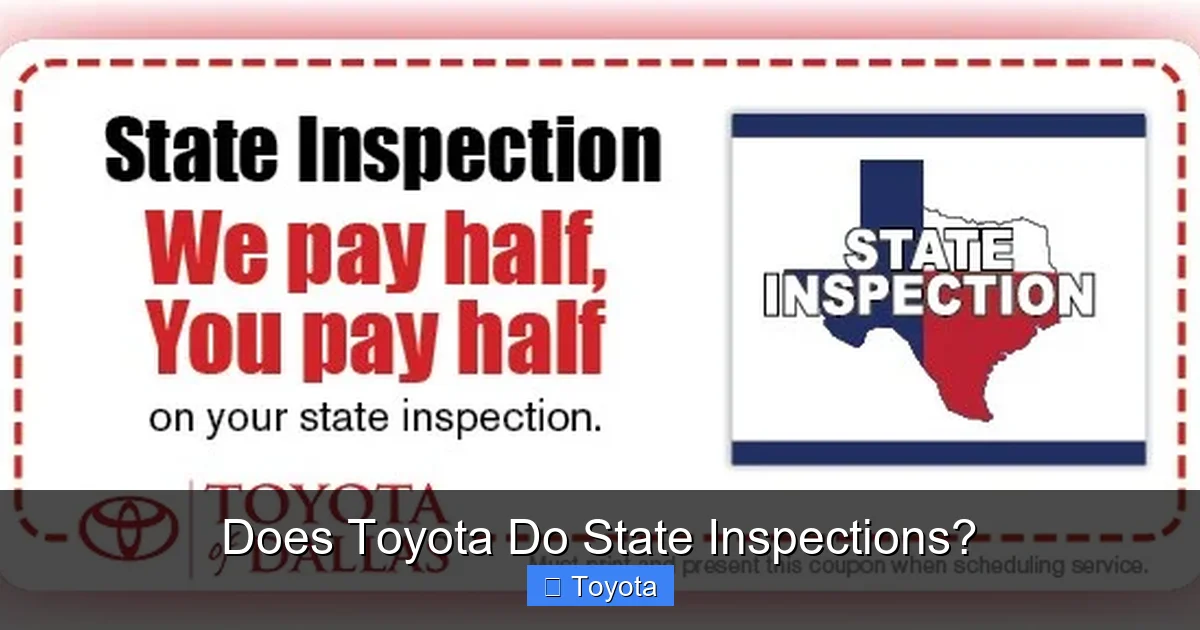
Does Toyota Do State Inspections? No, Toyota itself does not conduct state inspections. Whether your Toyota needs one depends on your state’s laws. Some states require inspections for safety or emissions, while others don’t. Always check local regulations for clarity.
Key Takeaways
- State laws dictate requirements: Toyota doesn’t mandate inspections; your local jurisdiction does.
- Not all states require inspections: Many states exempt newer vehicles or have no inspection laws.
- Maintenance matters: Regular upkeep improves your chances of passing an inspection.
- Emissions testing varies: Some states require it for older Toyota models.
- Costs and process differ: Fees and requirements vary by state and vehicle type.
- Exemptions exist: Newer Toyotas (e.g., 2018+) may be exempt in certain states.
📑 Table of Contents
Does Toyota Do State Inspections?
If you’re a Toyota owner, you might wonder, does Toyota do state inspections? The short answer is no—Toyota doesn’t handle inspections. State inspections are managed by local government agencies, and whether your Toyota needs one depends entirely on where you live. This article breaks down everything you need to know about state inspections for Toyota vehicles, including requirements, exemptions, and tips to pass with ease.
Understanding State Inspection Requirements
State inspections are mandatory in some regions to ensure vehicles meet safety and emissions standards. These checks vary widely: some states require annual inspections, while others have no rules at all. For Toyota owners, the key question isn’t whether Toyota performs inspections but whether your state requires them. For example, California mandates emissions tests for most vehicles, whereas Texas only requires inspections for certain model years.
Toyota’s Stance on Inspections
Toyota, like other car manufacturers, doesn’t conduct state inspections. The company focuses on designing reliable vehicles but leaves compliance with local laws to the owner. This means you’re responsible for checking your state’s rules. However, Toyota’s reputation for durability and low maintenance can make inspections easier. For instance, a well-maintained Toyota Camry is less likely to fail an inspection than one with neglected brakes or emissions issues.
Which States Require Inspections for Toyota Vehicles?
The answer to does Toyota do state inspections? hinges on your location. Here’s a breakdown of states with inspection laws affecting Toyota owners:
Visual guide about Does Toyota Do State Inspections?
Image source: prioritytoyotachesapeake.com
States with Mandatory Inspections
- California: Requires annual emissions tests for vehicles model year 1976 and older.
- New York: Mandates safety inspections for vehicles over 25 years old.
- Pennsylvania: Requires inspections for all vehicles every two years.
States with No Inspection Laws
- Texas: No annual inspection requirements for most vehicles.
- Florida: Only requires inspections for vehicles registered before 1981.
- Nevada: No mandatory inspections for any vehicle type.
Exceptions and Exemptions
Even in states with inspection laws, newer Toyotas may be exempt. For example, vehicles manufactured after 1995 in California are often exempt from emissions testing. Similarly, some states exempt vehicles under a certain weight or model year. Always confirm with your local DMV for specifics.
How to Prepare for a State Inspection with a Toyota
If your state requires an inspection, preparation is key. Here’s how to increase your chances of passing:
Visual guide about Does Toyota Do State Inspections?
Image source: greasemonkeyinspectors.ca
Routine Maintenance Checks
Focus on critical areas like brakes, tires, and emissions systems. For example, a Toyota Tundra owner should check the exhaust system regularly, as emissions failures are common in larger vehicles. Keeping fluids topped and addressing warning lights can prevent last-minute failures.
Documentation and Records
Keep service records handy. If your Toyota has recent maintenance, inspectors are more likely to pass it. For instance, replacing a faulty oxygen sensor before an inspection can save time and money.
Know Your Vehicle’s History
Older models may have stricter requirements. A Toyota Corolla from the 1990s might need more frequent checks than a newer model. Research your vehicle’s specific needs online or consult a mechanic.
Common Issues Toyota Owners Face During Inspections
While Toyotas are generally reliable, certain problems can trigger inspection failures:
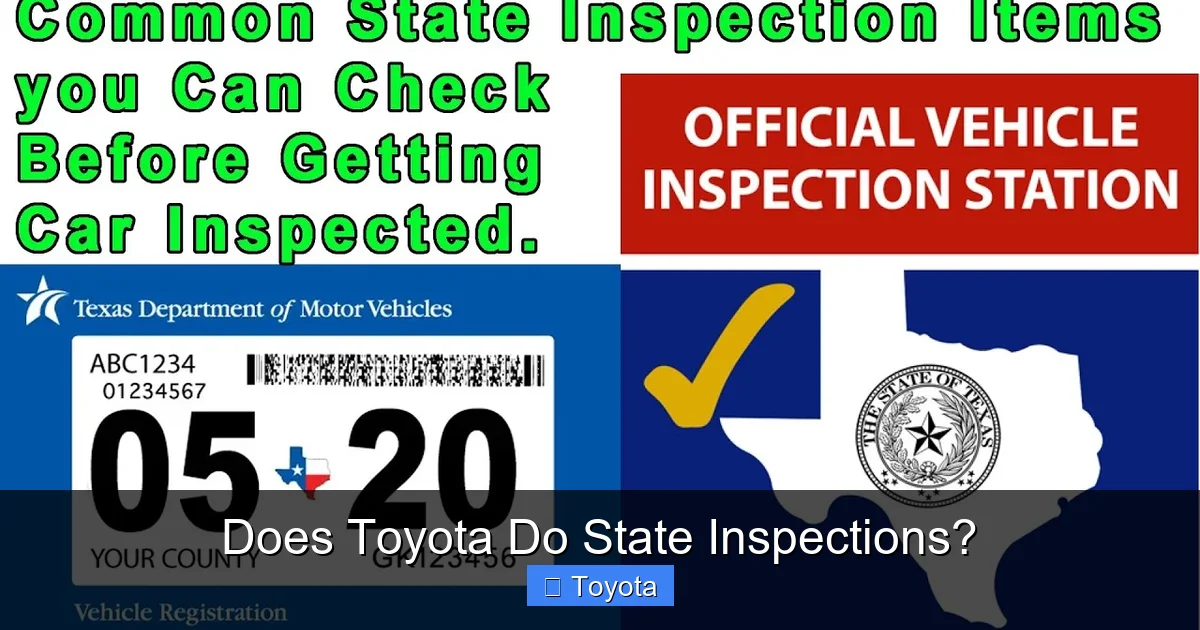
Visual guide about Does Toyota Do State Inspections?
Image source: i.ytimg.com
Emissions Failures
Vehicles with faulty catalytic converters or oxygen sensors often fail emissions tests. For example, a Toyota Highlander with a clogged exhaust system might struggle in states with strict emissions laws. Regularly replacing air filters and spark plugs can mitigate this risk.
Safety Concerns
Brakes, lights, and steering systems are common safety inspection points. A Toyota Prius with worn brake pads could fail, even if the car is otherwise in good shape. Addressing minor repairs before the inspection is crucial.
Registration Errors
Ensure your registration is up-to-date. Missing paperwork can delay or deny your inspection, regardless of the vehicle’s condition. Double-check your state’s requirements to avoid surprises.
Alternatives to State Inspections for Toyota Owners
If your state doesn’t require inspections, you might still want to maintain your Toyota proactively. Consider these alternatives:
Regular Servicing
Even without inspections, routine maintenance extends your Toyota’s lifespan. Services like oil changes or transmission checks keep the vehicle in top condition, reducing long-term costs.
Third-Party Inspections
Some owners opt for private inspections through dealerships or certified mechanics. While not mandatory, these can provide peace of mind and identify potential issues early.
Compliance with Emissions Standards
In states without inspections, voluntary emissions compliance can still be beneficial. For example, using high-quality fuel or additives can improve performance and reduce environmental impact.
Conclusion
So, does Toyota do state inspections? No—Toyota doesn’t perform inspections, but your state might require them. Understanding your local laws, maintaining your vehicle, and staying informed are the best ways to navigate this process. Whether you’re driving a Toyota Tacoma or a Toyota Prius, preparation is your best defense against inspection failure. Always consult your local DMV for the most accurate and up-to-date information.
Frequently Asked Questions
Does Toyota perform state inspections?
No, Toyota does not conduct state inspections. These are handled by local government agencies based on your location and vehicle requirements.
Which states require inspections for Toyota vehicles?
States like California, New York, and Pennsylvania mandate inspections for certain Toyota models. Check your local DMV for specifics.
How much does a Toyota inspection cost?
Costs vary by state and facility. For example, in California, emissions tests might cost $50-$100, while other states may have different fees. Check local rates for accuracy.
Can I avoid a state inspection for my Toyota?
In some states, newer Toyotas (e.g., 2018+) may be exempt. Others allow exemptions for specific vehicle types. Confirm with your DMV for eligibility.
What should I do if my Toyota fails an inspection?
Address the failed items promptly, such as fixing brakes or emissions issues. Retest after repairs, and keep documentation to show corrective actions.
Is an inspection required for a new Toyota?
Not always. Many states exempt newer vehicles from inspections. However, some regions may still require them based on age or model year. Verify local laws to be sure.